| Journal of Clinical Question. 2026; 3(4): e320 https://doi.org/10.69854/jcq.2026.0020 Advance access publication date 08 July 2026 |
 |
Review
KRAS-Targeted Therapy in Non–Small Cell Lung Cancer: Current Standards, Resistance Mechanisms, and Emerging Therapeutic Strategies
Kohei Eguchi, Yukito Kajita, Muraoka Suguru , Kohei Somekawa, Kou Chin*
Department of Respiratory Medicine, Yokohama City University, Yokohama, Japan.
*Corresponding Author: e-mail: chin.ko.bf@yokohama-cu.ac.jp
Submitted: April 22, 2026 Accepted: July 07, 2026
Clinical Question Box
What are the benefits and limitations of current Kirsten rat sarcoma viral oncogene homolog (KRAS)–targeted therapies in non–small cell lung cancer (NSCLC)?
Current KRAS-targeted therapies have made KRAS G12C–mutated NSCLC a clinically targetable disease. Sotorasib and adagrasib provide effective treatment options following prior systemic therapy and have improved progression-free survival compared with docetaxel. In addition, several newer KRAS inhibitors and broader RAS-targeted approaches have demonstrated promising activity in recent clinical trials. Despite these advances, current treatment strategies still face significant limitations. Responses are often not durable, acquired resistance is common, and the overall survival benefit remains uncertain. Toxicity, brain metastases, and the lack of approved targeted therapies for most non–G12C KRAS mutations also present major challenges. Future strategies should focus on developing better inhibitors, optimizing combination therapies, enhancing central nervous system activity, and using molecular profiling to guide personalized treatment.
Abstract
Kirsten rat sarcoma viral oncogene homolog (KRAS) mutations are among the most common oncogenic alterations in non–small cell lung cancer (NSCLC), particularly in lung adenocarcinoma, and for decades were regarded as therapeutically intractable. The development of covalent KRAS G12C inhibitors has changed this paradigm, establishing direct KRAS inhibition as a clinically actionable strategy. Sotorasib and adagrasib have demonstrated antitumor activity in previously treated KRAS G12C–mutated advanced NSCLC and are now important targeted options following prior systemic therapy. However, the clinical benefit of current monotherapy remains limited. Randomized trials have shown improved progression-free survival compared with docetaxel, but a definitive overall survival advantage has not been established. Acquired resistance is common and biologically heterogeneous, involving secondary KRAS alterations, KRAS amplification, receptor tyrosine kinase activation, downstream Mitogen-Activated Protein Kinase (MAPK) or Phosphoinositide 3-Kinase (PI3K) pathway reactivation, histologic transformation, and adaptive feedback signaling. Outcomes are further influenced by central nervous system involvement, treatment-related toxicity, prior immunotherapy exposure, and co-occurring genomic alterations such as TP53, STK11, and KEAP1. Emerging strategies include more potent KRAS G12C inhibitors, active-state RAS inhibitors, pan-RAS approaches, KRAS G12D inhibitors and degraders, rational combination regimens, and KRAS-directed immunotherapies. Direct KRAS inhibition has thus transformed KRAS G12C–mutated NSCLC from a previously undruggable subtype into a targetable disease, but durable disease control remains an unmet need. Future progress will require comprehensive molecular profiling, broader targeting of non–G12C KRAS variants, improved intracranial efficacy, resistance-informed combinations, equitable access to molecular diagnostics, and randomized evidence demonstrating meaningful survival and quality-of-life benefits.
Keywords: KRAS, NSCLC, targeted therapy, central nervous system metastasis, acquired resistance, next-generation inhibitors
Introduction
Lung cancer remains the leading cause of cancer-related mortality worldwide. According to GLOBOCAN 2022, lung cancer is the most frequently diagnosed cancer globally, accounting for nearly 2.5 million new cases, or 12.4% of all cancer diagnoses, and causing approximately 1.8 million deaths, representing 18.7% of all cancer-related mortality.1 In the United States alone, lung and bronchus cancer is projected to cause 229,410 new cases and 124,990 deaths in 2026, remaining the leading cause of cancer death.2 Non–small cell lung cancer (NSCLC) represents the dominant histologic subtype, accounting for approximately 85% of lung cancers.3
Over the past two decades, the management of NSCLC has been transformed by molecularly guided therapies targeting oncogenic drivers such as epidermal growth factor receptor (EGFR), anaplastic lymphoma kinase (ALK), ROS proto-oncogene 1 receptor tyrosine kinase, B-Raf proto-oncogene serine/threonine kinase, MET proto-oncogene receptor tyrosine kinase (MET), RET proto-oncogene receptor tyrosine kinase (RET), neurotrophic tyrosine receptor kinase, and human epidermal growth factor receptor 2 (HER2).4 However, for many years, Kirsten rat sarcoma viral oncogene homolog (KRAS) remained a major therapeutic challenge despite being one of the most frequently altered oncogenes in lung adenocarcinoma. KRAS mutations are among the most common oncogenic alterations in NSCLC, occurring in up to 30% of cases, with enrichment in lung adenocarcinoma and a markedly lower frequency in squamous cell carcinoma.5,6
Biology and Pathogenesis of KRAS
KRAS Structure and Physiologic Signaling Function
KRAS is a member of the rat sarcoma viral oncogene family, which comprises three canonical human isoforms: Harvey rat sarcoma viral oncogene homolog (HRAS), neuroblastoma RAS viral oncogene homolog (NRAS), and KRAS.7 These genes encode highly conserved, membrane-associated small guanosine triphosphatases that serve as central regulators of intracellular signal transduction. The KRAS gene, located on chromosome 12p, undergoes alternative splicing to generate two closely related protein isoforms, KRAS-4A and KRAS-4B.8 In most biological and clinical contexts, KRAS refers primarily to KRAS-4B, the predominant isoform expressed in human cells.8 Structurally, KRAS consists of a conserved catalytic G domain and a C-terminal hypervariable region. The G domain contains the phosphate-binding loop and the switch I and switch II regions, which coordinate guanine nucleotide binding, conformational switching, and interactions with downstream effector proteins.9 The hypervariable region contains a C-terminal CAAX motif, which undergoes post-translational lipid modification and is essential for membrane localization, which is required for KRAS signaling activity.10
Functionally, KRAS operates as a binary molecular switch that couples activated cell-surface receptors, particularly receptor tyrosine kinases such as EGFR, to intracellular signaling networks. Following EGFR activation, adaptor and signaling proteins, including growth factor receptor-bound protein 2, Src homology region 2 domain-containing phosphatase 2 (SHP2), and son of sevenless homolog 1 (SOS1), facilitate the exchange of guanosine diphosphate (GDP) for guanosine triphosphate (GTP) on KRAS, thereby converting KRAS from its inactive to its active signaling state. Under physiological conditions, KRAS dynamically cycles between an inactive GDP-bound state and an active GTP-bound state. GTP-bound KRAS adopts an active conformation through rearrangements of the switch I and switch II regions, allowing effector engagement and activation of the rapidly accelerated fibrosarcoma–mitogen-activated protein kinase kinase–extracellular signal-regulated kinase (RAF–MEK–ERK) and phosphoinositide 3-kinase–protein kinase B–mechanistic target of rapamycin (PI3K–AKT–mTOR) pathways.11
Oncogenic KRAS in NSCLC
Oncogenic KRAS mutations disrupt this regulatory cycle. These alterations occur most frequently at codon 12, with additional recurrent mutations involving codons 13 and 61.12 By impairing intrinsic GTPase activity and reducing responsiveness to GTPase-activating proteins, mutant KRAS remains preferentially locked in a GTP-bound active conformation. The result is ligand-independent, constitutive activation of downstream signaling (Fig. 1).13 Sustained KRAS signaling drives multiple cancer hallmarks, including uncontrolled proliferation, resistance to apoptosis, metabolic reprogramming, remodeling of the tumor microenvironment, immune evasion, invasion, metastasis, and disease progression. Primary activating KRAS mutations, typically affecting codons 12, 13, or 61, initiate constitutive KRAS signaling, whereas secondary KRAS alterations can arise during treatment and mediate acquired resistance by disrupting inhibitor binding or restoring downstream pathway activation.14
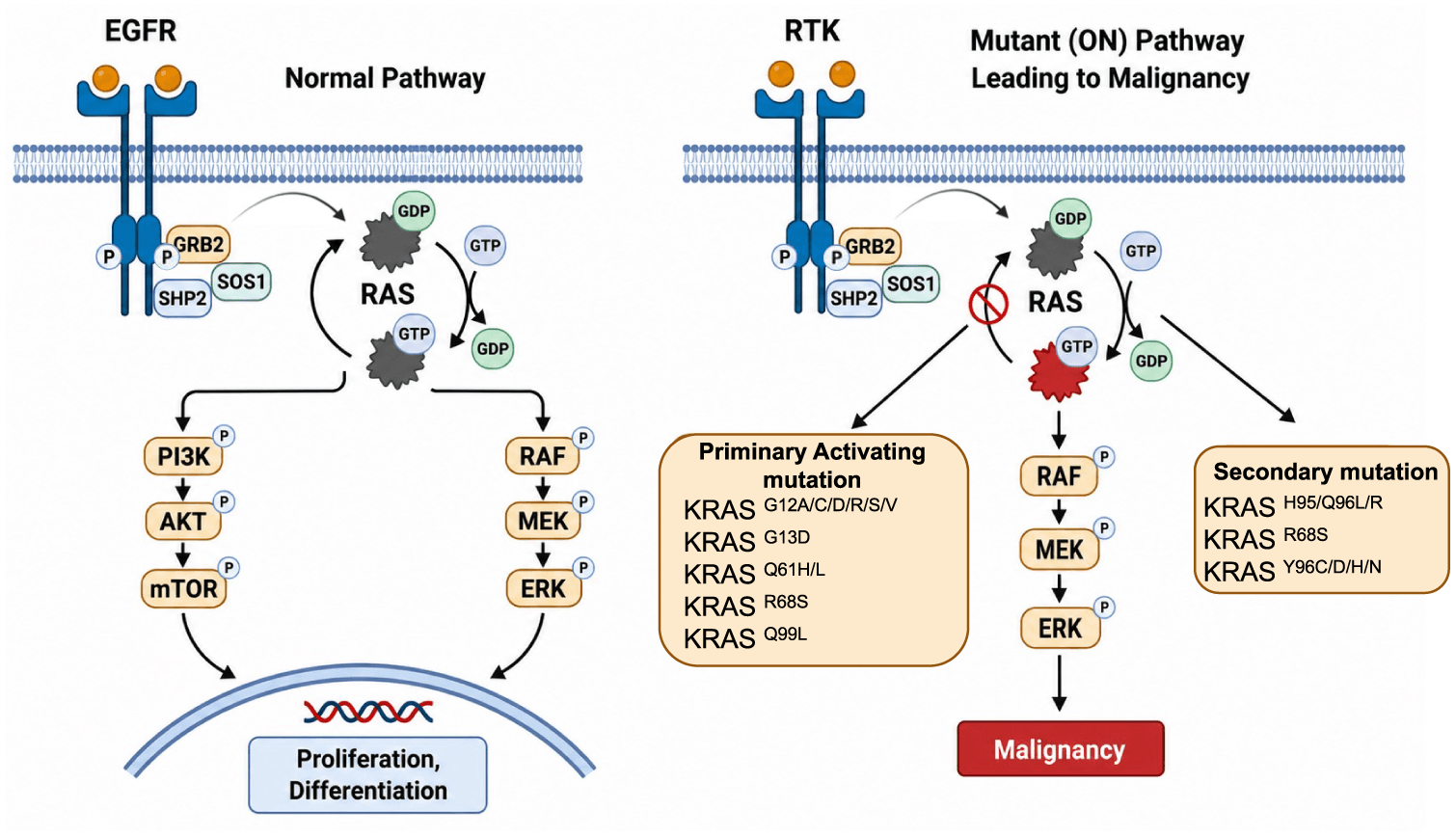
Figure 1. KRAS signaling and mechanisms of oncogenic activation and acquired resistance RAF, rapidly accelerated fibrosarcoma; MEK, mitogen-activated protein kinase kinase; ERK, extracellular signal-regulated kinase; PI3K, phosphoinositide 3-kinase; AKT, protein kinase B; mTOR, mechanistic target of rapamycin; KRAS, Kirsten rat sarcoma viral oncogene homolog.
Historically, KRAS was considered “undruggable” because of its picomolar affinity for GTP/GDP, the abundance of intracellular GTP, the absence of a deep conventional drug-binding pocket, and the redundancy of downstream signaling pathways.15 The therapeutic breakthrough in KRAS-mutant NSCLC came from exploiting the cysteine residue created by the G12C substitution. KRAS G12C results from a guanine-to-thymine transversion that replaces glycine with cysteine at codon 12.16 This cysteine residue enables covalent binding of small-molecule inhibitors to the switch-II pocket of GDP-bound KRAS G12C, thereby trapping the protein in its inactive conformation and preventing downstream effector engagement.17 This allele-specific strategy transformed KRAS from a historically intractable oncogene into a clinically actionable target and led to the development of a series of KRAS-targeted small-molecule agents.
The prevalence and allelic distribution of KRAS mutations in NSCLC vary by geography, ancestry, tobacco exposure, and histologic subtype. In Western populations, KRAS mutations are found in approximately 25%–35% of lung adenocarcinomas, whereas lower rates are generally reported in East Asian cohorts.18,19 KRAS G12C is the most clinically actionable subtype in NSCLC, accounting for approximately 10%–13% of advanced nonsquamous NSCLC and about 40% of KRAS-mutant NSCLC.20 Smoking exposure strongly influences the KRAS mutational spectrum: KRAS G12C is enriched in smokers and is consistent with tobacco-associated transversion patterns, whereas G12D is relatively more frequent among never- or light-smokers.21 Other relevant KRAS alleles include G12V, G12D, G12A, G13D, and Q61 variants. Currently, approved direct KRAS inhibitors in NSCLC specifically target G12C; non–G12C KRAS mutations remain a major unmet need.22
KRAS Co-Mutations and Clinical Implications
Furthermore, KRAS-mutant NSCLC is biologically heterogeneous. This heterogeneity is shaped not only by the specific KRAS allelic variant but also by frequent co-occurring genomic alterations. In molecular cohorts of KRAS-mutant NSCLC, 53.5% of patients harbor additional mutations.23 TP53 is among the most common co-mutated genes, followed by recurrent alterations in genes such as STK11 and KEAP1.24 Rare co-occurrence with other oncogenic drivers, including EGFR alterations, has also been reported, although EGFR and KRAS mutations are generally considered to be mostly mutually exclusive.20 These co-mutations define biologically distinct disease subsets. Tumors with concurrent TP53 alterations often exhibit greater inflammatory signaling and a more immunogenic tumor microenvironment. They may be enriched for CD8-positive tumor-infiltrating lymphocytes and activated dendritic cells.25 In contrast, STK11-mutant tumors are frequently associated with an immune-cold phenotype, characterized by reduced cytotoxic T-cell infiltration and increased immunosuppressive regulatory T cells.25 KEAP1 alterations are also linked to metabolic reprogramming, aggressive tumor biology, poorer outcomes, and reduced benefit from immunotherapy.26
Co-occurring alterations may also influence response to targeted therapy. For example, tumors with concurrent ALK or EGFR alterations and KRAS mutations may respond poorly to corresponding tyrosine kinase inhibitors.27,28 Emerging evidence also suggests that co-mutations within the receptor tyrosine kinase/RAS pathway may affect outcomes with KRAS-directed therapy.29 However, these alterations are not currently used as formal exclusion criteria for approved KRAS G12C inhibitors. KRAS mutation status alone is insufficient for optimal decision-making. Broad next-generation sequencing is essential to define the specific KRAS allele, identify clinically relevant co-mutations, detect rare concurrent actionable drivers, and support individualized treatment selection and enrollment in biomarker-driven clinical trials.
KRAS G12C–Targeted Agents
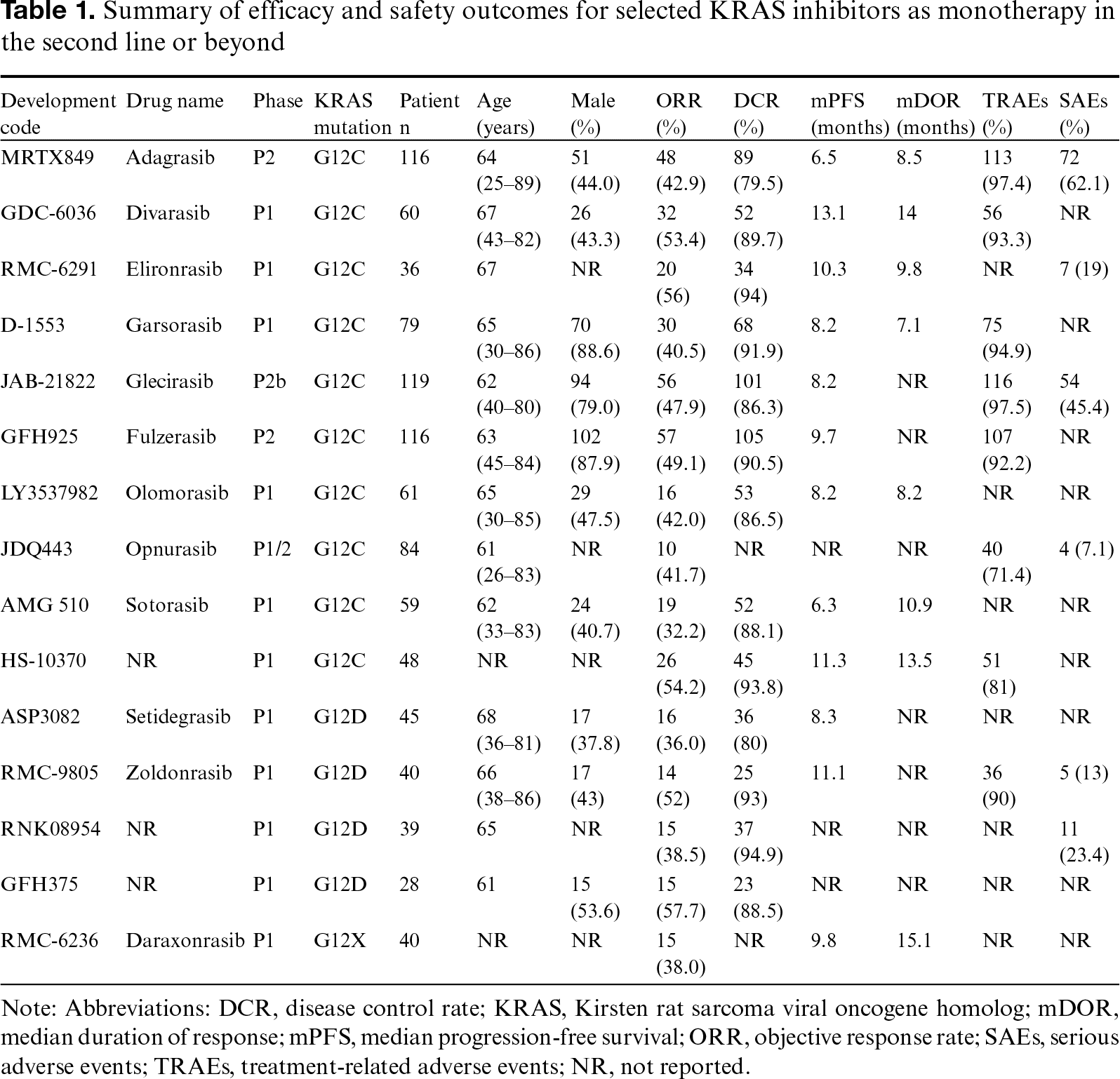
The development of allele-specific KRAS inhibitors has rapidly reshaped the treatment landscape for KRAS-mutant NSCLC.22 The first clinical advances came from covalent KRAS G12C inhibitors. These agents selectively bind the mutant cysteine residue in the switch-II pocket and stabilize KRAS in its inactive, GDP-bound conformation. This approach led to the clinical development and regulatory approval of sotorasib and adagrasib.30,31 It also accelerated the development of next-generation KRAS G12C inhibitors.22 These newer agents aim to improve potency, target occupancy, tolerability, central nervous system (CNS) activity, and durability of response (Table 1).
Sotorasib
Sotorasib, formerly AMG 510, was the first KRAS G12C inhibitor to demonstrate clinically meaningful activity in advanced NSCLC (Fig. 2). It received U.S. Food and Drug Administration (U.S. FDA) accelerated approval in May 2021 for adults with KRAS G12C–mutated locally advanced or metastatic NSCLC after at least one prior systemic therapy.32 In CodeBreaK 100, sotorasib showed durable activity, with an objective response rate (ORR) of 32.2% in the initial phase I cohort and 41% after longer follow-up; median progression-free survival (PFS) was 6.3 months, median duration of response (DoR) was 12.3 months, and median OS was 12.5 months.33,34
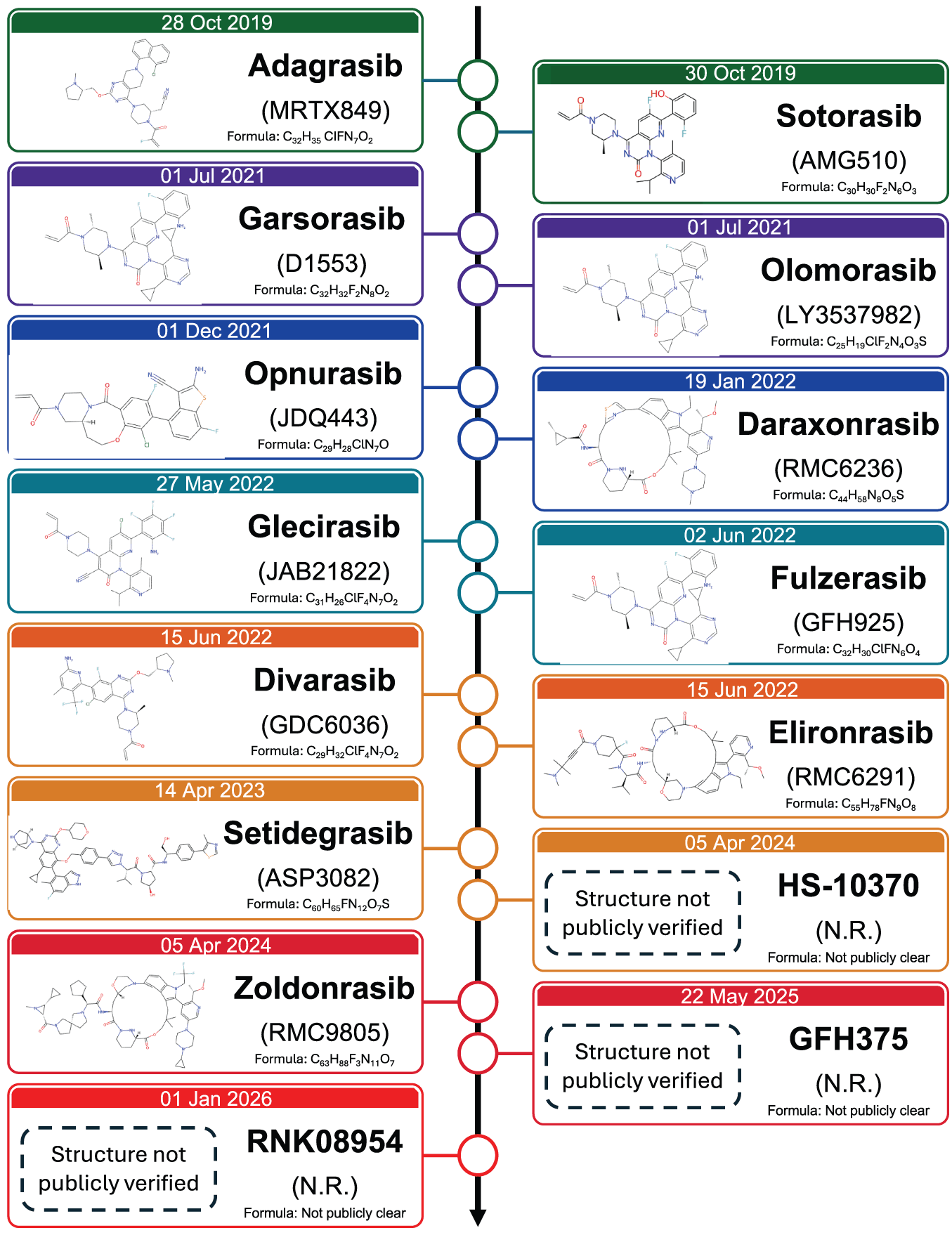
Figure 2. Initial public disclosure timeline of selected RAS-targeting small-molecule agents.
Randomized evidence was provided by CodeBreaK 200, in which sotorasib significantly improved PFS versus docetaxel (median, 5.6 vs 4.5 months; hazard ratio [HR], 0.66) and achieved a higher ORR (28.1% vs 13.2%).35 Although no statistically significant OS difference was observed in the intention-to-treat analysis, this finding should be interpreted cautiously because the trial was designed primarily for PFS, and substantial crossover to sotorasib occurred in the docetaxel group. Consistent with the randomized PFS benefit, recent real-world studies from the United Kingdom and the United States reported lower mortality among patients treated with sotorasib than with docetaxel.36,37 While residual confounding cannot be excluded, these findings support the clinical relevance of sotorasib in routine practice. Patient-reported outcomes from CodeBreaK 200 also favored sotorasib, with lower treatment burden and less symptom worsening than docetaxel while maintaining overall quality of life.35 These findings strengthen the overall benefit–risk profile of sotorasib in the post-platinum setting.
No randomized trial has directly compared sotorasib with adagrasib. Available indirect and real-world analyses suggest broadly similar efficacy, whereas sotorasib may have a more favorable tolerability profile, including fewer treatment-related adverse events and treatment modifications.38,39 Although adagrasib has demonstrated intracranial activity, current comparative evidence does not establish superior efficacy over sotorasib in patients with brain metastases.38,40 Treatment selection should therefore consider CNS disease status, expected toxicity, comorbidities, prior therapy, and drug availability. In the first-line setting, the ongoing phase III CodeBreaK 202 trial is evaluating sotorasib plus platinum-pemetrexed chemotherapy versus pembrolizumab plus platinum-pemetrexed in untreated, advanced nonsquamous KRAS G12C–mutated NSCLC with programmed death-ligand 1 PD-L1–negative tumours.41
Adagrasib
Adagrasib, formerly MRTX849, is an oral covalent KRAS G12C inhibitor with favorable pharmacologic properties, including a long half-life and documented intracranial activity. On December 12, 2022, it received U.S. FDA accelerated approval for adults with KRAS G12C–mutated locally advanced or metastatic NSCLC after at least one prior systemic therapy, based on ORR and DoR in the phase II KRYSTAL-1 cohort.
In KRYSTAL-1, adagrasib showed clinically meaningful activity in this population, with an ORR of 42.9%, a disease control rate (DCR) of 79.5%, a median PFS of 6.5 months, and a median DoR of 8.5 months.42 Its efficacy was further supported by the phase III KRYSTAL-12 trial, in which adagrasib significantly improved PFS compared with docetaxel, with a median PFS of 5.5 versus 3.8 months and an HR of 0.58; the ORR was also higher with adagrasib, at 32% versus 9%. However, OS data were immature at the time of analysis, and no statistically significant OS advantage was demonstrated.43 Ongoing first-line phase III studies are now testing whether adagrasib can be moved earlier in the treatment paradigm: KRYSTAL-7 is evaluating adagrasib plus pembrolizumab versus pembrolizumab alone in KRAS G12C–mutated advanced NSCLC with high PD-L1 expression, while KRYSTAL-4 is assessing adagrasib plus pembrolizumab and platinum-based chemotherapy versus pembrolizumab plus platinum-based chemotherapy in untreated nonsquamous KRAS G12C–mutated advanced NSCLC.44,45
Garsorasib
Garsorasib, also known as D-1553, is an oral, selective, covalent KRAS G12C inhibitor. In a phase I study in Chinese patients with advanced KRAS G12C–mutated NSCLC, garsorasib showed an ORR of 40.5%, a DCR of 91.9%, a median PFS of 8.2 months, and a median DoR of 7.1 months. At the recommended phase II dose of 600 mg twice daily, the ORR was 38.7%, with a median PFS of 7.6 months.46
Garsorasib is currently being evaluated in phase III trials for KRAS G12C–mutated advanced NSCLC, including a randomized study comparing garsorasib to docetaxel after prior standard therapy failure. Another phase III trial is investigating garsorasib in combination with ifebemtinib (IN10018) as a first-line treatment for KRAS G12C–mutated nonsquamous NSCLC.47
Divarasib
Divarasib, also known as GDC-6036, is a highly potent and selective covalent KRAS G12C inhibitor. In a phase I study of patients with KRAS G12C–mutated advanced solid tumors, divarasib demonstrated substantial activity in the NSCLC cohort, with a confirmed ORR of 53.4% and a median PFS of 13.1 months. The safety profile was generally manageable, with predominantly low-grade treatment-related adverse events and infrequent treatment discontinuation.48
Divarasib is under evaluation in randomized late-phase studies in KRAS G12C–mutated NSCLC, including KRASCENDO-1, which compares divarasib with approved KRAS G12C inhibitors in previously treated disease; a BFAST phase II/III cohort comparing divarasib to docetaxel; and KRASCENDO-2, which evaluates divarasib plus pembrolizumab versus pembrolizumab plus platinum/pemetrexed chemotherapy in the first-line nonsquamous setting.49–51
Elironrasib
Elironrasib (RMC-6291) is an orally bioavailable, covalent RAS (ON) G12C-selective tri-complex inhibitor that directly targets the active, GTP-bound KRAS G12C state. In the phase I RMC-6291-001 study, 36 patients with previously treated KRAS G12C–mutated NSCLC received elironrasib 200 mg twice daily, the candidate monotherapy recommended phase II dose. The confirmed ORR was 56% (20/36; 95% confidence interval [CI], 38–72), and the DCR was 94% (34/36; 95% CI, 81–99). The median DoR was 9.8 months (95% CI, 5.4–not estimable), and the median PFS was 10.3 months (95% CI, 6.2–not estimable). Elironrasib was generally well tolerated; grade 3 treatment-related adverse events occurred in 7 patients (19%), with no grade 4 or 5 treatment-related adverse events reported.52 These early single-arm findings support further evaluation of RAS (ON) G12C inhibition in previously treated KRAS G12C–mutated NSCLC.
Fulzerasib
Fulzerasib, also known as GFH925 or IBI351, is an orally administered, covalent, irreversible KRAS G12C inhibitor. In an open-label, single-arm phase II pivotal study in previously treated Chinese patients with advanced KRAS G12C–mutated NSCLC, IBI351 achieved an independent review–confirmed ORR of 49.1% and a DCR of 90.5%. Median PFS was 9.7 months, while OS data remained immature.53 On August 21, 2024, fulzerasib received approval from the National Medical Products Administration of China for adults with advanced KRAS G12C–mutated NSCLC who had received at least one prior systemic therapy.54
Fulzerasib is also being investigated in combination-based first-line strategies. The phase Ib/III NCT05504278 study includes cohorts evaluating fulzerasib with sintilimab, with or without platinum-pemetrexed chemotherapy, in advanced nonsquamous KRAS G12C–mutated NSCLC.55 In addition, the single-arm, multicentre phase Ib/II KROCUS study evaluated fulzerasib 600 mg twice daily plus cetuximab 500 mg/m2 every 2 weeks in previously untreated advanced KRAS G12C–mutated NSCLC. Among 47 treated patients, the confirmed ORR was 69% (90% CI, 56–80), with a DCR of 100%; median PFS was 12.5 months, and median DoR and overall survival were not reached after a median follow-up of 12.8 months.56 These findings provide clinical support for combined KRAS G12C and EGFR blockade as a chemotherapy-free first-line approach, although confirmation in a randomized phase III trial is required before comparison with established chemoimmunotherapy or other KRAS G12C–directed strategies.
Olomorasib
Olomorasib, also known as LY3537982, is a next-generation oral KRAS G12C inhibitor developed to improve target occupancy at low systemic exposure. In the first-in-human phase I/II LOXO-RAS-20001 study, olomorasib 150 mg twice daily was selected as the recommended phase II dose. In KRAS G12C–mutated NSCLC, olomorasib monotherapy showed antitumor activity, including in patients previously treated with KRAS G12C inhibitors. Among efficacy-evaluable KRAS G12C inhibitor–pretreated NSCLC patients, the ORR was 42%, and the median PFS was 8.2 months, with preliminary evidence of intracranial activity in patients with active, untreated brain metastases.57 In the first-line setting, olomorasib has also been evaluated with pembrolizumab in LOXO-RAS-20001 and SUNRAY-01. In an integrated WCLC 2025 analysis of first-line patients from dose-optimization cohorts of these studies, olomorasib plus pembrolizumab produced an ORR of 71%, with a higher ORR of 85% among patients with PD-L1 expression ≥50%, a 6-month PFS rate of 77%, and a median DoR that was not reached.58
Glecirasib
Glecirasib, also known as JAB-21822, is an oral covalent KRAS G12C inhibitor. In a multicenter, single-arm phase IIb study, glecirasib 800 mg once daily produced an independent review–assessed ORR of 47.9% and a DCR of 86.3% in patients with locally advanced or metastatic KRAS G12C–mutated NSCLC. Median PFS was reported as 8.2 months, and the safety profile was manageable.59 Glecirasib is also being investigated in the first-line setting in the randomized phase III NCT06416410 trial, which compares glecirasib plus the SHP2 inhibitor sitneprotafib/JAB-3312 to tislelizumab plus pemetrexed and carboplatin in patients with advanced KRAS G12C–mutated nonsquamous NSCLC.60
HS-10370
HS-10370 is a selective, covalent, orally bioavailable KRAS G12C inhibitor. In updated phase I data, HS-10370 showed promising activity in KRAS G12C–mutated advanced solid tumors. Among efficacy-evaluable patients with NSCLC, the confirmed ORR was 54.2%, the DCR was 93.8%, the median DoR was 13.5 months, and the median PFS was 11.3 months. No grade 4 or 5 treatment-related adverse events were reported.61
JDQ443
JDQ443 is a structurally novel, selective KRAS G12C inhibitor that traps KRAS G12C in its inactive, GDP-bound state. In KontRASt-01, JDQ443 demonstrated preliminary antitumor activity in KRAS G12C–mutated NSCLC, with a confirmed ORR of 57.1% and a DCR of 92.9% at the recommended 200 mg twice daily dose, and no grade 4 or 5 treatment-related adverse events were reported.62 The randomized phase III KontRASt-02 trial is evaluating JDQ443 versus docetaxel in previously treated KRAS G12C–mutated advanced NSCLC after platinum-based chemotherapy and immune checkpoint inhibitor therapy.63
Emerging Non–G12C KRAS-Targeted Agents
Setidegrasib
Setidegrasib, also known as ASP3082, is a first-in-class KRAS G12D–targeted protein degrader. Unlike KRAS G12C inhibitors, it targets KRAS G12D through proteolysis-targeting chimera–mediated degradation. In a phase I study, setidegrasib 600 mg once weekly was selected as the phase II dose; among 45 patients with KRAS G12D–mutated NSCLC treated at this dose, the ORR was 36%, all of which were partial responses, the median PFS was 8.3 months, and the estimated 12-month OS was 59%.64 Based on the promising phase I activity, setidegrasib is being further evaluated in the phase III NCT07566052 trial, which compares setidegrasib to docetaxel in previously treated patients with locally advanced or metastatic KRAS G12D–mutated NSCLC.65
Zoldonrasib
Zoldonrasib (RMC-9805) is an oral, RAS (ON) G12D-selective tri-complex inhibitor that targets the active, GTP-bound KRAS G12D state. In the phase I RMC-9805-001 study, 40 patients with previously treated KRAS G12D–mutated NSCLC who received zoldonrasib 1200 mg once daily were evaluable for safety.66 Among 27 response-evaluable patients previously treated with platinum-based chemotherapy and immune checkpoint inhibition, without prior docetaxel exposure, the confirmed ORR was 52% (14/27), with a DCR of 93% (25/27). The median PFS was 11.1 months, whereas the median DoR was not reached. Treatment-related adverse events occurred in 90% of patients; grade 3 treatment-related adverse events occurred in 13%, with no grade 4 or 5 treatment-related adverse events reported.66 These preliminary results support continued development of zoldonrasib as monotherapy and in rational combination strategies for KRAS G12D–mutated NSCLC.
RNK08954
RNK08954 is an orally bioavailable, noncovalent, selective KRAS G12D inhibitor with tumor-accumulating pharmacokinetic properties. In the initial phase Ia study, RNK08954 showed preliminary activity in KRAS G12D–-mutated NSCLC, with an unconfirmed ORR of 58.3% among 12 response-evaluable patients.67 In a subsequent update of the ongoing phase I study, 39 response-evaluable patients with advanced KRAS G12D–mutated NSCLC achieved an ORR of 38.5% (15/39; 95% CI, 23.4–55.4) and a DCR of 94.9% (37/39). Median DoR and median PFS were not yet mature. Grade ≥3 treatment-related adverse events occurred in 23.4% of the NSCLC safety population, predominantly gastrointestinal toxicities.68 These findings provide early clinical support for direct KRAS G12D inhibition, although longer follow-up and prospective comparative studies are required.
GFH375
GFH375, also known as VS-7375 outside China, is an orally administered KRAS G12D inhibitor designed to inhibit both active and inactive KRAS G12D conformations. In an ongoing phase I/II study, 28 patients with advanced KRAS G12D–-mutated NSCLC were treated with GFH375. Among 26 efficacy-evaluable patients across dose levels, the ORR was 57.7% (15/26) and the DCR was 88.5% (23/26). At the recommended phase II dose of 600 mg once daily, the ORR was 68.8% (11/16) and the DCR was 93.8% (15/16). Median PFS and DoR were not reported at the time of analysis.69 Although these results are encouraging, the evidence remains preliminary because the data derive from an early-phase, non-randomized study.
Daraxonrasib
Daraxonrasib, also known as RMC-6236, represents a distinct strategy compared with inactive, GDP-bound KRAS G12C inhibitors. It is an oral, noncovalent RAS (ON) multi-selective tri-complex inhibitor that targets active GTP-bound RAS through a cyclophilin A–drug–RAS complex, thereby blocking effector binding and suppressing downstream RAS signaling across multiple mutant and wild-type RAS isoforms.70
Early clinical data support its activity in RAS-mutant NSCLC. In the ongoing phase I RMC-6236-001 study, daraxonrasib at 120–220 mg daily demonstrated manageable safety and preliminary efficacy in patients with NSCLC. Among 40 patients with previously treated RAS G12X–mutant NSCLC, daraxonrasib produced a confirmed ORR of 38%, a median DoR of 15.1 months, a median PFS of 9.8 months, and a median OS of 17.7 months. Grade ≥3 treatment-related adverse events were uncommon and included rash, vomiting, and anemia, with no grade 4 or 5 treatment-related events reported.71 Daraxonrasib has advanced into randomized phase III evaluation. RASolve 301 is comparing daraxonrasib to docetaxel in previously treated, locally advanced or metastatic RAS-mutant NSCLC, providing a chemotherapy-controlled development pathway similar to prior late-line KRAS inhibitor trials.72
Limitations of KRAS-Directed Agents
Despite major progress in targeting KRAS in NSCLC, several limitations continue to restrict the clinical impact of KRAS-directed therapy. Although approved KRAS G12C inhibitors and emerging KRAS-directed agents have expanded treatment options, limited durability, acquired resistance, CNS disease, and toxicity remain unresolved challenges.
Limited Durability
Sotorasib and adagrasib have established KRAS G12C as an actionable target in previously treated NSCLC, but the durability of single-agent inhibition remains limited. Randomized trials have shown modest PFS benefits over docetaxel without a consistent OS advantage. Next-generation KRAS G12C inhibitors have shown encouraging early activity, but randomized data and longer follow-up are needed to determine whether they improve survival, tolerability, CNS activity, or resistance profiles.48,57
Acquired resistance is a major driver of limited durability with KRAS-directed therapy and is biologically heterogeneous. Resistance mechanisms can be broadly organized into several categories. On-target mechanisms include secondary KRAS mutations that interfere with inhibitor binding, KRAS G12C amplification, and compound or convergent KRAS alterations that restore mutant KRAS signaling. Upstream or bypass activation may occur through receptor tyrosine kinases such as EGFR, MET, HER2, or FGFR, as well as through SHP2- or SOS1-mediated reactivation of RAS signaling. Downstream pathway reactivation involves restoration of RAF–MEK–ERK signaling or activation of parallel PI3K–AKT–mTOR pathways. Phenotypic mechanisms include epithelial-to-mesenchymal transition and histologic transformation, whereas microenvironmental and adaptive feedback mechanisms involve immune escape and adaptive receptor tyrosine kinase feedback.29 This mechanistic diversity has direct therapeutic implications. Receptor tyrosine kinase–mediated bypass supports combinations with EGFR, MET, SHP2, or SOS1 inhibitors; downstream reactivation provides a rationale for mitogen-activated protein kinase (MAPK) or phosphoinositide 3-kinase (PI3K) pathway combinations; and heterogeneous or polyclonal resistance supports the use of serial tissue and/or plasma-based molecular profiling to guide subsequent therapy.73 However, combination strategies require careful optimization of dose, sequencing, toxicity, and biomarker selection, particularly in patients previously exposed to immune checkpoint inhibitors.
CNS Disease
Brain metastases are common in advanced NSCLC and remain an important site of treatment failure. Patients with active or untreated CNS disease have often been underrepresented in KRAS-targeted therapy trials, leaving intracranial efficacy incompletely defined for many agents.74 Adagrasib has shown prospective intracranial activity in KRAS G12C–mutated NSCLC, and selected next-generation inhibitors are being evaluated in this setting.75 Future trials should prospectively include patients with active CNS disease and consistently report intracranial response, CNS PFS, and CNS relapse patterns.
Toxicity
KRAS-directed agents are generally manageable, but hepatotoxicity, gastrointestinal toxicity, fatigue, anemia, and laboratory abnormalities may affect adherence, dose intensity, and treatment duration.33 Hepatotoxicity is particularly relevant after prior immune checkpoint inhibitor exposure and may complicate sequencing or combination therapy.76
Emerging KRAS-Targeted Therapeutic Strategies
The approval of sotorasib and adagrasib established direct KRAS inhibition as a clinically actionable strategy in NSCLC,30,31 but current approved agents remain limited to KRAS G12C–mutated disease and are constrained by incomplete response durability, acquired resistance, variable intracranial activity, and biological heterogeneity.77 Emerging KRAS-directed development therefore aims to broaden allelic coverage, deepen and prolong responses, and overcome adaptive resistance through active-state and pan-RAS inhibition, non–G12C allele-selective targeting, targeted KRAS degradation, rational combinations, and KRAS-directed immunotherapy.
Active-State and Pan-RAS Inhibition
Active-state RAS inhibitors target the GTP-bound signaling conformation of RAS, in contrast to approved KRAS G12C inhibitors that bind the inactive GDP-bound state.78 This strategy may suppress signaling across multiple KRAS alleles and other RAS isoforms, potentially extending therapeutic activity beyond G12C-mutant tumors. Multi-selective RAS (ON) inhibitors, such as daraxonrasib, exemplify this broader platform, although detailed efficacy and safety data are discussed in greater detail in agent-specific sections.70
Mutation-Selective Targeting of Non-G12C Alleles
Allele-selective inhibitors are also being developed for non–G12C KRAS variants, particularly KRAS G12D, which is common across solid tumors and lacks the reactive cysteine residue exploited by covalent G12C inhibitors.79 Related efforts targeting G12V and other codon 12, 13, or 61 substitutions reflect a shift toward allele-defined KRAS precision therapy.9 In NSCLC, key questions include lung cancer–specific efficacy, the influence of co-mutations such as TP53, STK11, and KEAP1, and optimal sequencing with immunotherapy and chemotherapy.80
Targeted KRAS Degradation
Targeted KRAS degradation provides an alternative to occupancy-based inhibition by eliminating mutant KRAS protein rather than blocking a binding pocket.81 This approach may be useful for alleles that are difficult to inhibit with conventional small molecules or tumors requiring sustained pathway suppression. KRAS G12D–directed degraders, including setidegrasib, illustrate this strategy; future studies should clarify durability, resistance mechanisms, allele selectivity, and tolerability in defined NSCLC populations.82
Resistance-Informed Combination Strategies
Combination therapy is being pursued to enhance response depth, delay acquired resistance, and suppress adaptive pathway reactivation. Potential partners include immune checkpoint inhibitors, chemotherapy, EGFR-directed therapy, SHP2 inhibitors, SOS1 inhibitors, and downstream MAPK pathway inhibitors.73 Because overlapping dermatologic, gastrointestinal, hepatic, and hematologic toxicities may limit feasibility, future development should prioritize rational dosing, sequencing, biomarker selection, serial molecular profiling, and resistance-informed trial designs.
KRAS-Directed Immunotherapy and Vaccines
KRAS-directed immunotherapy remains investigational in NSCLC. Vaccine and cellular strategies aim to induce immune recognition of shared KRAS neoantigens or patient-specific mutant peptides and may be most relevant in minimal residual disease, postoperative recurrence prevention, maintenance therapy, or combination with immune checkpoint blockade.83 Although development has advanced mainly in pancreatic and colorectal cancers, these approaches may become applicable to molecularly selected NSCLC if sufficient immunogenicity, allele coverage, and clinical benefit are demonstrated.84
Conclusion
Direct KRAS inhibition has transformed KRAS G12C–mutated NSCLC from a historically intractable subtype into a targetable disease. Sotorasib and adagrasib provide clinically meaningful options following prior systemic therapy, but the benefit of current monotherapy remains limited by modest PFS improvement, uncertain OS advantage, acquired resistance, toxicity, and incomplete CNS control. KRAS-mutant NSCLC should not be regarded as a single biological entity. Treatment selection should incorporate the KRAS allele, co-occurring alterations such as TP53, STK11, and KEAP1, prior immunotherapy exposure, CNS status, and mechanisms of resistance. Broad next-generation sequencing is therefore essential for individualized care and trial enrollment. Next-generation KRAS strategies, including more potent G12C inhibitors, RAS (ON) inhibitors, pan-RAS approaches, KRAS G12D inhibitors and degraders, and KRAS-directed vaccines, may broaden precision therapy beyond G12C disease.
Acknowledgment
Not applicable.
Funding
This work received a research grant from the Japan Geriatrics Society (2571000005).
Author Contributions
H.C. drafted the initial manuscript. K.E., Y.K., M.S., and K.S. identified the data and contributed to the revision process. All authors have read and approved the final manuscript and agree with its content and data.
Data Availability Statement
The raw data are available from the corresponding author upon reasonable request and after consultation.
Generative AI Declaration
During the preparation of this manuscript, ChatGPT was used for proofreading assistance. All content was subsequently reviewed and edited by the author, who assumes full responsibility for the accuracy and integrity of the published work.
Ethical Statement
This article did not involve the participation of animals.
Conflict of Interest
The authors declare no conflicts of interest.
References
[1] Bray F, Laversanne M, Sung H, et al. Global cancer statistics 2022: GLOBOCAN estimates of incidence and mortality worldwide for 36 cancers in 185 countries. CA: A Cancer J Clin. May 1, 2024;74(3):229–263. doi:10.3322/caac.21834.
[2] Siegel RL, Kratzer TB, Wagle NS, Sung H, Jemal A. Cancer statistics, 2026. CA Cancer J Clin. January–February 2026;76(1):e70043. doi:10.3322/caac.70043.
[3] Zhou Q, Zhao H, Lu S, et al. Consensus on the lung cancer management after third-generation EGFR-TKI resistance. Lancet Reg Health West Pac. December 2024;53:101260. doi:10.1016/j.lanwpc.2024.101260.
[4] Gou Q, Gou Q, Gan X, Xie Y. Novel therapeutic strategies for rare mutations in non-small cell lung cancer. Sci Rep. May 5, 2024;14(1):10317. doi:10.1038/s41598-024-61087-2.
[5] Cascetta P, Marinello A, Lazzari C, et al. KRAS in NSCLC: state of the art and future perspectives. Cancers (Basel). November 4, 2022;14(21):5430. doi:10.3390/cancers14215430.
[6] Judd J, Abdel Karim N, Khan H, et al. Characterization of KRAS mutation subtypes in non-small cell lung cancer. Mol Cancer Ther. December 2021;20(12):2577–2584. doi:10.1158/1535-7163.Mct-21-0201.
[7] Yang X, Wu H. RAS signaling in carcinogenesis, cancer therapy and resistance mechanisms. J Hematol Oncol. November 09, 2024;17(1):108. doi:10.1186/s13045-024-01631-9.
[8] Whitley MJ, Tran TH, Rigby M, et al. Comparative analysis of KRAS4a and KRAS4b splice variants reveals distinctive structural and functional properties. Sci Adv. 2024;10(7):eadj4137. doi:10.1126/sciadv.adj4137.
[9] Huang L, Guo Z, Wang F, Fu L. KRAS mutation: from undruggable to druggable in cancer. Signal Transduct Target Therapy. November 15, 2021;6(1):386. doi:10.1038/s41392-021-00780-4.
[10] Hildebrandt ER, Hussain SA, Sieburg MA, et al. Targeted genetic and small molecule disruption of N-Ras CaaX cleavage alters its localization and oncogenic potential. Bioorg Chem. June 01, 2024;147:107316. doi:10.1016/j.bioorg.2024.107316.
[11] Parikh K, Banna G, Liu SV, et al. Drugging KRAS: current perspectives and state-of-art review. J Hematol Oncol. October 25, 2022;15(1):152. doi:10.1186/s13045-022-01375-4.
[12] Navarro-Jiménez M, González B, Mulet N, Hierro C, Alonso S. KRAS-targeted therapies in colorectal cancer: a systematic analysis of mutations, inhibitors, and clinical trials. npj Precis Oncol. November 26, 2025;9(1):380. doi:10.1038/s41698-025-01166-3.
[13] Song LF, Rabara D, Bali SK, et al. How KRAS mutations impair intrinsic GTP hydrolysis: experimental and computational investigations. J Chem Inf Model. December 8, 2025;65(23):12822–12833. doi:10.1021/acs.jcim.5c02061.
[14] Koga T, Suda K, Fujino T, et al. KRAS secondary mutations that confer acquired resistance to KRAS G12C inhibitors, sotorasib and adagrasib, and overcoming strategies: insights from in vitro experiments. J Thorac Oncol. August 2021;16(8):1321–1332. doi:10.1016/j.jtho.2021.04.015.
[15] Zhu C, Guan X, Zhang X, et al. Targeting KRAS mutant cancers: from druggable therapy to drug resistance. Molecular Cancer. August 04, 2022;21(1):159. doi:10.1186/s12943-022-01629-2.
[16] Kwan AK, Piazza GA, Keeton AB, Leite CA. The path to the clinic: a comprehensive review on direct KRAS (G12C) inhibitors. J Exp Clin Cancer Res. January 19, 2022;41(1):27. doi:10.1186/s13046-021-02225-w.
[17] Ostrem JM, Peters U, Sos ML, Wells JA, Shokat KM. K-Ras (G12C) inhibitors allosterically control GTP affinity and effector interactions. Nature. November 28, 2013;503(7477):548–551. doi:10.1038/nature12796.
[18] Frisch A, Martin E, Kim SY, Riess JW, Sen T, Karim N. KRAS mutated NSCLC: past, present, and future directions in a rapidly evolving landscape. Oncologist. June 4, 2025;30(6):12. doi:10.1093/oncolo/oyaf153.
[19] Loong HH, Du N, Cheng C, et al. KRAS G12C mutations in Asia: a landscape analysis of 11,951 Chinese tumor samples. Transl Lung Cancer Res. October 2020;9(5):1759–1769. doi:10.21037/tlcr-20-455.
[20] Lim TKH, Skoulidis F, Kerr KM, et al. KRAS G12C in advanced NSCLC: prevalence, co-mutations, and testing. Lung Cancer. October 01, 2023;184:107293. doi:10.1016/j.lungcan.2023.107293.
[21] Gu G, Liu C, Zhu X, et al. Clinical characteristics of KRAS mutation subtypes in non-small cell lung cancer population in Xinjiang, China, and their impact on the prognosis of immunotherapy. J Cancer Res Clin Oncol. September 01, 2024;150(9):413. doi:10.1007/s00432-024-05932-x.
[22] Lim JU, Negrao MV, Hong DS. Optimizing KRAS therapeutics for non-small cell lung cancer. Annu Rev Med. January 2026;77(1):193–205. doi:10.1146/annurev-med-043024-115849.
[23] Scheffler M, Ihle MA, Hein R, et al. K-ras mutation subtypes in NSCLC and associated co-occuring mutations in other oncogenic pathways. J Thoracic Oncol. 2019;14(4):606–616. doi:10.1016/j.jtho.2018.12.013.
[24] Knetki-Wróblewska M, Wojas-Krawczyk K, Krawczyk P, Krzakowski M. Emerging insights into STK11, KEAP1 and KRAS mutations: implications for immunotherapy in patients with advanced non-small cell lung cancer. Transl Lung Cancer Res. 2024;13(12):3718–3730. doi:10.21037/tlcr-24-552.
[25] Gu M, Xu T, Chang P. KRAS/LKB1 and KRAS/TP53 co-mutations create divergent immune signatures in lung adenocarcinomas. Ther Adv Med Oncol. 2021;13:17588359211006950. doi:10.1177/17588359211006950.
[26] Scalera S, Mazzotta M, Cortile C, et al. KEAP1-Mutant NSCLC: the catastrophic failure of a cell-protecting hub. J Thoracic Oncol. June 01, 2022;17(6):751–757. doi:10.1016/j.jtho.2022.03.011.
[27] Siringo M, Larocca F, Spagnuolo A, et al. Co-occurrence of ALK rearrangement and KRAS G12C mutation in NSCLC: report of two cases. Current Problems Cancer: Case Rep. June 01, 2024;14:100291. doi:10.1016/j.cpccr.2024.100291.
[28] Schmid S, Gautschi O, Rothschild S, et al. Clinical outcome of ALK-positive non-small cell lung cancer (NSCLC) patients with De Novo EGFR or KRAS co-mutations receiving tyrosine kinase inhibitors (TKIs). J Thorac Oncol. April 2017;12(4):681–688. doi:10.1016/j.jtho.2016.12.003.
[29] Awad MM, Liu S, Rybkin II, et al. Acquired resistance to KRASG12C inhibition in cancer. N Engl J Med. June 24, 2021;384(25):2382–2393. doi:10.1056/NEJMoa2105281.
[30] Nakajima EC, Drezner N, Li X, et al. FDA approval summary: sotorasib for KRAS G12C-mutated metastatic NSCLC. Clin Cancer Res. April 14, 2022;14(8):1482–1486. doi:10.1158/1078-0432.Ccr-21-3074.
[31] Dhillon S. Adagrasib: first approval. Drugs. 2023;83(3):275–285. doi:10.1007/s40265-023-01839-y.
[32] U.S. Food and Drug Administration. Treatment of adult patients with KRAS G12C-mutated locally advanced or metastatic non-small cell lung cancer (NSCLC), as determined by an FDA-approved test, who have received at least one prior systemic therapy. Published 2021. Accessed April 20 2026. https://www.fda.gov/drugs/resources-information-approved-drugs/ongoing-cancer-accelerated-approvals.
[33] Hong DS, Fakih MG, Strickler JH, et al. KRAS (G12C) inhibition with sotorasib in advanced solid tumors. N Engl J Med. September 24, 2020;383(13):1207–1217. doi:10.1056/NEJMoa1917239.
[34] Dy GK, Govindan R, Velcheti V, et al. Long-term outcomes and molecular correlates of sotorasib efficacy in patients with pretreated KRAS G12C-mutated non-small-cell lung cancer: 2-year analysis of CodeBreaK 100. J Clin Oncol. June 20, 2023;41(18):3311–3317. doi:10.1200/jco.22.02524.
[35] Waterhouse DM, Rothschild S, Dooms C, et al. Patient-reported outcomes in CodeBreaK 200: sotorasib versus docetaxel for previously treated advanced NSCLC with KRAS G12C mutation. Lung Cancer. October 01, 2024;196:107921. doi:10.1016/j.lungcan.2024.107921.
[36] Johnson M, Younan D, Kent ST, et al. Real-world comparative effectiveness of sotorasib versus docetaxel in second line and beyond among patients with advanced non-small cell lung cancer (NSCLC). Lung Cancer. November 2024;197:107960. doi:10.1016/j.lungcan.2024.107960.
[37] Karim N, Arnold K, Summers Y, et al. Real-world comparative effectiveness of sotorasib versus docetaxel monotherapy in second line and beyond for advanced or metastatic non-small cell lung cancer: a national database analysis from England. Lung Cancer. July 01, 2026;217:109469. doi:10.1016/j.lungcan.2026.109469.
[38] Chopra D, Lan Z, Waterhouse DM, et al. Matching-adjusted indirect comparison of sotorasib versus adagrasib in previously treated advanced/metastatic non-small cell lung cancer harboring KRAS G12C mutation. Adv Ther. September 2025;42(9):4300–4317. doi:10.1007/s12325-025-03259-8.
[39] Barsouk A, Yaskolko M, Sussman JH, et al. Sotorasib vs adagrasib in the 2L+ setting: outcomes in a large, multi-institutional, real-world database of KRAS-G12C mutated mNSCLC. J Clin Oncol. June 01, 2026;44(16_suppl):8608. doi:10.1200/JCO.2026.44.16_suppl.8608.
[40] Dingemans AC, Syrigos K, Livi L, et al. Intracranial activity of sotorasib vs docetaxel in pretreated KRAS G12C-mutated advanced non-small cell lung cancer from a global, phase 3, randomized controlled trial. Lung Cancer. September 2025;207:108683. doi:10.1016/j.lungcan.2025.108683.
[41] A phase 3, multicenter, randomized, open-label study evaluating the efficacy of sotorasib plus platinum-doublet chemotherapy versus pembrolizumab plus platinum-doublet chemotherapy as first-line therapy in participants with stage IV or advanced stage IIIB/C nonsquamous non–small cell lung cancer that is negative for PD-L1 and positive for KRAS p.G12C (CodeBreaK 202). ClinicalTrials.gov identifier: NCT05920356. Posted June 27, 2023. Accessed June 20, 2026. https://clinicaltrials.gov/study/NCT05920356.
[42] Jänne PA, Riely GJ, Gadgeel SM, et al. Adagrasib in non-small-cell lung cancer harboring a KRAS (G12C) mutation. N Engl J Med. July 14, 2022;387(2):120–131. doi:10.1056/NEJMoa2204619.
[43] Barlesi F, Yao W, Duruisseaux M, et al. Adagrasib versus docetaxel in KRAS (G12C)-mutated non-small-cell lung cancer (KRYSTAL-12): a randomised, open-label, phase 3 trial. Lancet. August 9, 2025;406(10503):615–626. doi:10.1016/s0140-6736(25)00866-9.
[44] A phase 2 trial of adagrasib monotherapy and in combination with pembrolizumab and a phase 3 trial of adagrasib in combination with pembrolizumab versus pembrolizumab in patients with advanced non–small cell lung cancer with a KRAS G12C mutation. ClinicalTrials.gov identifier: NCT04613596. Posted November 3, 2020. Accessed June 20, 2026. https://clinicaltrials.gov/study/NCT04613596.
[45] A randomized, double-blind, phase 3 trial of adagrasib plus pembrolizumab plus chemotherapy versus placebo plus pembrolizumab plus chemotherapy in participants with previously untreated, locally advanced or metastatic nonsquamous non–small cell lung cancer with a KRAS G12C mutation (KRYSTAL-4). ClinicalTrials.gov identifier: NCT06875310. Posted March 13, 2025. Accessed June 20, 2026. https://clinicaltrials.gov/study/NCT06875310.
[46] Li Z, Song Z, Zhao Y, et al. D-1553 (Garsorasib), a potent and selective inhibitor of KRAS (G12C) in patients with NSCLC: phase 1 study results. J Thorac Oncol. July 2023;18(7):940–951. doi:10.1016/j.jtho.2023.03.015.
[47] A randomized, controlled, double-blind, double-dummy, multicenter phase 3 clinical study evaluating D-1553 tablets versus docetaxel injection for KRAS G12C mutation–positive locally advanced or metastatic non–small cell lung cancer after failure of prior standard therapy. ClinicalTrials.gov identifier: NCT06300177. Posted March 8, 2024. Accessed June 20, 2026. https://clinicaltrials.gov/study/NCT06300177.
[48] Sacher A, LoRusso P, Patel MR, et al. Single-agent divarasib (GDC-6036) in solid tumors with a KRAS G12C mutation. N Engl J Med. August 24, 2023;389(8):710–721. doi:10.1056/NEJMoa2303810.
[49] A phase 2/3 multicenter study evaluating the efficacy and safety of multiple targeted therapies as treatments for patients with advanced or metastatic non–small cell lung cancer harboring actionable somatic mutations detected in blood (B-FAST: Blood-First Assay Screening Trial). ClinicalTrials.gov identifier: NCT03178552. Posted June 13, 2017. Accessed June 20, 2026. https://clinicaltrials.gov/study/NCT03178552.
[50] A phase 3, randomized, open-label study evaluating the efficacy and safety of divarasib and pembrolizumab versus pembrolizumab, pemetrexed, and carboplatin or cisplatin in participants with previously untreated, KRAS G12C-mutated, advanced or metastatic nonsquamous non–small cell lung cancer (Krascendo 2). ClinicalTrials.gov identifier: NCT06793215. Posted January 27, 2025. Accessed June 20, 2026. https://clinicaltrials.gov/study/NCT06793215.
[51] A phase 3, randomized, open-label, multicenter study evaluating the efficacy and safety of divarasib versus sotorasib or adagrasib in patients with previously treated KRAS G12C-positive advanced or metastatic non–small cell lung cancer. ClinicalTrials.gov identifier: NCT06497556. Posted July 11, 2024. Accessed June 20, 2026. https://clinicaltrials.gov/study/NCT06497556.
[52] Tan DSW, Pons-Tostivint E, Amatu A, et al. Safety and efficacy of elironrasib, a RAS (ON) G12C-selective inhibitor, in previously treated patients with KRAS G12C NSCLC. Annals Oncol. 2025;36:S2112–S2113. doi:10.1016/j.annonc.2025.10.689.
[53] Zhou Q, Meng X, Sun L, et al. Efficacy and safety of KRAS G12C inhibitor IBI351 monotherapy in patients with advanced NSCLC: results from a phase 2 pivotal study. J Thoracic Oncol. December 01, 2024;19(12):1630–1639. doi:10.1016/j.jtho.2024.08.005.
[54] Lamb YN. Fulzerasib: first approval. Drugs. December 01, 2024;84(12):1665–1671. doi:10.1007/s40265-024-02120-6.
[55] An open-label, multicenter phase 1b/3 study evaluating the efficacy and safety of IBI351 in combination with chemotherapy in participants with advanced or metastatic nonsquamous non–small cell lung cancer with a KRAS G12C mutation. ClinicalTrials.gov identifier: NCT05504278. Posted August 11, 2022. Accessed June 20, 2026. https://clinicaltrials.gov/study/NCT05504278.
[56] Gregorc V, Majem M, Lo Russo G, et al. Fulzerasib plus cetuximab in first-line KRASG12C-mutated non-small-cell lung cancer (KROCUS): a single-arm, multicentre, phase 1b/2 trial. Lancet Oncol. April 01, 2026;27(4):432–441. doi:10.1016/S1470-2045(25)00764-8.
[57] Murciano-Goroff YR, Hollebecque A, Heist RS, et al. Pan-tumor activity of olomorasib, a next-generation KRAS G12C inhibitor in KRAS G12C-mutant advanced solid tumors: a first-in-human study. Nat Commun. March 12, 2026;17(1):3834. doi:10.1038/s41467-026-69943-7.
[58] Johnson ML, Mateos LL, Yamada T, et al. MA02.06 efficacy and safety of 1L olomorasib plus pembrolizumab in KRAS G12C-mutant NSCLC: results from LOXO-RAS-20001 and SUNRAY-01. J Thoracic Oncol. October 01, 2025;20(10, Supplement 1):S59. doi:10.1016/j.jtho.2025.09.109.
[59] Shi Y, Fang J, Xing L, et al. Glecirasib in KRAS (G12C)-mutated nonsmall-cell lung cancer: a phase 2b trial. Nat Med. March 2025;31(3):894–900. doi:10.1038/s41591-024-03401-z.
[60] An open-label, randomized, active-controlled, multicenter phase 3 clinical study evaluating JAB-21822 plus JAB-3312 versus tislelizumab plus pemetrexed and carboplatin as first-line treatment for advanced nonsquamous non–small cell lung cancer with a KRAS p.G12C mutation. ClinicalTrials.gov identifier: NCT06416410. Posted May 16, 2024. Accessed June 20, 2026. https://clinicaltrials.gov/study/NCT06416410.
[61] Meng X, Zhang Y, Wang Y, et al. Safety and efficacy of HS-10370 in KRAS G12C-mutated advanced solid tumors: updated results from phase 1 study. Cancer Res. 2025;85(8_Supplement_2):CT138. doi:10.1158/1538-7445.AM2025-CT138.
[62] Cassier PA, Dooms CA, Gazzah A, et al. KontRASt-01 update: safety and efficacy of JDQ443 in KRAS G12C-mutated solid tumors including non-small cell lung cancer (NSCLC). J Clin Oncol. June 01, 2023;41(16_suppl):9007. doi:10.1200/JCO.2023.41.16_suppl.9007.
[63] A randomized, open-label, phase 3 study of setidegrasib (ASP3082) versus docetaxel in participants with KRAS G12D-mutated locally advanced (unresectable) or metastatic non–small cell lung cancer who have progressed on or after platinum-based chemotherapy and checkpoint inhibitor therapy. ClinicalTrials.gov identifier: NCT07566052. Posted May 4, 2026. Accessed June 20, 2026. https://clinicaltrials.gov/study/NCT07566052.
[64] Park W, Kasi A, Spira AI, et al. Setidegrasib in advanced non-small-cell lung cancer and pancreatic cancer. N Engl J Med. April 9, 2026;394(14):1409–1420. doi:10.1056/NEJMoa2600752.
[65] A randomized, controlled, open-label, phase 3 study evaluating the efficacy and safety of JDQ443 versus docetaxel in previously treated subjects with locally advanced or metastatic KRAS G12C-mutant non–small cell lung cancer. ClinicalTrials.gov identifier: NCT05132075. Posted November 24, 2021. Accessed June 20, 2026. https://clinicaltrials.gov/study/NCT05132075.
[66] Riess J, Haura EB, Yaeger R, et al. Preliminary safety and clinical activity of zoldonrasib (RMC-9805), an oral, RAS (ON) G12D-selective, tri-complex inhibitor in patients with previously treated KRAS G12D non-small cell lung cancer (NSCLC). Cancer Research. 2026;86(8_Supplement):CT021. doi:10.1158/1538-7445.AM2026-CT021.
[67] Xie L, Xu C, Si H, et al. Preclinical characterization and clinical activity of RNK08954, a highly selective and orally bioavailable KRASG12D inhibitor. Cancer Discov. May 1, 2026;16(5):895–910. doi:10.1158/2159-8290.Cd-25-1346.
[68] Song Z, Chu T, Yunjian H, et al. Clinical activity and safety of RNK08954 in advanced non–small cell lung cancer (NSCLC) patients with KRAS G12D mutation (NCT06667544). J Clin Oncol. June 01, 2026;44(16_suppl):3006. doi:10.1200/JCO.2026.44.16_suppl.3006.
[69] Lu S, Li Z, Ai X, et al. Efficacy and safety of GFH375 in advanced non-small cell lung cancer patients with KRAS G12D mutation. J Thoracic Oncol. October 01, 2025;20(10, Supplement 1):S59–S60. doi:10.1016/j.jtho.2025.09.110.
[70] Jiang J, Jiang L, Maldonato BJ, et al. Translational and therapeutic evaluation of RAS-GTP inhibition by RMC-6236 in RAS-driven cancers. Cancer Discov. 2024;14(6):994–1017. doi:10.1158/2159-8290.CD-24-0027.
[71] Phase 3 multicenter, open-label, randomized study of RMC-6236 versus docetaxel in patients with previously treated locally advanced or metastatic RAS-mutated non–small cell lung cancer. ClinicalTrials.gov identifier: NCT06881784. First posted March 18, 2025. Accessed July 12, 2026. https://clinicaltrials.gov/study/NCT06881784.
[72] Skoulidis F, Arbour KC, Popat S, et al. RAsolve 301: a phase 3 study of daraxonrasib (RMC-6236) Vs. docetaxel in in patients with previously treated RAS mutant NSCLC. J Thoracic Oncol. 2025;20(10):S573–S574. doi:10.1016/j.jtho.2025.09.1080.
[73] Miyashita H, Kato S, Hong DS. KRAS G12C inhibitor combination therapies: current evidence and challenge. Front Oncol. 2024;14:1380584. doi:10.3389/fonc.2024.1380584.
[74] Ramalingam S, Skoulidis F, Govindan R, et al. Efficacy of sotorasib in KRAS G12C-mutated NSCLC with stable brain metastases: a post-hoc analysis of CodeBreaK 100. J Thoracic Oncol. 2021;16(10):S1123. doi:10.1016/j.jtho.2021.08.547.
[75] Negrao MV, Spira AI, Heist RS, et al. Intracranial efficacy of adagrasib in patients from the KRYSTAL-1 trial with KRAS (G12C)-mutated non-small-cell lung cancer who have untreated CNS metastases. J Clin Oncol. October 1, 2023;41(28):4472–4477. doi:10.1200/jco.23.00046.
[76] Desai A, Rakshit S, Bansal R, et al. Time from immune checkpoint inhibitor to sotorasib use correlates with risk of hepatotoxicity in non-small cell lung cancer: a brief report. Cancer Treat Res Commun. 2023;36:100743. doi:10.1016/j.ctarc.2023.100743.
[77] Mondal K, Posa MK, Shenoy RP, Roychoudhury S. KRAS mutation subtypes and their association with other driver mutations in oncogenic pathways. Cells. July 19, 2024;13(14):1221. doi:10.3390/cells13141221.
[78] Holderfield M, Lee BJ, Jiang J, et al. Concurrent inhibition of oncogenic and wild-type RAS-GTP for cancer therapy. Nature. May 01, 2024;629(8013):919–926. doi:10.1038/s41586-024-07205-6.
[79] Lee JK, Sivakumar S, Schrock AB, et al. Comprehensive pan-cancer genomic landscape of KRAS altered cancers and real-world outcomes in solid tumors. npj Precision Oncol. December 09, 2022;6(1):91. doi:10.1038/s41698-022-00334-z.
[80] Negrao MV, Araujo HA, Lamberti G, et al. Comutations and KRASG12C inhibitor efficacy in advanced NSCLC. Cancer Discov. Jul 7, 2023;13(7):1556–1571. doi:10.1158/2159-8290.Cd-22-1420.
[81] Popow J, Farnaby W, Gollner A, et al. Targeting cancer with small-molecule pan-KRAS degraders. Science. September 20, 2024;385(6715):1338–1347. doi:10.1126/science.adm8684.
[82] Yoshinari T, Nagashima T, Ishioka H, et al. Discovery of KRAS (G12D) selective degrader ASP3082. Commun Chem. August 23, 2025;8(1):254. doi:10.1038/s42004-025-01662-4.
[83] Pant S, Wainberg ZA, Weekes CD, et al. Lymph-node-targeted, mKRAS-specific amphiphile vaccine in pancreatic and colorectal cancer: the phase 1 AMPLIFY-201 trial. Nat Med. February 01, 2024;30(2):531–542. doi:10.1038/s41591-023-02760-3.
[84] Damle SR, Pillarisetty VG, Safyan RA, Chiorean EG. A new dawn in cancer immunotherapy: the promise of mutant KRAS-specific vaccines. Transl Gastroenterol Hepatol. 2025;10:20. doi:10.21037/tgh-24-121.
 |
Copyright: © 2026 Eguchi et al. This work is licensed under a Creative Commons Attribution 4.0 International License, which permits unrestricted use, distribution, and reproduction in any medium, provided the original work is properly cited. |