| Journal of Clinical Question. 2026; 3(3): e115 https://doi.org/10.69854/jcq.2026.0017 Advance access publication date 23 May 2026 |
 |
Meta-Analysis
Virtual Reality for Symptom Management during Outpatient Chemotherapy: A Systematic Review and Meta-Analysis of Randomized Controlled Trials
Naoki Horikawa, Ito Kondo , Motoi Baba, Jiajia Liu*
Department of Surgery, Yashio Central General Hospital, Yashio, 340-0814, Japan.
*Corresponding Author: e-mail: liujiajia517@yahoo.co.jp
Submitted: March 10, 2026 Accepted: May 22, 2026
Clinical Question Box
Among patients with cancer receiving outpatient chemotherapy, does virtual reality (VR) improve patient-reported outcomes compared with standard care or non-VR control interventions?
Although VR may reduce anxiety during outpatient chemotherapy, the evidence is not conclusive. The certainty of evidence was rated as low for quality of life and very low for pain, indicating substantial uncertainty about these outcomes. Overall, VR appears to be a promising supportive intervention for anxiety reduction, but further high-quality trials are needed before firm conclusions can be drawn regarding its broader effects on symptom burden and quality of life.
Abstract
Background: Patients receiving outpatient chemotherapy frequently experience anxiety, pain, and reduced quality of life (QOL). Virtual reality (VR) has been proposed as a supportive nonpharmacological intervention; however, its effectiveness in this setting remains uncertain. Methods: A systematic review and meta-analysis of randomized controlled trials (RCTs) was conducted to evaluate the effectiveness of VR interventions among patients undergoing outpatient chemotherapy. Eligible studies compared VR with standard care or non-VR control conditions and reported outcomes related to anxiety, pain, psychological distress, or QOL. Pooled mean differences (MDs) with 95% confidence intervals (CIs) were calculated for continuous outcomes. Results: Ten RCTs involving 937 patients were included in the study. It was found that VR significantly reduced anxiety compared with control conditions (MD = 8.66, 95% CI [4.87, 12.45], I2 = 84.2%). Sensitivity analysis showed a smaller but still significant effect (MD = 6.06, 95% CI [3.81, 8.32], I2 = 24.8%). Conversely, VR was not associated with a significant reduction in pain (MD = 1.55, 95% CI [−4.05, 7.16], I2 = 96.9%) or a significant improvement in QOL (MD = 0.15, 95% CI [−0.47, 0.77], I2 = 0%). The certainty of evidence was low for QOL and very low for anxiety and pain. Conclusions: VR appears beneficial for reducing anxiety during outpatient chemotherapy, but evidence for improvements in pain and QOL remains insufficient. Therefore, further high-quality trials are warranted.
Keywords: Virtual reality, outpatient chemotherapy, anxiety, pain, quality of life, meta-analysis
Introduction
Cancer remains a major global cause of morbidity and mortality, ranking as the second leading cause of death worldwide and imposing a substantial burden on healthcare systems.1 However, advances in early detection and treatment have increased survival rates, leading to a growing number of patients receiving chemotherapy as part of cancer management.2 An increasing proportion of chemotherapy regimens are delivered in outpatient settings, allowing patients to receive treatment without hospitalization while reducing the burden on inpatient services and enhancing the efficiency of healthcare delivery.3 Recent evidence indicates that most chemotherapy care is delivered in outpatient settings, with over 80% of chemotherapy-related healthcare encounters occurring in ambulatory care.4 Nevertheless, patients receiving outpatient chemotherapy frequently experience a range of physical and psychological symptoms that negatively influence their treatment experience and quality of life (QOL).5
Chemotherapy is commonly associated with multiple adverse effects. Chemotherapy-induced nausea and vomiting occur in approximately 70%–80% of patients receiving cytotoxic chemotherapy agents, making these among the most distressing side effects of the treatment.6 In addition, chemotherapy-induced peripheral neuropathy affects approximately 30%–40% of patients, often leading to functional impairment and reduced adherence to treatment protocols.7 Beyond physical symptoms, psychological distress is also highly prevalent among patients undergoing cancer treatment. Systematic reviews have reported that approximately 23% of cancer patients experience anxiety and 27% experience depression during the disease trajectory.8,9 Furthermore, anxiety is highly prevalent among patients undergoing chemotherapy. For instance, a 2023 longitudinal study of oncology outpatients receiving chemotherapy found that nearly 45% of the patients reported clinically meaningful levels of state anxiety over two treatment cycles, exhibiting the psychological burden associated with chemotherapy procedures.10
To address these challenges, non-pharmacological interventions have increasingly been explored as supportive strategies in oncology care.11 Virtual reality (VR) is an emerging technology that creates immersive, computer-generated environments capable of engaging users through visual and auditory stimulation.12 By immersing patients in interactive virtual environments, VR can divert attention away from unpleasant stimuli and reduce perceived pain and anxiety during medical procedures.13 Previous studies have demonstrated that VR-based interventions may significantly reduce treatment-related symptoms such as pain, anxiety, stress, and fatigue among patients undergoing chemotherapy.14 Moreover, randomized controlled trials (RCTs) have reported that immersive VR interventions can significantly reduce anxiety and improve emotional well-being among patients receiving chemotherapy in outpatient infusion settings.15,16
Although previous systematic reviews and meta-analyses have examined VR interventions among patients receiving chemotherapy, important evidence gaps remain.14,17 Earlier reviews included broader populations and study designs, such as adult and pediatric patients or both randomized and crossover studies, which may limit the applicability of their findings to routine outpatient chemotherapy settings. Moreover, the publication of additional RCTs in recent years provides an opportunity to update and refine the evidence base. To address these gaps, the present meta-analysis focused specifically on RCTs evaluating VR interventions in patients receiving outpatient chemotherapy. This study aimed to provide a more rigorous and clinically relevant synthesis of the effects of VR on treatment-related anxiety, pain, psychological distress, and overall treatment experience among patients receiving outpatient chemotherapy.
Methods
Study Design
The present study was conducted as a systematic review and meta-analysis to evaluate the effectiveness of VR interventions among patients undergoing outpatient chemotherapy. The review was performed in accordance with the Preferred Reporting Items for Systematic Reviews and Meta-Analyses (PRISMA) guidelines to ensure methodological transparency and rigor in the identification, selection, and synthesis of eligible studies.18 The study protocol was registered with the Open Science Framework under registration ID h5xew.19
Search Strategy
A comprehensive literature search was performed using several electronic databases, including PubMed, Embase, Web of Science, and the Cochrane Library, from database inception to the most recent available date. The search strategy combined keywords and Medical Subject Headings related to VR, chemotherapy, and RCTs. The primary search terms included “virtual reality,” “VR,” or “immersive virtual reality,” combined with “chemotherapy,” “cancer treatment,” or “oncology,” and “randomized controlled trial” or “RCT.” In addition, the reference lists of relevant studies and review articles were manually screened to identify additional potentially eligible studies.
Eligibility Criteria
Studies were included in this meta-analysis if they met the following criteria: (1) the participants in the study were patients with cancer receiving chemotherapy in outpatient settings; (2) the intervention involved the use of VR during chemotherapy; (3) the comparison group received standard care, usual care, or another non-VR intervention; (4) the study used an RCT design; and (5) the study reported outcomes related to treatment-related symptoms or psychological well-being. Conversely, studies were excluded if they were observational studies, case reports, conference abstracts without full text, review articles, studies that did not involve VR interventions during chemotherapy, or studies from which data could not be extracted.
Study Selection
All records identified through the database search were imported into EndNote reference management software, and duplicate entries were removed. Two independent reviewers screened the titles and the abstracts of the retrieved articles to identify potentially eligible studies. Afterward, full-text articles deemed potentially relevant were assessed according to the predefined inclusion and exclusion criteria. Any disagreements between the reviewers were resolved through discussion or, when necessary, consultation with a third reviewer.
Data Extraction
Data from the included studies were independently extracted by the two reviewers (N.H. and I.K.) using a standardized data extraction form. The extracted information comprised the author names, year of publication, country of study, study design, sample size, participant characteristics, type and duration of the VR intervention, comparison intervention, outcome measures, and primary findings. For outcomes reported in more than two studies, the data were extracted only when the same outcome assessment method was used across studies. Any discrepancies in the extracted data were resolved through discussion between the reviewers.
Risk of Bias Assessment
The methodological quality of the included RCTs was assessed using the Cochrane Risk of Bias 2 tool, which evaluates potential sources of bias across several domains, including the randomization process, deviations from the intended interventions, missing outcome data, outcome measurement, and selective reporting. Each study was categorized as having low risk, some concerns, or high risk of bias.20
Data Synthesis and Statistical Analysis
Meta-analysis was undertaken when at least two studies reported sufficiently comparable outcome measures. For continuous outcomes, pooled effect sizes were estimated using mean differences (MDs) with 95% confidence intervals (CIs). Statistical heterogeneity among studies was evaluated using the I2 statistic and interpreted using the Cochrane Handbook’s rough guide: 0%–40% might not be important, 30%–60% may represent moderate heterogeneity, 50%–90% may represent substantial heterogeneity, and 75%–100% may represent considerable heterogeneity.21 Sensitivity analyses were conducted to assess the robustness of the pooled estimates and to explore potential sources of heterogeneity. Studies were considered for exclusion in sensitivity analyses when they differed substantially from the other included trials in terms of cancer type, VR intervention protocol, comparator condition, timing of outcome assessment, or risk of bias. In addition, subgroup analyses were performed to explore potential sources of heterogeneity, including cancer type. A leave-one-out sensitivity analysis was also considered to assess whether any individual study disproportionately influenced the pooled estimate or heterogeneity. Further, a random-effects model was used in the presence of substantial heterogeneity; otherwise, a fixed-effects model was applied. Publication bias was examined using funnel plots and Egger’s regression test when sufficient studies were available for assessment. All statistical analyses were performed using JASP software (version 0.96).
Certainty of Evidence
The certainty of evidence for each outcome was assessed using the Grading of Recommendations Assessment, Development and Evaluation (GRADE) approach and rated as high, moderate, low, or very low according to risk of bias, inconsistency, indirectness, imprecision, and publication bias.22
Results
Study Selection and Characteristics
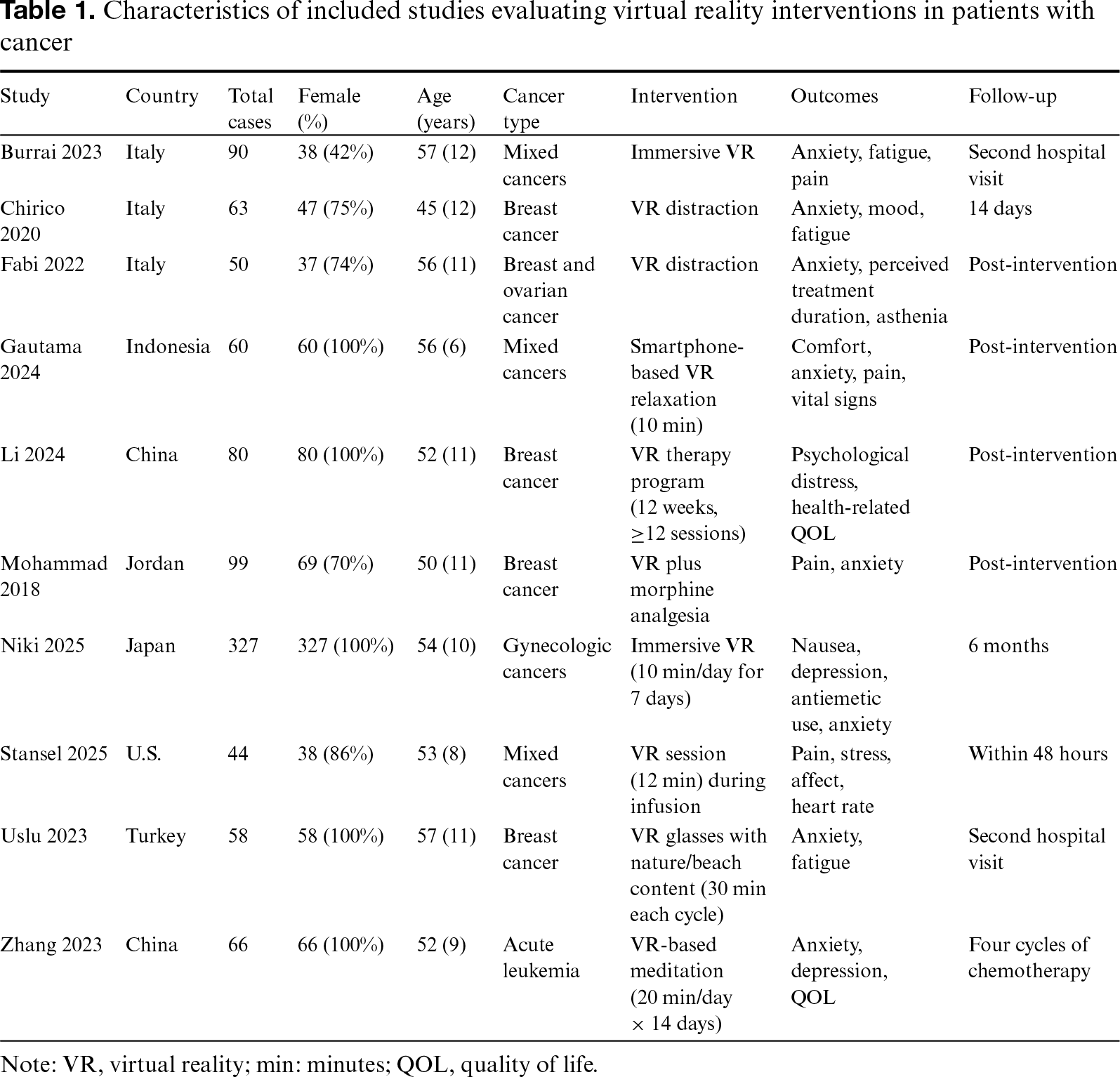
A total of 2,150 records were identified, out of which 147 duplicates were removed. Following title and abstract screening of the remaining 2,003 records, 108 full-text articles were assessed for eligibility. Of these, 98 were excluded, leaving 10 RCTs for inclusion in the review (Fig. 1). The 10 included RCTs comprised 937 patients receiving outpatient chemotherapy and were conducted in China, Italy, Indonesia, the United States, Jordan, Japan, and Turkey (Table 1).23–32 Sample sizes ranged from 44 to 327, and mean ages ranged from 45 to 57 years. Most studies predominantly enrolled women, largely due to the inclusion of breast and gynecologic cancer populations; however, patients with acute leukemia and mixed cancer diagnoses were also represented. VR interventions varied across studies and included immersive VR, VR-based meditation, smartphone-based VR relaxation, and distraction-based VR during chemotherapy, whereas control groups received matched care without VR exposure. Although outcome measures varied across studies, the most commonly used instruments were the State Anxiety Inventory for anxiety, the Visual Analog Scale (VAS) for pain, and the QLQ-C30 for QOL. The meta-analysis was conducted based on these measures. Follow-up ranged from immediately after the intervention to 6 months.
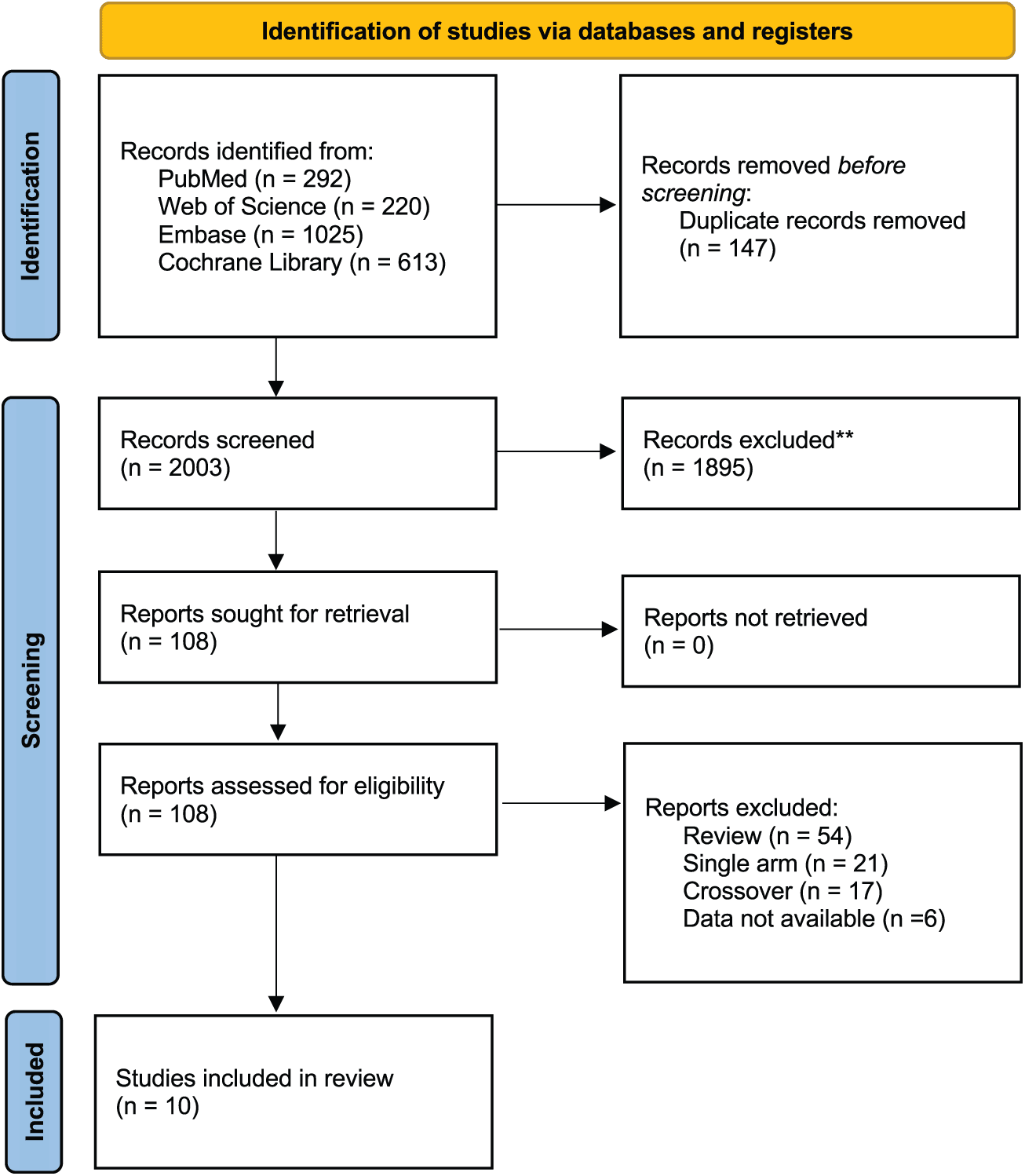
Figure 1. Flow diagram of study selection.
Effects on Anxiety
The meta-analysis of anxiety outcomes indicated that VR interventions significantly reduced anxiety levels among patients undergoing chemotherapy. Compared with control conditions, the pooled estimate revealed a significant anxiety reduction, with an MD of 8.66 (95% CI [4.87, 12.45]) (Fig. 2). Nevertheless, substantial heterogeneity was observed among the included studies (I2 = 84.2%). Sensitivity analysis (Fig. S1) resulted in a reduced MD of 6.06 (95% CI [3.81, 8.32]) and markedly lower heterogeneity (I2 = 24.8%). Overall, these findings support the potential effectiveness of VR in reducing psychological distress during chemotherapy. Subgroup analysis was conducted to compare breast cancer with other cancer types. For breast cancer, the pooled estimate revealed an anxiety reduction, with an MD of 10.71 (95% CI [−1.61, 23.03]); however, high heterogeneity was observed (I2 = 92.9%). For other cancer types, the pooled estimate revealed an anxiety reduction, with an MD of 7.06 (95% CI [3.06, 11.01]) and lower heterogeneity (I2 = 5.25%) (Fig. S2).
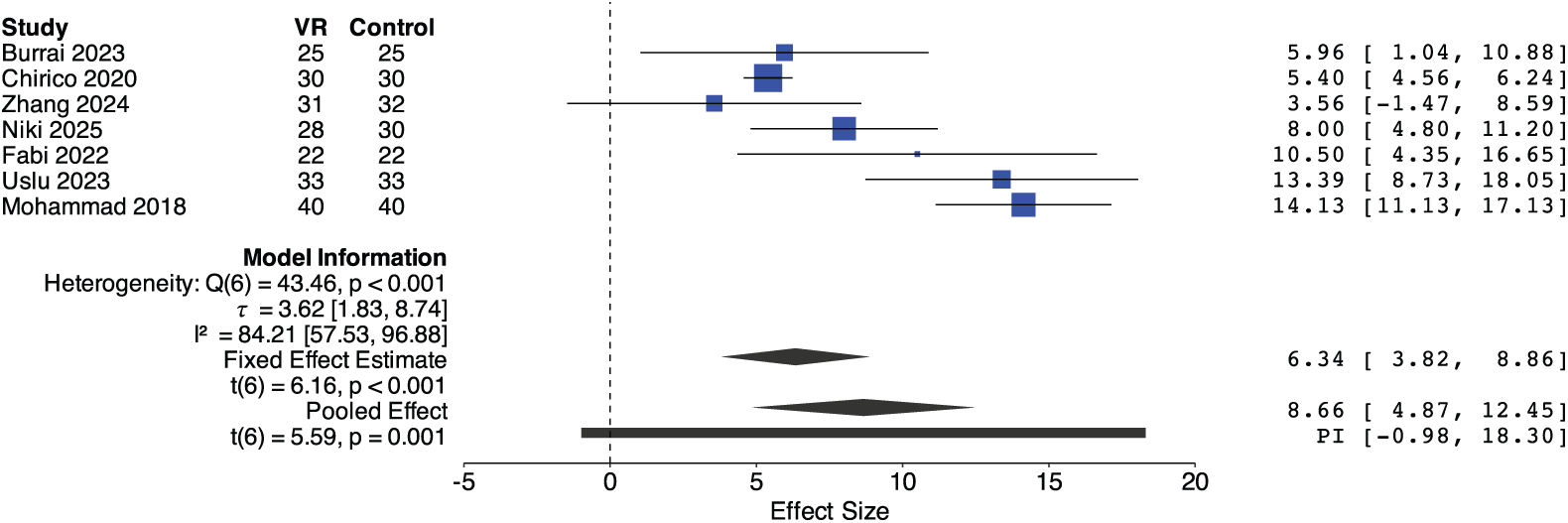
Figure 2. Forest plot of anxiety reduction.
Effects on Pain
For pain outcomes, all included studies assessed pain intensity using the VAS. The pooled analysis showed an MD of 1.55 (95% CI [−4.05, 7.16]), with considerable heterogeneity (I2 = 96.9%) (Fig. 3). Although the effect estimate favored VR interventions, the CI included zero, indicating that the reduction in pain was not statistically significant. Sensitivity analysis (Fig. S3) yielded a reduced MD of 0.12 (95% CI [−4.52, 4.76]) with moderate heterogeneity (I2 = 49.3%).
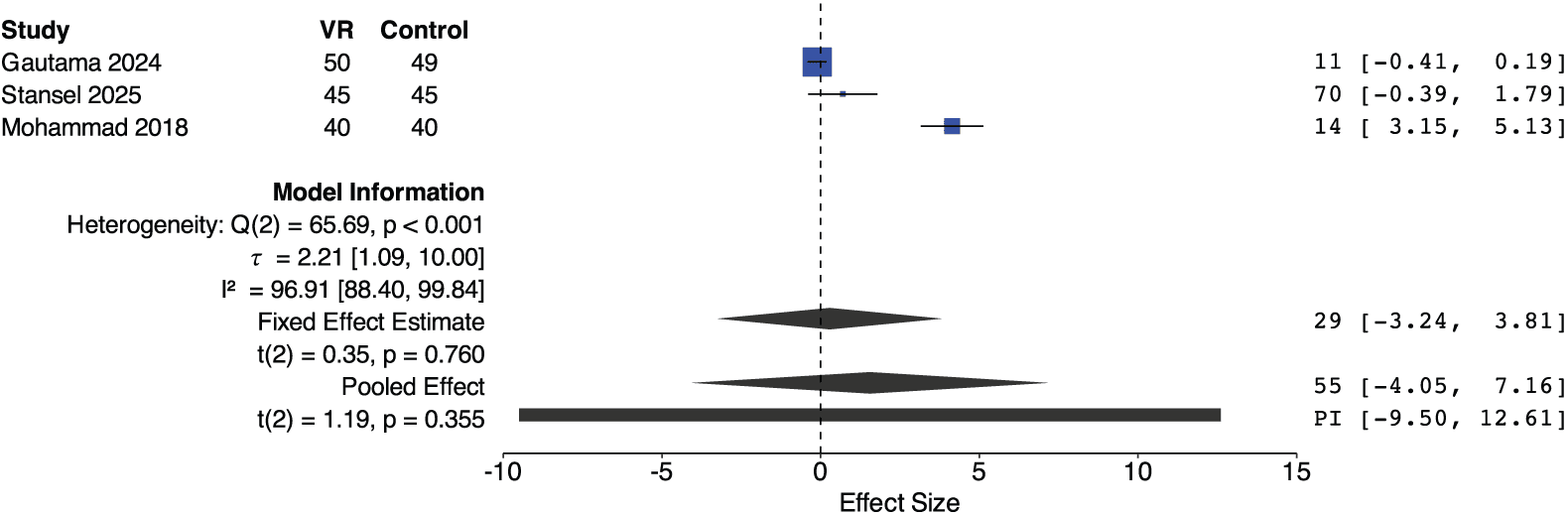
Figure 3. Forest plot of pain reduction.
Effects on QOL
For QOL, the meta-analysis showed a pooled effect size of 0.15 (95% CI [−0.47, 0.77]) with no heterogeneity (I2 = 0%) (Fig. 4). These results indicate that VR interventions did not produce a statistically significant improvement in QOL compared with standard care.
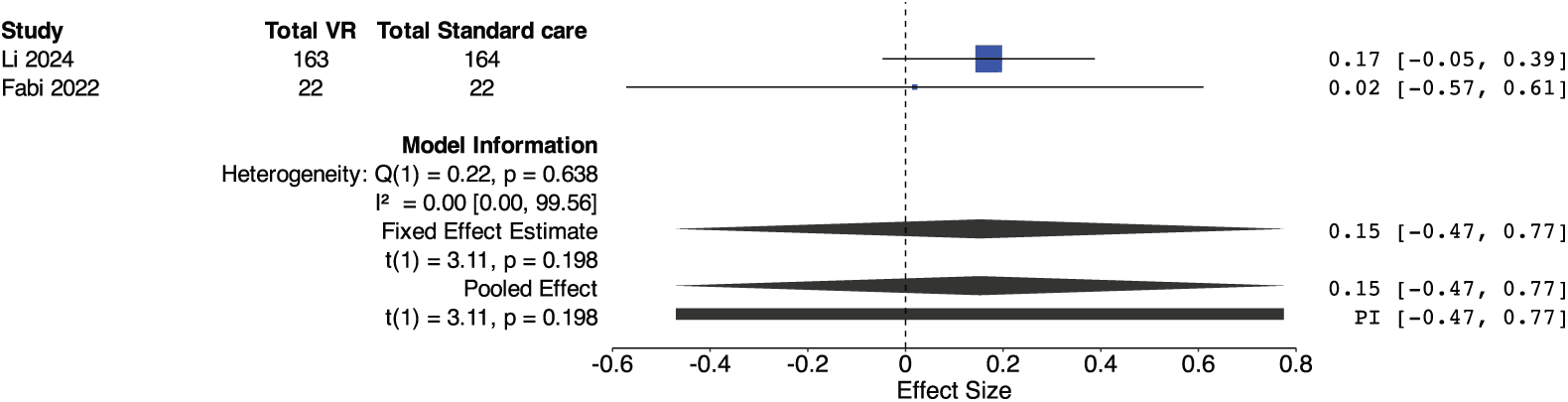
Figure 4. Forest plot of quality-of-life improvement.
Risk of Bias and Publication Bias
Figs. S4–S6 present the risk of bias for the anxiety, pain, and QOL outcomes. The primary concern across most studies was bias arising from deviations from the intended interventions. Publication bias was assessed using funnel plots for anxiety, pain, and QOL outcomes (Figs. S7–S9). Visual inspection suggested that the plots were relatively symmetrical for all outcomes, indicating no substantial publication bias. The certainty of evidence was rated as very low for anxiety and pain because of concerns regarding risk of bias, imprecision, and heterogeneity. For QOL, the certainty of evidence was rated as low owing to concerns regarding risk of bias and imprecision (Table S2).
Discussion
In this meta-analysis of 10 RCTs involving patients receiving outpatient chemotherapy, VR interventions were associated with a significant reduction in anxiety, whereas no significant effects were observed for pain or QOL. This pattern is broadly consistent with previous reviews by Burrai et al.14 and Gautama et al.,17 which also suggested that VR may be more effective for reducing psychological distress than for improving pain or broader patient-reported outcomes. The present review adds to existing evidence by focusing specifically on RCTs conducted in outpatient chemotherapy settings and by incorporating recently published trials, thereby providing an updated and clinically focused synthesis. Overall, anxiety reduction appears to be the most consistent benefit of VR in this setting, although the certainty of evidence was rated as very low for anxiety and pain and low for QOL, indicating that these findings should be interpreted with caution.
The most consistent finding was the reduction in anxiety, which aligns with the findings in previous studies, suggesting that VR can alleviate treatment-related distress through immersive distraction, attentional engagement, and modulation of emotional responses in stressful clinical settings.33,34 VR may reduce anxiety through several potential mechanisms. By providing immersive visual and auditory stimulation, VR can divert patients’ attention away from the chemotherapy environment and treatment-related discomfort, thereby reducing anticipatory fear and emotional distress.35 In addition, immersive environments may promote relaxation, enhance a sense of presence in calming settings, and provide patients with a greater feeling of control during treatment. Together, these effects may help lower anxiety levels during chemotherapy.36 Given the high burden of anxiety during chemotherapy, VR may represent a feasible nonpharmacological adjunct in outpatient oncology care.
In contrast, VR was not associated with a statistically significant reduction in pain. Although the pooled estimate favored VR, the CI crossed zero, and heterogeneity was substantial. The effects of VR on pain appear to be less consistent than its effects on psychological distress. This may reflect the multifactorial nature of pain during chemotherapy, which may be less responsive to brief VR exposure, especially in the presence of between-study variation in analgesic use, symptom severity, and intervention characteristics.37,38 Moreover, the certainty of evidence for pain was judged to be very low, which further limits confidence in this finding.
Furthermore, no significant improvement was observed for QOL. This finding is not unexpected, as QOL is a multidimensional outcome encompassing physical, emotional, functional, and social domains and may be less sensitive to short, session-based interventions.39 Previous studies have similarly suggested that short-term reductions in distress do not necessarily translate into measurable gains in global QOL, particularly when follow-up is limited. Thus, the certainty of evidence for QOL was low, suggesting that further well-designed studies may change the current estimate of effect.
From a clinical perspective, these findings suggest that VR may be considered as a nonpharmacological supportive care intervention to help reduce anxiety during outpatient chemotherapy. Its potential value lies in offering an immersive, low-risk, and patient-centered approach that may complement existing supportive care strategies without adding pharmacological burden. However, implementation in routine oncology practice requires careful consideration of practical barriers. These include the initial costs of VR equipment and software, infection control procedures for shared devices, staff training, patient acceptability, risk of cybersickness, availability of technical support, and integration into busy chemotherapy workflows. Establishing standardized protocols for patient selection, device cleaning, session timing, and staff responsibilities may help improve feasibility and support the safe adoption of VR in outpatient chemotherapy settings.
The generalizability of these findings should be interpreted with caution given the characteristics of the included study populations. Most studies enrolled predominantly female patients, particularly those with breast or gynecologic cancers; therefore, the findings may not be fully generalizable to male patients, patients with other cancer types, pediatric or older populations, or patients receiving other treatment modalities. In addition, differences in baseline symptom burden, treatment context, digital literacy, and acceptability of VR may influence its effectiveness and feasibility across diverse oncology settings. Future studies should include larger and more diverse oncology populations, standardized intervention protocols, longer follow-up periods, and economic evaluations to clarify the generalizability, durability, cost-effectiveness, resource requirements, and scalability of VR interventions in routine oncology practice.
Notably, these findings should also be interpreted in light of several methodological limitations. The included studies varied in VR modality, session duration, comparator conditions, timing of outcome assessment, and treatment regimen. In addition, the modest number of trials, variable sample sizes, and low or very low certainty of evidence limit confidence in the pooled estimates. Assessment of publication bias was also limited because visual interpretation of funnel plot asymmetry is unreliable when fewer than 10 studies are included; therefore, publication bias could not be reliably excluded. Most studies assessed only immediate or short-term effects during chemotherapy, making it unclear whether the benefits of VR are sustained over time or across repeated treatment cycles.
Conclusion
The available evidence suggests that VR may reduce anxiety in patients undergoing outpatient chemotherapy; however, current data do not support clear benefits for pain or QOL. These results are consistent with prior work indicating that VR is most effective for short-term psychological symptom relief. Further adequately powered trials with standardized intervention protocols, consistent outcome measures, and longer follow-up are needed to better define its role in supportive oncology care.
Acknowledgment
Not applicable.
Funding
This work received no financial support.
Author Contributions
N.H. and I.K. contributed to the study design and drafted the manuscript. N.H., M.B., and J.L. contributed to data interpretation and manuscript revision. All authors have read and approved the final manuscript and agree with its content and data.
Data Availability Statement
Raw data are available upon reasonable request and after consultation with the corresponding author.
Generative AI Declaration
During the preparation of this manuscript, the author used ChatGPT for proofreading assistance. All content was subsequently reviewed and edited by the author, who assumes full responsibility for the accuracy and integrity of the published work.
Ethical Statement
This article does not involve the participation of animals.
Conflict of Interest
The authors declare no conflicts of interest.
Supplemental Information
Supplemental information for this article can be found online at https://sup.jclinque.com/api/articles/115/download-suppl.
References
[1] Bray F, Laversanne M, Sung H, et al. Global cancer statistics 2022: GLOBOCAN estimates of incidence and mortality worldwide for 36 cancers in 185 countries. CA: A Cancer J Clin. May 1, 2024;74(3):229–263. doi:10.3322/caac.21834.
[2] Wagle NS, Nogueira L, Devasia TP, et al. Cancer treatment and survivorship statistics, 2025. CA Cancer J Clin. July–August 2025;75(4):308–340. doi:10.3322/caac.70011.
[3] Jen WY, Chan ZY, Lee YM, et al. Reducing chemotherapy waiting times in the ambulatory setting of a tertiary cancer centre using a design thinking approach. Cancer (Basel). September 19, 2023;15(18):4625. doi:10.3390/cancers15184625.
[4] Iwata M, Maezawa M, Miyasaka K, et al. Survey of community and hospital pharmacist involvement in outpatient chemotherapy using Japanese health information data. J Pharm Policy Pract. 2024;17(1):2286350. doi:10.1080/20523211.2023.2286350.
[5] Nunes KZ, Grippa WR, Lopes AB, et al. Cancer symptom clusters, cardiovascular risk, and quality of life of patients with cancer undergoing chemotherapy: a longitudinal pilot study. Medicine (Baltimore). April 19, 2024;103(16):e37819. doi:10.1097/md.0000000000037819.
[6] Piechotta V, Adams A, Haque M, et al. Antiemetics for adults for prevention of nausea and vomiting caused by moderately or highly emetogenic chemotherapy: a network meta-analysis. Cochrane Database Syst Rev. November 16, 2021;11(11):Cd012775. doi:10.1002/14651858.CD012775.pub2.
[7] Mattar M, Umutoni F, Hassan MA, et al. Chemotherapy-induced peripheral neuropathy: a recent update on pathophysiology and treatment. Life (Basel). August 9, 2024;14(8):991. doi:10.3390/life14080991.
[8] Amiri S. The prevalence of anxiety symptoms/disorders in cancer patients: a meta-analysis. Front Psychiatry. 2024;15:1422540. doi:10.3389/fpsyt.2024.1422540.
[9] Mejareh ZN, Abdollahi B, Hoseinipalangi Z, et al. Global, regional, and national prevalence of depression among cancer patients: a systematic review and meta-analysis. Indian J Psychiatry. November–December 2021;63(6):527–535. doi:10.4103/indianjpsychiatry.indianjpsychiatry_77_21.
[10] Pozzar RA, Hammer MJ, Paul SM, et al. Associations between distinct state anxiety profiles, exposure to stressful life events, resilience, and coping in patients with gynecologic cancers receiving chemotherapy. Semin Oncol Nurs. August 2023;39(4):151431. doi:10.1016/j.soncn.2023.151431.
[11] Kumar B, Htaa MT, Kerin-Ayres K, et al. Living well with advanced cancer: a scoping review of non-pharmacological supportive care interventions. J Cancer Surviv. December 16, 2024;20:1119–1130. doi:10.1007/s11764-024-01714-z.
[12] Abbas JR, O’Connor A, Ganapathy E, et al. What is virtual reality? A healthcare-focused systematic review of definitions. Health Policy Technol. June 1, 2023;12(2):100741. doi:10.1016/j.hlpt.2023.100741.
[13] Teh JJ, Pascoe DJ, Hafeji S, et al. Efficacy of virtual reality for pain relief in medical procedures: a systematic review and meta-analysis. BMC Med. February 14, 2024;22(1):64. doi:10.1186/s12916-024-03266-6.
[14] Burrai F, Sguanci M, Petrucci G, De Marinis MG, Piredda M. Effectiveness of immersive virtual reality on anxiety, fatigue and pain in patients with cancer undergoing chemotherapy: a systematic review and meta-analysis. Eur J Oncol Nurs. June 2023;64:102340. doi:10.1016/j.ejon.2023.102340.
[15] Schneider SM, Hood LE. Virtual reality: a distraction intervention for chemotherapy. Oncol Nurs Forum. January 2007;34(1):39–46. doi:10.1188/07.Onf.39-46.
[16] Eskici İlgin V, Yayla A, Toraman RL, Özlü ZK, Kılınç T, Özlü İ. The effect of virtual reality on chemotherapy-associated stress (Cortisol Value), anxiety, and pain symptoms of mastectomy patients: a randomized controlled pilot study. Cancer Nurs. April 2, 2025. doi:10.1097/ncc.0000000000001478.
[17] Gautama MSN, Huang TW, Haryani H. A systematic review and meta-analysis of randomized controlled trials on the effectiveness of immersive virtual reality in cancer patients receiving chemotherapy. Eur J Oncol Nurs. December 2023;67:102424. doi:10.1016/j.ejon.2023.102424.
[18] Page MJ, McKenzie JE, Bossuyt PM, et al. The PRISMA 2020 statement: an updated guideline for reporting systematic reviews. BMJ. 2021;372:n71. doi:10.1136/bmj.n71.
[19] Open Science Framework. Virtual reality for symptom management during outpatient chemotherapy: a systematic review and meta-analysis of randomized controlled trials. Published March 2026, Accesed April 1 2026. https://osf.io/h5xew/overview.
[20] Sterne JAC, Savović J, Page MJ, et al. RoB 2: a revised tool for assessing risk of bias in randomised trials. BMJ. August 28, 2019;366:l4898. doi:10.1136/bmj.l4898.
[21] Deeks JJ, Higgins JP, Altman DG, McKenzie JE, Veroniki AA. Chapter 10: analysing data and undertaking meta-analyses. In: Higgins JP, Thomas J, Chandler J, et al. (Eds.), Cochrane Handbook for Systematic Reviews of Interventions. Version 6.5 ed. Cochrane; 2024.
[22] Guyatt GH, Oxman AD, Vist GE, et al. GRADE: an emerging consensus on rating quality of evidence and strength of recommendations. BMJ. April 26, 2008;336(7650):924–926. doi:10.1136/bmj.39489.470347.AD.
[23] Burrai F, Ortu S, Marinucci M, De Marinis MG, Piredda M. Effectiveness of immersive virtual reality in people with cancer undergoing antiblastic therapy: a randomized controlled trial. Seminar Oncol Nursing. August 1, 2023;39(4):151470. doi:10.1016/j.soncn.2023.151470.
[24] Chirico A, Maiorano P, Indovina P, et al. Virtual reality and music therapy as distraction interventions to alleviate anxiety and improve mood states in breast cancer patients during chemotherapy. J Cellular Physiol. June 1, 2020;235(6):5353–5362. doi:10.1002/jcp.29422.
[25] Fabi A, Fotia L, Giuseppini F, et al. The immersive experience of virtual reality during chemotherapy in patients with early breast and ovarian cancers: The patient’s dream study. Clinical trial. Front Oncol. September 30, 2022;12:14. doi:10.3389/fonc.2022.960387.
[26] Gautama MSN, Haryani H, Huang TW, Chen JH, Chuang YH. Effectiveness of smartphone-based virtual reality relaxation (SVR) for enhancing comfort in cancer patients undergoing chemotherapy: a randomized controlled trial. Support Care Cancer. November 26, 2024;32(12):824. doi:10.1007/s00520-024-09036-7.
[27] Li M, Yu Z, Li H, et al. Effects of virtual reality therapy for patients with breast cancer during chemotherapy: randomized controlled trial. JMIR Ser Games. October 17, 2024;12:e53825. doi:10.2196/53825.
[28] Bani Mohammad E, Ahmad M. Virtual reality as a distraction technique for pain and anxiety among patients with breast cancer: a randomized control trial. Palliat Support Care. February 2019;17(1):29–34. doi:10.1017/s1478951518000639.
[29] Niki K, Nakagawa S, Arai M, Morimoto A, Ueda Y. Effect of immersive virtual reality on chemotherapy-related side effects in patients receiving paclitaxel-carboplatin with or without bevacizumab: 2-arm randomized controlled trial. J Med Internet Res. August 14, 2025;27:e65924. doi:10.2196/65924.
[30] Stansel CC, McLeod AR, Gulati S, et al. Effects of virtual reality on pain, stress, and affect in an outpatient chemotherapy infusion clinic: a randomized controlled trial. Clin J Oncol Nurs. January 17, 2025;29(1):65–71. doi:10.1188/25.Cjon.65-71.
[31] Uslu A, Arslan S. The effect of using virtual reality glasses on anxiety and fatigue in women with breast cancer receiving adjuvant chemotherapy: a pretest-posttest randomized controlled study. Seminar Oncol Nursing. October 1, 2023;39(5):151503. doi:10.1016/j.soncn.2023.151503.
[32] Zhang B, Jin X, Kuang X, et al. Effects of a virtual reality-based meditation intervention on anxiety and depression among patients with acute leukemia during induction chemotherapy: a randomized controlled trial. Cancer Nurs. January 23, 2023. doi:10.1097/ncc.0000000000001206.
[33] Buche H, Michel A, Blanc N. Using virtual reality during chemotherapy to support emotional regulation in patients: adding an olfactory reinforcement or not? Virtual Worlds. 2025;4(2):16. doi:10.3390/virtualworlds4020016.
[34] Colombo D, Díaz-García A, Fernandez-Álvarez J, Botella C. Virtual reality for the enhancement of emotion regulation. Clin Psychol Psychotherapy. May 1, 2021;28(3):519–537. doi:10.1002/cpp.2618.
[35] Lee Wong C, Li CK, Choi KC, et al. Effects of immersive virtual reality for managing anxiety, nausea and vomiting among paediatric cancer patients receiving their first chemotherapy: an exploratory randomised controlled trial. Eur J Oncol Nursing. December 1, 2022;61:102233. doi:10.1016/j.ejon.2022.102233.
[36] Buche H, Michel A, Anders R, Blanc N. The role of engagement in virtual reality to enhance emotional well-being in breast cancer patients: a mediation analysis. Cancer (Basel). February 28, 2025;17(5):840. doi:10.3390/cancers17050840.
[37] Kettyle G. Multidisciplinary approach to cancer pain management. Ulster Med J. January 2023;92(1):55–58.
[38] Wu Y, Wang N, Zhang H, Sun X, Wang Y, Zhang Y. Effectiveness of virtual reality in symptom management of cancer patients: a systematic review and meta-analysis. J Pain Symptom Manage. May 1, 2023;65(5):e467–e482. doi:10.1016/j.jpainsymman.2023.01.023.
[39] Tenorio do Amaral PG, Tosello GT, Silva Filho PP, Nahas EAP, Brito Buttros DA. Effectiveness of mindfulness-based interventions on quality of life in women breast cancer survivors: a systematic review and meta-analysis. Breast. April 2026;86:104701. doi:10.1016/j.breast.2026.104701.
 |
Copyright: © 2026 Horikawa et al. This work is licensed under a Creative Commons Attribution 4.0 International License, which permits unrestricted use, distribution, and reproduction in any medium, provided the original work is properly cited. |