| Journal of Clinical Question, 2024, Vol. 1, No. 3, 148–158 https://doi.org/10.69854/jcq.2024.0018 Advance access publication date 28 December 2024 |
 |
Meta-Analysis
The Effectiveness and Safety of Testosterone Replacement Therapy in the Musculoskeletal System of Males with Hypogonadism: A Systematic Review and Meta-Analysis
1Respiratory Disease Center, Tokyo Hospital, Tokyo, Japan.
2Department of Internal Medicine, Teikyo University School of Medicine, Tokyo, Japan.
*Corresponding Author: e-mail: ryo7132003@med.teikyo-u.ac.jp
Submitted: August 10, 2024 Accepted: December 27, 2024
Clinical Question Box
Is testosterone replacement therapy effective in improving the musculoskeletal system outcomes of males with hypogonadism?
Testosterone replacement therapy effectively increased total, free, and bioavailable testosterone levels post-administration. It led to an elevated body mass index and lean body mass. However, it did not affect handgrip strength, fracture risk, or bone mineral density. There were no differences in adverse events compared to the placebo during the treatment period. However, there was a tendency toward higher prostate-specific antigen levels, which did not reach statistical significance.
Abstract
Introduction: Testosterone replacement therapy (TRT) is a standard treatment for men with hypogonadism, characterized by low testosterone levels and associated symptoms. Methods: To identify the impact of TRT on hypogonadism, a systematic review and meta-analysis of studies were performed. Three major databases (PubMed, CHAHL, and Web of Science) were searched for publications from May 1, 2010 to May 1, 2024. Results: Twelve articles, including 5,198 patients, were enrolled in the final analysis, with the duration of TRT ranging from 6 to 36 months. TRT increased total, free, and bioavailable testosterone by 7.81 nmol/l (95% CI: 5.77, 9.85; P < 0.001; I2 = 92%), 0.18 nmol/l (95% CI: 0.15, 0.20; P < 0.001; I2 = 0%), and 3.57 nmol/l (95% CI: 2.87, 4.27; P < 0.001; I2 = 0%), respectively. Body mass index (BMI) increased by 1.17 kg/m2 (95% CI: 0.15, 2.19; P = 0.03; I2 = 5%) with an increase in lean body mass (LBM) of 1.58 kg (95% CI: 0.16, 3.00; P = 0.03; I2 = 0%) and a trend of reducing fat mass by 0.82 kg (95% CI: −2.53, 0.88; P = 0.34; I2 = 0%). There were no statistical differences in fracture risk, handgrip strength, or forearm bone mineral density (BMD). Additionally, there was no significant difference in lipid metabolism or homeostatic model assessment for insulin resistance. The odds ratio of any grade adverse events of TRT compared with placebo was 1.08 (95% CI: 0.75, 1.56; P = 0.67; I2 = 59%). Conclusion: TRT is a safe and effective treatment for men with hypogonadism. Long-term use of TRT can improve BMI and LBM, though it does not appear to enhance handgrip strength or BMD. A combined approach of TRT and exercise may be an important strategy for optimizing outcomes.
Keywords: Testosterone replacement therapy, hypogonadism, musculoskeletal system, body mass index, males, fractures.
1. Introduction
Hypogonadism occurs when the sex glands produce insufficient sex hormones. In men, the primary hormone affected is testosterone; in women, it is estrogen and progesterone.1 Approximately 21.2% of individuals experience testosterone deficiency, which is more common among older adults, those with a higher body mass index (BMI), and individuals who smoke and drink.2 Testosterone is the primary male sex hormone, playing a crucial role in developing and maintaining male physical characteristics regulated by the hypothalamic-pituitary-gonadal axis. Every 90 minutes, the hypothalamus releases gonadotropin-releasing hormone, which triggers the secretion of luteinizing hormone into the bloodstream.3 This process stimulates the Leydig cells to produce testosterone, a hormone essential for various aspects of men’s health, such as sexual function, cardiovascular health, energy levels, cognitive function, and bone density.4
Testosterone levels naturally decline with age, contributing to muscle loss, increased fat mass (FM), and reduced physical performance in older men.5 Serum total testosterone levels decrease by approximately 1.6% per year after the age of 30.6 This decline can lead to sarcopenia, a condition characterized by loss of muscle mass and function that is associated with increased morbidity and mortality.7 As such, administering exogenous testosterone has been proposed to mitigate age-related declines in muscle mass and strength. Testosterone replacement therapy (TRT) is a common treatment for men with hypogonadism, which leads to low testosterone levels and associated symptoms.8 There is also increasing interest in using testosterone among aging men without clinically low levels of the hormone to enhance physical performance and quality of life. Research indicates that TRT can improve sexual function, mood, bone density, and lean body mass (LBM), though its impact on cardiovascular events and mortality remains uncertain.9,10
The administration of exogenous testosterone has been proposed as a therapeutic intervention to counteract age-related declines in muscle mass and strength.11 However, TRT should be administered only when the diagnosis of hypogonadism is firmly established, as evidenced by the presence of compatible symptoms and signs and a subnormal morning (07:00–11:00 AM) serum testosterone concentration confirmed on two or three separate occasions.12 The suggested testosterone dose for males with hypogonadism varies by form: injections (50–400 mg every 2–4 weeks), gels (5–10 g daily), patches (one patch daily), buccal tablets (30 mg twice daily), pellets (75–450 mg every 3–6 months), and undecanoate injections (750 mg initially, then every 10 weeks).13 Dosages should further be tailored to individuals based on their clinical response and serum testosterone levels.14
Despite the potential benefits of testosterone administration, the evidence regarding its efficacy and safety remains mixed.15 Some studies report significant muscle mass and strength improvements, while others show minimal or no benefit. Additionally, concerns have been raised about the long-term safety of testosterone therapy, including potential adverse effects on cardiovascular health, prostate cancer risk, and other health outcomes.16 This meta-analysis aims to provide a comprehensive and rigorous synthesis of the available evidence on the effects of testosterone administration to identify the efficacy and safety profile of TRT in the musculoskeletal system of males with hypogonadism.
2. Methods
2.1 Overview
The study protocol followed the meta-analysis of the Preferred Reporting Items for Systematic Reviews and Meta-Analyses (PROSMA) statement.17 As this research is a systematic review, the requirement for institutional review board approval was waived. This study was registered in the University Hospital Medical Information Network (UMIN000055818).18
2.2 Search Strategy and Selection Criteria
Three major databases (PubMed, CHAHL, and Web of Science) were searched for publications from May 1, 2010 to May 1, 2024. Two reviewers independently extracted and recorded data according to a predefined checklist, which included study characteristics (country and year of study), patients’ characteristics, and outcomes. The search strategy used was as follows: Patient: “man” or “male”; Intervention: “testosterone”; Outcome: “bone” or “fracture” or “musculoskeletal.” Two reviewers (H.K. and H.H.) independently screened the titles and abstracts and thoroughly evaluated the full texts to select eligible articles. Any discrepancies were resolved through discussion. Additionally, review articles and the included original articles were hand-searched for additional research papers that met the inclusion criteria.
2.3 Inclusion and Exclusion Criteria
No restrictions were placed on article types or publication language. To be included, a study had to meet the following criteria: 1) It was a placebo-controlled randomized trial; 2) It involved patients with hypogonadism; and 3) The treatment duration was more than 24 weeks or six months. Exclusion criteria were: 1) treatment with supplements; 2) not being a randomized controlled trial (RCT); and 3) insufficient data.
2.4 Outcomes
The primary outcome was the change in body composition. To compare detailed changes in body composition, BMI, LBM, and FM were analyzed in subgroups. The secondary outcomes included skeletal and muscle function (risk of fracture, handgrip strength, and forearm bone mineral density [BMD]) and metabolism (high-density lipoprotein cholesterol [HDL], low-density lipoprotein cholesterol [LDL], triglycerides [TG], and homeostatic model assessment for insulin resistance [HOMA-R] for patients with type 2 diabetes mellitus [T2DM]). The change in testosterone levels, estradiol, and sex hormone-binding globulin (SHBG) was also assessed between the experimental and control groups after treatment.
2.5 Quality Assessment
Two reviewers independently assessed the methodological quality of the selected studies using the Cochrane Risk of Bias tool, which comprises seven domains: random sequence generation, allocation concealment, blinding of participants and personnel, blinding of outcome assessment, incomplete outcome data, selective reporting, and other sources of bias.19 Publication bias was assessed using funnel plots, visually displaying the relationship between study size and effect size. Any discrepancies were resolved through discussion.
2.6 Statistics
All analyses were performed using Review Manager version 5.3 (Cochrane Collaboration, Oxford, UK). For continuous outcomes (e.g., LBM in kg), mean differences (MDs) and standardized mean differences (SMDs) were calculated. For categorical outcomes (e.g., adverse effects), odds ratios (ORs) were calculated. The results were presented as pooled effect sizes with 95% confidence intervals (CIs). Random-effect models were used to account for potential variability among studies. A p-value of less than 0.05 was considered statistically significant. Heterogeneity was evaluated using I2 statistics and interpreted as follows: I2 = 0%, no heterogeneity; I2 > 0% but <25%, minimal heterogeneity; I2 ≥ 25% but <50%, mild heterogeneity; I2 ≥ 50% but <75%, moderate heterogeneity; and I2 ≥ 75%, strong heterogeneity.20 Figures prepared using Review Manager were adjusted as necessary.
3. Results
3.1 Overview
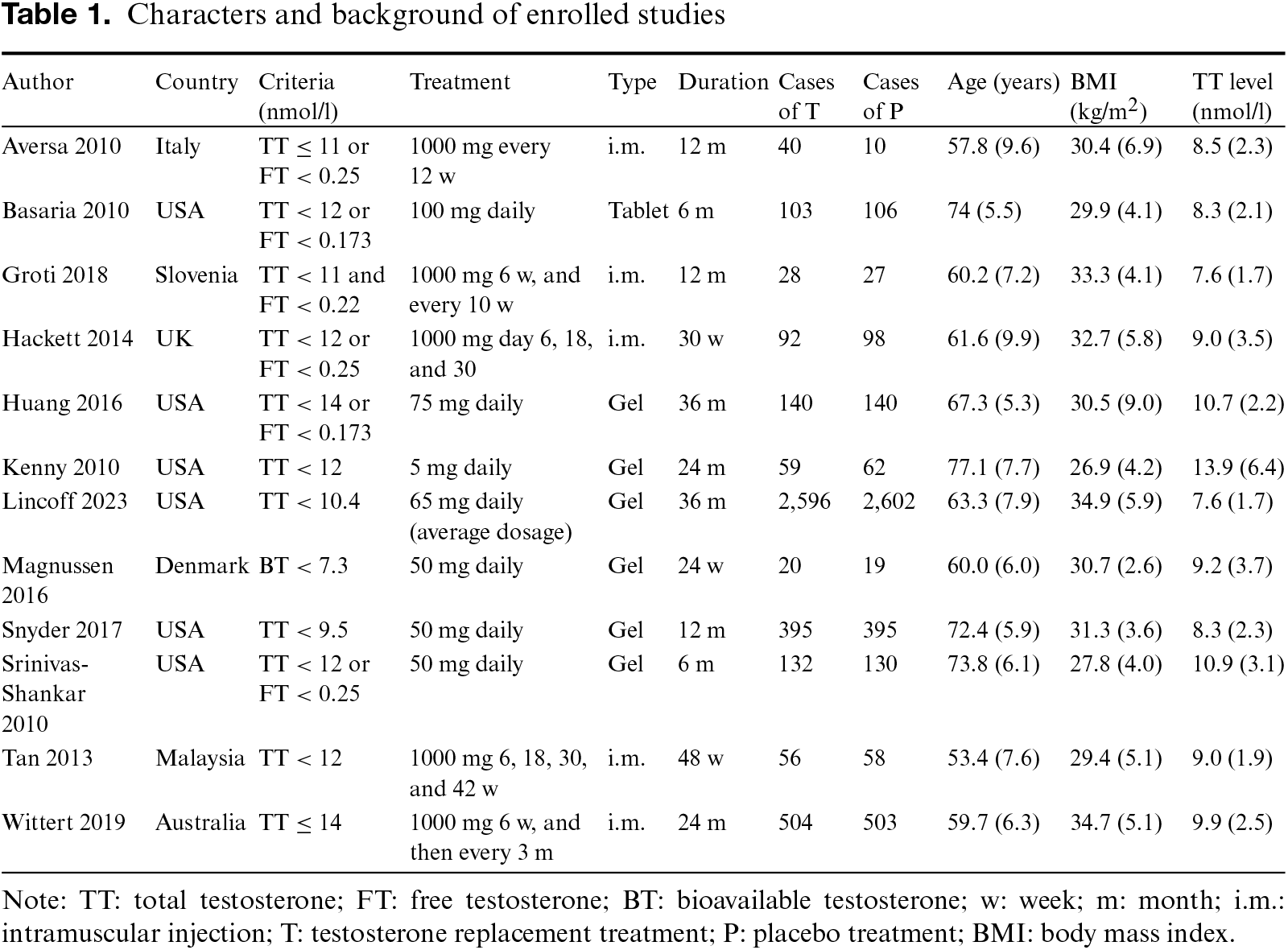
Overall, 1,523 articles were identified, including 1,521 through database searches and two through hand-searching. After removing duplicates, screening, and reading the full articles, 1,205, 190, and 12 articles remained, respectively (Fig. 1). The kappa statistic was 0.82 in the first screening and 0.95 in the second screening. Six studies were reported from the USA, while others were from Australia, Denmark, Italy, Malaysia, and Slovenia (Table 1). A total of 5,198 patients were enrolled in the study, with the duration of TRT ranging from 24 weeks to 36 months.10,21–30 The most frequently used criteria for hypogonadism, widely accepted in clinical settings, are defined by two-morning testosterone concentrations of less than 300 ng per deciliter (10.4 nmol per liter) in fasting plasma samples obtained at least 48 hours apart, along with one or more symptoms of hypogonadism. Notably, five articles examined the effect of TRT in patients with diabetes.21,25,26,28,30
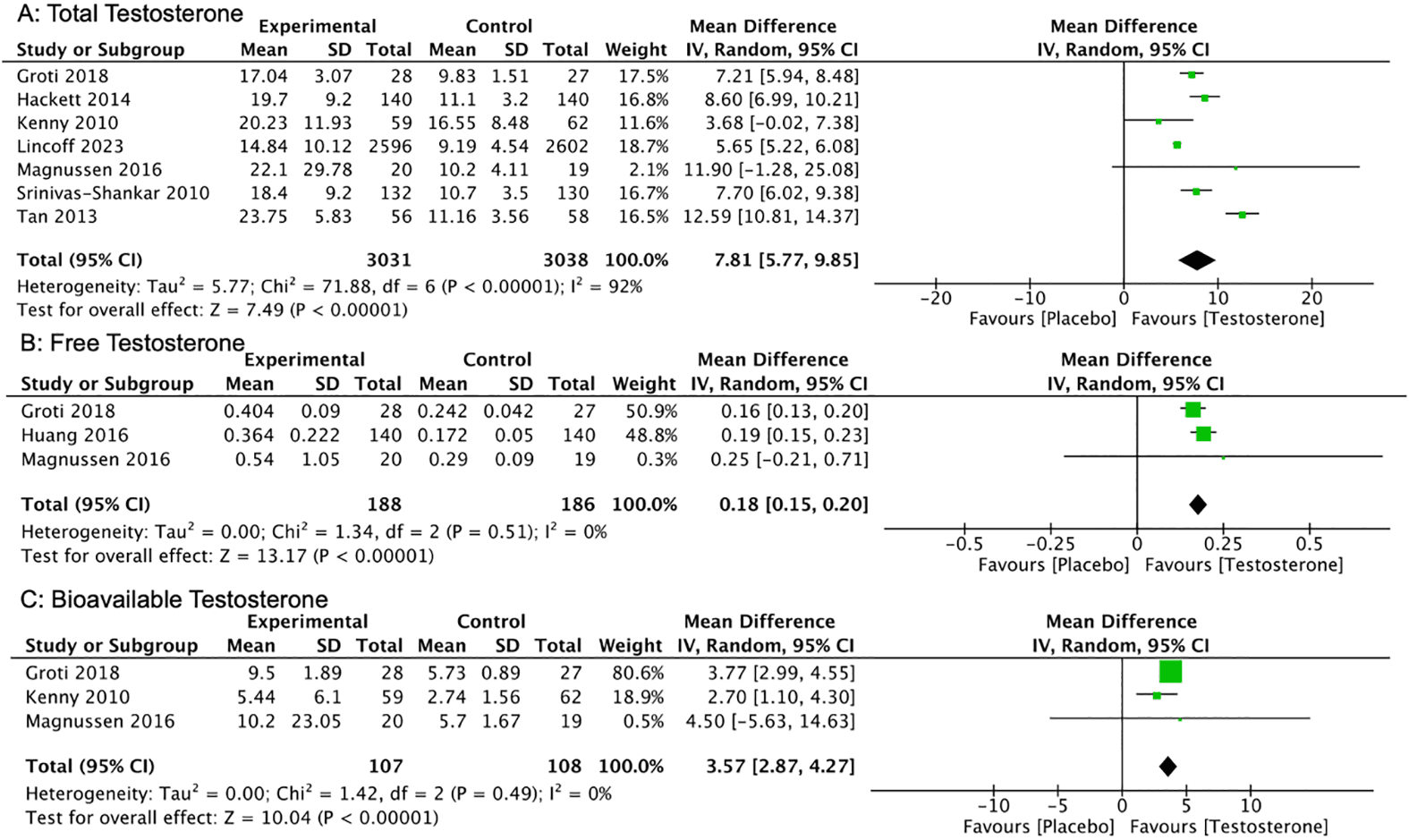
Figure 1. Change in total testosterone, free testosterone, and bioavailable testosterone levels. SD: standard deviation; CI: confidence interval.
3.2 Effect on Testosterone Levels
Seven articles were analyzed to evaluate the effect of TRT on improving total testosterone compared to a placebo. The analysis revealed that TRT had an MD of 7.81 nmol/l (95% CI: 5.77, 9.85; P < 0.001; I2 = 92%, Tau2 = 5.57) (Fig. 1A). The sensitivity analysis demonstrated that TRT improved total testosterone, with an MD of 6.89 nmol/L (95% CI: 5.50 to 8.27; P < 0.001; I2 = 77%, Tau2 = 1.81), confirming the robustness of our conclusions (Fig. S2). Three more articles were analyzed to evaluate the effect of TRT on free testosterone compared to a placebo, showing an MD of 0.18 nmol/l (95% CI: 0.15, 0.20; P < 0.001; I2 = 0%, Tau2 = 0) (Fig. 1B). Another three articles were analyzed to determine the effect of TRT on bioavailable testosterone, demonstrating an MD of 3.57 nmol/l (95% CI: 2.87, 4.27; P < 0.001; I2 = 0%, Tau2 = 0).
3.3 Effect on Body Composition
Four articles were analyzed to evaluate the effect of TRT on improving BMI compared to a placebo. The analysis revealed that TRT had an MD of 1.17 kg/m2 (95% CI: 0.15, 2.19; P = 0.03; I2 = 5%, Tau2 = 0.05) (Fig. 2A). Three other articles were analyzed to evaluate the effect of TRT on LBM, demonstrating a mean increase of 1.58 kg (95% CI: 0.16, 3.00; P = 0.03; I2 = 0%, Tau2 = 0). Another two articles indicated that TRT showed a trend of reducing FM by 0.82 kg (95% CI: −2.53, 0.88; P = 0.34; I2 = 0%, Tau2 = 0) (Fig. 2C). No statistical difference was found.
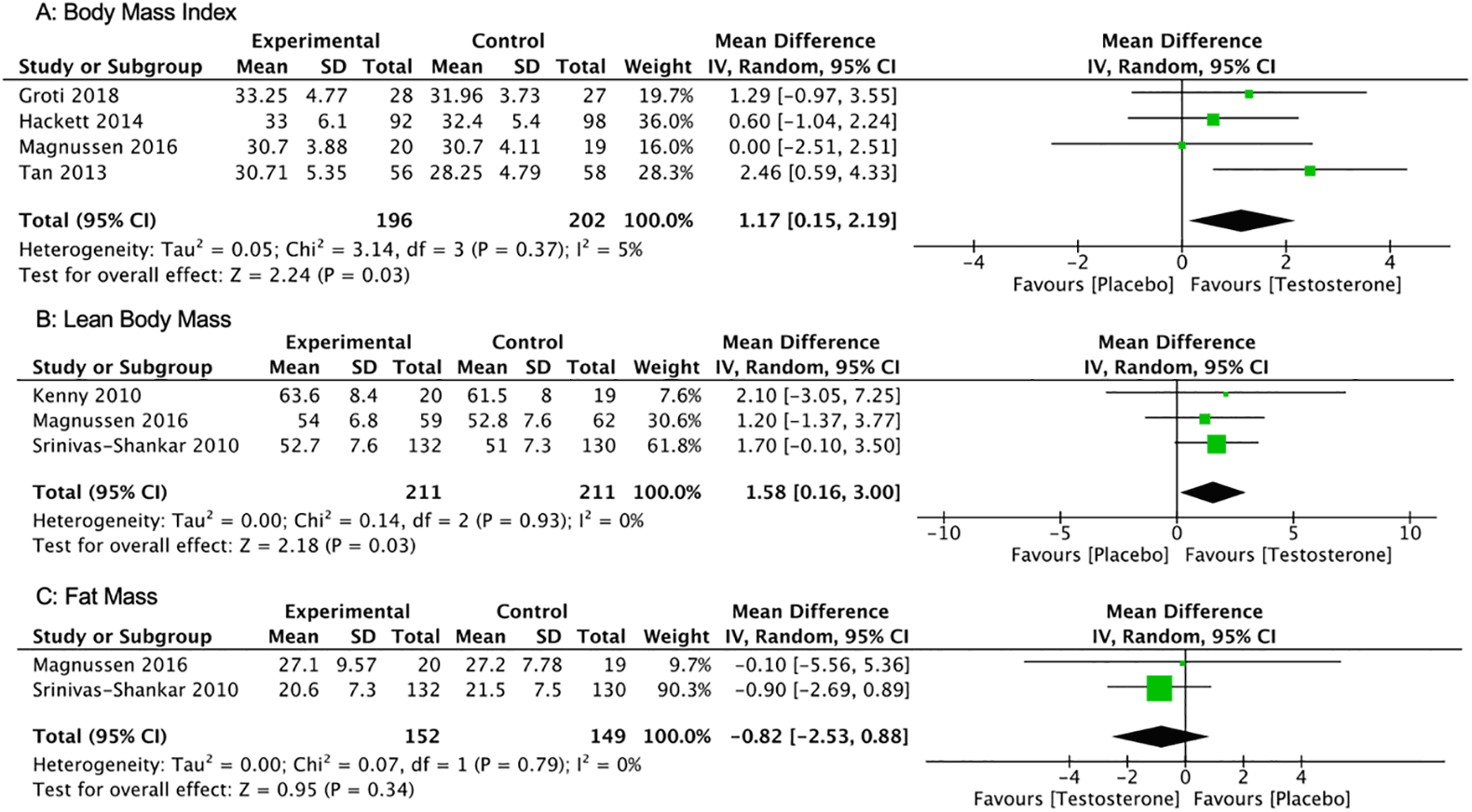
Figure 2. Change in body mass index, lean body mass, and fat mass. SD: standard deviation; CI: confidence interval.
3.4 Effect on Skeletal and Muscle Function
Two articles were analyzed to evaluate the effect of TRT in preventing fractures compared to a placebo. The analysis revealed that TRT had an OR of 1.33 (95% CI: 0.77, 2.30; P = 0.31; I2 = 42%, Tau2 = 0.09) (Fig. 3A). Another two articles were analyzed to evaluate the effect of TRT on handgrip strength compared to a placebo, showing no improvement with an MD of −0.08 kg (95% CI: −1.58, 1.43; P = 0.92; I2 = 0%, Tau2 = 0) (Fig. 3B). Two more articles were analyzed for the effect of TRT on forearm BMD, demonstrating an MD of 0.01 nmol/l (95% CI: −0.01, 0.04; P = 0.33; I2 = 0%, Tau2 = 0).
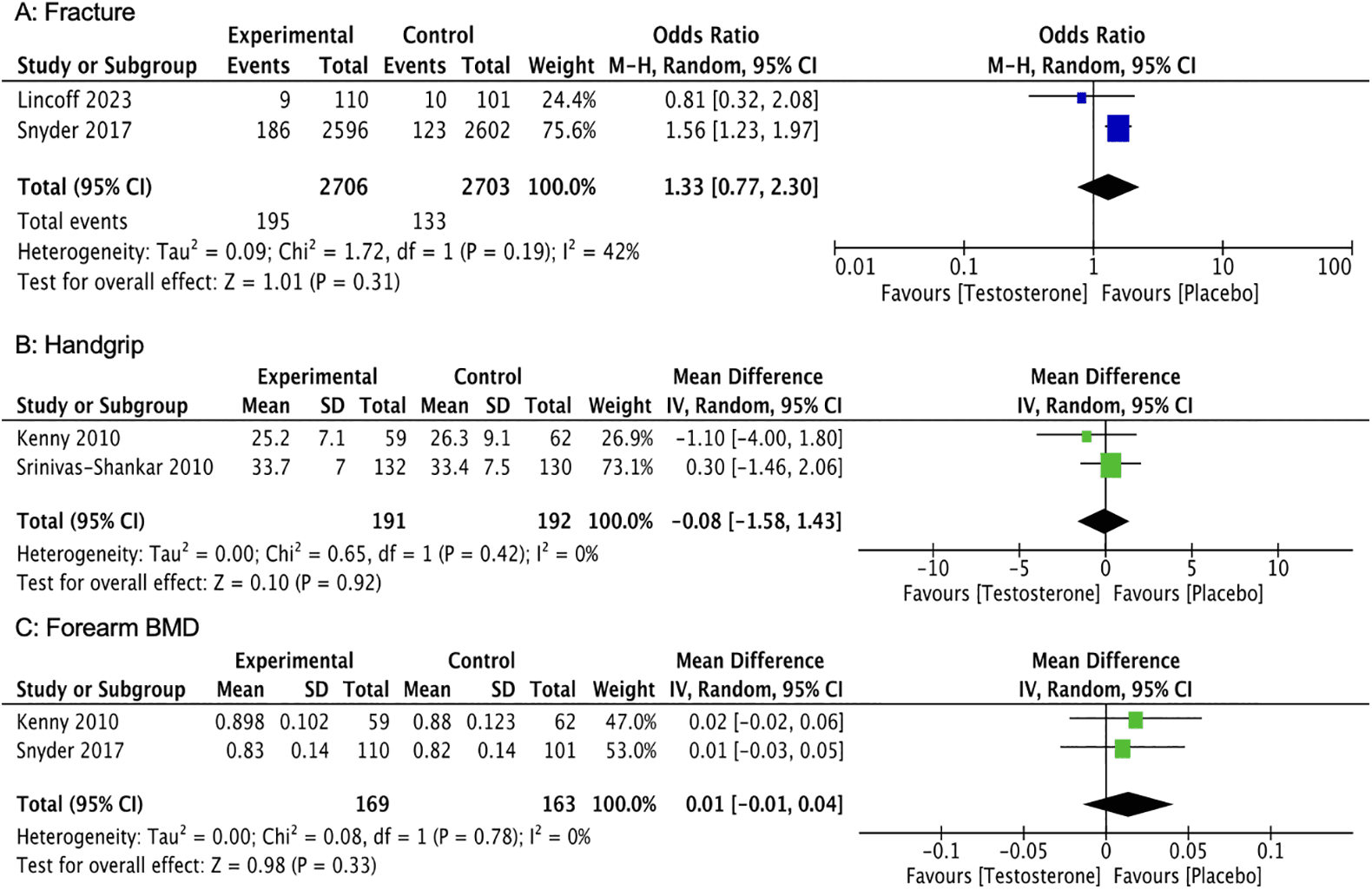
Figure 3. Change in fracture risk, handgrip strength, and forearm bone mineral density. SD: standard deviation; CI: confidence interval; BMD: bone mineral density.
3.5 Effect on Metabolism
Five articles were analyzed to evaluate the effect of TRT on HDL compared to a placebo. The analysis revealed that TRT had a trend of decreasing HDL with an MD of −0.04 mmol/l (95% CI: −0.10, 0.01; P = 0.13; I2 = 0%, Tau2 = 0) (Fig. 4A). Five different articles were analyzed to evaluate the effect of TRT on LDL compared to a placebo, showing an MD of 0.02 mmol/l (95% CI: −0.13, 0.16; P = 0.82; I2 = 0%, Tau2 = 0) (Fig. 4B). Another five articles were analyzed for the effect of TRT on TG, demonstrating an MD of −0.07 mmol/l (95% CI: −0.67, 0.13; P = 0.5; I2 = 0%, Tau2 = 0) (Fig. 4C). Three other articles were analyzed for the effect of TRT on HOMA-IR, showing a trend of reducing HOMA-IR with an MD of −1.03 (95% CI: −2.87, 0.78; P = 0.27; I2 = 75%, Tau2 = 1.84) (Fig. 4D).
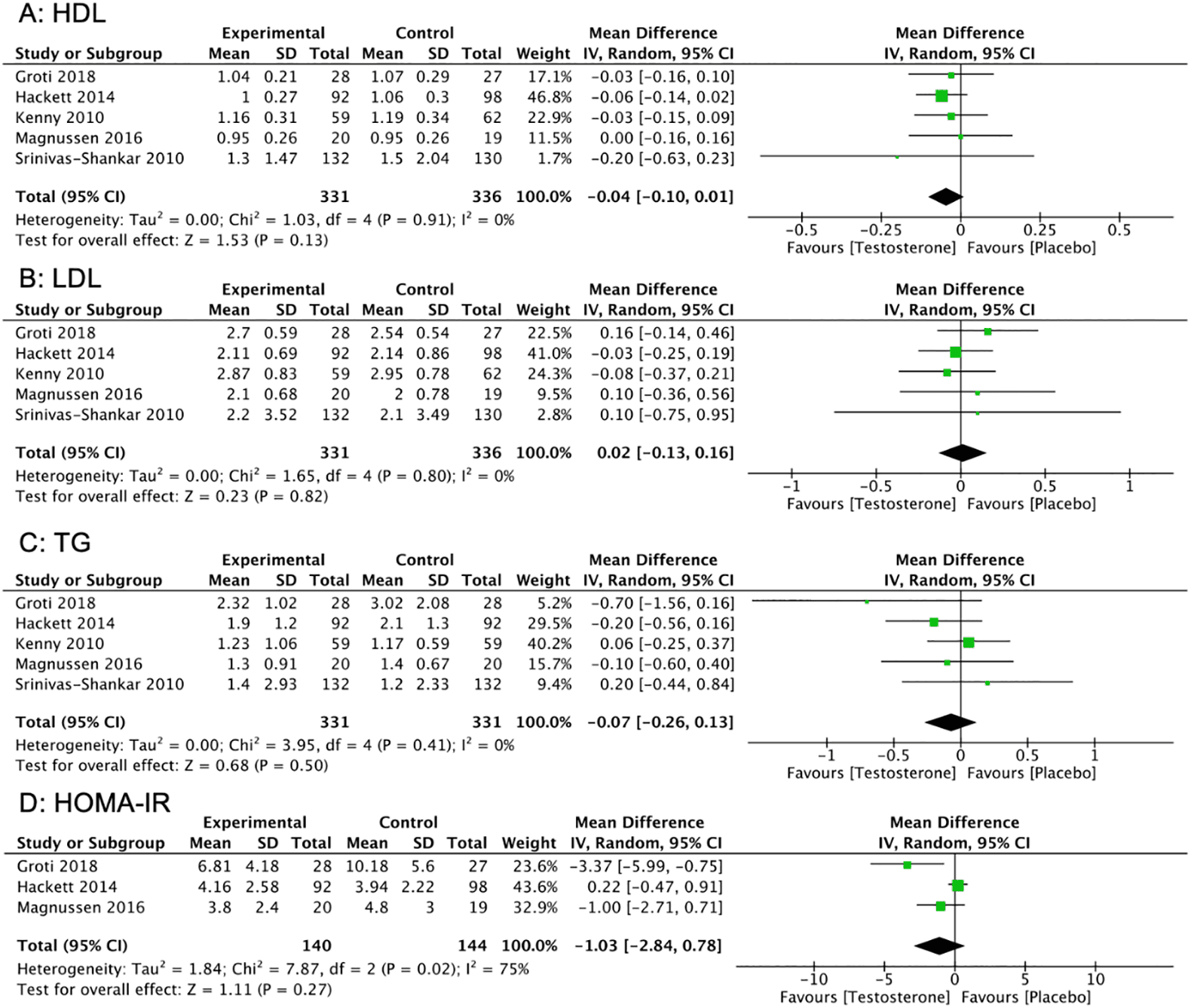
Figure 4. Change in lipid metabolism and homeostatic model assessment for insulin resistance. SD: standard deviation; CI: confidence interval; HDL: high-density lipoprotein cholesterol; LDL: low-density lipoprotein cholesterol; TG: triglycerides.
3.6 Effect on Hormones
Three articles were analyzed to evaluate the effect of TRT on estradiol compared to a placebo. The analysis revealed that TRT increased the estradiol level with an MD of 21.2 pmol/l (95% CI: 5.2, 37.2; P = 0.01; I2 = 98%, Tau2 = 195.4) (Fig. S3A). Four other articles were analyzed to evaluate the effect of TRT on SHBG compared to a placebo, showing no change with an MD of 0.56 nmol/l (95% CI: −2.05, 3.17; P = 0.67; I2 = 64%, Tau2 = 4.06) Fig. S3B).
3.7 Adverse Effects
Three articles were analyzed to evaluate the risk of adverse events associated with TRT compared to placebo. The analysis revealed that TRT did not increase adverse events, with an OR of 1.08 (95% CI: 0.75, 1.56; P = 0.67; I2 = 59%, Tau2 = 0.06) (Fig. S4A). Another four articles were analyzed to evaluate the effect of TRT on PSA levels compared to a placebo, showing a trend of increasing PSA levels with an MD of 0.39 nmol/l (95% CI: −0.20, 0.98; P = 0.19; I2 = 90%, Tau2 = 0.32) (Fig. S4B).
3.8 Fix Model and Sensitivity Analysis
A fixed-effects model analysis was applied to outcomes with I2 < 25%, including BMI, LBM, fat mass, BT, FT, HDL, LDL, TG, handgrip strength, and forearm BMD, with consistent results observed. (Figs. S5 to S14). The results remained consistent. We have also included the results from the fixed-effects model in the Supplementary Materials. For outcomes with I2 ≥ 50%, sensitivity analyses were performed for total testosterone, SHBG, estradiol, HOMA-I, and PSA (Figs. S15 to S19). While some individual outcome results showed variation, the overall conclusions remained unchanged.
3.9 Risk of Bias and Evidence
The risk of bias is shown in Fig. S20. Overall, the included articles were of good quality, with a low risk of bias. Publication bias was evident in Figs. S21 through S37, though none was observed in the subgroup analysis. Due to the small sample size in studies examining body composition as the primary outcome, the level of evidence moderately supports the use of TRT.
4. Discussion
This study presents compelling evidence supporting the long-term efficacy of using TRT in males with hypogonadism. TRT effectively increased the blood levels of total and bioavailable testosterone as well as BMI and LBM while showing a trend toward reduced FM. However, there was no increased risk of fractures, nor was there a reduction in handgrip strength or BMD. While TRT can alter body composition, musculoskeletal function is influenced by factors beyond muscle volume alone. TRT tended to decrease HDL, although this change was not statistically significant. TRT had a limited effect on other lipid metabolism markers, such as LDL and TG. Due to the specific focus of the search, only a few studies were included in the meta-analysis. Studies examining TRT in patients with T2DM indicated a trend toward reduced HOMA-IR with TRT, but this was not statistically significant. There was no increased risk of adverse effects, although there was a tendency of TRT to increase PSA levels without statistical significance. This finding aligns with previous studies, which indicate that TRT is safe and effective in increasing testosterone levels, thereby confirming its safety.8,31 Additionally, TRT showed a limited effect on handgrip strength, BMD, or the risk of fracture, which is consistent with previous studies.32,33
TRT aims to alleviate symptoms of low testosterone and maintain levels within the normal range. This meta-analysis identified increases in total, free, and bioavailable testosterone levels. While total testosterone is the most accessible measurement for standard laboratories, free and bioavailable testosterone can serve as useful adjuncts, especially for men with borderline low testosterone levels.34 Although the meta-analysis showed an increase in LBM, no changes in handgrip strength or fracture risk were observed. Exercise benefits the musculoskeletal system by not only increasing muscle size but also strengthening bones, improving joint flexibility, and enhancing neuromuscular coordination.35 These combined effects contribute to better balance, agility, and injury prevention. Therefore, optimal musculoskeletal health relies on a balance of muscle volume, strength, flexibility, and coordination rather than muscle size alone. The combination of exercise and TRT plays an important role in the treatment of hypogonadism.36
However, our study did not assess specific exercise regimens in combination with TRT, which could be a valuable area for future research to determine the most effective types and intensities of exercise to pair with TRT. Additionally, the long-term effects of combined TRT and exercise on musculoskeletal function, balance, and injury prevention remain underexplored. Future studies should investigate these combined effects in larger, more diverse populations to clarify optimal approaches and to further assess any potential risks associated with long-term use. Addressing these areas could provide more targeted strategies for improving functional outcomes and quality of life in hypogonadal patients.
The selection of a testosterone formulation and its administration method depends on patient preferences, acceptance of different treatments, the most suitable pharmacokinetics for the patient, and treatment goals. TRT should be considered for men with testosterone deficiency to alleviate specific symptoms and promote secondary sexual characteristics, following a thorough shared decision-making discussion about the benefits and risks. The choice of treatment should consider the patient’s preferences, pharmacokinetics, potential drug interactions, formulation-specific side effects, treatment burden, and costs. Clinicians need to monitor men on TRT for symptom improvement, possible adverse effects, and adherence. Although there was no statistically significant increase in PSA levels, it is recommended for men aged 40 years or older on TRT to have their serum testosterone and PSA levels measured both at baseline and annually.4
There were several limitations to our study. Firstly, a limited number of RCTs were conducted to identify the efficacy of TRT in males with hypogonadism, and most of the analyses were carried out with data from fewer than five studies. Secondly, the definitions of hypogonadism, dosages of TRT, and patients’ backgrounds were inconsistent, which weakened the strength of the conclusions. The effect of TRT across different age groups remains unclear due to limited data in the included studies, which prevented a subgroup analysis by age. Thirdly, the follow-up periods were relatively short, with the longest being three years, limiting the ability to assess long-term outcomes for prescriptions extending over multiple years. Fourthly, due to the design of the search formula, the data on the adverse effects of TRT on cardiovascular health were insufficient. The long-term risks of cardiovascular events and prostate cancer during testosterone treatment remain unknown. The keywords related to outcomes, such as bone, fractures, or musculoskeletal, may also have excluded potential papers supporting the primary outcomes of BMI and LBM.
5. Conclusion
This study presents compelling evidence supporting the long-term efficacy of TRT in males with hypogonadism. TRT effectively increased blood levels of total testosterone and BMI, although it did not lead to improvements in handgrip strength or BMD. The combined approach of TRT and exercise may be an important strategy for improving functional outcomes in hypogonadal patients, highlighting its potential value in clinical practice.
Acknowledgment
Not applicable.
Funding Statement
This research received no external funding.
Authors’ Contribution
Conceptualization: R.O. and H.K.; Methodology: R.O.; Formal Analysis: H.K.; Writing, Reviewing & Editing: R.O., H.K., H.H., and S.T. All authors have read the manuscript and agree with the content and data.
Data Availability Statement
Raw data is available upon reasonable request to the corresponding author.
Ethical Statement
Not applicable.
Conflicts of Interest
The authors report no conflicts of interest in this work.
Supplemental Information
Supplemental information for this article can be found online at https://sup.jclinque.com/api/articles/56/download-suppl.
References
[1] Kumar P, Kumar N, Thakur DS, et al. Male hypogonadism: symptoms and treatment. J Adv Pharm Technol Res. July 2010;1(3):297–301. doi:10.4103/0110-5558.72420.
[2] Cai M, Chen J. Association between life’s essential 8 and testosterone deficiency in men: NHANES 2011–2016. Front Endocrinol (Lausanne). 2024;15:1394383. doi:10.3389/fendo.2024.1394383.
[3] Yabluchanskiy A, Tsitouras PD. Is testosterone replacement therapy in older men effective and safe? Drugs Aging. November 2019;36(11):981–989. doi:10.1007/s40266-019-00716-2.
[4] Heidelbaugh JJ, Belakovskiy A. Testosterone replacement therapy for male hypogonadism. Am Fam Physician. June 2024;109(6):543–549.
[5] Barbonetti A, D’Andrea S, Francavilla S. Testosterone replacement therapy. Andrology. November 2020;8(6):1551–1566. doi:10.1111/andr.12774.
[6] Tsujimura A. The relationship between testosterone deficiency and men’s health. World J Mens Health. August 2013;31(2):126–135. doi:10.5534/wjmh.2013.31.2.126.
[7] Pencina KM, Travison TG, Cunningham GR, et al. Effect of testosterone replacement therapy on sexual function and hypogonadal symptoms in men with hypogonadism. J Clin Endocrinol Metab. January 18, 2024;109(2):569–580. doi:10.1210/clinem/dgad484.
[8] Corona G, Rastrelli G, Sparano C, et al. Pharmacological management of testosterone deficiency in men current advances and future directions. Expert Rev Clin Pharmacol. June 13, 2024;17(8):1–17. doi:10.1080/17512433.2024.2366505.
[9] Sakamuri A, Visniauskas B, Kilanowski-Doroh I, et al. Testosterone deficiency promotes arterial stiffening independent of sex chromosome complement. Biol Sex Differ. June 6, 2024;15(1):46. doi:10.1186/s13293-024-00624-0.
[10] Lincoff AM, Bhasin S, Flevaris P, et al. Cardiovascular safety of testosterone-replacement therapy. N Engl J Med. July 13. 2023;389(2):107–117. doi:10.1056/NEJMoa2215025.
[11] Basaria S. Male hypogonadism. Lancet. April 5, 2014;383(9924):1250–1263. doi:10.1016/S0140-6736(13)61126-5.
[12] Bhasin S, Cunningham GR, Hayes FJ, et al. Testosterone therapy in men with androgen deficiency syndromes: an Endocrine Society clinical practice guideline. J Clin Endocrinol Metab. June 2010;95(6):2536–2559. doi:10.1210/jc.2009-2354.
[13] Elliott J, Kelly SE, Millar AC, et al. Testosterone therapy in hypogonadal men: a systematic review and network meta-analysis. BMJ Open. November 16 2017;7(11):e015284. doi:10.1136/bmjopen-2016-015284.
[14] Snyder PJ, Bauer DC, Ellenberg SS, et al. Testosterone treatment and fractures in men with hypogonadism. N Engl J Med. January 18, 2024;390(3):203–211. doi:10.1056/NEJMoa2308836.
[15] Anderson DJ, Vazirnia P, Loehr C, et al. Testosterone replacement therapy in the treatment of depression. Health Psychol Res. 2022;10(4):38956. doi:10.52965/001c.38956.
[16] Diem SJ, Greer NL, MacDonald R, et al. Efficacy and safety of testosterone treatment in men: an evidence report for a clinical practice guideline by the American college of physicians. Ann Intern Med. January 21, 2020;172(2):105–118. doi:10.7326/M19-0830.
[17] Page MJ, McKenzie JE, Bossuyt PM, et al. The PRISMA, 2020 statement: an updated guideline for reporting systematic reviews. Bmj. March 29, 2021;372:n71. doi:10.1136/bmj.n71.
[18] University Hospital Medical Information Network. The effectiveness and safety of testosterone replacement therapy in the musculoskeletal system of males with hypogonadism: a systematic review and meta-analysis. https://center6.umin.ac.jp/cgi-open-bin/ctr_e/ctr_view.cgi?recptno=R000063801. Published 2024, Accessed on November 2, 2024.
[19] Butcher NJ, Monsour A, Mew EJ, et al. Guidelines for reporting outcomes in trial reports: the CONSORT-outcomes 2022 extension. Jama. December 13, 2022;328(22):2252–2264. doi:10.1001/jama.2022.21022.
[20] Higgins JP, Thompson SG, Deeks JJ, et al. Measuring inconsistency in meta-analyses. Bmj. September 6, 2003;327(7414):557–560. doi:10.1136/bmj.327.7414.557.
[21] Aversa A, Bruzziches R, Francomano D, et al. Effects of testosterone undecanoate on cardiovascular risk factors and atherosclerosis in middle-aged men with late-onset hypogonadism and metabolic syndrome: results from a 24-month, randomized, double-blind, placebo-controlled study. J Sex Med. October 2010;7(10):3495–3503. doi:10.1111/j.1743-6109.2010.01931.x.
[22] Basaria S, Coviello AD, Travison TG, et al. Adverse events associated with testosterone administration. N Engl J Med. July 8, 2010;363(2):109–122. doi:10.1056/NEJMoa1000485.
[23] Kenny AM, Kleppinger A, Annis K, et al. Effects of transdermal testosterone on bone and muscle in older men with low bioavailable testosterone levels, low bone mass, and physical frailty. J Am Geriatr Soc. June 2010;58(6):1134–1143. doi:10.1111/j.1532-5415.2010.02865.x.
[24] Srinivas-Shankar U, Roberts SA, Connolly MJ, et al. Effects of testosterone on muscle strength, physical function, body composition, and quality of life in intermediate-frail and frail elderly men: a randomized, double-blind, placebo-controlled study. J Clin Endocrinol Metab. February 2010;95(2):639–650. doi:10.1210/jc.2009-1251.
[25] Hackett G, Cole N, Bhartia M, et al. Testosterone replacement therapy improves metabolic parameters in hypogonadal men with type 2 diabetes but not in men with coexisting depression: the BLAST study. J Sex Med. Mar 2014;11(3):840–856. doi:10.1111/jsm.12404.
[26] Magnussen LV, Glintborg D, Hermann P, et al. Effect of testosterone on insulin sensitivity, oxidative metabolism and body composition in aging men with type 2 diabetes on metformin monotherapy. Diabetes Obes Metab. October 2016;18(10):980–989. doi:10.1111/dom.12701.
[27] Snyder PJ, Kopperdahl DL, Stephens-Shields AJ, et al. Effect of testosterone treatment on volumetric bone density and strength in older men with low testosterone: a controlled clinical trial. JAMA Intern Med. April 1, 2017;177(4):471–479. doi:10.1001/jamainternmed.2016.9539.
[28] Huang G, Wharton W, Bhasin S, et al. Effects of long-term testosterone administration on cognition in older men with low or low-to-normal testosterone concentrations: a prespecified secondary analysis of data from the randomised, double-blind, placebo-controlled TEAAM trial. Lancet Diabetes Endocrinol. August 2016;4(8):657–665. doi:10.1016/S2213-8587(16)30102-4.
[29] Wittert G, Atlantis E, Allan C, et al. Testosterone therapy to prevent type 2 diabetes mellitus in at-risk men (T4DMdesign and implementation of a double-blind randomized controlled trial. Diabetes Obes Metab. April 2019;21(4):772–780. doi:10.1111/dom.13601.
[30] Groti K, Žuran I, Antonič B, et al. The impact of testosterone replacement therapy on glycemic control, vascular function, and components of the metabolic syndrome in obese hypogonadal men with type 2 diabetes. Aging Male. September 2018;21(3):158–169. doi:10.1080/13685538.2018.1468429.
[31] Buratto J, Kirk B, Phu S, et al. Safety and efficacy of testosterone therapy on musculoskeletal health and clinical outcomes in men: a systematic review and meta-analysis of randomized placebo-controlled trials. Endocr Pract. September 2023;29(9):727–734. doi:10.1016/j.eprac.2023.04.013.
[32] Junjie W, Dongsheng H, Lei S, et al. Testosterone replacement therapy has limited effect on increasing bone mass density in older men: a meta-analysis. Curr Pharm Des. 2019;25(1):73–84. doi:10.2174/1381612825666190206223244.
[33] Lee TW, Kao PY, Chen YC, et al. Effects of testosterone replacement therapy on muscle strength in older men with low to low-normal testosterone levels: a systematic review and meta-analysis. Gerontology. 2023;69(10):1157–1166. doi:10.1159/000532062.
[34] King B, Natale C, Hellstrom WJG. Testosterone assays. Urol Clin North Am. November 2022;49(4):665–677. doi:10.1016/j.ucl.2022.07.009.
[35] Maestroni L, Read P, Bishop C, et al. The benefits of strength training on musculoskeletal system health: practical applications for interdisciplinary care. Sports Med. August 2020;50(8):1431–1450. doi:10.1007/s40279-020-01309-5.
[36] Cho DY, Yeo JK, Cho SI, et al. Exercise improves the effects of testosterone replacement therapy and the durability of response after cessation of treatment: a pilot randomized controlled trial. Asian J Androl. September–October 2017;19(5):602–607. doi:10.4103/1008-682X.184269.
 |
Copyright: © 2024 Kazahari et al. This work is licensed under a Creative Commons Attribution 4.0 International License, which permits unrestricted use, distribution, and reproduction in any medium, provided the original work is properly cited. |