| Journal of Clinical Question. 2026; 3(1): e105 https://doi.org/10.69854/jcq.2026.0002 Advance access publication date 15 February 2026 |
 |
Meta-analysis
Systemic Corticosteroids for Severe Community-Acquired Pneumonia: A Systematic Review and Meta-Analysis of Randomized Controlled Trials
Maju Kawamoto, Hikaru Suzuki, Shinichiro Yamamoto, Kiyotaka Watanabe , Nobuhiko Seki*
Department of Internal Medicine, Teikyo University Hospital, Tokyo, Japan.
*Corresponding Author: email: nseki@med.teikyo-u.ac.jp
Submitted: January 03, 2026 Accepted: February 14, 2026
Clinical Question Box
In adults with severe community-acquired pneumonia, does adjunctive systemic corticosteroid therapy improve mortality and clinical outcomes compared with standard care alone?
The primary benefit of corticosteroids in severe community-acquired pneumonia appears to involve improved clinical recovery and better healthcare resource utilization rather than a clear survival advantage. Adjunctive systemic corticosteroid therapy probably does not reduce short- or long-term all-cause mortality, based on moderate-certainty evidence. Corticosteroid therapy reduces hospital length of stay with moderate-certainty evidence and reduces intensive care unit length of stay with high-certainty evidence. Corticosteroid use is not associated with an increased risk of serious adverse events, based on moderate-certainty evidence.
Abstract
Background: The benefit of adjunctive systemic corticosteroids in severe community-acquired pneumonia (sCAP) remains uncertain. Randomized trials have reported inconsistent effects on mortality and other key clinical outcomes. Methods: Randomized controlled trials comparing systemic corticosteroids with placebo or standard care in adults with sCAP were identified through searches of PubMed, Embase, CENTRAL, and Web of Science through December 1, 2025. The primary outcome was short-term all-cause mortality. Secondary outcomes included long-term mortality, hospital length of stay, intensive care unit (ICU) length of stay, and serious adverse events. Subgroup analyses evaluated outcomes according to initial ICU admission status. Pooled estimates were calculated with random-effects models. Results: Ten randomized controlled trials including 4,757 patients met the inclusion criteria. Corticosteroid therapy did not show a significant reduction in short-term mortality (odds ratio [OR] 0.74, 95% confidence interval [CI] 0.52–1.05) or long-term mortality (OR 0.95, 95% CI 0.53–1.70). Sensitivity analyses indicated a possible reduction in short-term mortality among patients not initially admitted to the ICU, while no mortality benefit appeared among those admitted directly to the ICU. Corticosteroids reduced hospital length of stay (mean difference −2.25 days, 95% CI −4.44 to −0.06) and ICU length of stay (mean difference −1.10 days, 95% CI −1.63 to −0.58). No significant increase in serious adverse events was observed. Conclusions: In adults with sCAP, adjunctive systemic corticosteroids shorten hospital and ICU stays without increasing serious adverse events, while the effect on mortality remains uncertain. These findings support selective rather than routine use of corticosteroids in sCAP.
Keywords: Severe community-acquired pneumonia, corticosteroids, mortality, intensive care unit, length of stay, meta-analysis
Introduction
Pneumonia accounts for a major proportion of severe infectious disease burden and related mortality.1 Community-acquired pneumonia (CAP), in particular, remains a significant global contributor to infectious disease-related morbidity and mortality, with older adults and individuals with comorbid conditions demonstrating greater vulnerability.2 Reported global incidence ranges from approximately 1.5 to 14 cases per 1,000 person-years, reflecting substantial variation across regions, seasons, and populations.3 CAP ranks among the leading causes of death from infectious diseases worldwide, especially among older adults and those with chronic illnesses. In adults aged ≥65 years, CAP-related mortality rises sharply with increasing age and disease severity. Patients with severe pneumonia who require intensive care unit (ICU) admission may face mortality rates approaching 23% or higher, with older age and comorbidities serving as major predictors of poor outcomes.4
Assessment of disease severity is central to the management of CAP, as it directly informs prognosis and guides clinical decision-making. Validated clinical prediction tools, including the Pneumonia Severity Index and CURB-65,5,6 incorporate demographic factors, comorbid conditions, and physiological parameters to stratify patients according to mortality risk and to support decisions regarding the appropriate site and intensity of care. Identification of severe CAP (sCAP) carries important therapeutic implications. It necessitates early hospital or intensive care unit admission, prompt initiation of empiric antimicrobial therapy, and implementation of advanced supportive interventions such as close hemodynamic monitoring, respiratory support, and management of sepsis or organ dysfunction.7 The American Thoracic Society/Infectious Diseases Society of America (ATS/IDSA) defines sCAP by the presence of at least one major criterion, namely invasive mechanical ventilation or septic shock requiring vasopressors, or three or more minor criteria reflecting severe physiological derangement.8 Although ATS/IDSA criteria are the most widely used, severe CAP has also been defined through alternative frameworks that rely on intensive care unit admission, the need for mechanical ventilation or vasopressor support, sepsis-related organ dysfunction, or high-risk severity scores. These approaches reflect variability in operational definitions, despite broad agreement on the life-threatening nature of the condition.9,10
Management of sCAP prioritizes early initiation of appropriate empiric broad-spectrum antimicrobial therapy, aggressive supportive care, and timely treatment of complications such as acute respiratory failure or septic shock, often with the need for intensive care unit admission.11 Adjunctive systemic corticosteroids have emerged as a potential therapeutic option in selected patients with sCAP, particularly those who demonstrate evidence of excessive host inflammatory responses.12 The pathobiology of sCAP is characterized by dysregulated inflammation that leads to alveolar-capillary injury, acute respiratory distress syndrome, shock, and multi-organ dysfunction, which provides a strong mechanistic rationale for corticosteroid therapy.13 Potential benefits include improved oxygenation, reduced progression to respiratory failure, and faster clinical stabilization; however, these potential advantages must be weighed against risks such as hyperglycemia, secondary infection, gastrointestinal bleeding, neuromuscular weakness, and impaired pathogen clearance, especially in viral pneumonias.14
Randomized clinical trials (RCTs) evaluating corticosteroids in CAP and sCAP have produced heterogeneous results, likely reflecting differences in severity definitions, causative pathogens, inflammatory phenotypes, and corticosteroid regimens. The CAPE COD trial reported a significant reduction in 28-day mortality with early hydrocortisone administration in patients with ICU-treated sCAP, renewing interest in adjunctive corticosteroid therapy and prompting debate regarding the optimal agent compared with alternatives such as methylprednisolone or prednisone.15 In contrast, findings from the REMAP-CAP trial indicate that, among patients with severe CAP, a 7-day course of hydrocortisone compared with usual care is unlikely to deliver a substantial mortality benefit, although smaller benefits or potential harms cannot be excluded.16 Taken together, these results emphasize persistent uncertainty regarding the role of corticosteroids in sCAP and highlight the importance of appropriate patient selection, timing, and clinical context.
Guideline recommendations have evolved alongside the expanding evidence base. The 2019 ATS/IDSA guideline advised against routine corticosteroid use in CAP, including sCAP, because of inconsistent benefit and safety concerns.8 Subsequent international guidance adopted a more selective strategy, recommending corticosteroids in sCAP complicated by septic shock, while more recent critical care-focused updates issued stronger recommendations supporting corticosteroid use in hospitalized patients with severe CAP.17 The 2025 ATS update now suggests systemic corticosteroids for adults with sCAP, while continuing to discourage their use in non-severe CAP and generally excluding severe influenza pneumonia, underscoring the dynamic and evolving nature of evidence-based practice in this field.18 In view of recently published randomized trials and ongoing uncertainty regarding the balance of benefit and harm, this meta-analysis aimed to assess the effects of adjunctive corticosteroid therapy on mortality, key clinical outcomes, and safety in adults with sCAP.
Methods
Study Design and Reporting Standards
A systematic review and meta-analysis of RCTs evaluating systemic corticosteroids in adults with sCAP was conducted in accordance with the Preferred Reporting Items for Systematic Reviews and Meta-Analyses (PRISMA) guidelines. The study design, eligibility criteria, outcomes, and analytical approach were specified a priori in a predefined protocol and registered with the Open Science Framework.19
Data Sources and Search Strategy
A comprehensive literature search was conducted in PubMed, Embase, CENTRAL, and Web of Science from database inception to the most recent search date. The search strategy combined controlled vocabulary and free-text terms, including “community-acquired pneumonia” to identify the condition; “glucocorticoids,” “corticosteroids,” “hydrocortisone,” “methylprednisolone,” and “dexamethasone” to identify the intervention; and “placebo” or “randomized” to identify the control (Table S1). The search was completed on December 1, 2025. Reference lists of relevant reviews and eligible studies were also manually screened to identify additional trials.
Eligibility Criteria
Studies qualified for inclusion if they met the following criteria: (1) RCTs involving adults (≥18 years) with sCAP; (2) assessment of systemic corticosteroids administered intravenously or orally, compared with placebo or standard care; and (3) reporting of at least one prespecified clinical outcome of interest. Studies were excluded if they focused exclusively on (1) hospital-acquired or ventilator-associated pneumonia, or viral pneumonia such as influenza or COVID-19; (2) single-dose systemic corticosteroid administration; (3) studies with ethical concerns; or (4) inhaled corticosteroids.
Outcomes
The primary outcome was short-term all-cause mortality. This outcome included 28-day mortality, 30-day mortality, and in-hospital mortality. Secondary outcomes included long-term mortality, defined as 90-day mortality, length of hospital stay, length of ICU stay, and severe adverse events. Subgroup analyses were performed based on initial ICU admission status. Patients admitted directly to the ICU formed the ICU group. Patients with unspecified ICU status formed the ICU-unspecified group.
Study Selection and Data Extraction
Two reviewers (M.K. and H.S.) independently screened study titles and abstracts to determine eligibility. Full-text articles for potentially relevant studies were then assessed independently to confirm inclusion. Any disagreements were resolved through discussion and consensus, with input from a third reviewer (S.Y.) if needed. The two reviewers independently extracted data using a standardized data collection form. Extracted information included study characteristics, patient demographics, severity criteria, corticosteroid regimens (agent, dose, route, duration, and tapering), comparator treatments, and reported outcomes. Study authors were contacted when clarification or missing data were required.
Data Synthesis and Statistical Analysis
Dichotomous outcomes were summarized as odds ratio (ORs) with 95% confidence intervals (CIs). Continuous outcomes were pooled as mean differences (MDs) when appropriate. Statistical heterogeneity was assessed with the I2 statistic. A random-effects model was used to account for expected clinical and methodological heterogeneity. When heterogeneity was low (I2 < 50%), a fixed-effects model was applied. Statistical analyses were performed using Review Manager, version 5.4 (The Cochrane Collaboration, Copenhagen, Denmark). All tests were two-sided, and a P value below 0.05 indicated statistical significance.
Risk of Bias and Certainty of Evidence
The risk of bias for all included studies using the Cochrane Risk of Bias tool. Prespecified subgroup analyses examined potential effect modification based on corticosteroid type, inclusion of intensive care unit-only populations. Sensitivity analyses assessed the robustness of the findings by excluding studies judged to be at high risk of bias. Publication bias was evaluated visually with funnel plots and statistically with Egger’s regression test when at least 10 studies were available for an outcome. The overall certainty of evidence for each outcome was assessed using the Grading of Recommendations Assessment, Development and Evaluation (GRADE) approach, which considers risk of bias, inconsistency, indirectness, imprecision, and publication bias.
Result
Study Selection and Characteristics
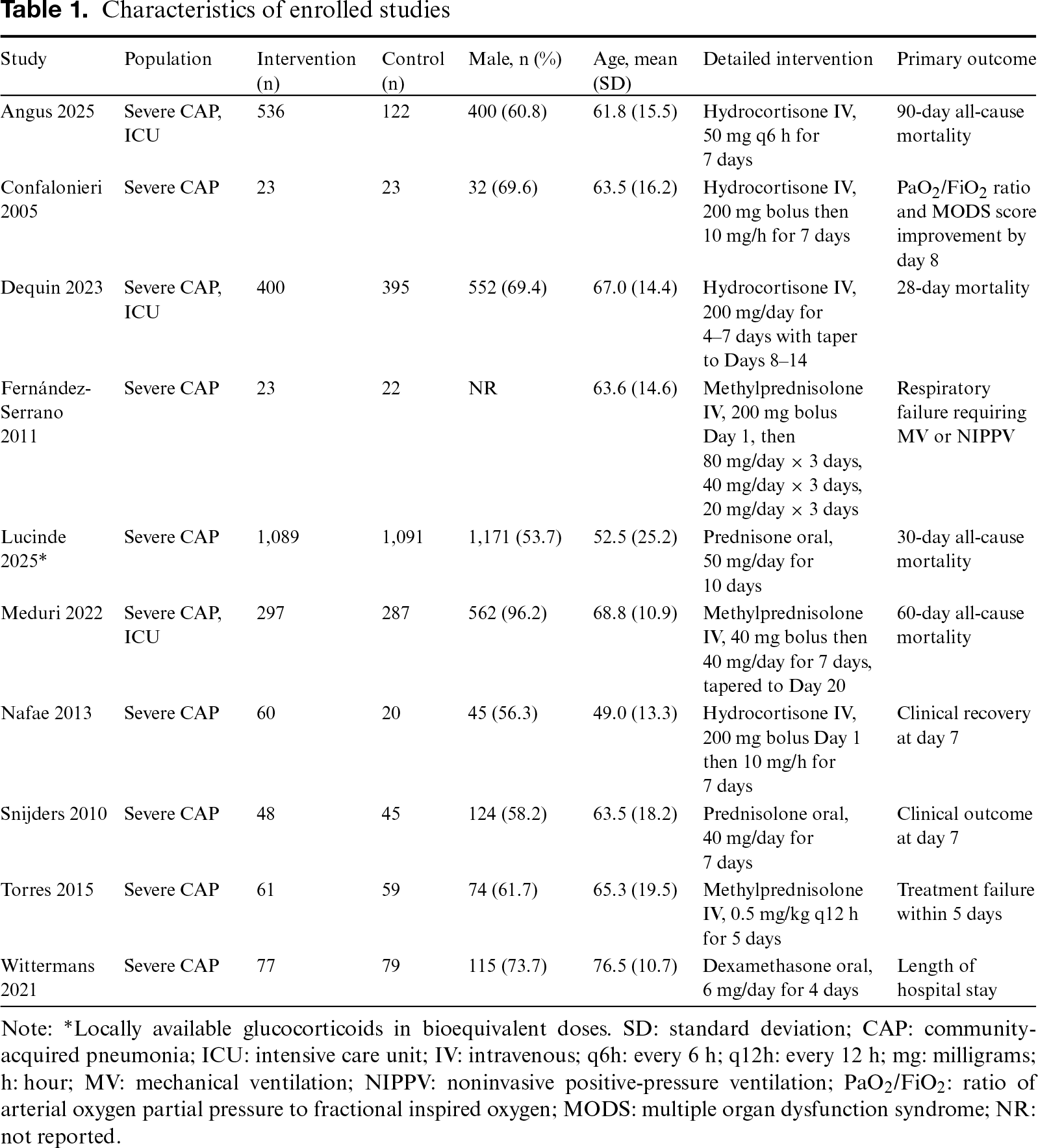
After conducting a database search, 1,164 records were identified. Following the removal of duplicates and the completion of the first and second screening stages, during which 117, 900, and 80 articles were excluded, respectively, 10 studies were ultimately included (Fig. S1). These 10 RCTs published between 2005 and 2025, enrolled a total of 4,757 patients with sCAP and were included in the final analysis (Table 1).15,16,20–27 Sample sizes varied significantly, ranging from small single-center trials with fewer than 50 participants per group to large multicenter studies enrolling over 2,000 patients. All studies included adult populations, with a predominance of male participants, and mean ages generally ranged from the early 50s to the mid-70s. Three trials specifically enrolled patients in the ICU group, while seven trials were classified as ICU unspecified. Corticosteroid regimens varied across trials and included intravenous hydrocortisone, methylprednisolone, and dexamethasone, as well as oral prednisone or prednisolone administered for 4–20 days, with or without tapering. Primary outcomes were heterogeneous and included mortality, clinical recovery treatment failure, respiratory outcomes organ dysfunction, and length of hospital stay.
Short-Term Mortality
The meta-analysis of short-term mortality is presented in Fig. 1A. Among patients with sCAP in the ICU group, corticosteroid therapy was not associated with a significant reduction in short-term mortality compared to placebo (OR 0.92, 95% CI 0.45–1.87, p = 0.81, I2 = 79%). Among patients in the ICU-unspecified group, corticosteroid therapy showed a trend toward lower short-term mortality, although this did not reach statistical significance (OR 0.61, 95% CI 0.37–1.02, p = 0.06, I2 = 30%). When all studies were pooled, corticosteroid therapy was associated with a nonsignificant reduction in short-term mortality (OR 0.74, 95% CI 0.52–1.05, p = 0.09, I2 = 50%).
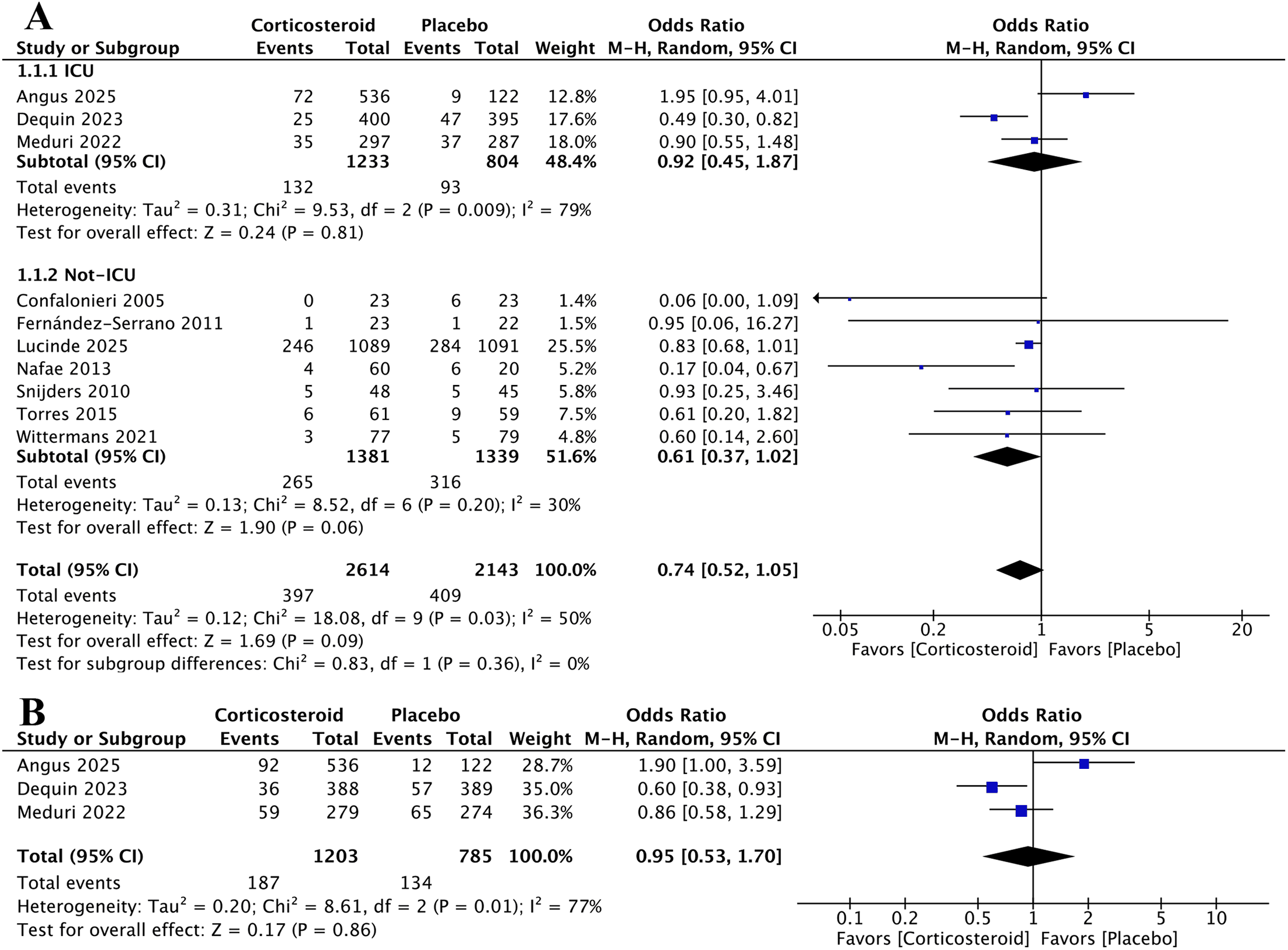
Figure 1. Meta-analysis of mortality outcomes in enrolled patients. (A) Short-term mortality and (B) long-term mortality
Sensitivity analyses are shown in Fig. S2. After excluding one study, heterogeneity among patients in the ICU group remained substantial (OR 0.67, 95% CI 0.37–1.21, p = 0.18, I2 = 64%). In contrast, a significant reduction in short-term mortality was observed in the ICU-unspecified group (OR 0.81, 95% CI 0.67–0.98, p = 0.03, I2 = 0%). The overall pooled sensitivity analysis demonstrated a significant reduction in short-term mortality (OR 0.76, 95% CI 0.63–0.93, p < 0.001, I2 = 4%).
Long-Term Mortality
Three trials reported long-term all-cause mortality outcomes, as shown in Fig. 1B. All were in the ICU-unspecified group. Corticosteroid therapy was associated with a nonsignificant trend toward reduced long-term mortality compared to placebo (OR 0.95, 95% CI 0.53–1.70, p = 0.86, I2 = 77%). Sensitivity analysis yielded similar results (OR 0.73, 95% CI 0.51–1.04, p = 0.08, I2 = 32%), as shown in Fig. S3.
Length of Hospital Stay
Hospital length of stay outcomes are summarized in Fig. 2A. Among patients in the ICU group, corticosteroid therapy was associated with a significant reduction in hospital length of stay compared to placebo (MD −1.39 days, 95% CI −2.35 to −0.43, p = 0.04, I2 = 8%). In the ICU-unspecified group, corticosteroid therapy was associated with a greater numerical reduction in hospital length of stay, although this did not reach statistical significance (MD −2.66 days, 95% CI −6.07 to 0.76, p = 0.13, I2 = 96%). The pooled analysis demonstrated a significant reduction in hospital length of stay with corticosteroid therapy (MD −2.25 days, 95% CI −4.44 to −0.06, p = 0.04, I2 = 94%).
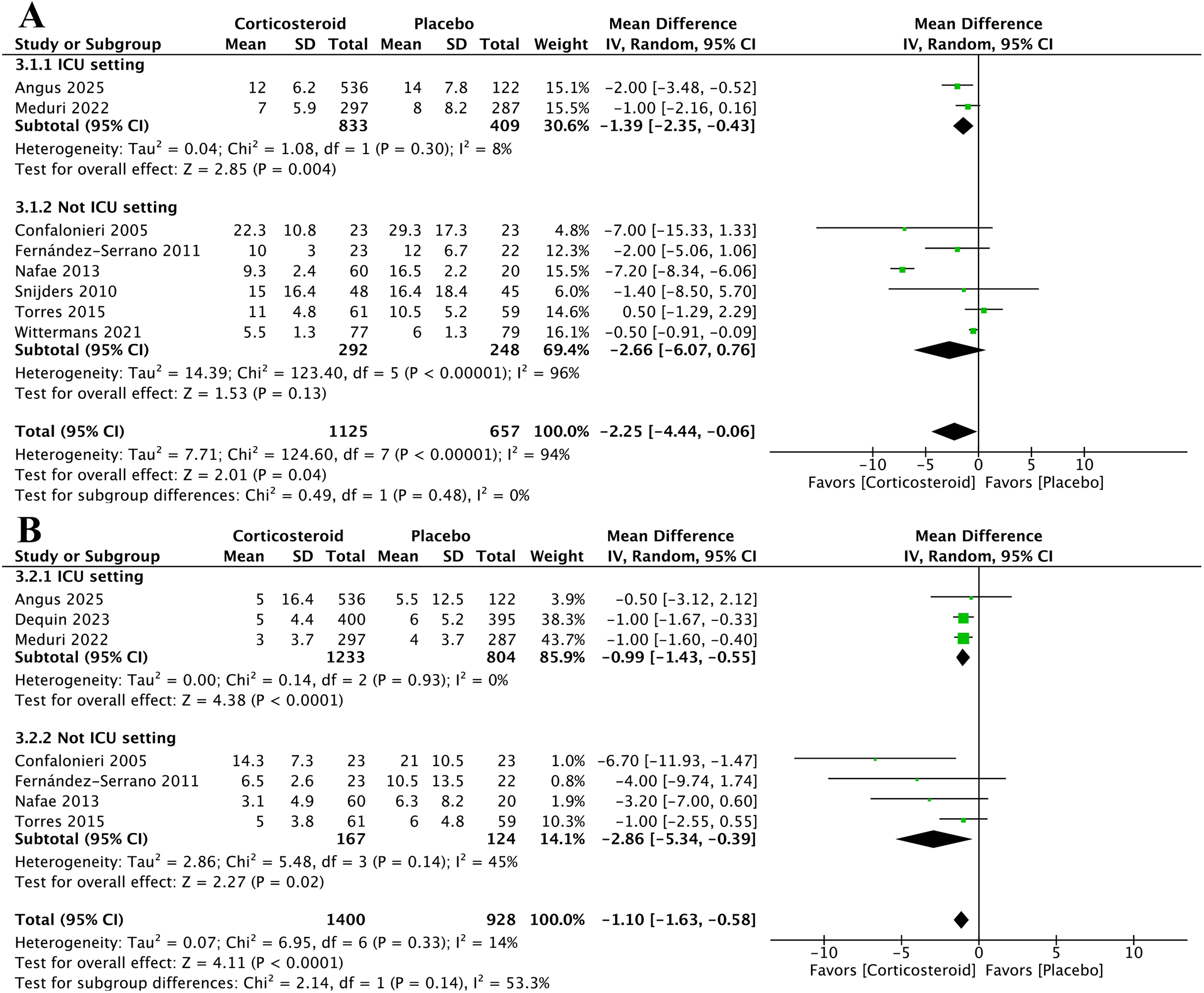
Figure 2. Meta-analysis of length-of-stay outcomes. (A) Length of hospital stay and (B) length of ICU stay
Sensitivity analysis among patients not initially admitted to the ICU showed an MD of −0.50 days (95% CI −1.27 to 0.27, p = 0.20, I2 = 11%). The overall sensitivity analysis demonstrated a significant reduction in hospital length of stay (MD −0.85 days, 95% CI −1.55 to −0.15, p = 0.02, I2 = 31%), as shown in Fig. S4.
Length of ICU Stay
ICU length of stay outcomes are presented in Fig. 2B. Among patients in the ICU group, corticosteroid therapy was associated with a significant reduction in ICU length of stay (MD −0.99 days, 95% CI −1.43 to −0.55, p < 0.001, I2 = 0%). Similarly, in the ICU-unspecified group, corticosteroid therapy was associated with a significant decrease in ICU length of stay (MD −2.86 days, 95% CI −5.34 to −0.39, p < 0.001, I2 = 45%). Pooled analysis demonstrated an overall significant reduction in ICU length of stay with corticosteroid therapy (MD −1.10 days, 95% CI −1.63 to −0.58, p < 0.001, I2 = 14%).
Serious Adverse Events
Serious adverse events are summarized in Fig. 3. Corticosteroid therapy was not associated with a statistically significant increase in the risk of serious adverse events (SAEs) compared with placebo (OR 0.83, 95% CI 0.67–1.01, p = 0.07, I2 = 24%).
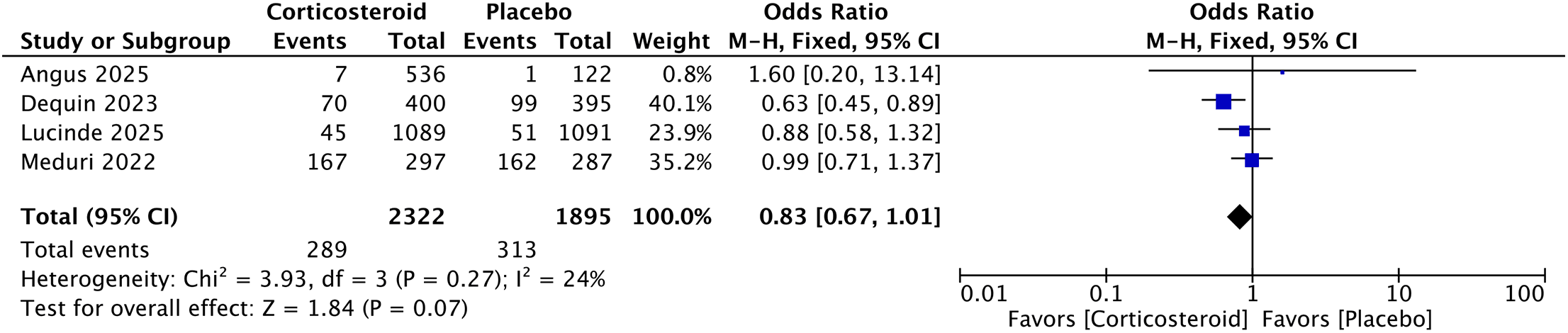
Figure 3. Meta-analysis of serious adverse events
Risk of Bias and Certainty of Evidence
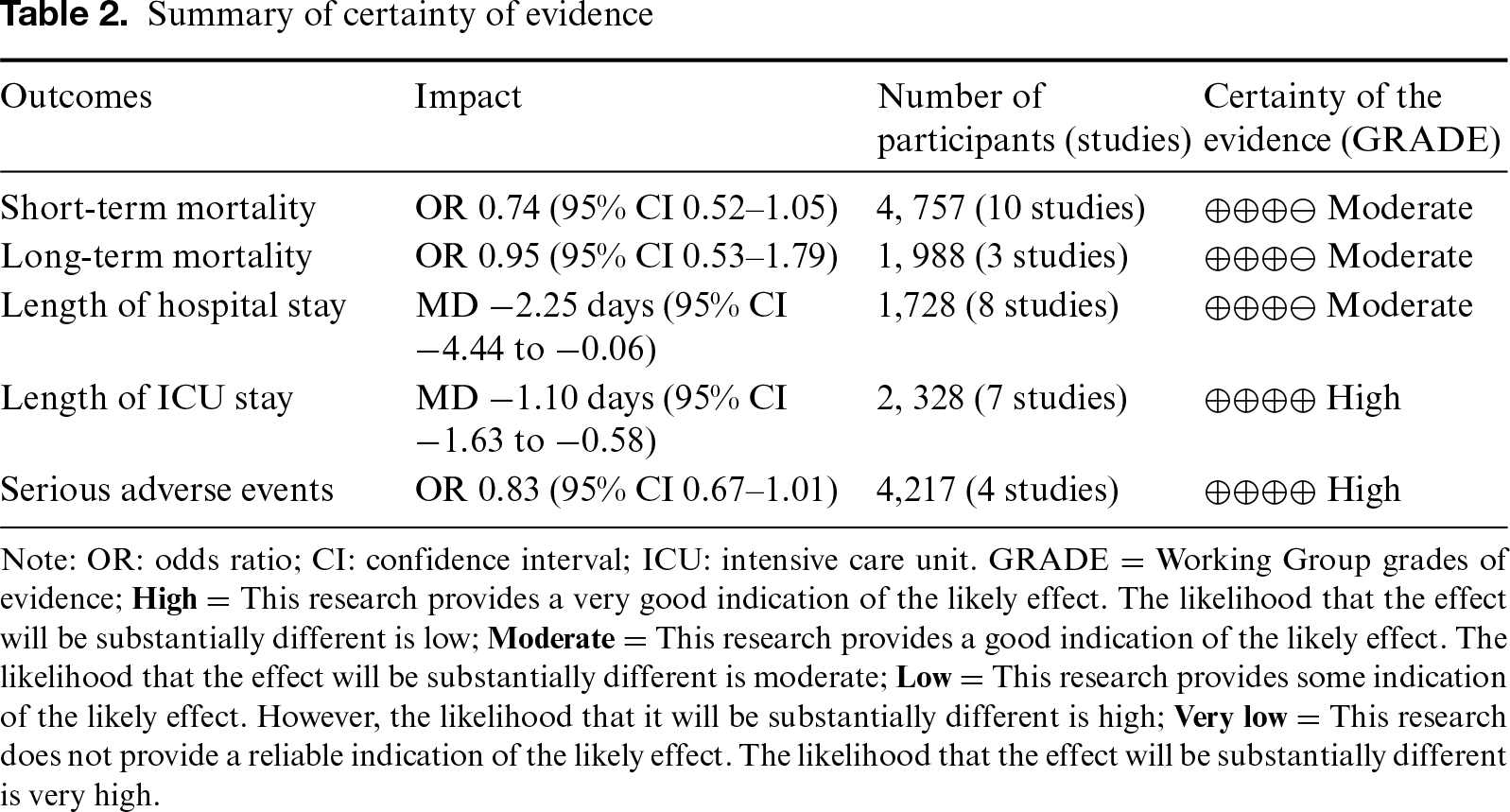
Publication bias was assessed using funnel plots and Egger’s test for short-term mortality, long-term mortality, length of hospital stay, length of ICU stay, and SAEs (Figs. S5–S9). No evidence of publication bias was detected. Risk of bias assessments are presented in Figs. S10–S14 and indicated no substantial risk of bias across outcomes. The certainty of evidence is summarized in Table 2. Moderate-certainty evidence suggests that systemic corticosteroids do not reduce short- or long-term mortality in patients with sCAP. In contrast, moderate- to high-certainty evidence demonstrates that corticosteroids reduce both hospital length of stay and ICU length of stay. Moderate-certainty evidence also indicates that corticosteroids are not associated with an increased risk of SAEs.
Discussion
In this systematic review and meta-analysis of RCTs involving adults with sCAP, adjunctive systemic corticosteroid therapy was associated with consistent reductions in hospital and ICU length of stay without an increase in serious adverse events. However, corticosteroids did not significantly reduce short- or long-term all-cause mortality in the primary pooled analyses.28,29 Although a trend toward lower short-term mortality was observed among patients whose initial ICU admission status was unspecified, this finding was not consistent across analyses. Collectively, these results suggest that the primary benefit of corticosteroids in sCAP lies in improved clinical efficiency rather than a definitive survival advantage.
Our mortality findings refine existing evidence and help reconcile prior inconsistencies. Earlier trials and meta-analyses have suggested potential mortality benefits of corticosteroids in selected patients with severe pneumonia, particularly those with heightened inflammatory responses, but results have remained heterogeneous.30 In the present analysis, the absence of a significant mortality effect in the primary pooled estimates indicates that any survival benefit is likely modest. Subgroup and sensitivity analyses suggested a potential reduction in short-term mortality among patients not initially admitted to the ICU, whereas no mortality benefit was observed among patients admitted directly to the ICU. These findings imply that corticosteroid responsiveness may vary according to baseline severity, timing of administration, and underlying disease trajectory.31
In contrast, reductions in hospital and ICU length of stay were robust and consistent across analyses. Corticosteroid therapy significantly shortened hospital stays overall and reduced ICU stay duration in both ICU-admitted and ICU-unspecified populations. These effects are biologically plausible, as corticosteroids may attenuate excessive inflammatory responses, accelerate the resolution of pulmonary injury, and facilitate earlier liberation from organ support.32 Importantly, length of stay is a clinically meaningful outcome that reflects recovery trajectory and healthcare resource utilization. However, substantial heterogeneity in short-term mortality among ICU patients may reflect differences in corticosteroid agents, timing, dosing, treatment duration, and baseline disease severity across studies. Future randomized trials using standardized corticosteroid protocols are needed to clarify the impact of these factors on clinical outcomes.
Subgroup differences based on initial ICU admission status further underscore the context-dependent nature of corticosteroid effects. Patients in the ICU-unspecified group appeared to derive broader benefits, including trends toward reduced mortality and shorter lengths of stay, whereas patients admitted directly to the ICU experienced reductions in ICU stay without improvements in survival. In advanced disease, mortality may be driven by irreversible organ failure or comorbid conditions less responsive to immunomodulation, potentially limiting the impact of corticosteroids on survival outcomes.33
Notably, there remains no consensus regarding the optimal corticosteroid agent, dosage, duration, or tapering strategy in sCAP. The included trials employed heterogeneous regimens that varied widely in type, dose, and treatment length, which likely contributed to between-study heterogeneity and may have attenuated detectable mortality effects. This lack of standardization limits the ability to define an optimal therapeutic approach and highlights an important gap in the current evidence base.
Safety concerns have historically tempered enthusiasm for corticosteroid use in CAP. Reassuringly, corticosteroid therapy was not associated with a statistically significant increase in serious adverse events in this analysis, consistent with contemporary randomized evidence. Although metabolic adverse effects such as hyperglycemia were reported, these events were generally manageable and did not translate into higher rates of severe complications or mortality.34
From a clinical and guideline perspective, these findings do not support the routine use of corticosteroids in all patients with sCAP. Instead, they favor a selective approach informed by disease severity, anticipated benefit, and patient-specific risk. Future research should focus on clarifying patient selection criteria, standardizing dosing regimens, determining the optimal timing of initiation, and directly comparing corticosteroid agents while systematically evaluating adrenal insufficiency as an important safety outcome.
Several limitations warrant consideration. Substantial heterogeneity existed across trials regarding corticosteroid regimens, definitions of sCAP, and ICU admission criteria. The absence of individual patient-level data limited the assessment of inflammatory phenotypes, treatment timing, and pathogen-specific responses. Additionally, some subgroup analyses were underpowered and should be interpreted cautiously.
Conclusion
In adults with sCAP, adjunctive systemic corticosteroid therapy reduces both hospital and ICU length of stay without an increase in serious adverse events. However, the mortality benefit remains uncertain. The absence of consensus on corticosteroid dosing further highlights the need for future well-designed trials to define the optimal regimen, timing, and patient selection before routine use can be recommended.
Acknowledgment
None.
Funding Statement
None.
Ethics Approval Statement
Not applicable.
Patient Consent Statement
Not applicable.
Conflict of Interest Disclosure
The authors declare that they have no competing interests.
Data Sharing Statement
The raw data are available upon reasonable request to the corresponding author via email.
Generative AI Declaration
During the preparation of this manuscript, the authors used ChatGPT to assist with proofreading. All content was subsequently reviewed and edited by the authors, who assume full responsibility for the accuracy and integrity of the published work.
Authors’ Contributions
M.K., H.S., and S.Y. contributed to the conception and design of the study, as well as to data analysis and interpretation. K.W. and N.S. contributed to the revision and critical review of the manuscript. All authors approved the final version of the manuscript and agreed on the journal to which it was submitted.
Supplemental Information
Supplemental information for this article can be found online at https://sup.jclinque.com/api/articles/105/download-suppl.
References
[1] Ramadan M, Bajunaid R, Alansari JA, Yusef H, Alsiary RA. The trends of mortality, aetiologies and risk factors of lower respiratory infections in Saudi Arabia from 1990 to 2021: results from the global burden of disease study 2021. J Health, Populat Nutritn. May 24, 2025;44(1):172. doi:10.1186/s41043-025-00882-7.
[2] Reyes LF, Conway Morris A, Serrano-Mayorga C, Derde LPG, Dickson RP, Martin-Loeches I. Community-acquired pneumonia. Lancet. November 15, 2025;406(10517):2371–2388. doi:10.1016/S0140-6736(25)01493-X.
[3] Tsoumani E, Carter JA, Salomonsson S, Stephens JM, Bencina G. Clinical, economic, and humanistic burden of community acquired pneumonia in Europe: a systematic literature review. Expert Rev Vaccines. January–December 2023;22(1):876–884. doi:10.1080/14760584.2023.2261785.
[4] Regunath H, Oba Y, Community-acquired pneumonia. In: StatPearls. StatPearls Publishing Copyright © 2025, StatPearls Publishing LLC.; 2025.
[5] Fine MJ, Auble TE, Yealy DM, et al. A prediction rule to identify low-risk patients with community-acquired pneumonia. N Engl J Med. January 23, 1997;336(4):243–250. doi:10.1056/nejm199701233360402.
[6] Lim WS, van der Eerden MM, Laing R, et al. Defining community acquired pneumonia severity on presentation to hospital: an international derivation and validation study. Thorax. May 2003;58(5):377–382. doi:10.1136/thorax.58.5.377.
[7] Tuta-Quintero E, Goyes ARB, Guerrón-Gómez G, et al. Comparison of performances between risk scores for predicting mortality at 30 days in patients with community acquired pneumonia. BMC Infect Dis. September 3, 2024;24(1):912. doi:10.1186/s12879-024-09792-1.
[8] Metlay JP, Waterer GW, Long AC, et al. Diagnosis and treatment of adults with community-acquired pneumonia. An official clinical practice guideline of the american thoracic society and infectious diseases society of America. Am J Respir Crit Care Med. October 1, 2019;200(7):e45–e67. doi:10.1164/rccm.201908-1581ST.
[9] Memon RA, Rashid MA, Avva S, et al. The use of the SMART-COP score in predicting severity outcomes among patients with community-acquired pneumonia: a meta-analysis. Cureus. July 2022;14(7):e27248. doi:10.7759/cureus.27248.
[10] Martin-Loeches I, Torres A, Nagavci B, et al. ERS/ESICM/ESCMID/ALAT guidelines for the management of severe community-acquired pneumonia. Intensive Care Med. June 2023;49(6):615–632. doi:10.1007/s00134-023-07033-8.
[11] Martin-Loeches I, Reyes LF, Rodriguez A. Severe community-acquired pneumonia (sCAP): advances in management and future directions. Thorax. 2025;80(8):565. doi:10.1136/thorax-2024-222296.
[12] Nguyen TL, Duong HNT, Tran CD, Pham PT, Ho VHN, Duong VP. Corticosteroids in bacterial severe community-acquired pneumonia: lessons from recent trials. Opinion. Front Med. November 5, 2025;12:1718570. doi:10.3389/fmed.2025.1718570.
[13] Guzzardella A, Motos A, Vallverdú J, Torres A. Corticosteroids in sepsis and community-acquired pneumonia. Med Klin Intensivmed Notfmed. December 1, 2023;118(2):86–92. doi:10.1007/s00063-023-01093-w.
[14] See XY, Wang TH, Chang YC, et al. Impact of different corticosteroids on severe community-acquired pneumonia: a systematic review and meta-analysis. BMJ Open Respir Res. January 22, 2024;11(1):e002141. doi:10.1136/bmjresp-2023-002141.
[15] Dequin PF, Meziani F, Quenot JP, et al. Hydrocortisone in severe community-acquired pneumonia. N Engl J Med. May 25, 2023;388(21):1931–1941. doi:10.1056/NEJMoa2215145.
[16] Angus DC. Effect of hydrocortisone on mortality in patients with severe community-acquired pneumonia: the REMAP-CAP corticosteroid domain randomized clinical trial. Intensive Care Med. April 2025;51(4):665–680. doi:10.1007/s00134-025-07861-w.
[17] Chaudhuri D, Nei AM, Rochwerg B, et al. Focused update: guidelines on use of corticosteroids in sepsis, acute respiratory distress syndrome, and community-acquired pneumonia. Crit Care Med. May 1, 2024;52(5):e219–e233. doi:10.1097/ccm.0000000000006172.
[18] Jones BE, Ramirez JA, Oren E, et al. Diagnosis and management of community-acquired pneumonia. An official American thoracic society clinical practice guideline. Am J Respir Crit Care Med. July 18, 2025;212(1):24–44. doi:10.1164/rccm.202507-1692ST.
[19] Kawamoto M. Systemic corticosteroids for severe community-acquired pneumonia: a systematic review and meta-analysis of randomized controlled trials. 2025. Accessed December 27, 2025. https://osf.io/qdjcu/overview.
[20] Confalonieri M, Urbino R, Potena A, et al. Hydrocortisone infusion for severe community-acquired pneumonia: a preliminary randomized study. Am J Respir Crit Care Med. February 1, 2005;1(3):242–248. doi:10.1164/rccm.200406-808OC.
[21] Fernández-Serrano S, Dorca J, Garcia-Vidal C, et al. Effect of corticosteroids on the clinical course of community-acquired pneumonia: a randomized controlled trial. Crit Care. March 15, 2011;15(2):R96. doi:10.1186/cc10103.
[22] Lucinde RK, Gathuri H, Mwaniki P, et al. A pragmatic trial of glucocorticoids for community-acquired pneumonia. N Engl J Med. December 4, 2025;393(22):2187–2197. doi:10.1056/NEJMoa2507100.
[23] Meduri GU, Shih MC, Bridges L, et al. Low-dose methylprednisolone treatment in critically ill patients with severe community-acquired pneumonia. Intensive Care Med. August 2022;48(8):1009–1023. doi:10.1007/s00134-022-06684-3.
[24] Nafae RM, Ragab MI, Amany FM, Rashed SB. Adjuvant role of corticosteroids in the treatment of community-acquired pneumonia. Egyptian J Chest Dis Tuberc. July 1, 2013;62(3):439–445. doi:10.1016/j.ejcdt.2013.03.009.
[25] Snijders D, Daniels JM, de Graaff CS, van der Werf TS, Boersma WG. Efficacy of corticosteroids in community-acquired pneumonia: a randomized double-blinded clinical trial. Am J Respir Crit Care Med. May 1, 2010;1(9):975–982. doi:10.1164/rccm.200905-0808OC.
[26] Torres A, Sibila O, Ferrer M, et al. Effect of corticosteroids on treatment failure among hospitalized patients with severe community-acquired pneumonia and high inflammatory response: a randomized clinical trial. Jama. February 17, 2015;17(7):677–686. doi:10.1001/jama.2015.88.
[27] Wittermans E, Vestjens SMT, Spoorenberg SMC, et al. Adjunctive treatment with oral dexamethasone in non-ICU patients hospitalised with community-acquired pneumonia: a randomised clinical trial. Eur Respir J. August 2021;58(2):2002535. doi:10.1183/13993003.02535-2020.
[28] Gu X, Yang P, Yu L, et al. Glucocorticoids can reduce mortality in patients with severe community-acquired pneumonia: a systematic review and meta-analysis of randomized controlled trials. Eur J Med Res. March 28, 2025;30(1):215. doi:10.1186/s40001-025-02487-6.
[29] Saleem N, Kulkarni A, Snow TAC, Ambler G, Singer M, Arulkumaran N. Effect of corticosteroids on mortality and clinical cure in community-acquired pneumonia: a systematic review, meta-analysis, and meta-regression of randomized control trials. Chest. March 2023;163(3):484–497. doi:10.1016/j.chest.2022.08.2229.
[30] Cheema HA, Musheer A, Ejaz A, et al. Efficacy and safety of corticosteroids for the treatment of community-acquired pneumonia: a systematic review and meta-analysis of randomized controlled trials. J Crit Care. April 2024;80:154507. doi:10.1016/j.jcrc.2023.154507.
[31] Smit JM, Van Der Zee PA, Stoof SCM, et al. Predicting benefit from adjuvant therapy with corticosteroids in community-acquired pneumonia: a data-driven analysis of randomised trials. Lancet Respirat Med. March 1, 2025;13(3):221–233. doi:10.1016/S2213-2600(24)00405-3.
[32] Harris LK, Crannage AJ. Corticosteroids in community-acquired pneumonia: a review of current literature. J Pharm Technol. June 2021;37(3):152–160. doi:10.1177/8755122521995587.
[33] Soumare A, Kapfer T, Botrel T, et al. Systemic corticosteroids, mortality, and infections in pneumonia and acute respiratory distress syndrome: a systematic review and meta-analysis. Ann Intern Med. December 2, 2025;179(1):67–80. doi:10.7326/annals-25-03055.
[34] Chaudhuri D, Israelian L, Putowski Z, et al. Adverse effects related to corticosteroid use in sepsis, acute respiratory distress syndrome, and community-acquired pneumonia: a systematic review and meta-analysis. Crit Care Explorat. 2024;6(4):e1071. doi:10.1097/CCE.0000000000001071.
 |
Copyright: © 2026 Kawamoto et al. This work is licensed under a Creative Commons Attribution 4.0 International License, which permits unrestricted use, distribution, and reproduction in any medium, provided the original work is properly cited. |