| Journal of Clinical Question. 2026; 3(3): e265 https://doi.org/10.69854/jcq.2026.0022 Advance access publication date 23 June 2026 |
 |
Meta-Analysis
Factor XIa Inhibitors for Secondary Prevention after Ischemic Stroke or Transient Ischemic Attack: A Meta-Analysis of Randomized Clinical Trials
Toshiyuki Kawashima *, Christian A. Bohoun, Takehiro Uda
Department of Neurosurgery, Osaka Metropolitan University Hospital, Osaka, Japan.
*Corresponding Author: e-mail: toshiyuki1986.331.24ser@gmail.com
Submitted: May 01, 2026 Accepted: June 22, 2026
Clinical Question Box
Is the addition of a factor XIa inhibitor to standard therapy recommended for secondary prevention after non-cardioembolic ischemic stroke or a high-risk transient ischemic attack?
Current randomized evidence indicates that the addition of a factor XIa inhibitor to standard antiplatelet therapy may reduce the risk of recurrent ischemic stroke in patients with non-cardioembolic ischemic stroke or high-risk transient ischemic attack, without a statistically significant increase in major bleeding. The certainty of evidence was rated as moderate for all evaluated outcomes, including recurrent ischemic stroke, transient ischemic attack, all-cause mortality, and major bleeding. Factor XIa inhibition is a promising adjunct for secondary stroke prevention; however, further adequately powered randomized trials are needed before routine clinical use can be recommended.
Abstract
Background: Factor XIa inhibition is an emerging antithrombotic strategy intended to reduce recurrent thrombotic events while preserving physiological hemostasis. Its role in secondary prevention after non-cardioembolic ischemic stroke or high-risk transient ischemic attack (TIA) remains uncertain. Methods: PubMed, Embase, Web of Science, and the Cochrane Library were systematically searched from inception through May 1, 2026. Randomized controlled trials (RCTs) evaluating factor XIa inhibitors added to background antiplatelet therapy in adults with recent non-cardioembolic ischemic stroke or high-risk TIA were included. The primary efficacy outcome was recurrent ischemic stroke, and the primary safety outcome was major bleeding. Random-effects meta-analyses were performed using odds ratios (ORs) and 95% confidence intervals (CIs). Results: Three RCTs involving 13,889 participants were included; 6,937 received a factor XIa inhibitor and 6,952 received placebo. Two trials evaluated asundexian and one evaluated milvexian. Compared with placebo, factor XIa inhibition was associated with a significant reduction in recurrent ischemic stroke (OR, 0.66; 95% CI, 0.58–0.76; I2 = 0%). Although the effect estimate for TIA favored factor XIa inhibition, it was not statistically significant (OR, 0.44; 95% CI, 0.15–1.35; I2 = 60.9%). No significant differences were observed in all-cause mortality (OR, 1.14; 95% CI, 0.73–1.77; I2 = 6.6%) or major bleeding (OR, 1.16; 95% CI, 0.90–1.49; I2 = 7.4%). Conclusions: In patients with recent non-cardioembolic ischemic stroke or high-risk TIA, factor XIa inhibition added to antiplatelet therapy was associated with a lower risk of recurrent ischemic stroke without a significant increase in major bleeding. The effects on TIA and all-cause mortality remain uncertain; further adequately powered trials are needed to establish long-term safety and agent-specific efficacy.
Keywords: Factor XIa inhibitor, asundexian, milvexian, ischemic stroke, transient ischemic attack, secondary prevention
Introduction
Stroke continues to be a predominant cause of mortality and long-term disability worldwide, imposing substantial clinical, social, and economic burdens on patients, caregivers, and healthcare systems.1 The latest Global Burden of Disease estimates reported that in 2023, there were approximately 13.2 million incident strokes, 104.8 million individuals living with the consequences of stroke, 6.8 million stroke-related deaths, and 156.5 million disability-adjusted life-years lost globally.2 Despite advances in acute reperfusion therapies and vascular risk-factor management, patients who survive ischemic strokes or high-risk transient ischemic attacks (TIAs) remain at substantial risk of recurrent cerebrovascular events, particularly in the initial days to weeks following the index event. Recent clinical trials have reported a 90-day recurrence risk of approximately 5%–10% among patients presenting with acute minor ischemic stroke or TIA.3,4 Moreover, a meta-analysis of cohort studies in patients with TIA or minor stroke reported a nearly 20% risk of subsequent stroke over a 10-year period, underscoring the importance of durable secondary prevention strategies.5
For patients with non-cardioembolic ischemic stroke or TIA, antiplatelet therapy is regarded as the cornerstone of antithrombotic secondary prevention. Current clinical guidelines recommend antiplatelet therapy over oral anticoagulation for the majority of patients with non-cardioembolic ischemic stroke or TIA, while short-term dual antiplatelet therapy is reserved for specific patients, such as those presenting with early minor ischemic stroke, high-risk TIA, or symptomatic intracranial atherosclerotic disease.6,7 However, the protective benefits of conventional antiplatelet strategies are incomplete, and a clinically meaningful residual risk of recurrent ischemic events persists despite contemporary secondary prevention.
The coagulation cascade is a biologically plausible target for secondary prevention. Conventional anticoagulants inhibit central coagulation mediators, including factor Xa and thrombin, thereby limiting thrombus formation but increasing bleeding risk through impairment of physiological hemostasis.8 In contrast, factor XIa, an activated serine protease within the intrinsic pathway, primarily amplifies thrombin generation during thrombus propagation and appears to have a limited role in primary hemostasis.9 Accordingly, factor XI/XIa inhibition may offer antithrombotic efficacy with a lower bleeding liability, a premise supported by mechanistic evidence and early-phase clinical trials.10
Oral factor XIa inhibition has emerged as a potentially important strategy for secondary stroke prevention, although its clinical role remains to be fully defined. In patients with recent non-cardioembolic ischemic stroke or high-risk TIA, phase 2 trials of asundexian and milvexian reported low or acceptable bleeding rates when these agents were added to antiplatelet therapy; however, their effects on composite ischemic outcomes were inconclusive.11 Subsequently, the phase 3 OCEANIC-STROKE trial demonstrated that asundexian 50 mg once daily reduced recurrent ischemic stroke without increasing major bleeding, supporting the potential utility of factor XIa inhibition in selected patients receiving antiplatelet-based secondary prevention.12 Nevertheless, definitive phase 3 evidence for milvexian is not yet available, precluding firm conclusions regarding the efficacy and safety of factor XIa inhibition as a drug class.13 Therefore, a comprehensive synthesis of randomized evidence is needed to better define the balance between ischemic benefit and hemorrhagic risk and to guide antithrombotic treatment after ischemic stroke or high-risk TIA.
Methods
Study Design and Reporting Guidelines
This systematic review and meta-analysis was conducted in accordance with the Preferred Reporting Items for Systematic Reviews and Meta-Analyses 2020 statement.14 A prespecified protocol was registered with the University Hospital Medical Information Network Clinical Trials Registry (UMIN000061332).15
Search Strategy
A comprehensive literature search was performed across PubMed, Embase, Web of Science, and the Cochrane Library from database inception to May 1, 2026, to identify studies assessing factor XI or factor XIa inhibitors for secondary prevention following ischemic stroke or TIA. The search integrated terms related to factor XI/XIa inhibition, specific investigational agents, cerebrovascular ischemic events, and recurrent stroke prevention. The search string included (“factor XIa inhibitor” OR “factor XI inhibitor” OR “FXIa inhibitor” OR “FXI inhibitor” OR asundexian OR milvexian OR abelacimab OR osocimab OR fesomersen OR IONIS-FXIRx OR gruticibart OR MK-2060 OR MK2060 OR REGN7508 OR REGN7508Cat OR REGN9933 OR REGN9933A2) AND (“ischemic stroke” OR “ischaemic stroke” OR stroke OR “transient ischemic attack” OR “transient ischaemic attack” OR TIA) AND (“secondary prevention” OR “stroke prevention” OR “recurrent stroke” OR recurrence). Additionally, reference lists of eligible studies and relevant reviews were manually screened.
Eligibility Criteria
Studies were deemed eligible for inclusion if they satisfied all of the following criteria: (1) they were double-blind, placebo-controlled randomized clinical trials; (2) they enrolled adults aged 18 years or older with recent non-cardioembolic ischemic stroke or high-risk TIA; and (3) they evaluated an oral or injectable factor XIa inhibitor administered alongside background antiplatelet therapy. Studies were excluded if they enrolled patients exclusively for primary prevention, were limited to cardioembolic stroke or atrial fibrillation populations, or employed a nonrandomized design. Additionally, observational studies, case reports, case series, editorials, reviews, and conference abstracts without sufficient outcome data were excluded. In instances where multiple publications reported data from the same trial population, the most complete and up-to-date report was used.
Study Selection and Data Extraction
Two reviewers (T.K., and C.A.B.) independently screened titles and abstracts, assessed full-text articles for eligibility, and extracted data using a standardized data-extraction form. Any disagreements were resolved through consensus or by consultation with a third reviewer. For each eligible trial, the following information was extracted: trial name, trial phase, study design, inclusion and exclusion criteria, sample size, intervention drug and dose, comparator regimen, background antiplatelet therapy, duration of treatment and follow-up, participant characteristics, index cerebrovascular event, outcome definitions, number of efficacy and safety events, and reported effect estimates. Risk ratios were either calculated or extracted for binary safety outcomes. For the phase 2 trials, only dose groups comparable to the phase 3 regimen or relevant to ongoing phase 3 development were extracted.
Outcomes
The primary efficacy outcome was recurrent ischemic stroke. Secondary efficacy outcomes included recurrent stroke of any type, TIA, composite ischemic outcomes as defined by individual trials, and all-cause mortality. The primary safety outcome was major bleeding, defined according to the International Society on Thrombosis and Haemostasis criteria when reported by individual trials. For trials that reported bleeding outcomes according to the Bleeding Academic Research Consortium (BARC) classification, BARC type 3a to type 5 bleeding was classified as major bleeding. No secondary safety outcomes were specified.
Risk-of-Bias Assessment
The assessment of risk of bias was conducted independently by two reviewers using version 2 of the Cochrane Risk of Bias tool for randomized trials.16 Risk of Bias 2 evaluates bias across various domains associated with the randomization process, deviations from intended interventions, missing outcome data, outcome measurement, and selection of reported results. Each domain was evaluated and categorized as having a low risk of bias, some concerns, or a high risk of bias. Any discrepancies that arose were resolved through discussion or adjudication by a third reviewer.
Certainty of Evidence
The certainty of evidence regarding key efficacy and safety outcomes was assessed using the Grading of Recommendations Assessment, Development and Evaluation framework.17 The evaluation of evidence certainty was conducted across five domains: risk of bias, inconsistency, indirectness, imprecision, and publication bias, with ratings assigned as high, moderate, low, or very low.
Statistical Analysis
Statistical analyses were performed using EZR (Easy R), version 1.70 (Saitama Medical Center, Jichi Medical University, Saitama, Japan). For binary outcomes, treatment effects were estimated as odds ratios (ORs) calculated from event counts, with corresponding 95% confidence intervals (CIs). Meta-analyses were performed using random-effects models. Statistical heterogeneity was assessed using Cochran’s Q test and the I2 statistic. Heterogeneity was categorized according to I2 values as low (<25%), moderate (25%–50%), substantial (51%–75%), or considerable (>75%).18 When sufficient data were available, prespecified subgroup analyses were conducted based on drug type, trial phase, dose, index event type, and background antiplatelet regimen. Sensitivity analyses were performed by excluding studies identified as having a high risk of bias and by comparing fixed-effect with random-effects models. The assessment of publication bias and small-study effects was carried out through visual inspection of funnel plots and formal statistical tests, provided that at least 10 studies were available for a given outcome. A two-sided P value < 0.05 was considered statistically significant.
Results
Study Selection
The database search identified 338 records. After the removal of 65 duplicate records, 273 records were screened, and 209 records were excluded. We sought the retrieval of 64 reports; all were successfully retrieved and assessed for eligibility. Of these, 61 reports were excluded, including those involving atrial fibrillation (n = 15), studies not related to stroke (n = 17), and review articles (n = 29). Ultimately, three randomized controlled trials were included in the final analysis (Fig. S1).
Characteristics of Included Trials
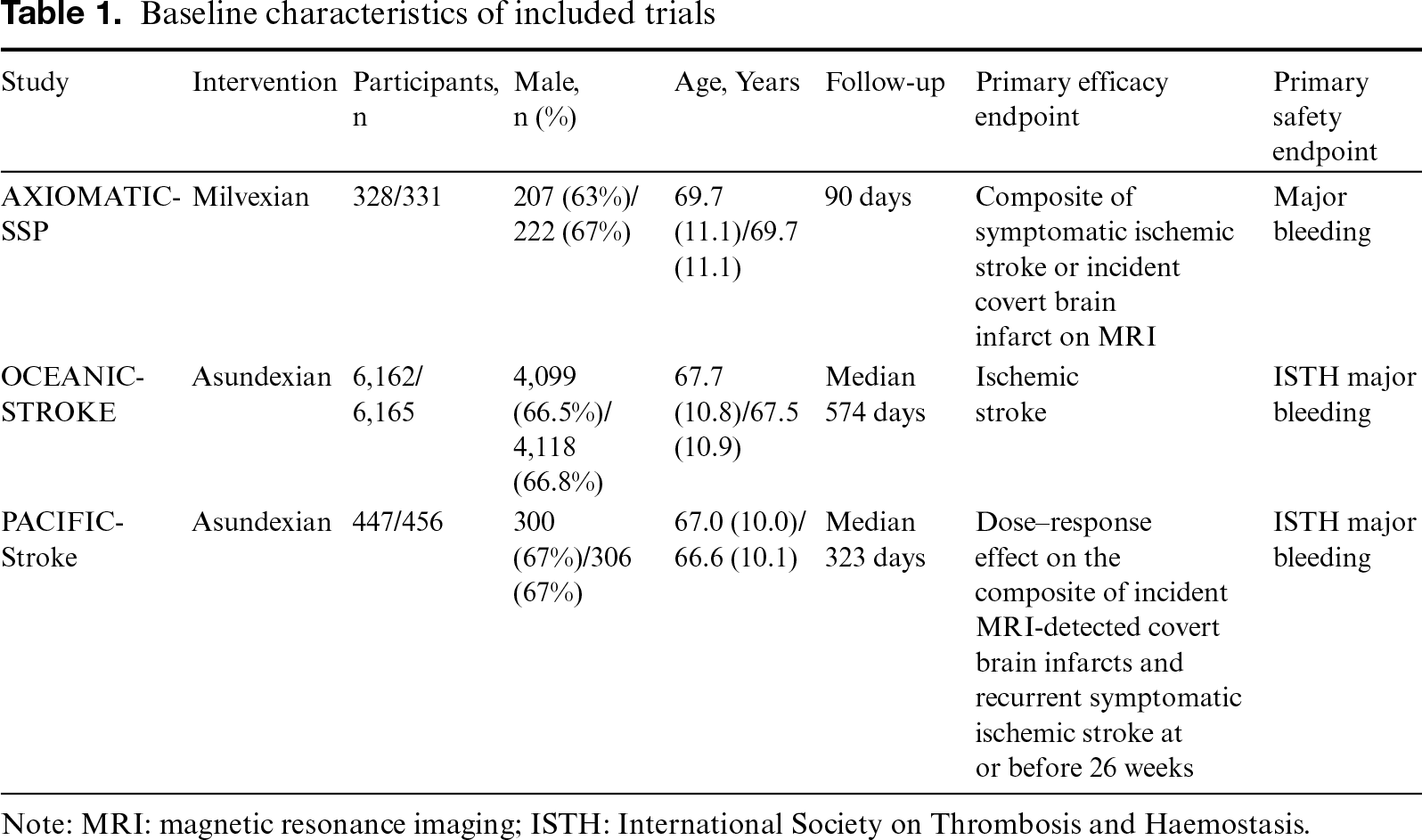
These trials investigated the effects of oral factor XIa inhibition in patients who had experienced a recent non-cardioembolic ischemic stroke or high-risk TIA. The trials included AXIOMATIC-SSP with milvexian and PACIFIC-Stroke and OCEANIC-STROKE with asundexian (Table 1).11,12,19 Baseline characteristics were generally balanced between treatment and placebo groups, with men comprising 63% to 67% of the total participants and mean or median age ranging from approximately 67 to 70 years. The follow-up period ranged from 90 to 574 days. Although the primary efficacy endpoints differed among trials, major bleeding was consistently assessed as the primary safety endpoint. Detailed trial characteristics are shown in Table S1.
Recurrent Ischemic Stroke
Oral factor XIa inhibition demonstrated a significant reduction in the incidence of recurrent ischemic stroke compared to placebo. The pooled OR was 0.66 (95% CI, 0.58–0.76), with no heterogeneity observed among the included studies (I2 = 0%) (Fig. 1). In drug-specific subgroup analyses, asundexian exhibited a similar effect estimate, with an OR of 0.66 (95% CI, 0.58–0.76). For milvexian, the OR was 0.69 (95% CI, 0.36–1.31), suggesting a directionally favorable but statistically nonsignificant association with reduced recurrent ischemic stroke.
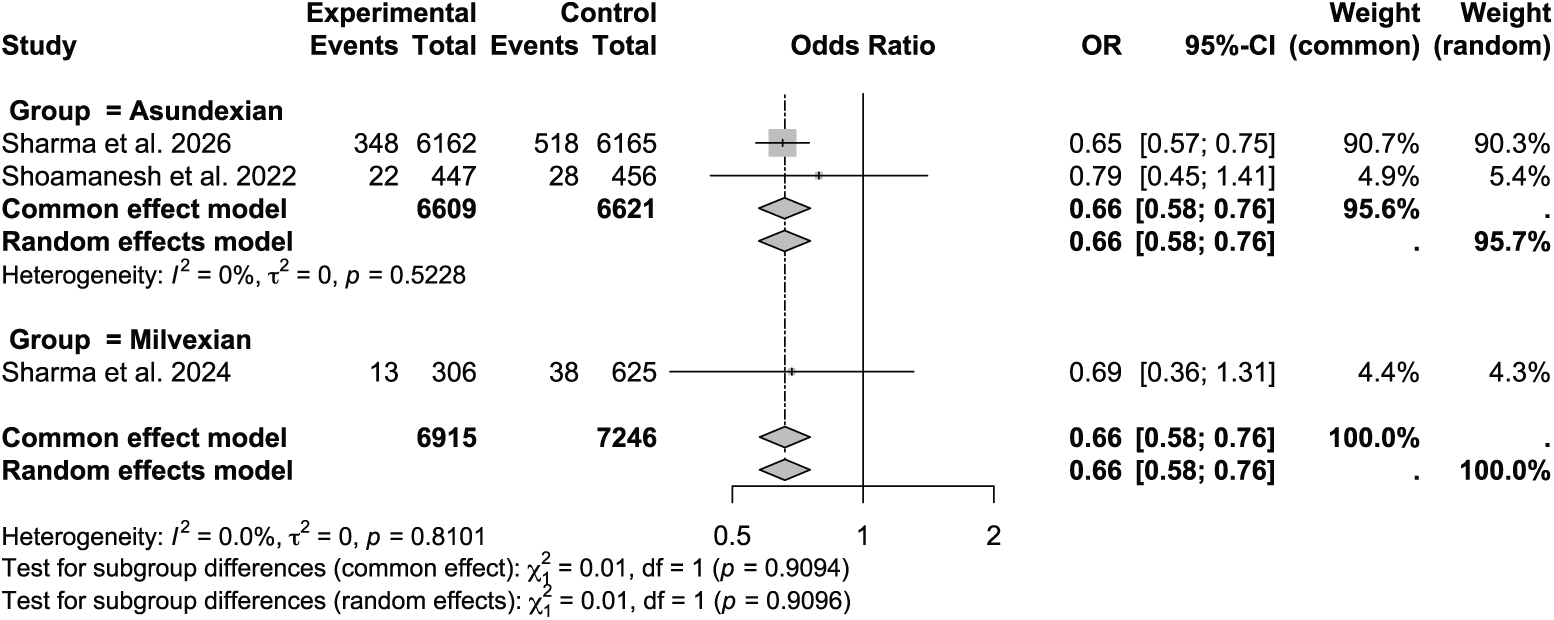
Figure 1. Meta-analysis of recurrent ischemic stroke.
TIA
For TIA, oral factor XIa inhibition was associated with a numerically lower risk compared with placebo, although the result did not reach statistical significance. The pooled OR was 0.44 (95% CI, 0.15–1.35), with substantial heterogeneity noted across studies (I2 = 60.9%), suggesting variability in trial populations, follow-up duration, endpoint definitions, or event rates (Fig. 2). In subgroup analyses, the OR was 0.48 (95% CI, 0.11–2.06) for asundexian and 0.25 (95% CI, 0.03–2.03) for milvexian.
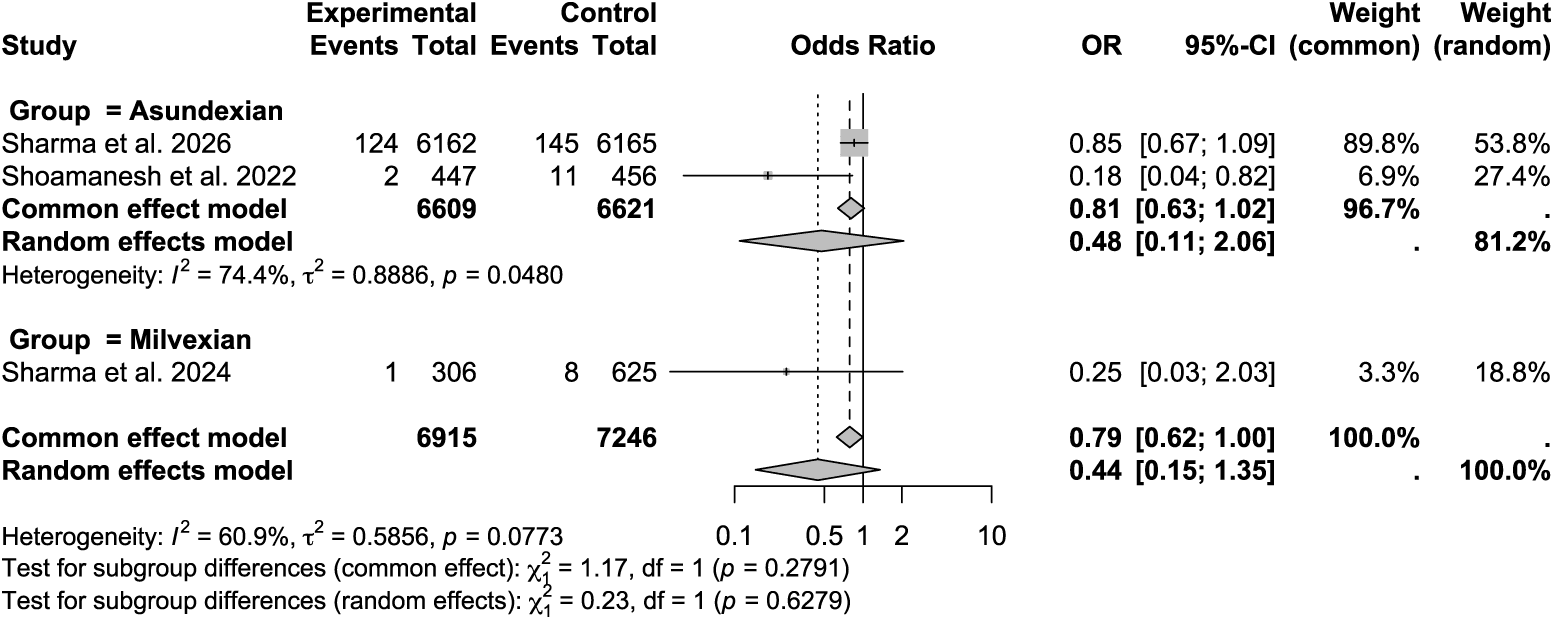
Figure 2. Meta-analysis of transient ischemic attack.
All-Cause Mortality
There was no statistically significant difference in all-cause mortality between oral factor XIa inhibitors and placebo. The pooled OR was 1.14 (95% CI, 0.73–1.77), with low heterogeneity observed among the included studies (I2 = 6.6%), suggesting no clear evidence of survival benefit or increased mortality risk (Fig. 3). In subgroup analyses, the OR was 1.15 (95% CI, 0.69–1.93) for asundexian and 1.41 (95% CI, 0.23–8.46) for milvexian. These estimates should be interpreted cautiously because mortality events were infrequent, particularly in the milvexian subgroup, resulting in wide CIs and limited statistical precision.
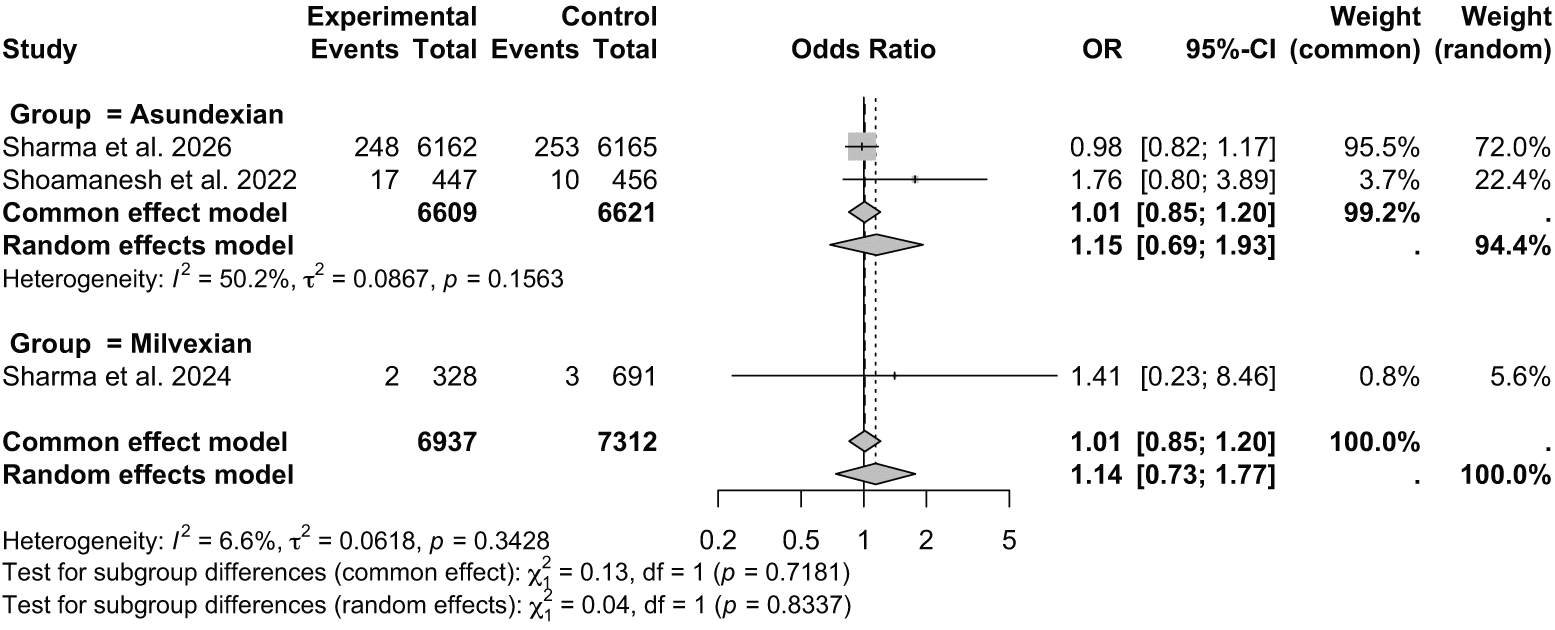
Figure 3. Meta-analysis of all-cause mortality.
Major Bleeding
There was no statistically significant difference in major bleeding between oral factor XIa inhibitors and placebo. The pooled OR was 1.16 (95% CI, 0.90–1.49), with low heterogeneity across studies (I2 = 7.4%), suggesting no clear evidence of an increased risk of major bleeding (Fig. 4). In subgroup analyses, the OR was 1.12 (95% CI, 0.87–1.45) for asundexian and 2.65 (95% CI, 0.71–9.93) for milvexian.
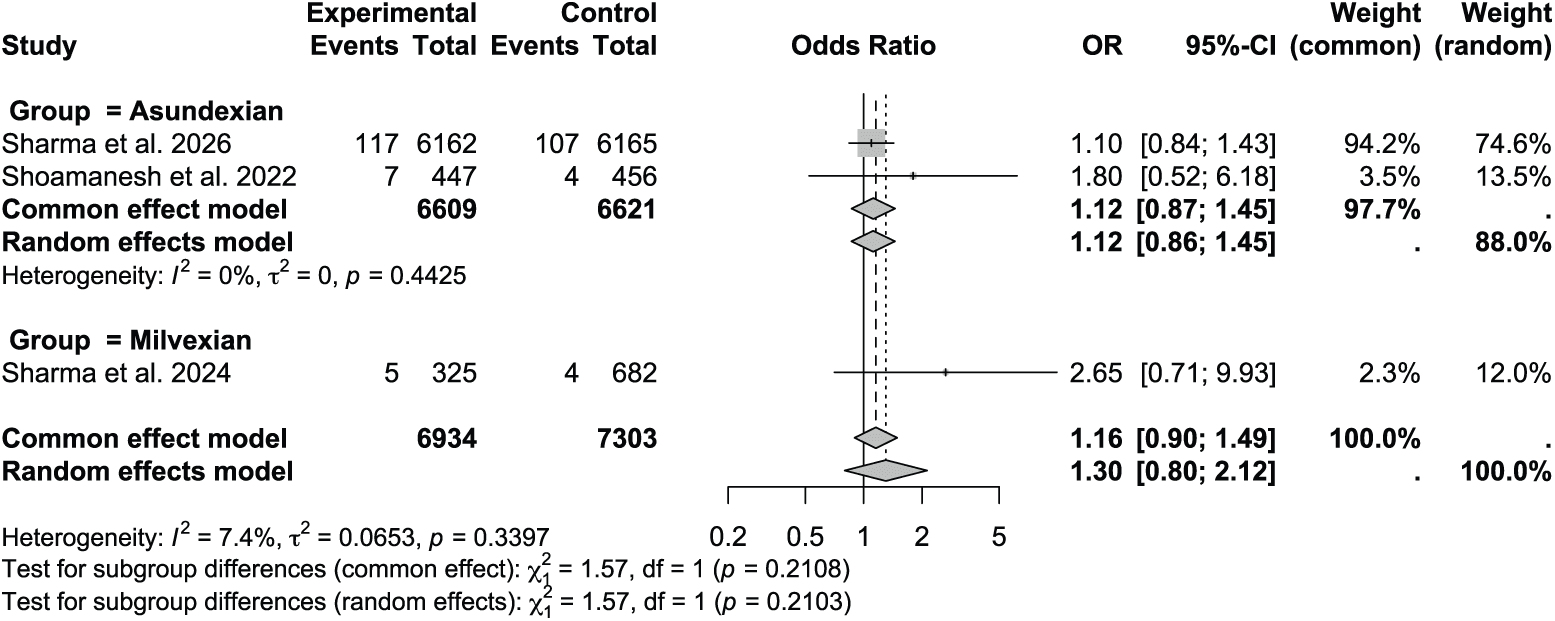
Figure 4. Meta-analysis of major bleeding.
Certainty of Evidence
Due to the small sample sizes in the phase 2 studies, there was a potential risk of bias in outcome measurement for the AXIOMATIC-SSP and PACIFIC-Stroke trials (Fig. S2). The risk of bias was deemed to be a concern. This assessment was consistent across all four outcomes appraised. Publication bias was not relevant as only three trials were included (Figs. S3–S6). Overall, the certainty of evidence was considered moderate because it was downgraded due to concerns regarding risk of bias.
Discussion
This systematic review and meta-analysis found that oral factor XIa inhibition was associated with a significant reduction in recurrent ischemic stroke among patients with recent non-cardioembolic ischemic stroke or high-risk TIA, without evidence of a corresponding reduction in all-cause mortality. The safety profile was favorable, with no significant increase in major bleeding. The treatment effect was most pronounced for asundexian, whereas the estimate for milvexian was directionally favorable but statistically imprecise. Although the pooled estimate for TIA favored factor XIa inhibition, this finding was inconclusive because of substantial heterogeneity and wide CIs. A key strength of this study is its synthesis of emerging randomized evidence on oral factor XIa inhibitors for secondary prevention after ischemic stroke or high-risk TIA, with separate evaluation of clinically meaningful outcomes. The observed reduction in recurrent ischemic stroke is consistent with the biological rationale and prior phase 2 findings suggesting that factor XIa inhibition may reduce thrombotic recurrence while preserving hemostasis.10
The consistency observed in the ischemic stroke findings suggests that factor XIa inhibition may provide incremental protection beyond background antiplatelet therapy. This is clinically relevant because current antiplatelet-based strategies for secondary prevention, although effective, still leave a substantial residual risk of recurrent ischemic events.20 Historically, attempts to intensify platelet inhibition or incorporate conventional anticoagulation have been constrained by the risk of bleeding complications.21 Consequently, factor XIa inhibition may represent a crucial therapeutic middle ground by targeting coagulation-mediated thrombus propagation while potentially causing less impairment of physiological hemostasis compared to traditional anticoagulants. However, covert brain infarction is also an important outcome that was not consistently reported across the included studies, which restricts the capacity to assess this endpoint. Furthermore, the effectiveness of factor XIa inhibition for preventing TIA remains uncertain and was not validated in the meta-analysis.
This antithrombotic mechanism may elucidate why the inhibition of factor XIa inhibition appears promising for secondary prevention after non-cardioembolic ischemic stroke. A previous meta-analysis of phase 2 trials of asundexian and milvexian found no significant efficacy benefit but no increase in major or clinically relevant bleeding; its conclusions were limited by the small number of trials and lack of phase 3 data.22 The thrombotic biology of non-cardioembolic stroke differs from that of atrial fibrillation-related cardioembolism. In atrial fibrillation, thrombus formation is strongly influenced by atrial blood stasis and may require more potent suppression of the common coagulation pathway. This distinction is supported by OCEANIC-AF, where asundexian failed to demonstrate noninferior efficacy compared to apixaban in preventing stroke or systemic embolism.23 In contrast, non-cardioembolic stroke more often involves high-shear, plaque-associated, platelet-rich thrombosis. In such scenarios, the modulation of thrombin amplification, particularly when combined with antiplatelet therapy, may be sufficient in reducing the risk of recurrent ischemic stroke. The effect on TIA, however, remains less certain. Compared with recurrent ischemic stroke, TIA presents a more heterogeneous endpoint because its diagnosis may vary according to clinical criteria, event ascertainment, and the absence of imaging-confirmed infarction.24 Therefore, although the pooled estimate favored factor XIa inhibition, the wide CI and substantial heterogeneity limited the ability to confirm a definitive protective effect on TIA.
The subgroup findings also require careful interpretation. The observed reduction in ischemic stroke was largely driven by asundexian, likely because the asundexian evidence base includes the largest and most definitive trial population. In contrast, milvexian exhibited a numerically favorable but statistically nonsignificant effect estimate. This finding should not be interpreted as evidence of no efficacy; rather, it is attributed to the fact that the existing data on milvexian are limited and underpowered, preventing the establishment of firm conclusions.25 The ongoing phase 3 data from LIBREXIA-STROKE will therefore be imperative in determining whether milvexian provides clinically meaningful protection against recurrent ischemic events in patients with recent ischemic stroke or high-risk TIA.
This analysis did not reveal a significant effect of oral factor XIa inhibition on all-cause mortality, a finding that is not surprising. Mortality following ischemic stroke or TIA is influenced by many factors beyond recurrent cerebral ischemia, including age, baseline disability, stroke severity, cardiovascular comorbidities, infection, malignancy, frailty, and nonvascular causes of death.26 A therapy that reduces recurrent ischemic stroke may not necessarily produce a measurable mortality benefit within the follow-up periods of the included trials. Moreover, the mortality estimates were imprecise, especially for milvexian, reflecting the relatively low number of deaths and limited statistical power. Therefore, the absence of a mortality benefit should not be interpreted as evidence against its clinical utility. Rather, it suggests that the main measurable benefit of factor XIa inhibition, according to the current evidence, is the prevention of recurrent ischemic stroke, rather than an enhancement of short- or medium-term survival.
Several limitations warrant consideration. First, the number of included trials was small, limiting the reliability of publication-bias assessment and restricting subgroup exploration. Second, the pooled estimate for ischemic stroke was driven largely by the asundexian evidence base, particularly OCEANIC-STROKE, the largest phase 3 trial, which contributed approximately 90% of the overall weight. Third, the studies included differed in terms of trial phase, follow-up duration, endpoint definitions, drug dose, and background antiplatelet strategy. Fourth, the TIA analysis exhibited substantial heterogeneity, and the subgroup estimates for TIA and mortality were imprecise. Fifth, this meta-analysis used study-level data instead of individual patient-level data, preventing detailed exploration of treatment effects by stroke mechanism, infarct pattern, vascular imaging phenotype, antiplatelet regimen, renal function, or baseline bleeding risk.
Conclusions
Oral factor XIa inhibition was associated with a reduced risk of recurrent ischemic stroke in patients with recent non-cardioembolic ischemic stroke or high-risk TIA, with the strongest current evidence supporting asundexian. The effects on TIA, all-cause mortality, long-term safety, and consistency across different factor XIa inhibitors remain uncertain. Further confirmatory trials are needed before routine clinical implementation or class-wide conclusions can be made.
Acknowledgment
Not applicable.
Funding
This research was funded by Grants in Aid for Scientific Research (Grant number 20K17937).
Author Contributions
T.K. and C.B. contributed to the study design and drafted the manuscript. T.K., C.B., and T.U. contributed to data interpretation and manuscript revision. All authors have read and approved the final manuscript and agree with its content and data.
Data Availability Statement
Raw data are available upon reasonable request and after consultation with the corresponding author.
Generative AI Declaration
During the preparation of this manuscript, the author used ChatGPT for proofreading assistance. All content was subsequently reviewed and edited by the author, who assumes full responsibility for the accuracy and integrity of the published work.
Ethical Statement
Ethical approval and informed consent were not required because this study was a systematic review and meta-analysis of previously published aggregate data and did not involve new recruitment of human participants or animal experiments.
Supplemental Information
Supplemental information for this article can be found online at https://sup.jclinque.com/api/articles/118/download-suppl.
References
[1] Feigin VL, Brainin M, Norrving B, et al. World stroke organization: global stroke fact sheet 2025. Int J Stroke. February 2025;20(2):132–144. doi:10.1177/17474930241308142.
[2] Feigin VL, Volovici V, Brainin M, Norrving B, Martins SO, Roth GA. The latest global stroke fact sheet 1990–2023: global burden of disease study. Neuroepidemiology. 2026;60(4):1–24. doi:10.1159/000552065.
[3] Gao Y, Chen W, Pan Y, et al. Dual antiplatelet treatment up to 72 hours after ischemic stroke. N Engl J Med. December 28, 2023;389(26):2413–2424. doi:10.1056/NEJMoa2309137.
[4] Amarenco P, Lavallée PC, Labreuche J, et al. One-year risk of stroke after transient ischemic attack or minor stroke. N Engl J Med. April 21, 2016;374(16):1533–1542. doi:10.1056/NEJMoa1412981.
[5] Khan F, Yogendrakumar V, Lun R, et al. Long-term risk of stroke after transient ischemic attack or minor stroke: a systematic review and meta-analysis. J American Med Associat. May 6, 2025;333(17):1508–1519. doi:10.1001/jama.2025.2033.
[6] Kleindorfer DO, Towfighi A, Chaturvedi S, et al. Guideline for the prevention of stroke in patients with stroke and transient ischemic attack: a guideline from the American Heart Association/American Stroke Association. Stroke. July 2021;52(7):e364–e467. doi:10.1161/str.0000000000000375.
[7] Dawson J, Merwick Á, Webb A, Dennis M, Ferrari J, Fonseca AC. European stroke organisation expedited recommendation for the use of short-term dual antiplatelet therapy early after minor stroke and high-risk TIA. Eur Stroke J. June 2021;6(2):Clxxxvii–cxci. doi:10.1177/23969873211000877.
[8] Ballestri S, Romagnoli E, Arioli D, et al. Risk and management of bleeding complications with direct oral anticoagulants in patients with atrial fibrillation and venous thromboembolism: a narrative review. Adv Ther. January 2023;40(1):41–66. doi:10.1007/s12325-022-02333-9.
[9] Greco A, Laudani C, Spagnolo M, et al. Pharmacology and clinical development of factor XI inhibitors. Circulation. March 14, 2023;14(11):897–913. doi:10.1161/circulationaha.122.062353.
[10] Hsu C, Hutt E, Bloomfield DM, Gailani D, Weitz JI. Factor XI inhibition to uncouple thrombosis from hemostasis: JACC review topic of the week. J Am Coll Cardiol. August 10, 2021;78(6):625–631. doi:10.1016/j.jacc.2021.06.010.
[11] Shoamanesh A, Mundl H, Smith EE, et al. Factor XIa inhibition with asundexian after acute non-cardioembolic ischaemic stroke (PACIFIC-Stroke): an international, randomised, double-blind, placebo-controlled, phase 2b trial. Lancet. September 24, 2022;400(10357):997–1007. doi:10.1016/s0140-6736(22)01588-4.
[12] Sharma M, Dong Q, Hirano T, et al. Asundexian for secondary stroke prevention. N Engl J Med. April 16, 2026;394(15):1467–1479. doi:10.1056/NEJMoa2513880.
[13] ClinicalTrials.gov. A phase 3, randomized, double-blind, parallel-group, placebo-controlled study to demonstrate the efficacy and safety of milvexian, an oral factor XIa inhibitor, for stroke prevention after an acute ischemic stroke or high-risk transient ischemic attack. National Library of Medicine (US). https://clinicaltrials.gov/study/NCT05702034.
[14] Page MJ, McKenzie JE, Bossuyt PM, et al. The PRISMA, 2020 statement: an updated guideline for reporting systematic reviews. Bmj. March 29, 2021;372:n71. doi:10.1136/bmj.n71.
[15] Registry UHMINCT. Factor XIa inhibitors for secondary prevention after ischemic stroke or transient ischemic attack: a meta-analysis of randomized clinical trials. Published 2026, Accessed May 1, 2026. https://center6.umin.ac.jp/cgi-open-bin/ctr_e/ctr_view.cgi?recptno=R000070177.
[16] Sterne JAC, Savović J, Page MJ, et al. RoB 2: a revised tool for assessing risk of bias in randomised trials. Bmj. August 28, 2019;366:l4898. doi:10.1136/bmj.l4898.
[17] Balshem H, Helfand M, Schünemann HJ, et al. GRADE guidelines: 3. Rating the quality of evidence. J Clin Epidemiol. April 2011;64(4):401–406. doi:10.1016/j.jclinepi.2010.07.015.
[18] Higgins JP, Thompson SG, Deeks JJ, Altman DG. Measuring inconsistency in meta-analyses. Bmj. September 6, 2003;327(7414):557–560. doi:10.1136/bmj.327.7414.557.
[19] Sharma M, Molina CA, Toyoda K, et al. Safety and efficacy of factor XIa inhibition with milvexian for secondary stroke prevention (AXIOMATIC-SSP): a phase 2, international, randomised, double-blind, placebo-controlled, dose-finding trial. Lancet Neurol. January 2024;23(1):46–59. doi:10.1016/s1474-4422(23)00403-9.
[20] Bhatia K, Ladd LM, Carr KH, et al. Contemporary antiplatelet and anticoagulant therapies for secondary stroke prevention: a narrative review of current literature and guidelines. Curr Neurol Neurosci Rep. May 2023;23(5):235–262. doi:10.1007/s11910-023-01266-2.
[21] Diener HC, Bogousslavsky J, Brass LM, et al. Aspirin and clopidogrel compared with clopidogrel alone after recent ischaemic stroke or transient ischaemic attack in high-risk patients (MATCH): randomised, double-blind, placebo-controlled trial. Lancet. July 24–30, 2004;364(9431):331–337. doi:10.1016/s0140-6736(04)16721-4.
[22] Palaiodimou L, Papagiannopoulou G, Katsanos AH, et al. Efficacy and safety of oral factor XIa inhibitors in stroke prevention: a systematic review and meta-analysis. J Clin Med. August 26, 2023;12(17):5562. doi:10.3390/jcm12175562.
[23] Benkhoff M, Mourikis P, Polzin A. Asundexian versus apixaban in patients with atrial fibrillation. N Engl J Med. March 27, 2025;392(12):1247–1248. doi:10.1056/NEJMc2501201.
[24] Lee SH, Aw KL, McVerry F, McCarron MO. Systematic review and meta-analysis of diagnostic agreement in suspected TIA. Neurol Clin Pract. February 2021;11(1):57–63. doi:10.1212/cpj.0000000000000830.
[25] Cao Y, Chen RC, Katz AJ. Why is a small sample size not enough? Oncologist. September 6, 2024;29(9):761–763. doi:10.1093/oncolo/oyae162.
[26] Downer MB, Luengo-Fernandez R, Binney LE, et al. Association of multimorbidity with mortality after stroke stratified by age, severity, etiology, and prior disability. Int J Stroke. March 2024;19(3):348–358. doi:10.1177/17474930231210397.
 |
Copyright: © 2026 Kawashima et al. This work is licensed under a Creative Commons Attribution 4.0 International License, which permits unrestricted use, distribution, and reproduction in any medium, provided the original work is properly cited. |