| Journal of Clinical Question. 2025; 2(4): e85 https://doi.org/10.69854/jcq.2025.0024 Advance access publication date 31 August 2025 |
 |
Review
Emerging Frontiers in the Treatment of Non-small Cell Lung Cancer: Innovations and Clinical Advances
Yang An 1, Cong Zu2, Xiaotong Zhuang3, Xinyu Zheng2, Yoshiko Yasuda5, Miao Tang4,5,*
1School of Medical Science, Shandong Xiehe University, Jinan, Shandong, China.
2The First Laboratory of Cancer Institute, The First Hospital of China Medical University, Shenyang, China.
3Research Center, EPS Holdings, Inc., Tokyo, Japan.
4Department of Medicine, Jinggangshan University, Ji’an, China.
5Laboratory of Cancer Pharmacology, Louis Pasteur Center for Medical Research, Kyoto, Japan.
*Corresponding Author: e-mail: mtang69@live.cn
Submitted: July 14, 2025 Accepted: August 30, 2025
Clinical Question Box
What are the current strategies for selecting optimal treatment regimens for patients with non-small cell lung cancer (NSCLC)?
Treatment selection for NSCLC is guided by molecular profiling, PD-L1 expression, tumor histology, and patient factors. Targeted therapies are preferred for tumors with actionable mutations such as EGFR, ALK (anaplastic lymphoma kinase), ROS1, BRAF, MET, RET, KRAS G12C, HER2, or NTRK. If no mutations are found, PD-L1 levels guide therapy: ≥50% often leads to immunotherapy alone, while lower levels usually require chemoimmunotherapy. Chemotherapy choices depend on histology, with pemetrexed used for non-squamous tumors and taxanes or gemcitabine for squamous types. Patient fitness, comorbidities, and emerging biomarkers such as circulating tumor DNA further personalize treatment.
Abstract
Non-small cell lung cancer (NSCLC), which accounts for about 85% of lung cancer cases, remains a leading cause of cancer-related mortality worldwide. Over the past decade, the advent of immunotherapies, targeted agents, and molecularly guided strategies has transformed the therapeutic landscape. However, significant challenges persist: many patients still present with advanced disease, and uncertainties remain regarding treatment sequencing, the integration of novel therapies, and the management of cases without actionable mutations. This review highlights the evolving role of chemotherapy within the modern multimodal treatment paradigm of NSCLC and underscores its enduring relevance amidst rapid therapeutic innovation. While platinum-based chemotherapy has historically been the cornerstone of treatment, its role is now increasingly dynamic, serving as a critical component of combination regimens alongside immunotherapies and targeted approaches. Advances such as immune checkpoint inhibitors and therapies directed at oncogenic drivers like EGFR, ALK, and ROS1 have significantly improved patient outcomes, yet chemotherapy remains essential, particularly for patients without actionable mutations. Emerging strategies, including perioperative immunotherapy, antibody–drug conjugates, bispecific antibodies, and novel cytotoxic agents, promise to further enhance efficacy. In addition, molecular personalization and the use of circulating tumor DNA are opening new avenues for precision oncology.
Keywords: Non-small cell lung cancer, NSCLC, immunotherapy, targeted therapy, chemotherapy, precision oncology
Introduction
Lung cancer continues to be the leading cause of cancer-related mortality worldwide, accounting for approximately 1.8 million deaths annually.1 Non-small cell lung cancer (NSCLC) represents about 85% of all lung cancer cases. Despite improvements in screening and preventive strategies, a significant proportion of NSCLC patients are still being diagnosed with advanced or metastatic disease.2 Historically, platinum-based chemotherapy regimens have been the cornerstone of systemic treatment, with cisplatin- or carboplatin-based doublets providing modest improvements in overall survival (OS) and symptom palliation in both locally advanced and metastatic NSCLC.3 Over the past decade, the therapeutic landscape of NSCLC has undergone a remarkable transformation with the advent of immunotherapy and targeted therapies. Immune checkpoint inhibitors (ICIs), such as pembrolizumab, nivolumab, and atezolizumab, have become standards of care in various clinical scenarios, improving survival outcomes and quality of life for many patients.4 In parallel, tyrosine kinase inhibitors (TKIs) have revolutionized the management of NSCLC harboring oncogenic driver mutations, including alterations in the EGFR, ALK (anaplastic lymphoma kinase), ROS1, and BRAF genes.5,6
Despite significant therapeutic advances, chemotherapy continues to be the mainstay in the management of advanced or metastatic NSCLC. It is particularly important for patients lacking actionable driver mutations or those ineligible for immunotherapy due to contraindications or toxicity concerns.7 Furthermore, chemotherapy is a foundational component in combination regimens with ICIs and targeted therapies, underscoring its enduring relevance in contemporary treatment strategies.8 This review provides a comprehensive and current overview of chemotherapy within the evolving NSCLC treatment landscape, exploring its conventional applications, integration into novel combination approaches, emerging cytotoxic agents, and future directions.
Traditional Cytotoxic Chemotherapy
Since the 1990s, platinum-based chemotherapy has formed the core of NSCLC treatment. Cisplatin and carboplatin, when combined with agents like pemetrexed, gemcitabine, docetaxel, or paclitaxel, have consistently demonstrated survival advantages compared to the best supportive care.9 In early-stage resectable NSCLC, adjuvant cisplatin-based chemotherapy improves the chances of 5-year OS by approximately 4.1% and disease-free survival (DFS) by 5.1% compared to observation, as demonstrated in a randomized trial with a median follow-up of 56 months.10 Similarly, neoadjuvant chemotherapy is known to improve the resectability and downstaging of the disease.11
For patients with stage III unresectable NSCLC, concurrent chemoradiotherapy using platinum doublets has long been the standard, offering a median OS between 16 and 28 months in trials such as RTOG 9410.12 In advanced and metastatic NSCLC, platinum-based chemotherapy prolongs median OS to between 8 and 12 months, with response rates around 20%–30% depending on histology and performance status.13 Pemetrexed in non-squamous histology and gemcitabine or paclitaxel in squamous histology remain commonly used candidates for platinum agents.14 Nevertheless, platinum chemotherapy is associated with significant toxicities, including nephrotoxicity, neurotoxicity, ototoxicity, and myelosuppression.15 These side effects often require dose adjustments, growth factor support, or supportive care interventions, underscoring the need for ongoing refinement of chemotherapy regimens.
Monotherapy Immunotherapy
The development of ICI monotherapy has significantly reshaped the treatment paradigm of NSCLC, particularly in patients without actionable mutations such as EGFR or ALK. Since their initial approval, ICIs targeting PD-1 or PD-L1 have demonstrated durable survival benefits and favorable tolerability profiles in selected patient populations.16 Fig. 1 summarizes the chronological advances in ICIs for NSCLC from 2015 to 2025. It highlights the progressive introduction of agents such as nivolumab, pembrolizumab, atezolizumab, durvalumab, and cemiplimab across various treatment settings, including first-line, perioperative, adjuvant, and neoadjuvant therapies. The breakthrough came with the Food and Drug Administration (FDA) approval of nivolumab in March 2015 for patients with advanced NSCLC who had progressed on or after platinum-based chemotherapy.17 This established the role of anti–PD-1 therapy in the second-line setting. Soon after, pembrolizumab monotherapy received first-line approval in October 2016 for metastatic NSCLC with a PD-L1 tumor proportion score (TPS) ≥ 50%, based on the KEYNOTE-024 trial, which demonstrated significant improvements in both OS and progression-free survival (PFS) compared with chemotherapy.18 Subsequent studies, such as KEYNOTE-042, broadened pembrolizumab’s indication to patients with PD-L1 (TPS ≥ 1%), although the greatest benefit was observed in those with high PD-L1 expression.19
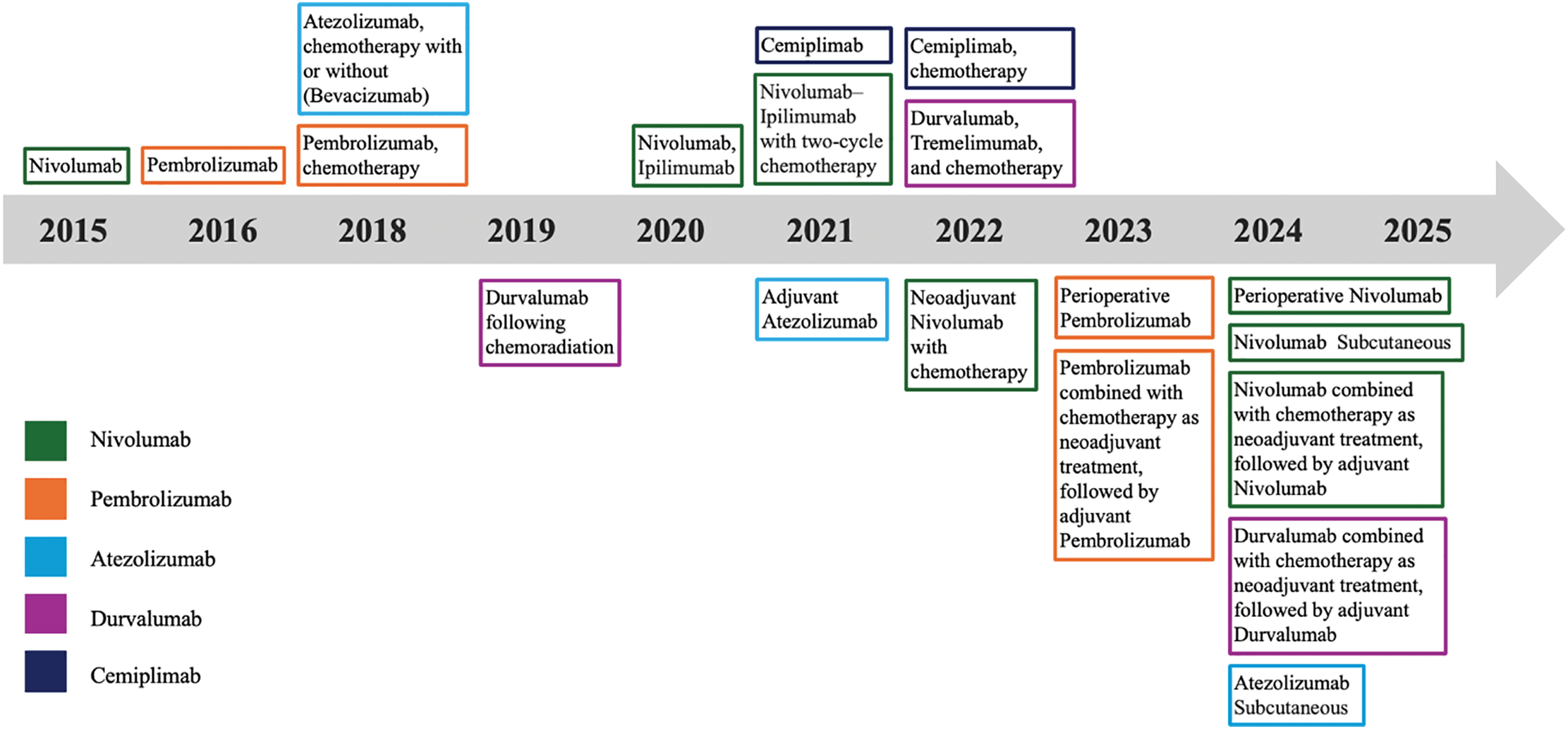
Figure 1. Advances in immune checkpoint inhibitors for NSCLC.
Similarly, atezolizumab was approved in the first-line setting for high PD-L1–expressing NSCLC based on the IMpower110 trial, confirming the efficacy of PD-L1 inhibition in monotherapy.20 Long-term follow-up data from these trials show a subset of patients achieving sustained responses beyond 5 years, emphasizing the potential for durable disease control with monotherapy.21 Moreover, real-world evidence has supported the use of ICI monotherapy in older or frailer patients who may not tolerate combination chemoimmunotherapy.22 Despite these successes, ICI monotherapy is most effective in patients with high PD-L1 expression (TPS ≥ 50%), and still requires predictive biomarkers beyond PD-L1.23 Ongoing efforts also aim to optimize sequencing and readministration strategies in patients who relapse after initial ICI therapy.24
ICI monotherapy has made important strides in resectable early-stage NSCLC. The IMpower010 trial led to the FDA approval of adjuvant atezolizumab in October 2021 for patients with resected stage II–IIIA NSCLC and PD-L1 TPS ≥ 1%, following platinum-based chemotherapy.25 This marked the first approval of an ICI as adjuvant monotherapy in NSCLC. In the LCMC3 study, neoadjuvant atezolizumab monotherapy demonstrated a major pathologic response rate of approximately 20%, with a promising 3-year DFS when followed by adjuvant atezolizumab.26 It also highlights a potential path forward for monotherapy-based perioperative strategies.
As of 2025, several ICIs have FDA-approved subcutaneous formulations that offer comparable efficacy to intravenous dosing with significantly shorter administration times. Nivolumab subcutaneous (OPDIVO Qvantig) was approved in December 2024 for all previously approved indications, including perioperative use in NSCLC, and can be administered in just 3–5 minutes.27 Atezolizumab subcutaneous was approved in September 2024 (Tecentriq Hybreza) and is indicated for NSCLC, SCLC, and other solid tumors.28 Additionally, pembrolizumab subcutaneous has completed Phase III trials demonstrating non-inferior pharmacokinetics and efficacy and is expected to receive FDA approval by late 2025.29 These subcutaneous options improve patient convenience, reduce infusion chair time, and may expand access to immunotherapy, particularly in resource-limited or outpatient settings.
Beyond clinical equivalence, these subcutaneous formulations have important practical implications for patient care. Shorter administration times can enhance treatment adherence by reducing patient burden and improving the overall treatment experience.30 They also increase accessibility, particularly in resource-limited or high-volume outpatient settings, by optimizing infusion chair turnover and reducing healthcare resource utilization. Moreover, subcutaneous delivery may be especially beneficial for patients with limited mobility or those living in remote areas, where minimizing hospital visits can significantly improve quality of life and facilitate continuity of care.
Combined Immunotherapy Approaches
Advanced NSCLC
CTLA-4 inhibitors such as ipilimumab and tremelimumab enhance T-cell priming in lymphoid tissues, complementing the PD-1/PD-L1 blockade in the tumor microenvironment.31 Combining ICIs with chemotherapy or anti-VEGF agents further modulates the immune landscape, improving tumor infiltration and antigen presentation. Despite their efficacy, dual-ICI regimens may be highly toxic, leading to notable immune-related adverse events.32 The use of dual ICI combinations, particularly targeting PD-1/PD-L1 and CTLA-4, has emerged as a powerful approach to enhance anti-tumor immunity in NSCLC.32 These combinations aim to overcome resistance mechanisms seen with monotherapy and provide broader, more durable responses across PD-L1 expression levels and histological subtypes.
The pivotal CheckMate 227 trial was the first to demonstrate the clinical benefit of dual ICI therapy in NSCLC. In patients with PD-L1 expression ≥ 1%, the combination of nivolumab and ipilimumab significantly improved OS compared to chemotherapy, with a 5-year OS rate of 24% vs. 14%.33 This regimen received FDA approval in May 2020 as a first-line treatment for advanced NSCLC with PD-L1 ≥ 1% and no EGFR or ALK alterations. Building on this, the CheckMate 9LA trial combined nivolumab and ipilimumab with a limited course (two cycles) of platinum-based chemotherapy to deliver a rapid disease control benefit while preserving the durability of ICI response.34 This approach demonstrated improved survival in both PD-L1–positive and PD-L1–negative patients, and was approved by the FDA in 2021. Notably, the 9LA regimen is suitable across all PD-L1 expression levels, including patients with PD-L1 < 1%, with limited monotherapy efficacy.
The POSEIDON trial evaluated durvalumab and tremelimumab in combination with chemotherapy in first-line metastatic NSCLC. The triplet regimen significantly improved OS (hazard ratio [HR] 0.77) compared to chemotherapy alone.35 The benefit was particularly notable in patients with high tumor mutational burden and PD-L1–low tumors. Based on these findings, the FDA approved durvalumab, tremelimumab, and chemotherapy in 2023 as an alternative ICI-based regimen for metastatic NSCLC.
The integration of immunotherapy with platinum-based chemotherapy has reshaped first-line treatment paradigms in advanced NSCLC. For instance, the KEYNOTE‑189 trial, examining pembrolizumab plus pemetrexed and platinum in non-squamous NSCLC, demonstrated a marked survival benefit and improved OS with an HR of 0.56 at 5 years. A total of 19.4% of patients receiving the combination survived compared with just 11.3% on chemotherapy alone.36 Similarly, KEYNOTE‑407, focused on squamous NSCLC, showed that pembrolizumab plus carboplatin and paclitaxel or nanoparticle–albumin-bound paclitaxel significantly extended median OS to 15.9 months vs. 11.3 months in the chemotherapy group (HR 0.64).37 Five-year updates confirm that these chemoimmunotherapy regimens consistently outperform standard chemotherapy, solidifying their status as the backbone of treatment in advanced NSCLC.38
Sequential ICI and Chemoradiotherapy
While not yet standard in the resectable setting, the combination of ICIs with radiation therapy has shown significant benefit in unresectable stage III NSCLC, most notably demonstrated in the PACIFIC trial.39 In this pivotal Phase III study, patients who had not progressed following concurrent chemoradiotherapy were randomized to receive durvalumab or placebo for up to 12 months. Durvalumab significantly improved outcomes, with a median PFS of 17.2 vs. 5.6 months (HR 0.51) and a median OS of 47.5 vs. 29.1 months (HR 0.72) compared to placebo. These results led to the global adoption of durvalumab as the standard of care for unresectable stage III NSCLC. Preclinical and early-phase clinical studies suggest that radiation may enhance anti-tumor immunity by promoting neoantigen release and modulating the tumor microenvironment, providing a strong rationale for ongoing trials exploring neoadjuvant chemoradiation plus ICIs in the perioperative setting for resectable disease.40
Perioperative Immunotherapy Strategies in NSCLC
Beyond the established role of immunotherapy in advanced NSCLC, a breakthrough in early-stage disease came with the CheckMate 816 trial.41 This study evaluated neoadjuvant nivolumab combined with platinum-based chemotherapy before surgical resection. The regimen significantly increased the rate of pathologic complete response (24.0% vs. 2.2%) and improved event-free survival (EFS) (31.6 vs. 20.8 months) compared to chemotherapy alone. These benefits translated into durable survival outcomes, with a 5-year OS advantage presented at ASCO 2025.42 Based on these findings, the FDA approved neoadjuvant nivolumab plus chemotherapy in March 2022, signaling a paradigm shift in the treatment of early-stage NSCLC. Similarly, the AEGEAN trial demonstrated that durvalumab combined with neoadjuvant chemotherapy, followed by adjuvant durvalumab, significantly improved EFS vs. chemotherapy alone (HR 0.68). These results led to FDA approval in August 2024 for use in resectable stage II–IIIB NSCLC.43 Together, these trials underscore the value of perioperative immunotherapy to reduce tumor burden preoperatively as well as prevent micrometastatic relapse after surgery.
Immunotherapy Combination Strategies
In advanced NSCLC, the choice and sequencing of immunotherapy combinations are increasingly guided by tumor PD-L1 expression, histological subtype, and disease burden.44 Dual ICI regimens, such as nivolumab plus ipilimumab or durvalumab plus tremelimumab, are preferred in patients without actionable driver mutations and with adequate performance status, particularly when a durable immune response is prioritized.45 For tumors with PD-L1 ≥ 1%, nivolumab–ipilimumab, as supported by CheckMate 227, offers significant long-term survival benefit, whereas for PD-L1 < 1%, combinations like CheckMate 9LA or the POSEIDON triplet provide rapid disease control alongside durable responses.46 Chemoimmunotherapy combinations, such as those from KEYNOTE-189 and KEYNOTE-407, remain the standard backbone for most patients, especially when a quick tumor shrinkage is needed or when PD-L1 expression is low or absent.47 Sequencing strategies are also evolving: platinum-based chemotherapy may be frontloaded in high tumor burden cases to debulk disease before transitioning to ICI-dominant maintenance, while perioperative settings now leverage neoadjuvant chemoimmunotherapy regimens (e.g., CheckMate 816, AEGEAN) to enhance surgical outcomes and reduce relapse risk. This nuanced, biomarker-driven approach enables clinicians to tailor regimens to maximize efficacy while balancing toxicity risks and treatment durability.
Targeted Therapy in NSCLC
Precision Medicine in NSCLC
Targeted therapy has revolutionized the management of NSCLC by tailoring treatment strategies to specific oncogenic drivers, thereby improving efficacy and reducing unnecessary toxicity. Across multiple genomic alterations, such as EGFR, ALK, ROS1, BRAF, MET, RET, KRAS, NTRK, and HER2, novel inhibitors have consistently demonstrated enhanced PFS, central nervous system penetration, and improved quality of life compared to conventional chemotherapy.48 While each mutation-driven therapy requires individualized selection based on molecular profiling, several shared principles emerge: early and comprehensive genomic testing is essential, central nervous system (CNS)-active agents are increasingly prioritized, and resistance mechanisms frequently necessitate sequential targeted approaches or combination regimens.49 Furthermore, the expanding role of perioperative and adjuvant targeted therapies underscores a shift toward integrating precision medicine across disease stages.50 Together, these advancements highlight a unifying paradigm: harnessing molecular insights to deliver personalized, durable, and more effective treatment for patients with NSCLC.
EGFR Mutations
EGFR mutations are among the most well-characterized oncogenic drivers in NSCLC, most commonly appearing as exon 19 deletions and exon 21 L858R point mutations.51 These mutations are more frequent in nonsmokers, women, and individuals of East Asian descent.52 For EGFR exon 19 deletion or exon 21 L858R, first-line treatment options include osimertinib, which has demonstrated superior efficacy and CNS penetration compared to earlier generation EGFR TKIs.53 Combination therapies such as osimertinib and chemotherapy,54 and amivantamab-vmjw with lazertinib are also approved and recommended in select settings.55 Alternative TKIs such as afatinib, dacomitinib, erlotinib, or gefitinib may be used based on availability, tolerability, and patient-specific factors.56 Several EGFR-TKI and VEGF/VEGFR inhibitor combinations have been tested in NSCLC, with the most consistent PFS benefit seen in erlotinib plus bevacizumab, improving median PFS to 16–17 months (HR 0.60) across multiple trials like JO25567 and NEJ026, despite clear OS gains.57,58 Gefitinib plus bevacizumab also showed a PFS of 14.4 months in Phase II studies. In contrast, osimertinib plus bevacizumab or ramucirumab failed to improve OS in advanced NSLLC.59,60 The perioperative use of EGFR TKIs, especially adjuvant osimertinib, represents a promising advancement in the management of early-stage EGFR-mutant NSCLC. However, the role of neoadjuvant TKIs remains investigational.61
Subsequent therapy should involve reassessment for resistance mutations such as T790M, where osimertinib remains effective.62 In T790M-negative cases, chemotherapy or newer EGFR bispecific antibodies may be appropriate.63 These uncommon mutations, such as EGFR S768I, L861Q, and G719X, typically show variable sensitivity to EGFR TKIs. Afatinib has shown consistent efficacy and remains the preferred agent, although osimertinib and other TKIs may be considered.62 Historically resistant to most EGFR TKIs, exon 20 insertions now have approved targeted options. Amivantamab-vmjw and sunvozertinib represent significant advancements, showing durable responses even in previously treated patients.64
ALK Rearrangement
ALK gene fusions are found in 3%–7% of NSCLC cases, commonly in younger, nonsmoking patients.65 First-line treatment includes potent ALK inhibitors, such as alectinib, brigatinib, ensartinib, or lorlatinib, all of which exhibit excellent CNS penetration.66 Upon progression, especially with CNS involvement or resistant mutations (e.g., G1202R), lorlatinib is often the preferred line of treatment.67 Continued CNS surveillance and molecular retesting guide further management.
ROS1 Rearrangement
ROS1 fusions are rare but actionable targets in NSCLC. First-line therapy includes crizotinib, entrectinib, repotrectinib, or taletrectinib.68,69 These agents differ in CNS activity, with repotrectinib and entrectinib showing improved intracranial efficacy.70,71 In cases of progression, alternative ROS1 inhibitors or systemic chemotherapy may be utilized, guided by resistance mutation profiling.
BRAF V600E Mutation
BRAF mutations, particularly V600E, occur in 1%–3% of NSCLC cases.72 These mutations activate the MAPK pathway and respond well to dual BRAF/MEK inhibition. The preferred first-line therapies are dabrafenib plus trametinib or encorafenib plus binimetinib.73 For patients who progress, retreatment with another BRAF/MEK combination or standard chemotherapy is considered based on prior exposure and tolerability.
MET Exon 14 Skipping Mutation
MET exon 14 skipping mutations lead to prolonged MET signaling and occur in 3%–4% of NSCLC cases.74 Capmatinib and tepotinib are preferred first-line agents with demonstrated intracranial activity.75 Crizotinib may also be used, but with less CNS efficacy.76 As with other targeted therapies, progression warrants re-biopsy to identify resistance mechanisms.
RET Rearrangement
RET fusions are seen in 1%–2% of NSCLC and respond well to selective RET inhibitors such as selpercatinib and pralsetinib.77 These agents exhibit high response rates and good CNS activity. Upon progression, switching to an alternative RET inhibitor or systemic chemotherapy remains standard practice, particularly if new resistance mutations arise.78
KRAS G12C Mutation
KRAS mutations are among the most common in NSCLC, despite being historically considered undruggable. The G12C variant, in particular, is now targetable with small-molecule inhibitors such as sotorasib and adagrasib.79 In the first-line setting, treatment decisions are driven by PD-L1 expression. Upon progression or if patients have previously received systemic therapy, KRAS G12C inhibitors are appropriate options, providing targeted benefit with a manageable toxicity profile.80
NTRK Gene Fusion (NTRK1/2/3)
Although extremely rare in NSCLC, NTRK gene fusions represent a tumor-agnostic biomarker of treatment sensitivity.81 TRK inhibitors, such as entrectinib, larotrectinib, and repotrectinib, are highly effective.82 Due to the potential for acquired resistance, repeat molecular profiling is crucial. Repotrectinib is particularly useful in overcoming solvent-front mutations that confer resistance to earlier TRK inhibitors.83
HER2 (ERBB2) Mutation
HER2 mutations, mainly insertions in exon 20, are targetable with HER2-directed therapies. Trastuzumab deruxtecan, an antibody–drug conjugate (ADC), has emerged as the most effective agent with demonstrated survival benefit in previously treated HER2-mutant NSCLC.84 Other agents under investigation include poziotinib and pyrotinib, though clinical trial enrollment is encouraged for refractory cases.85,86
NRG1 Gene Fusion
NRG1 fusions are very rare and have been reported across various tumor types. Although there are no approved targeted therapies, afatinib has shown limited efficacy in small series.87 Enrollment in clinical trials remains the most promising option. Re-biopsy and comprehensive genomic profiling are essential for these patients.
Emerging Novel Agents
Novel therapeutic agents are being explored to enhance chemotherapy efficacy while minimizing toxicity. Telisotuzumab vedotin, an ADC targeting c-Met, a receptor tyrosine kinase overexpressed in non-squamous NSCLC and associated with tumor progression and therapy resistance, has demonstrated promising activity. In the Phase 2 LUMINOSITY study, it showed encouraging efficacy in previously treated advanced NSCLC, achieving an overall response rate of 34.6% in patients with high c-Met expression (≥50% IHC), with a manageable safety profile.88 By selectively delivering cytotoxic payloads to c-Met–positive cells, it enhances antitumor activity while sparing normal tissues. Plinabulin, a selective microtubule destabilizer, combines antimitotic activity with immune modulation by activating dendritic cells and priming T cells. It has shown potential to improve antitumor responses and reduce chemotherapy-induced neutropenia. Plinabulin is currently being evaluated in the Phase 3 DUBLIN-3 trial, often in combination with docetaxel for previously treated NSCLC.89
Bispecific antibodies represent another innovative approach. By simultaneously engaging tumor-associated antigens and immune effector cells, these agents promote targeted immune activation. Candidates targeting EGFR/MET or PD-L1/CD3 are in early- to mid-phase trials, aiming to overcome resistance seen with monotherapies. Additional investigational agents, such as ivonescimab, a bispecific PD-1/VEGF antibody, and spartalizumab, are being explored in combination with platinum-based doublets to further potentiate anti-tumor immune responses.90,91 NVL-655, a next-generation ALK inhibitor, is also being evaluated with platinum chemotherapy in patients with ALK-positive NSCLC who have developed resistance to earlier-generation TKIs.92 As chemotherapy evolves from a primary backbone to a synergistic partner, the integration of supportive agents and innovative combination strategies will be essential for optimizing clinical outcomes.
Conclusion
Although chemotherapy is no longer the sole pillar of NSCLC management, it remains vital within the current treatment landscape. Its integration with immunotherapy and targeted therapies has transformed patient outcomes and will continue to evolve with the emergence of novel agents and biomarkers. By adapting to advances in precision medicine, chemotherapy retains its place as an essential partner in the multidisciplinary treatment of NSCLC.
Acknowledgments
None.
Funding Source
None.
Author Contributions
M.T. contributed to the study design, literature search, and manuscript drafting. Y.A., C.Z., X.Z., and Y.Y. contributed to data analysis and manuscript revision. All authors have read and approved the final manuscript and agree with its content and data.
Data Availability
The corresponding author shall make the datasets available upon reasonable request.
Ethical Statement
Institutional Review Board approval was waived due to the nature of the meta-analysis.
Conflict of Interest
The authors report no conflicts of interest in this work.
Supplemental Information
Supplemental information for this article can be found online at https://sup.jclinque.com/api/articles/85/download-suppl.
References
[1] Sung H, Ferlay J, Siegel RL, et al. Global cancer statistics 2020: GLOBOCAN estimates of incidence and mortality worldwide for 36 cancers in 185 countries. CA Cancer J Clin. May 2021;71(3):209–249. doi:10.3322/caac.21660.
[2] Tang FH, Wong HYT, Tsang PSW, et al. Recent advancements in lung cancer research: a narrative review. Transl Lung Cancer Res. March 31, 2025;14(3):975–990. doi:10.21037/tlcr-24-979.
[3] Miyawaki E, Kenmotsu H, Shintani Y, et al. Efficacy of platinum agents for stage III non-small-cell lung cancer following platinum-based chemoradiotherapy: a retrospective study. BMC Cancer. March 29, 2022;22(1):342. doi:10.1186/s12885-022-09441-3.
[4] Mamdani H, Matosevic S, Khalid AB, Durm G, Jalal SI. Immunotherapy in lung cancer: current landscape and future directions. Front Immunol. 2022;13:823618. doi:10.3389/fimmu.2022.823618.
[5] Du Z, Kan H, Sun J, et al. Molecular mechanisms of acquired resistance to EGFR tyrosine kinase inhibitors in non-small cell lung cancer. Drug Resist Updat. June 9, 2025;82(1):101266. doi:10.1016/j.drup.2025.101266.
[6] Zhang H, Gao H, Gao P, Liu H, Chen J. Molecular mechanisms and therapeutic strategies for small‐cell lung cancer transformation after TKI therapy in EGFR‐mutated lung adenocarcinoma (Review). Mol Clin Oncol. July 2025;23(1):62. doi:10.3892/mco.2025.2857.
[7] Huang Q, Li Y, Huang Y, et al. Advances in molecular pathology and therapy of non-small cell lung cancer. Signal Transduct Target Ther. June 15, 2025;10(1):186. doi:10.1038/s41392-025-02243-6.
[8] Almawash S. Revolutionary cancer therapy for personalization and improved efficacy: strategies to overcome resistance to immune checkpoint inhibitor therapy. Cancers (Basel). March 4, 2025;17(5):880. doi:10.3390/cancers17050880.
[9] Vasconcellos VF, Marta GN, da Silva EM, Gois AF, de Castria TB, Riera R. Cisplatin versus carboplatin in combination with third-generation drugs for advanced non-small cell lung cancer. Cochrane Database Syst Rev. January 13, 2020;1(1):Cd009256. doi:10.1002/14651858.CD009256.pub3.
[10] Arriagada R, Bergman B, Dunant A, Le Chevalier T, Pignon JP, Vansteenkiste J. Cisplatin-based adjuvant chemotherapy in patients with completely resected non-small-cell lung cancer. N Engl J Med. January 22, 2004;350(4):351–360. doi:10.1056/NEJMoa031644.
[11] De Marinis F, Gebbia V, De Petris L. Neoadjuvant chemotherapy for stage IIIA-N2 non-small cell lung cancer. Ann Oncol. May 2005;16(Suppl 4):iv116–iv122. doi:10.1093/annonc/mdi920.
[12] Curran WJ Jr., Paulus R, Langer CJ, et al. Sequential vs. concurrent chemoradiation for stage III non-small cell lung cancer: randomized phase III trial RTOG 9410. J Natl Cancer Inst. October 5, 2011;103(19):1452–1460. doi:10.1093/jnci/djr325.
[13] Sirohi B, Ashley S, Norton A, et al. Early response to platinum-based first-line chemotherapy in non-small cell lung cancer may predict survival. J Thorac Oncol. August 2007;2(8):735–740. doi:10.1097/JTO.0b013e31811f3a7d.
[14] Cufer T, Ovcaricek T, O'Brien ME. Systemic therapy of advanced non-small cell lung cancer: major-developments of the last 5-years. Eur J Cancer. April 2013;49(6):1216–1225. doi:10.1016/j.ejca.2012.11.021.
[15] Zhang C, Xu C, Gao X, Yao Q. Platinum-based drugs for cancer therapy and anti-tumor strategies. Theranostics. 2022;12(5):2115–2132. doi:10.7150/thno.69424.
[16] Pu X, Zhou Y, Wang J, Wu L. Immune checkpoint inhibitor-based therapy as the first-line treatment for advanced non-small cell lung cancer: efficacy, challenges, and future perspectives. Thorac Cancer. June 2025;16(12):e70113. doi:10.1111/1759-7714.70113.
[17] Brahmer J, Reckamp KL, Baas P, et al. Nivolumab versus docetaxel in advanced squamous-cell non-small-cell lung cancer. N Engl J Med. July 9, 2015;373(2):123–135. doi:10.1056/NEJMoa1504627.
[18] Reck M, Rodríguez-Abreu D, Robinson AG, et al. Pembrolizumab versus chemotherapy for PD-L1-positive non-small-cell lung cancer. N Engl J Med. November 10, 2016;375(19):1823–1833. doi:10.1056/NEJMoa1606774.
[19] Mok TSK, Wu YL, Kudaba I, et al. Pembrolizumab versus chemotherapy for previously untreated, PD-L1-expressing, locally advanced or metastatic non-small-cell lung cancer (KEYNOTE-042): a randomised, open-label, controlled, phase 3 trial. Lancet. May 4, 2019;393(10183):1819–1830. doi:10.1016/s0140-6736(18)32409-7.
[20] Herbst RS, Giaccone G, de Marinis F, et al. Atezolizumab for first-line treatment of PD-L1-selected patients with NSCLC. N Engl J Med. October 1, 2020;383(14):1328–1339. doi:10.1056/NEJMoa1917346.
[21] Ding K, Liu D, Li X, Peng Z, Zhu L, Xu Y. Optimal immunotherapy duration in advanced NSCLC: defining the ideal treatment window. Cancer Biol Med. February 10, 2025;22(3):284–294. doi:10.20892/j.issn.2095-3941.2024.0457.
[22] Hektoen HH, Tsuruda KM, Brustugun OT, Neumann K, Andreassen BK. Real-world comparison of pembrolizumab alone and combined with chemotherapy in metastatic lung adenocarcinoma patients with PD-L1 expression ≥50. ESMO Open. May 2025;10(5):105073. doi:10.1016/j.esmoop.2025.105073.
[23] Kawachi H, Hata T, Yamada T, et al. Outcomes of chemotherapy with or without immunotherapy in older patients with non-small cell lung cancer and low PD-L1 expression. Transl Lung Cancer Res. May 30, 2025;14(5):1558–1568. doi:10.21037/tlcr-2024-1236.
[24] Hirano S, Fujita T, Takahashi H, et al. Rechallenge of immune checkpoint inhibitor after local therapy for immune checkpoint inhibitor-resistant non-small cell lung cancer. Chin Clin Oncol. June 2025;14(3):29. doi:10.21037/cco-25-3.
[25] Felip E, Altorki N, Zhou C, et al. Adjuvant atezolizumab after adjuvant chemotherapy in resected stage IB-IIIA non-small-cell lung cancer (IMpower010): a randomised, multicentre, open-label, phase 3 trial. Lancet. October 9, 2021;398(10308):1344–1357. doi:10.1016/s0140-6736(21)02098-5.
[26] Chaft JE, Oezkan F, Kris MG, et al. Neoadjuvant atezolizumab for resectable non-small cell lung cancer: an open-label, single-arm phase II trial. Nat Med. October 2022;28(10):2155–2161. doi:10.1038/s41591-022-01962-5.
[27] Bourlon MT, Albiges L, Chacon MR, et al. Subcutaneous (SC) nivolumab (NIVO) vs intravenous (IV) NIVO in patients with previously treated advanced or metastatic clear cell renal cell carcinoma (ccRCC): safety and patient-reported outcomes (PROs) of the randomized phase 3 CheckMate 67T trial. J Clinical Oncol. 2024;42(16_suppl):4532. doi:10.1200/JCO.2024.42.16_suppl.4532.
[28] Burotto M, Zvirbule Z, Mochalova A, et al. IMscin001 Part 2: a randomised phase III, open-label, multicentre study examining the pharmacokinetics, efficacy, immunogenicity, and safety of atezolizumab subcutaneous versus intravenous administration in previously treated locally advanced or metastatic non-small-cell lung cancer and pharmacokinetics comparison with other approved indications. Ann Oncol. August 2023;34(8):693–702. doi:10.1016/j.annonc.2023.05.009.
[29] Felip E, Rojas CI, Schenker M, et al. Subcutaneous versus intravenous pembrolizumab, in combination with chemotherapy, for treatment of metastatic non-small-cell lung cancer: the phase III 3475A-D77 trial. Ann Oncol. July 2025;36(7):775–785. doi:10.1016/j.annonc.2025.03.012.
[30] Baryakova TH, Pogostin BH, Langer R, McHugh KJ. Overcoming barriers to patient adherence: the case for developing innovative drug delivery systems. Nat Rev Drug Discov. May 2023;22(5):387–409. doi:10.1038/s41573-023-00670-0.
[31] Skoulidis F, Araujo HA, Do MT, et al. CTLA4 blockade abrogates KEAP1/STK11-related resistance to PD-(L)1 inhibitors. Nature. November 2024;635(8038):462–471. doi:10.1038/s41586-024-07943-7.
[32] Cheng W, Kang K, Zhao A, Wu Y. Dual blockade immunotherapy targeting PD-1/PD-L1 and CTLA-4 in lung cancer. J Hematol Oncol. July 27, 2024;17(1):54. doi:10.1186/s13045-024-01581-2.
[33] Paz-Ares LG, Ramalingam SS, Ciuleanu TE, et al. First-line nivolumab plus ipilimumab in advanced NSCLC: 4-year outcomes from the randomized, open-label, phase 3 checkmate 227 part 1 trial. J Thorac Oncol. February 2022;17(2):289–308. doi:10.1016/j.jtho.2021.09.010.
[34] Paz-Ares L, Ciuleanu TE, Cobo M, et al. First-line nivolumab plus ipilimumab combined with two cycles of chemotherapy in patients with non-small-cell lung cancer (CheckMate 9LA): an international, randomised, open-label, phase 3 trial. Lancet Oncol. February 2021;22(2):198–211. doi:10.1016/s1470-2045(20)30641-0.
[35] Johnson ML, Cho BC, Luft A, et al. Durvalumab with or without tremelimumab in combination with chemotherapy as first-line therapy for metastatic non-small-cell lung cancer: the phase III POSEIDON study. J Clin Oncol. February 20, 2023;41(6):1213–1227. doi:10.1200/jco.22.00975.
[36] Gandhi L, Rodríguez-Abreu D, Gadgeel S, et al. Pembrolizumab plus chemotherapy in metastatic non-small-cell lung cancer. N Engl J Med. May 31, 2018;378(22):2078–2092. doi:10.1056/NEJMoa1801005.
[37] Paz-Ares L, Luft A, Vicente D, et al. Pembrolizumab plus chemotherapy for squamous non-small-cell lung cancer. N Engl J Med. November 22, 2018;379(21):2040–2051. doi:10.1056/NEJMoa1810865.
[38] Novello S, Kowalski DM, Luft A, et al. Pembrolizumab plus chemotherapy in squamous non-small-cell lung cancer: 5-year update of the phase III KEYNOTE-407 study. J Clin Oncol. April 10, 2023;41(11):1999–2006. doi:10.1200/jco.22.01990.
[39] Antonia SJ, Villegas A, Daniel D, et al. Durvalumab after chemoradiotherapy in stage III non-small-cell lung cancer. N Engl J Med. November 16, 2017;377(20):1919–1929. doi:10.1056/NEJMoa1709937.
[40] Varayathu H, Sarathy V, Thomas BE, Mufti SS, Naik R. Combination strategies to augment immune check point inhibitors efficacy - implications for translational research. Front Oncol. 2021;11:559161. doi:10.3389/fonc.2021.559161.
[41] Forde PM, Spicer J, Lu S, et al. Neoadjuvant nivolumab plus chemotherapy in resectable lung cancer. N Engl J Med. May 26, 2022;386(21):1973–1985. doi:10.1056/NEJMoa2202170.
[42] Forde PM, Spicer J, Provencio M, et al. Overall survival with neoadjuvant nivolumab (NIVO) + chemotherapy (chemo) in patients with resectable NSCLC in CheckMate 816. J Clinical Oncol. 2025;43(17_suppl):LBA8000. doi:10.1200/JCO.2025.43.17_suppl.LBA8000.
[43] Heymach JV, Harpole D, Mitsudomi T, et al. Perioperative durvalumab for resectable non-small-cell lung cancer. New England J Med. 2023;389(18):1672–1684. doi:10.1056/NEJMoa2304875.
[44] Qi C, Li Y, Zeng H, et al. Current status and progress of PD-L1 detection: guiding immunotherapy for non-small cell lung cancer. Clin Exp Med. July 18, 2024;24(1):162. doi:10.1007/s10238-024-01404-1.
[45] Roque K, Ruiz R, Mas L, et al. Update in immunotherapy for advanced non-small cell lung cancer: optimizing treatment sequencing and identifying the best choices. Cancers (Basel). September 13, 2023;15(18):4547. doi:10.3390/cancers15184547.
[46] Fu J, Yan YD, Wan X, Sun XF, Ma XM, Su YJ. A network comparison on efficacy and safety profiling of PD-1/PD-L1 inhibitors in first-line treatment of advanced non-small cell lung cancer. Front Pharmacol. 2024;15:1516735. doi:10.3389/fphar.2024.1516735.
[47] Tsai JS, Wei SH, Chen CW, et al. Pembrolizumab and chemotherapy combination prolonged progression-free survival in patients with NSCLC with high PD-L1 expression and low neutrophil-to-lymphocyte ratio. Pharmaceuticals (Basel). November 14, 2022;15(11):1407. doi:10.3390/ph15111407.
[48] Araghi M, Mannani R, Heidarnejad Maleki A, et al. Recent advances in non-small cell lung cancer targeted therapy; an update review. Cancer Cell Int. August 11, 2023;23(1):162. doi:10.1186/s12935-023-02990-y.
[49] Sadee W, Wang D, Hartmann K, Toland AE. Pharmacogenomics: driving personalized medicine. Pharmacol Rev. July 2023;75(4):789–814. doi:10.1124/pharmrev.122.000810.
[50] Shi Y, Chen H, Li W, An S, Li L, Gao H. Harnessing EVs-ncRNA for lung cancer: from oncogenic pathways to novel diagnostic and therapeutic strategies. Int J Nanomedicine. 2025;20:9031–9054. doi:10.2147/ijn.S528115.
[51] O'Leary C, Gasper H, Sahin KB, et al. Epidermal growth factor receptor (EGFR)-mutated non-small-cell lung cancer (NSCLC). Pharmaceuticals (Basel). September 25, 2020;13(10):273. doi:10.3390/ph13100273.
[52] Gutta R, Teslow E, Jaeger E, et al. Racial diversity and co-mutational analysis of biologically relevant alterations in EGFR mutant lung cancers. Clin Lung Cancer. June 2025;26(4):307–313.e7. doi:10.1016/j.cllc.2025.02.008.
[53] Gregorc V, Lazzari C, Karachaliou N, Rosell R, Santarpia M. Osimertinib in untreated epidermal growth factor receptor (EGFR)-mutated advanced non-small cell lung cancer. Transl Lung Cancer Res. April 2018;7(Suppl 2):S165–s170. doi:10.21037/tlcr.2018.03.19.
[54] Planchard D, Jänne PA, Cheng Y, et al. Osimertinib with or without chemotherapy in EGFR-mutated advanced NSCLC. N Engl J Med. November 23, 2023;389(21):1935–1948. doi:10.1056/NEJMoa2306434.
[55] Cho BC, Lu S, Felip E, et al. Amivantamab plus lazertinib in previously untreated EGFR-mutated advanced NSCLC. N Engl J Med. October 24, 2024;391(16):1486–1498. doi:10.1056/NEJMoa2403614.
[56] Shah R, Lester JF. Tyrosine kinase inhibitors for the treatment of EGFR mutation-positive non-small-cell lung cancer: a clash of the generations. Clin Lung Cancer. May 2020;21(3):e216–e228. doi:10.1016/j.cllc.2019.12.003.
[57] Saito H, Fukuhara T, Furuya N, et al. Erlotinib plus bevacizumab versus erlotinib alone in patients with EGFR-positive advanced non-squamous non-small-cell lung cancer (NEJ026): interim analysis of an open-label, randomised, multicentre, phase 3 trial. Lancet Oncol. May 2019;20(5):625–635. doi:10.1016/s1470-2045(19)30035-x.
[58] Seto T, Kato T, Nishio M, et al. Erlotinib alone or with bevacizumab as first-line therapy in patients with advanced non-squamous non-small-cell lung cancer harbouring EGFR mutations (JO25567): an open-label, randomised, multicentre, phase 2 study. Lancet Oncol. October 2014;15(11):1236–1244. doi:10.1016/s1470-2045(14)70381-x.
[59] Le X, Patel JD, Shum E, et al. A multicenter open-label randomized phase II study of osimertinib with and without ramucirumab in tyrosine kinase inhibitor-naïve EGFR-mutant metastatic non-small cell lung cancer (RAMOSE trial). J Clin Oncol. February 2025;43(4):403–411. doi:10.1200/jco.24.00533.
[60] Kenmotsu H, Wakuda K, Mori K, et al. Randomized phase 2 study of osimertinib plus bevacizumab versus osimertinib for untreated patients with nonsquamous NSCLC harboring EGFR mutations: WJOG9717L study. J Thorac Oncol. September 2022;17(9):1098–1108. doi:10.1016/j.jtho.2022.05.006.
[61] Wu YL, Tsuboi M, He J, et al. Osimertinib in resected EGFR-mutated non-small-cell lung cancer. N Engl J Med. October 29, 2020;383(18):1711–1723. doi:10.1056/NEJMoa2027071.
[62] Leonetti A, Sharma S, Minari R, Perego P, Giovannetti E, Tiseo M. Resistance mechanisms to osimertinib in EGFR-mutated non-small cell lung cancer. Br J Cancer. October 2019;121(9):725–737. doi:10.1038/s41416-019-0573-8.
[63] Jiang K, Wu L, Zheng X, et al. Chemotherapy versus personalized therapy for EGFR mutant lung adenocarcinoma resistance to EGFR-tyrosine kinase inhibitors: a retrospective dual-center study. BMC Pulm Med. February 24, 2024;24(1):96. doi:10.1186/s12890-024-02905-1.
[64] Yang JC-H, Doucet L, Wang M, et al. A multinational pivotal study of sunvozertinib in platinum pretreated non-small cell lung cancer with EGFR exon 20 insertion mutations: primary analysis of WU-KONG1 study. J Clinical Oncol. 2024;42(16_suppl):8513. doi:10.1200/JCO.2024.42.16_suppl.8513.
[65] Zhu L, Zhao Y, Zhang Y, et al. Small intestinal metastasis in a lung adenocarcinoma patient with concurrent EML4-ALK V3 and TP53 mutations after distinct responses to tyrosine kinase inhibitors: A case report. Heliyon. October 15, 2024;10(19):e38839. doi:10.1016/j.heliyon.2024.e38839.
[66] Wang L, Wang W. Safety and efficacy of anaplastic lymphoma kinase tyrosine kinase inhibitors in non‐small cell lung cancer (Review). Oncol Rep. January 2021;45(1):13–28. doi:10.3892/or.2020.7851.
[67] Fabbri L, Di Federico A, Astore M, et al. From development to place in therapy of lorlatinib for the treatment of ALK and ROS1 rearranged non-small cell lung cancer (NSCLC). Diagnostics (basel). December 25, 2023;14(1):48. doi:10.3390/diagnostics14010048.
[68] Boulanger MC, Schneider JL, Lin JJ. Advances and future directions in ROS1 fusion-positive lung cancer. Oncologist. November 4, 2024;29(11):943–956. doi:10.1093/oncolo/oyae205.
[69] Pérol M, Li W, Pennell NA, et al. Taletrectinib in ROS1+ non–small cell lung cancer: TRUST. J Clin Oncol. 2025;43(16):1920–1929. doi:10.1200/jco-25-00275.
[70] Peters S, Gadgeel SM, Mok T, et al. Entrectinib in ROS1-positive advanced non-small cell lung cancer: the phase 2/3 BFAST trial. Nat Med. July 2024;30(7):1923–1932. doi:10.1038/s41591-024-03008-4.
[71] Drilon A, Camidge DR, Lin JJ, et al. Repotrectinib in ROS1 fusion-positive non-small-cell lung cancer. N Engl J Med. January 11, 2024;390(2):118–131. doi:10.1056/NEJMoa2302299.
[72] Patel D, Mubarik A, Patel S, Vaziri A, Muddassir S. A rare case of non-small cell lung cancer with BRAF V600E gene: case report and literature review. Cureus. February 20, 2020;12(2):e7055. doi:10.7759/cureus.7055.
[73] Wiesweg M, Alaffas A, Rasokat A, et al. Treatment sequences in BRAF-V600-mutated NSCLC: first-line targeted therapy versus first-line (chemo-) immunotherapy. J Thorac Oncol. May 8, 2025;20(9):1328–1335. doi:10.1016/j.jtho.2025.04.016.
[74] Socinski MA, Pennell NA, Davies KD. MET exon 14 skipping mutations in non-small-cell lung cancer: an overview of biology, clinical outcomes, and testing considerations. JCO Precis Oncol. 2021;20(5):653–663. doi:10.1200/po.20.00516.
[75] Desai A, Cuellar S. The current landscape for METex14 skipping mutations in non-small cell lung cancer. J Adv Pract Oncol. July 2022;13(5):539–544. doi:10.6004/jadpro.2022.13.5.8.
[76] Camidge DR, Otterson GA, Clark JW, et al. Crizotinib in patients with MET-amplified NSCLC. J Thorac Oncol. June 2021;16(6):1017–1029. doi:10.1016/j.jtho.2021.02.010.
[77] Osta BE, Ramalingam SS. RET fusion: joining the ranks of targetable molecular drivers in NSCLC. JTO Clin Res Rep Sep. 2020;1(3):100050. doi:10.1016/j.jtocrr.2020.100050.
[78] Novello S, Califano R, Reinmuth N, Tamma A, Puri T. RET fusion-positive non-small cell lung cancer: the evolving treatment landscape. Oncologist. May 8, 2023;28(5):402–413. doi:10.1093/oncolo/oyac264.
[79] Oya Y, Imaizumi K, Mitsudomi T. The next-generation KRAS inhibitors..What comes after sotorasib and adagrasib? Lung Cancer. August 1, 2024;194:107886. doi:10.1016/j.lungcan.2024.107886.
[80] O'Sullivan É, Keogh A, Henderson B, Finn SP, Gray SG, Gately K. Treatment strategies for KRAS-mutated non-small-cell lung cancer. Cancers (Basel). March 7, 2023;15(6):1635. doi:10.3390/cancers15061635.
[81] Marchetti A, Ferro B, Pasciuto MP, Zampacorta C, Buttitta F, D'Angelo E. NTRK gene fusions in solid tumors: agnostic relevance, prevalence and diagnostic strategies. Pathologica. June 2022;114(3):199–216. doi:10.32074/1591-951x-787.
[82] Dunn DB. Larotrectinib and entrectinib: TRK inhibitors for the treatment of pediatric and adult patients With NTRK gene fusion. J Adv Pract Oncol. May–June 2020;11(4):418–423. doi:10.6004/jadpro.2020.11.4.9.
[83] Yang Y, Li S, Wang Y, Zhao Y, Li Q. Protein tyrosine kinase inhibitor resistance in malignant tumors: molecular mechanisms and future perspective. Signal Transduct Target Ther. September 17, 2022;7(1):329. doi:10.1038/s41392-022-01168-8.
[84] Trillo Aliaga P, Spitaleri G, Attili I, et al. HER2 in non-small cell lung cancer (NSCLC): evolution of the therapeutic landscape and emerging drugs—a long way to the top. Molecules. 2025;30(12):2645. doi:10.3390/molecules30122645.
[85] Elamin YY, Robichaux JP, Carter BW, et al. Poziotinib for patients with HER2 exon 20 mutant non-small-cell lung cancer: results from a phase II trial. J Clin Oncol. March 1, 2022;40(7):702–709. doi:10.1200/jco.21.01113.
[86] Liu S-YM, Tu H-Y, Wei X-W, et al. First-line pyrotinib in advanced HER2-mutant non-small-cell lung cancer: a patient-centric phase 2 trial. Nat Med. August 1, 2023;29(8):2079–2086. doi:10.1038/s41591-023-02461-x.
[87] Rodon J, Rothe M, Mangat PK, et al. Afatinib in patients with solid tumors with neuregulin 1 (NRG1) fusions: a case series from the Targeted Agent and Profiling Utilization Registry (TAPUR) Study. ESMO Open. May 2025;10(5):104545. doi:10.1016/j.esmoop.2025.104545.
[88] Camidge DR, Bar J, Horinouchi H, et al. Telisotuzumab vedotin monotherapy in patients with previously treated c-met protein-overexpressing advanced nonsquamous EGFR-wildtype non-small cell lung cancer in the phase II LUMINOSITY trial. J Clin Oncol. September 1, 2024;42(25):3000–3011. doi:10.1200/jco.24.00720.
[89] Han B, Feinstein T, Shi Y, et al. Plinabulin plus docetaxel versus docetaxel in patients with non-small-cell lung cancer after disease progression on platinum-based regimen (DUBLIN-3): a phase 3, international, multicentre, single-blind, parallel group, randomised controlled trial. Lancet Respirat Med. 2024;12(10):775–786. doi:10.1016/S2213-2600(24)00178-4.
[90] Frentzas S, Austria Mislang AR, Lemech C, et al. Phase 1a dose escalation study of ivonescimab (AK112/SMT112an anti-PD-1/VEGF-A bispecific antibody, in patients with advanced solid tumors. J Immunother Cancer. April 19, 2024;12(4):e008037. doi:10.1136/jitc-2023-008037.
[91] Santoro A, Pilar G, Tan DSW, et al. Spartalizumab in combination with platinum-doublet chemotherapy with or without canakinumab in patients with PD-L1-unselected, metastatic NSCLC. BMC Cancer. October 24, 2024;24(1):1307. doi:10.1186/s12885-024-12841-2.
[92] Johnson ML, Ou SHI, Felip E, et al. 81TiP NVL-655, a selective anaplastic lymphoma kinase (ALK) inhibitor, in patients with advanced ALK-positive solid tumors: the phase I/II ALKOVE-1 study. J Thor Oncol. 2023;18(4):S86–S87. doi:10.1016/S1556-0864(23)00335-0.
 |
Copyright: © 2025 An et al. This work is licensed under a Creative Commons Attribution 4.0 International License, which permits unrestricted use, distribution, and reproduction in any medium, provided the original work is properly cited. |