| Journal of Clinical Question. 2025; 2(1): e66 https://doi.org/10.69854/jcq.2025.0006 Advance access publication date 28 February 2025 |
 |
Meta-Analysis
Efficacy and Safety of Zoledronate for Osteopenia and Osteoporosis in Postmenopausal Women: A Systematic Review and Meta-Analysis of Randomized Controlled Trials
Jinzhu Liu , Wei Lin, Zirui Zhan*
Department of Spinal Surgery, Shenzhen Third People’s Hospital, Shenzhen, China
*Corresponding Author: e-mail: zhanzirui2009@163.com
Submitted: January 28, 2025 Accepted: February 28, 2025
Clinical Question Box
Is Zoledronate Recommended for Osteopenia and Osteoporosis Prevention in Postmenopausal Women?
High-certainty evidence supports the use of zoledronate in preventing various types of fractures. Additionally, moderate-certainty evidence indicates that zoledronate improves bone mineral density without increasing serious adverse events compared to placebo. Therefore, zoledronate is strongly recommended for the prevention of osteoporosis in postmenopausal women.
Abstract
Introduction: Osteopenia and osteoporosis are common among postmenopausal women, significantly increasing fracture risk and reducing bone mineral density (BMD). Zoledronate, a long-acting bisphosphonate, has shown promise in fracture prevention and BMD improvement. However, its efficacy and safety in osteopenic and osteoporotic populations remain subjects of debate. Methods: A comprehensive search was conducted in PubMed, Embase, the Cochrane Library, and Web of Science up to January 2025, focusing on randomized controlled trials (RCTs) comparing zoledronate with placebo. The primary outcome was fracture prevention (any type). Pooled odds ratios (ORs) and mean differences (MDs) with 95% confidence intervals (CIs) were calculated. Results: Ten RCTs comprising 12,771 postmenopausal women met the inclusion criteria. Zoledronate significantly reduced overall fracture risk (OR: 0.61, 95% CI: 0.55–0.69, p < 0.001), with consistent benefits in both osteopenic and osteoporotic populations. The risk of vertebral fractures was also significantly reduced in osteopenic (OR: 0.49, 95% CI: 0.35–0.71, p < 0.001) and osteoporotic (OR: 0.34, 95% CI: 0.18–0.65, p = 0.001) subgroups. Zoledronate significantly improved BMD at the lumbar spine (MD: 6.26%, 95% CI: 5.48–7.03, p < 0.001), total hip (MD: 5.30%, 95% CI: 4.61–5.98, p < 0.001), and femoral neck (MD: 3.84%, 95% CI: 2.60–5.09, p < 0.001). The incidence of adverse events was comparable between the zoledronate and placebo groups (OR: 1.06, 95% CI: 0.80–1.40, p = 0.70). Conclusion: Zoledronate is an effective and well-tolerated option for preventing fractures and improving BMD in postmenopausalwomen with osteopenia or osteoporosis. Its long-acting nature enhances adherence, supporting its broader use in clinical practice.
Keywords: Zoledronate, osteoporosis, osteopenia, postmenopausal, fracture prevention, meta-analysis.
Introduction
Osteopenia and osteoporosis are significant global health concerns, particularly among postmenopausal women due to estrogen deficiency.1 According to the World Health Organization, osteoporosis is diagnosed when bone mineral density (BMD) is 2.5 standard deviations (SDs) or more below the average BMD of a young adult reference population (T-score ≤ −2.5). In contrast, osteopenia is classified as a BMD reduction between 1.0 and 2.5 SD below the young adult mean (T-score between −1.0 and −2.5). The US Centers for Disease Control and Prevention reports that 12.6% of adults aged 50 and older have osteoporosis, with a higher prevalence in women (19.6%) than in men (4.4%). Furthermore, 43.1% of individuals in this age group have low bone mass, encompassing both osteopenia and osteoporosis.2 Research indicates that nearly half of postmenopausal women have osteopenia, increasing their risk of progressing to osteoporosis and experiencing fractures.3 The vertebrae, hip, and wrist are the most common fracture sites, with hip fractures being particularly severe, contributing to a one-year mortality rate of 20%–30% and an increased risk of long-term disability.4 Even in the absence of fractures, osteopenia has been associated with reduced health-related quality of life, likely due to functional limitations, fear of falling, and decreased physical performance.5 Fractures related to osteoporosis and osteopenia not only impose a significant health burden on individuals but also present a substantial economic challenge to healthcare systems.6 In the United States alone, osteoporosis-related fractures are projected to drive healthcare expenditures beyond $25.3 billion annually by 2025.7 With an aging population and rising life expectancy, the prevalence of osteoporosis, osteopenia, and associated fractures is expected to increase, underscoring the urgent need for proactive prevention and management strategies.
Various strategies are employed for the prevention and management of osteoporosis and osteopenia, incorporating both pharmacological and non-pharmacological approaches. Non-pharmacological interventions primarily focus on lifestyle modifications, including regular weight-bearing and muscle-strengthening exercises, as well as fall prevention measures, which play a crucial role in reducing fracture risk.8 Pharmacological treatments are recommended for individuals at high fracture risk, aiming to enhance BMD, inhibit bone resorption, or promote bone formation. These treatments include selective estrogen receptor modulators such as raloxifene, which mimics estrogen’s protective effects on bone; denosumab, a monoclonal antibody that inhibits receptor activator of nuclear factor kappa-B ligand (RANKL) to suppress bone turnover; parathyroid hormone analogs like teriparatide and abaloparatide, which stimulate bone formation and are reserved for severe cases; and romosozumab, a sclerostin inhibitor that simultaneously enhances bone formation and reduces resorption.9,10
Among pharmacological treatments, bisphosphonates remain the first-line therapy, with zoledronate being one of the most potent agents.11 It effectively inhibits osteoclast-mediated bone resorption, thereby enhancing bone strength. A major advantage of zoledronate is its intravenous administration, which can be given once yearly or once every 2 years, significantly improving adherence compared to oral bisphosphonates that require strict dosing schedules and are associated with gastrointestinal side effects.12 Large-scale trials, such as the HORIZON-PFT study, have demonstrated that zoledronate substantially reduces fracture risk—by 70% for vertebral fractures, 41% for hip fractures, and 25% for non-vertebral fractures over 3 years in postmenopausal women with osteoporosis.13 Furthermore, emerging evidence suggests that zoledronate may also benefit individuals with osteopenia by slowing disease progression and reducing fracture risk in high-risk populations.14,15 These findings underscore the importance of early diagnosis and intervention to prevent long-term complications associated with low bone mass.
Although zoledronate is widely used, evidence regarding its efficacy and safety in osteoporosis prevention, rather than treatment, remains limited. Most research has focused on its use in patients with established osteoporosis, while fewer meta-analyses have systematically examined its role in fracture prevention and BMD improvement among postmenopausal women without diagnosed osteoporosis.16,17 This systematic review and meta-analysis aim to synthesize data from randomized controlled trials (RCTs) to assess the efficacy and safety of zoledronate in osteopenia and osteoporosis among postmenopausal women. By integrating existing evidence, this study seeks to provide valuable insights into the clinical utility of zoledronate, supporting healthcare professionals in making informed decisions about its role in osteoporosis prevention.
Methods
Overview
This systematic review and meta-analysis were conducted in accordance with the Preferred Reporting Items for Systematic Reviews and Meta-Analyses (PRISMA) guidelines.18 This study did not involve human participants. The systematic review protocol was registered in the Open Science Framework.19
Eligibility Criteria
The inclusion criteria were: 1) postmenopausal women diagnosed with primary osteopenia or osteoporosis, 2) treatment with zoledronate or placebo as the intervention, and 3) studies limited to RCTs. The exclusion criteria were: (1) sequential treatment with zoledronate after denosumab, (2) studies evaluating zoledronate in patients with cancer or bone metastases, (3) studies lacking efficacy or safety outcomes, and (4) subgroup analyses of previously published studies.
Search Strategy
A comprehensive literature search was conducted using the following databases: PubMed, Embase, Cochrane Library, and Web of Science. The search included studies without language restrictions up to January 20, 2025. The search strategy, based on the PICO framework, used the keywords “postmenopausal” for patients, “zoledronate” or “zoledronic acid” for the intervention, and “randomized” to limit the results to RCTs.
Study Selection and Data Extraction
All retrieved articles were imported into EndNote for duplicate removal. Two independent reviewers (J.L. and W.L.) screened the titles and abstracts. Full-text articles of potentially eligible studies were then assessed for final inclusion. Any disagreements were resolved through discussion or consultation with a third reviewer (Z.Z.). A standardized data extraction form was used to collect study characteristics (first author, publication year, study design, sample size, and study duration), participant characteristics (age), intervention details (zoledronate dosage, administration frequency, and treatment duration), comparison groups (placebo or other pharmacological interventions), and outcomes (fracture incidence, changes in BMD, and adverse events). Data were extracted independently by two reviewers and cross-checked for accuracy.
Outcomes
The primary outcome was the prevention of any type of fracture. The secondary outcomes included changes in BMD in the lumbar spine, total hip, and femoral neck, as well as the occurrence of adverse events and serious adverse events. A subgroup analysis was conducted for the primary outcome, comparing osteoporosis and osteopenia. Additionally, vertebral fracture prevention was assessed separately for osteoporosis and osteopenia.
Data Synthesis and Statistical Analysis
Meta-analysis was conducted using Review Manager (RevMan) software. For dichotomous outcomes, odds ratios (ORs) with 95% confidence intervals (CIs) were calculated, while mean differences (MDs) with 95% CIs were used for continuous outcomes. Heterogeneity was assessed using the I2 statistic, categorized as low (≤25%), moderate (25–50%), or high (>50%).20 A random-effects model was applied when significant heterogeneity was present (I2 > 50%); otherwise, a fixed-effects model was used. Subgroup analyses were performed based on treatment duration, zoledronate dosage, and baseline BMD. Sensitivity analyses were conducted by excluding studies with a high risk of bias.
Risk of Bias and Certainty of Evidence Assessment
The risk of bias for each included RCT was assessed using the Cochrane Risk of Bias 2 (RoB 2) tool, evaluating five key domains: randomization process, deviations from the intended intervention, missing outcome data, outcome measurement, and selection of reported results.21 Publication bias was evaluated using funnel plots. The overall certainty of evidence for each outcome was assessed using the Grading of Recommendations, Assessment, Development, and Evaluations approach, considering factors such as study limitations, result consistency, precision, and potential publication bias.22
Results
Study Characteristics
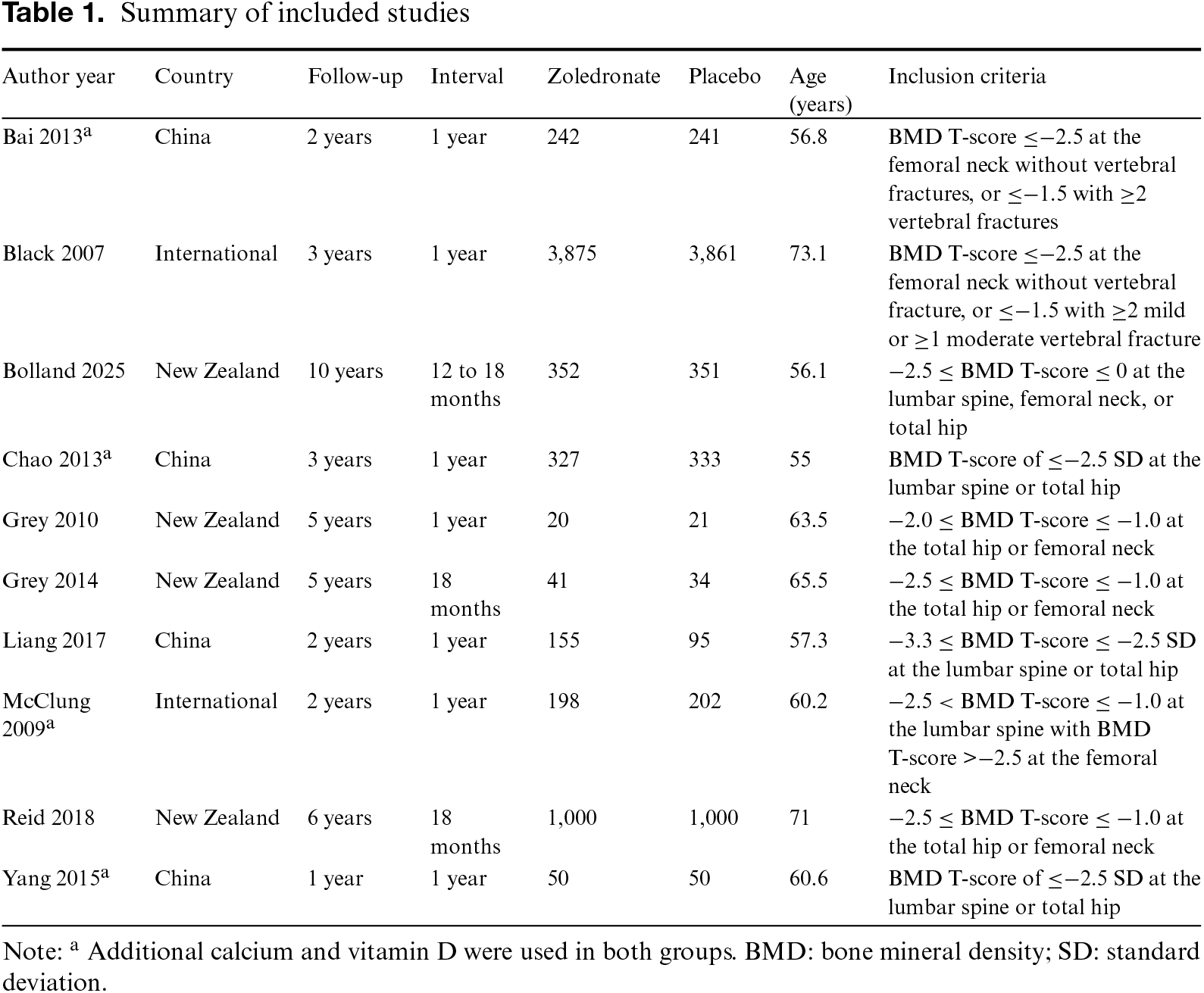
After searching the databases, 2,401 studies were identified. Following the removal of duplicates (376 studies), initial screening (1,626 studies), and full-text screening (37 studies), a total of 12 studies were included in the final analysis (Fig. S1). Two studies reporting short-term outcomes were also excluded.23,24 Ultimately, this systematic review and meta-analysis included 10 RCTs involving 12,771 postmenopausal women (Table 1).15,25–33 The studies were conducted in China, New Zealand, and international cohorts, with follow-up periods ranging from 1 to 10 years. The mean age of participants ranged from 55 to 73 years, and inclusion criteria were based on BMD T-scores, with five studies including individuals with osteopenia (T-score between −1.0 and −2.5) and five studies focusing on osteoporosis (T-score ≤−2.5) at various skeletal sites. Zoledronate was administered at intervals ranging from annually to every 18 months, with placebo groups serving as the comparator.
Fracture Prevention
Three studies, including 8,879 patients, demonstrated that zoledronate significantly reduced the risk of any type of fracture in osteoporosis patients, with an OR of 0.62 (95% CI 0.54–0.71, p < 0.001; I2 = 0%) (Fig. 1). Another three studies, including 2,819 patients, evaluated the efficacy of zoledronate in preventing any type of fracture in osteopenia patients, reporting an OR of 0.61 (95% CI 0.50–0.74, p < 0.001; I2 = 0%). A pooled analysis across all postmenopausal women showed an overall reduction in fracture risk, with an OR of 0.61 (95% CI 0.55–0.69, p < 0.001; I2 = 0%).
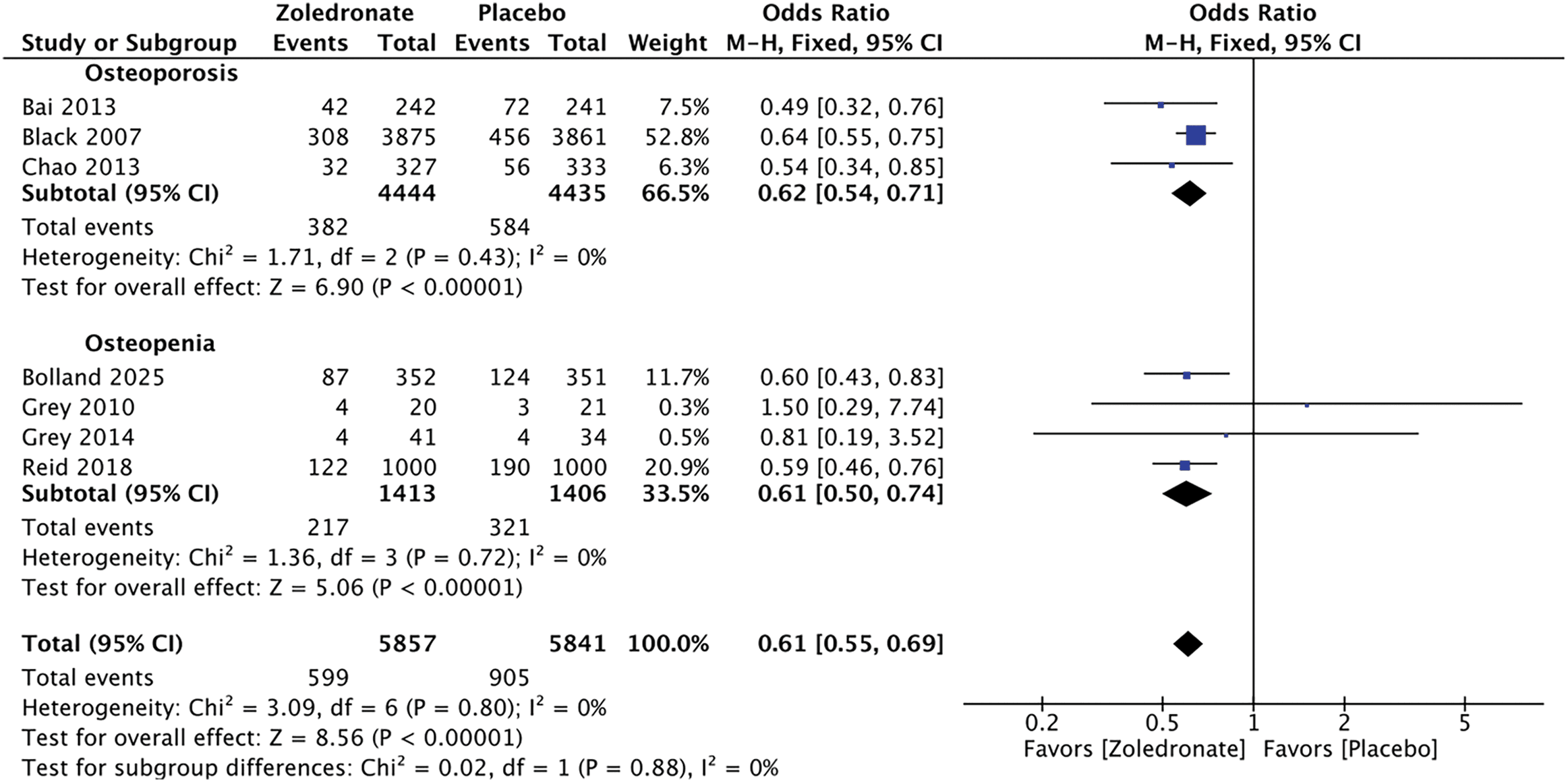
Figure 1. Comparison of Zoledronate vs. Placebo for any fracture prevention.
Subgroup analysis for vertebral fracture prevention is presented in Fig. S2. Two studies, including 8,219 patients, demonstrated that zoledronate significantly reduced the risk of vertebral fractures in osteoporosis patients, with an OR of 0.34 (95% CI 0.18–0.65, p = 0.001; I2 = 48%). Another two studies, including 2,703 patients, assessed zoledronate’s efficacy in preventing vertebral fractures in osteopenia patients, yielding an OR of 0.49 (95% CI 0.35–0.71, p < 0.001; I2 = 0%). A pooled analysis in postmenopausal women showed an overall reduction in vertebral fracture risk, with an OR of 0.40 (95% CI 0.27–0.60, p < 0.001; I2 = 61%).
Effect on BMD
Seven studies, including 11,055 patients, demonstrated that zoledronate effectively improved BMD in the lumbar spine, with an MD of 6.26% (95% CI 5.48–7.03, p < 0.001; I2 = 100%) (Fig. 2). Eight studies, including 11,305 patients, confirmed its effectiveness in increasing BMD in the total hip, with an MD of 5.30% (95% CI 4.61–5.98, p < 0.001; I2 = 100%). Additionally, three studies, including 8,236 patients, showed that zoledronate significantly improved femoral neck BMD, with an MD of 3.84% (95% CI 2.60–5.09, p < 0.001; I2 = 100%). A pooled analysis across these three skeletal sites indicated an overall MD of 5.47% (95% CI 5.10–5.85, p < 0.001; I2 = 100%). Heterogeneity could not be reduced by sensitivity analysis.
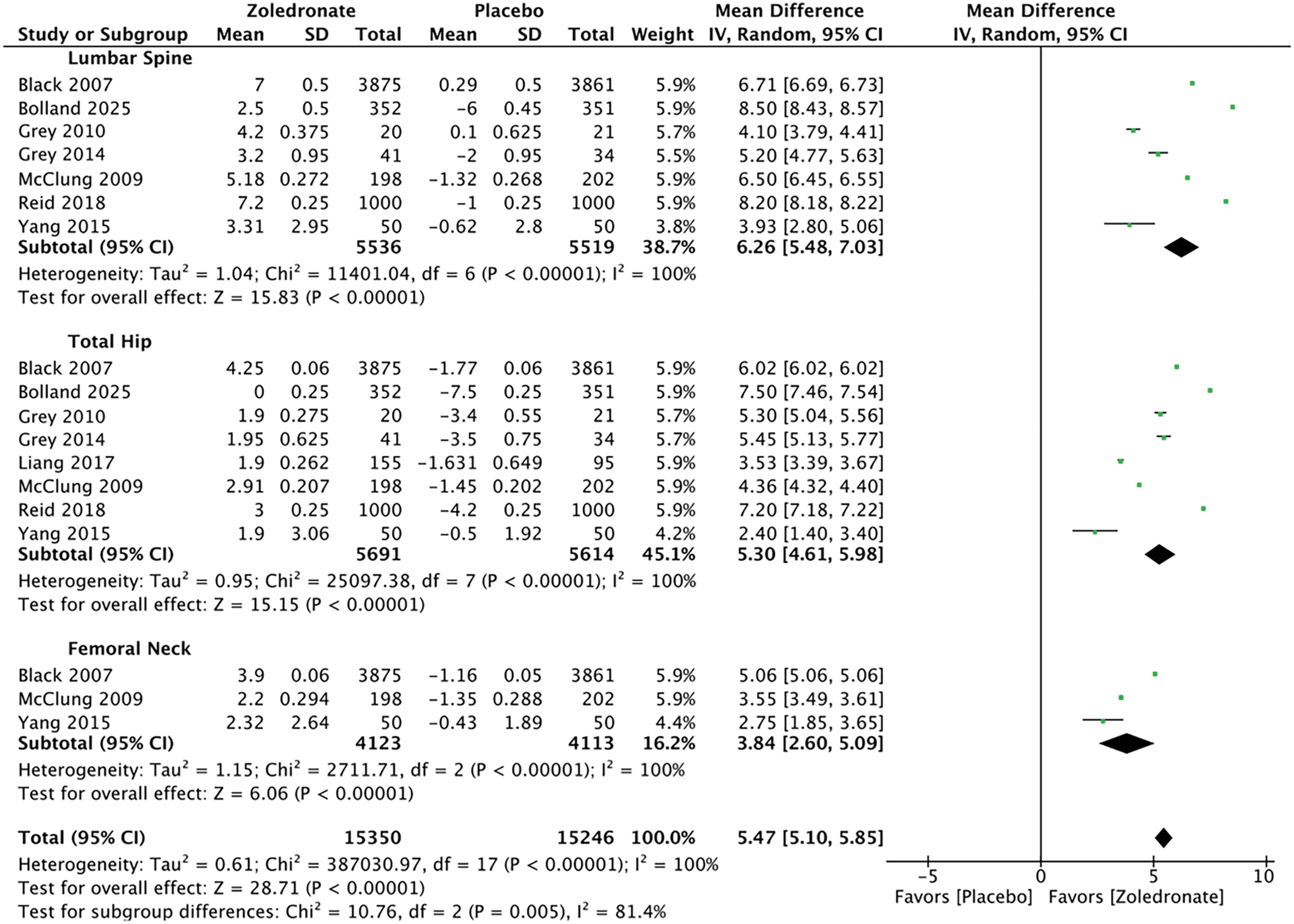
Figure 2. Effectiveness of Zoledronate in improving bone mineral density.
Risk of Adverse Events
The risk of any adverse events is shown in the supplementary materials, with an OR of 1.06 (95% CI 0.80–1.40, p = 0.70; I2 = 80%) (Fig. 3A). Similarly, the risk of serious adverse events is presented in the Supplementary Materials, with an OR of 0.93 (95% CI 0.67–1.31, p = 0.69; I2 = 67%) (Fig. 3B). Sensitivity analysis for the risk of any adverse events yielded an OR of 1.22 (95% CI 1.06–1.40, p = 0.005; I2 = 0%) (Fig. S3), while sensitivity analysis for the risk of serious adverse events showed an OR of 1.06 (95% CI 0.77–1.46, p = 0.70; I2 = 56%) (Fig. S4).
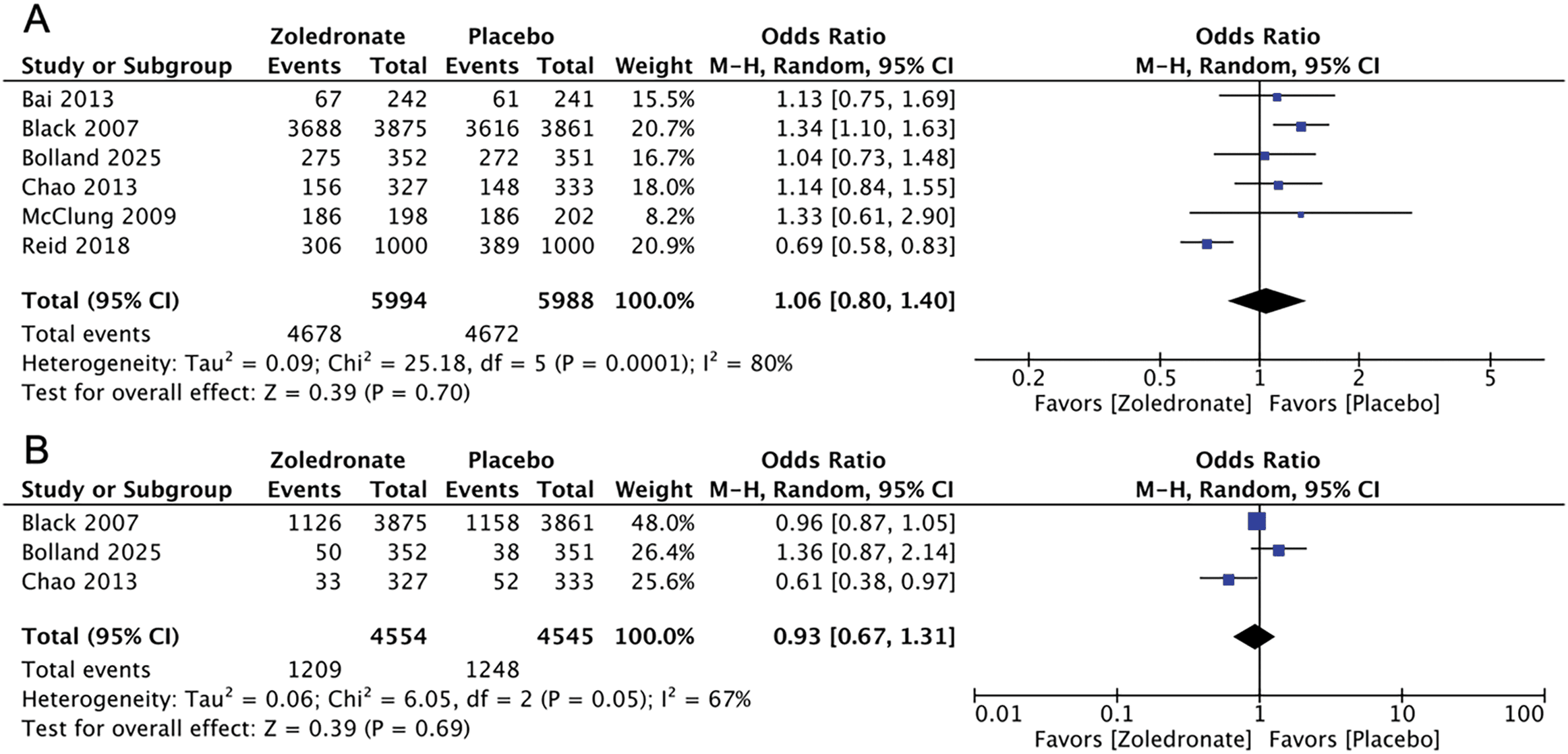
Figure 3. Risk of adverse events: Zoledronate versus Placebo. (A) Any adverse event and (B) Serious adverse event.
Subgroup Analysis by Treatment Duration
Subgroup analyses based on treatment duration were conducted for both fracture prevention and BMD outcomes. Zoledronate administration for 1 year and more than 1 year demonstrated significant efficacy in reducing fracture risk, with ORs of 0.62 (95% CI: 0.54–0.71, p < 0.001; I2 = 0%) and 0.60 (95% CI: 0.49–0.73, p < 0.001; I2 = 0%), respectively (Fig. S5). For lumbar spine BMD, zoledronate use for 1 year and more than 1 year resulted in MDs of 5.68% (95% CI: 5.27–6.09, p < 0.001; I2 = 99%) and 7.46% (95% CI: 6.98–7.95, p < 0.001; I2 = 99%), respectively (Fig. S6). Similarly, improvements in total hip BMD were observed with MDs of 4.38% (95% CI: 3.29–5.47, p < 0.001; I2 = 100%) for 1-year treatment and 6.84% (95% CI: 6.51–7.16, p < 0.001; I2 = 99%) for treatment exceeding 1 year (Fig. S7).
Publication Bias and Risk of Bias
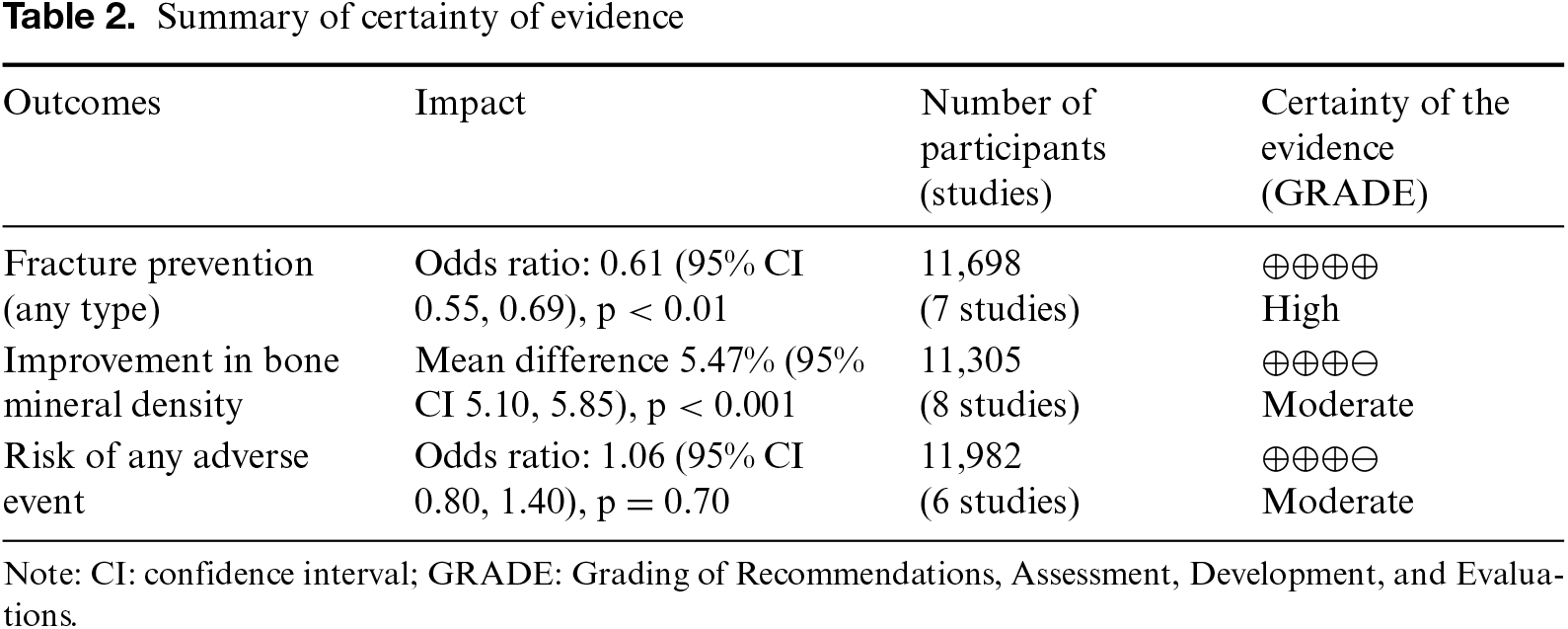
Assessment of publication bias using funnel plots and Egger’s test revealed no significant asymmetry for most outcomes, including fracture prevention, lumbar spine BMD, and adverse events (Figs. S8–S14). However, a notable asymmetry was observed for the outcome of total hip BMD, suggesting potential publication bias. The risk of bias assessment conducted using the Cochrane RoB 2 tool indicated that most studies had a low risk of bias (Fig. S15). However, one study had a high risk of bias due to incomplete follow-up, while another exhibited a high risk of performance and detection bias. The certainty of evidence is provided in the Supplementary Materials. There is high certainty of evidence for zoledronate in preventing fractures and moderate certainty in improving BMD (Table 2). While moderate evidence supports no increase in serious adverse events, there is evidence of an increase in any kind of adverse events.
Discussion
This systematic review and meta-analysis provide robust evidence that zoledronate is highly effective in preventing osteoporosis and osteopenia in postmenopausal women. The findings demonstrate a significant reduction in fracture risk and notable improvements in BMD in both osteoporotic and osteopenic populations. Specifically, zoledronate significantly reduced the risk of fractures in osteopenic patients, reinforcing its potential as an early intervention strategy for those at risk of progressing to osteoporosis. Additionally, subgroup analysis demonstrated its efficacy in reducing vertebral fractures in osteopenic patients, further supporting its role in preserving bone health. These results align with previous large-scale clinical trials supporting the efficacy of zoledronate in osteoporosis treatment,26 but this study extends the evidence base by demonstrating its preventive benefits in osteopenia. The findings are consistent with prior studies highlighting zoledronate’s long-acting antiresorptive effects, reinforcing its position as a key agent for early intervention in bone health management.34 Moreover, this analysis provides a more comprehensive synthesis of RCTs, strengthening the certainty of evidence regarding its preventive benefits across different levels of bone mass reduction.
These findings suggest that clinicians should consider zoledronate as a first-line option not only for postmenopausal women with osteoporosis but also for those with osteopenia, particularly those at higher fracture risk based on BMD and clinical factors. Pharmacological strategies for fracture prevention in osteopenia and osteoporosis follow a stepwise approach based on fracture risk, BMD, and patient-specific factors. First-line therapy typically includes bisphosphonates (e.g., zoledronate, alendronate, and risedronate), which inhibit bone resorption and are recommended for most patients at high risk of fractures.35 If bisphosphonates are contraindicated or poorly tolerated, denosumab, a monoclonal antibody targeting RANKL, serves as an alternative option, particularly in individuals with renal impairment.34 In cases of severe osteoporosis or multiple fractures, anabolic agents such as teriparatide or romosozumab are prioritized to stimulate bone formation before transitioning to antiresorptive therapy for maintenance. Hormone replacement therapy or selective estrogen receptor modulators may be considered for postmenopausal women with low BMD but without high fracture risk.36 The selection and sequencing of these agents depend on balancing efficacy, safety, and patient comorbidities, ensuring optimal long-term bone health.
Despite the strong evidence supporting zoledronate’s efficacy in both osteoporosis and osteopenia, further research is warranted to explore its long-term effects beyond the follow-up periods assessed in the included studies. Future studies should investigate its optimal dosing interval, particularly whether extended dosing regimens could maintain benefits while further minimizing potential adverse events. Additionally, comparative studies evaluating zoledronate against newer osteoporosis therapies, such as monoclonal antibodies and anabolic agents, are needed to refine treatment guidelines. From a health policy perspective, incorporating zoledronate into osteoporosis and osteopenia prevention programs could significantly reduce the incidence of fractures and associated healthcare costs. Policymakers should consider strategies to increase access to zoledronate, particularly in aging populations where osteoporosis-related fractures impose a substantial economic burden.
This study has several limitations that should be acknowledged. Although the analysis included RCTs, variations in study designs, follow-up durations, and baseline characteristics of the participants may have contributed to heterogeneity. Second, although no significant increase in serious adverse events was observed, the potential for rare but serious complications, such as atypical femoral fractures and osteonecrosis of the jaw, underscores the need for ongoing long-term surveillance.
Conclusion
This meta-analysis provides robust evidence that zoledronate is an effective and well-tolerated option for osteoporosis and osteopenia prevention in postmenopausal women, significantly reducing fracture risk and improving BMD without a notable increase in serious adverse events. Its long-acting nature enhances treatment adherence, making it a practical choice for early bone health management.
Acknowledgment
None.
Funding Source
None.
Author Contributions
J.L. contributed to conceptualization, data curation, formal analysis, and original draft writing. W.L. contributed to data curation and formal analysis. Z.Z. contributed to data curation and writing, review, and editing. All authors have read and agreed to the published version of the manuscript.
Data Availability
The corresponding author will make the datasets available upon reasonable request.
Ethical Statement
Institutional Review Board approval was waived due to the nature of the meta-analysis.
Conflict of Interest
The authors report no conflicts of interest in this work.
Supplemental Information
Supplemental information for this article can be found online at https://sup.jclinque.com/api/articles/66/download-suppl.
References
[1] Cheng CH, Chen LR, Chen KH. Osteoporosis due to hormone imbalance: an overview of the effects of estrogen deficiency and glucocorticoid overuse on bone turnover. Int J Mol Sci. January 25, 2022;23(3):1376. doi:10.3390/ijms23031376.
[2] National Center for Health Statistics. Osteoporosis or Low bone mass in older adults: United States; 2017–2018. Published 2021. Accessed on January 30, 2025. https://wwwcdcgov/nchs/products/databriefs/db405htm?utm_source=chatgptcom.
[3] Baek YH, Cho SW, Jeong HE, et al. 10-year fracture risk in postmenopausal women with osteopenia and osteoporosis in South Korea. Endocrinol Metab (Seoul). December 2021;36(6):1178–1188. doi:10.3803/EnM.2021.1215.
[4] Nuti R, Brandi ML, Checchia G, et al. Guidelines for the management of osteoporosis and fragility fractures. Intern Emerg Med. January 2019;14(1):85–102. doi:10.1007/s11739-018-1874-2.
[5] Gandham A, McMillan LB, Ng C-A, et al. Associations of health-related quality of life, fear of falling and objective measures of physical function with bone health in postmenopausal women with low bone mass. J Clin Med. 2019;8(9):1370. doi:10.3390/jcm8091370.
[6] Rashki Kemmak A, Rezapour A, Jahangiri R, Nikjoo S, Farabi H, Soleimanpour S. Economic burden of osteoporosis in the world: a systematic review. Med J Islam Repub Iran. 2020;34:154. doi:10.34171/mjiri.34.154.
[7] Barcelos A, Gonçalves J, Mateus C, Canhão H, Rodrigues AM. Costs of incident non-hip osteoporosis-related fractures in postmenopausal women from a payer perspective. Osteoporos Int. December 2023;34(12):2111–2119. doi:10.1007/s00198-023-06881-w.
[8] Peraza-Delgado A, Sánchez-Gómez MB, Gómez-Salgado J, Romero-Martín M, Novo-Muñoz M, Duarte-Clíments G. Non-pharmacological interventions towards preventing the triad osteoporosis-falls risk-hip fracture, in population older than 65. Scoping review. J Clin Med. July 22, 2020;9(8):2329. doi:10.3390/jcm9082329.
[9] Qaseem A, Hicks LA, Etxeandia-Ikobaltzeta I, et al. Pharmacologic treatment of primary osteoporosis or low bone mass to prevent fractures in adults: a living clinical guideline from the American College of Physicians. Ann Intern Med. February 2023;176(2):224–238. doi:10.7326/m22-1034.
[10] Reid IR, Billington EO. Drug therapy for osteoporosis in older adults. The Lancet. 2022;399(10329):1080–1092. doi:10.1016/S0140-6736(21)02646-5.
[11] Cheah MH, Ong T. Zoledronate for hip fractures: the road towards achieving consensus. Age Ageing. April 1, 2024;53(4):2214. doi:10.1093/ageing/afae062.
[12] Greear EL, Patel P, Bankole A. In: StatPearls. Treasure Island (FL): StatPearls Publishing; February 21, 2024.
[13] D'Andrea E, Schneeweiss S, Franklin JM, et al. Efficacy versus effectiveness: the HORIZON-pivotal fracture trial and its emulation in claims data. Arthritis Rheumatol. 2025;77(1):12–21. doi:10.1002/art.42968.
[14] Farrah Z, Jawad ASM. Optimising the management of osteoporosis. Clin Med. 2020;20(5):e196–e201. doi:10.7861/clinmed.2020-0131.
[15] Reid IR, Horne AM, Mihov B, et al. Fracture prevention with zoledronate in older women with osteopenia. N Engl J Med. December 20, 2018;379(25):2407–2416. doi:10.1056/NEJMoa1808082.
[16] Lan Z, Lin X, Xue D, Yang Y, Saad M, Jin Q. Can bisphosphonate therapy reduce overall mortality in patients with osteoporosis? A meta-analysis of randomized controlled trials. Clin Orthop Relat Res. January 1, 2025;483(1):91–101. doi:10.1097/corr.0000000000003204.
[17] Gazoni FM, Civile VT, Atallah ÁN, Santos FC, Trevisani VFM. Intravenous zoledronate for postmenopausal women with osteopenia and osteoporosis: a systematic review and metanalysis. Sao Paulo Med J. 2023;141(6):e2022480. doi:10.1590/1516-3180.2022.0480.R1.27032023.
[18] Page MJ, McKenzie JE, Bossuyt PM, et al. The PRISMA, 2020 statement: an updated guideline for reporting systematic reviews. BMJ. 2021;372:n71. doi:10.1136/bmj.n71.
[19] Efficacy and Safety of zoledronate for osteopenia and osteoporosis in postmenopausal women: a systematic review and meta-analysis of randomized controlled trials. Published February 2025. Accessed February 20, 2025. https://archive.org/details/osf-registrations-vkst6-v1.
[20] Higgins JP, Thompson SG, Deeks JJ, Altman DG. Measuring inconsistency in meta-analyses. BMJ. September 6, 2003;327(7414):557–560. doi:10.1136/bmj.327.7414.557.
[21] Sterne JAC, Savović J, Page MJ, et al. RoB 2: a revised tool for assessing risk of bias in randomised trials. BMJ. 2019;366:l4898. doi:10.1136/bmj.l4898.
[22] Guyatt GH, Oxman AD, Vist GE, et al. GRADE: an emerging consensus on rating quality of evidence and strength of recommendations. BMJ. 2008;336(7650):924–926. doi:10.1136/bmj.39489.470347.AD.
[23] Grey A, Bolland M, Wattie D, Horne A, Gamble G, Reid IR. Prolonged antiresorptive activity of zoledronate: a randomized, controlled trial. J Bone Miner Res. October 2010;25(10):2251–2255. doi:10.1002/jbmr.103.
[24] Grey A, Bolland M, Mihov B, et al. Duration of antiresorptive effects of low-dose zoledronate in osteopenic postmenopausal women: a randomized, placebo-controlled trial. J Bone Miner Res. January 2014;29(1):166–172. doi:10.1002/jbmr.2009.
[25] Bai H, Jing D, Guo A, Yin S. Randomized controlled trial of zoledronic acid for treatment of osteoporosis in women. J Int Med Res. 2013;41(3):697–704. doi:10.1177/0300060513480917.
[26] Black DM, Delmas PD, Eastell R, et al. Once-yearly zoledronic acid for treatment of postmenopausal osteoporosis. N Engl J Med. May 3, 2007;3(18):1809–1822. doi:10.1056/NEJMoa067312.
[27] Bolland MJ, Nisa Z, Mellar A, et al. Fracture prevention with infrequent zoledronate in women 50 to 60 years of age. N Engl J Med. January 16, 2025;16(3):239–248. doi:10.1056/NEJMoa2407031.
[28] Chao M, Hua Q, Yingfeng Z, et al. Study on the role of zoledronic acid in treatment of postmenopausal osteoporosis women. Pak J Med Sci. November 2013;29(6):1381–1384. doi:10.12669/pjms.296.3677.
[29] Grey A, Bolland MJ, Horne A, et al. Five years of anti-resorptive activity after a single dose of zoledronate–results from a randomized double-blind placebo-controlled trial. Bone. June 2012;50(6):1389–1393. doi:10.1016/j.bone.2012.03.016.
[30] Grey A, Bolland MJ, Horne A, Mihov B, Gamble G, Reid IR. Duration of antiresorptive activity of zoledronate in postmenopausal women with osteopenia: a randomized, controlled multidose trial. CMAJ. September 11, 2017;189(36):E1130–e1136. doi:10.1503/cmaj.161207.
[31] Liang BC, Shi ZY, Wang B, et al. Intravenous Zoledronic Acid 5 mg on bone turnover markers and bone mineral density in East China subjects with newly diagnosed osteoporosis: a 24-month clinical study. Orthop Surg. February 2017;9(1):103–109. doi:10.1111/os.12307.
[32] McClung M, Miller P, Recknor C, Mesenbrink P, Bucci-Rechtweg C, Benhamou CL. Zoledronic acid for the prevention of bone loss in postmenopausal women with low bone mass: a randomized controlled trial. Obstet Gynecol. November 2009;114(5):999–1007. doi:10.1097/AOG.0b013e3181bdce0a.
[33] Yang Y, Luo X, Yan F, et al. Effect of zoledronic acid on vertebral marrow adiposity in postmenopausal osteoporosis assessed by MR spectroscopy. Skeletal Radiol. October 2015;44(10):1499–1505. doi:10.1007/s00256-015-2200-y.
[34] LeBoff MS, Greenspan SL, Insogna KL, et al. The clinician’s guide to prevention and treatment of osteoporosis. Osteoporos Int. October 2022;33(10):2049–2102. doi:10.1007/s00198-021-05900-y.
[35] Compston J. Practical guidance for the use of bisphosphonates in osteoporosis. Bone. 2020;136:115330. doi:10.1016/j.bone.2020.115330.
[36] Rani J, Swati S, Meeta M, Singh SH, Tanvir T, Madan A. Postmenopausal osteoporosis: menopause hormone therapy and selective estrogen receptor modulators. Indian J Orthop. December 2023;57(Suppl 1):105–114. doi:10.1007/s43465-023-01071-6.
 |
Copyright: © 2025 Liu et al. This work is licensed under a Creative Commons Attribution 4.0 International License, which permits unrestricted use, distribution, and reproduction in any medium, provided the original work is properly cited. |