| Journal of Clinical Question, 2024, Vol. 1, No. 3, 138–147 https://doi.org/10.69854/jcq.2024.0017 Advance access publication date 27 December 2024 |
 |
Meta-Analysis
Effectiveness and Safety of Suvorexant in Preventing Delirium: A Systematic Review and Meta-Analysis
1Department of Psychiatry, Beijing Huilongguan Hospital, Peking University Huilongguan Clinical Medical School, Beijing, China.
2Department of Mental Health, Beijing United Family Rehabilitation Hospital, Beijing, China.
*Corresponding Author: e-mail: xiaojie8706@163.com
Submitted: October 12, 2024 Accepted: December 26, 2024
Clinical Question Box
Is Suvorexant effective and safe for the prevention of delirium in hospitalized patients?
Three studies from Japan suggest that Suvorexant may be an effective and safe treatment for preventing delirium in hospitalized patients over seven days. However, a three-day prescription showed no significant effectiveness. The strength of the evidence is limited due to small sample sizes and varying selection criteria among the included studies.
Abstract
Introduction: Delirium is a common and severe complication in hospitalized patients, particularly among the elderly and those in intensive care units or post-surgery. Suvorexant, a dual orexin receptor antagonist, has been proposed as a potential preventive treatment for delirium, but its safety and effectiveness have not been comprehensively analyzed. Methods: We conducted a systematic review and meta-analysis of randomized controlled trials (RCTs) assessing Suvorexant for adult delirium prevention, identified through four database searches. The primary outcome was the incidence of delirium, and the secondary outcome was the incidence of adverse events. A random-effects model was used for data synthesis. Results: Three studies, all conducted in Japan, involved 307 patients and were included in the analysis. The pooled results demonstrated that Suvorexant significantly reduced the incidence of delirium, with an odds ratio (OR) of 0.43 [95% confidence interval (CI) 0.21–0.87, p = 0.02; I2 = 16%]. A seven-day administration of Suvorexant showed a statistically significant protective effect (OR 0.50, 95% CI 0.28–0.90, p = 0.02; I2 = 0%), whereas three-day administration did not reach statistical significance (OR 0.56, 95% CI 0.24–1.27, p = 0.16; I2 = 19%). Additionally, there was no significant increase in adverse events (OR 0.91, 95%CI 0.50–1.64, p = 0.75; I2 = 0%). Conclusion: Suvorexant is an effective and safe option for preventing delirium, particularly with seven-day administration periods. However, further research is required to determine the optimal dosing and duration for maximum effectiveness.
Keywords: Suvorexant, delirium, prevention, meta-analysis, orexin receptor antagonist.
1. Introduction
Delirium is a common and serious complication seen in hospitalized patients, especially in intensive care units (ICUs) and post-surgery.1 This condition presents as sudden cognitive changes, such as confusion, disorientation, and variations in attention and alertness.2 The occurrence of delirium varies widely across patient groups, ranging from 15% to 50% in generalized hospital patients and reaching as high as 80% in those in the ICU.3 It is particularly prevalent among elderly patients, especially those with pre-existing cognitive issues or frailty.4 Delirium is linked to poor outcomes, including more extended hospital stays, an increased risk of lasting cognitive problems, higher mortality, and more extraordinary healthcare expenses.5 Due to its significant effects on both individuals and the healthcare system, addressing delirium with better prevention and treatment strategies is a public health priority.6
Delirium is often linked to one or more contributing factors, such as a severe or prolonged illness or an imbalance in the body, like low sodium levels. It can also result from certain medications, infections, surgical procedures, or the use or withdrawal of alcohol or drugs.7 Delirium management currently incorporates pharmacological and non-pharmacological approaches to prevent and reduce severity.8 Non-pharmacological methods, such as adjusting the environment, promoting cognitive activity, improving sleep quality, and limiting invasive procedures or physical restraints, are prioritized due to their focus on modifiable risk factors.9 In addition to direct interventions for patients, the role of the family is sometimes crucial in preventing delirium. A study demonstrated that patient and family-centered care interventions can significantly reduce delirium rates among ICU patients.10 In cases where these strategies prove inadequate, medication may be considered, particularly for patients with severe or ongoing symptoms.11 However, no single pharmaceutical agent has gained universal approval for treating or preventing delirium.12 As a result, ongoing research continues to explore and assess pharmacological options to lower delirium incidence, especially in high-risk populations.
The pharmacological management of delirium is complex due to the heterogeneity of underlying causes and contributing factors.13 Traditionally, antipsychotics such as haloperidol have been used to manage symptoms of delirium. However, their efficacy in prevention remains uncertain, and they carry a risk of significant side effects, especially in elderly populations.14 More recent research has explored the use of sedative agents like dexmedetomidine, and some studies have investigated melatonin and melatonin receptor agonists for delirium prevention, given their role in regulating sleep–wake cycles, a key factor in the pathophysiology of delirium.15 In elderly patients, atypical antipsychotics, dexmedetomidine, melatonergic agents, and haloperidol are effective in preventing postoperative delirium, with atypical antipsychotics ranking as the most effective.16 As with any decision related to medication use, initiating a new medication in a patient with delirium requires consideration of the potential benefits compared to the possible risks of use.17
Suvorexant, a dual orexin receptor antagonist (DORA) originally approved for the treatment of insomnia, has gained attention as a potential candidate for delirium prevention due to its soothing properties and relatively minimal side effects compared to traditional sedatives.18 A growing body of evidence supports the possible role of Suvorexant in delirium prevention, suggesting it may offer a safer therapeutic option, particularly for patients at high risk of developing delirium during hospitalization or in critical care settings.19 Given the rising interest in using Suvorexant for delirium prevention, this meta-analysis aims to systematically review the existing literature on its efficacy in reducing the incidence of delirium in hospitalized patients. By pooling data from randomized controlled trials (RCTs), this meta-analysis seeks to provide comprehensive and robust evidence on the effectiveness and safety of Suvorexant as a preventive agent for delirium.
2. Methods
2.1 Overview
This meta-analysis was conducted according to the Preferred Reporting Items for Systematic Reviews and Meta-Analyses (PRISMA) guidelines to ensure methodological rigor, transparency, and replicability.20 It was registered in the Open Science Framework Preregistration.21 Since this meta-analysis does not involve new patient data collection, all data were sourced from previously published studies, and institutional review board approval was waived.
2.2 Eligibility Criteria
This meta-analysis included: 1) RCTs involving adult patients (aged ≥18 years) at risk of developing delirium, including those in ICUs, undergoing surgical procedures, or with a history of delirium; 2) studies evaluating Suvorexant as a preventive intervention for delirium, with placebo or standard care (not involving Suvorexant) as the comparator; 3) studies reporting delirium incidence diagnosed using validated tools such as DSM-5; and 4) articles published in English. Exclusion criteria were: 1) studies involving pediatric populations or those not at risk of delirium; 2) studies that do not assess Suvorexant as the primary preventive intervention; 3) studies without a proper comparator group; 4) non-randomized trials, observational studies, case reports, case series, and review articles; and 5) studies not reporting delirium outcomes using validated tools, or unpublished studies, conference abstracts, and grey literature.
2.3 Search Strategy
A comprehensive search strategy was developed and implemented across multiple electronic databases, including PubMed, Embase, Cochrane Library, and Web of Science, on October 8, 2024. The following search terms were used: “suvorexant” OR “MK-4305” OR “belsomra” to identify the intervention, and “delirium” OR “acute confusional state” OR “ICU delirium” OR “postoperative delirium” to determine the patient population. The reference lists of included studies and relevant review articles were manually screened for additional studies.
2.4 Study Selection
All identified studies underwent a two-step selection process. Initially, titles and abstracts were screened independently by two reviewers (L.Y. and G.L.) to exclude irrelevant studies. In the second step, the full-text versions of potentially eligible studies were assessed for inclusion by the same two reviewers. Discrepancies between reviewers were resolved through discussion or consulting a third reviewer (R.H.) if necessary. Two reviewers independently extracted data using a standardized data extraction form. Key information extracted from each study included Study Characteristics (authors, year of publication, study design, sample size, and follow-up duration), Patient Characteristics (age, sex, baseline risk of delirium), and Intervention Details (dose and timing of Suvorexant administration, and duration of treatment). Any disagreements between reviewers during data extraction were resolved through discussion or consultation with a third reviewer.
2.5 Outcomes
This meta-analysis primarily aims to evaluate Suvorexant’s efficacy in reducing the incidence of delirium among hospitalized patients, responding to the growing interest in its potential role in delirium prevention. Additionally, as a secondary objective, we assess Suvorexant’s safety profile, focusing on its side effects, to provide a comprehensive understanding of its benefits and risks in the inpatient setting.
2.6 Data Synthesis and Statistical Analysis
For dichotomous outcomes, such as the incidence of delirium, odds ratios (ORs) with 95% confidence intervals (CIs) were calculated. A random-effects model was used to account for variability between studies. Statistical heterogeneity was assessed using the I2 statistic, with values above 50% indicating significant heterogeneity. Cochran’s Q test was also performed, with a p-value <0.10 indicative of substantial heterogeneity. Subgroup analyses were conducted to investigate potential sources of heterogeneity, such as administration duration. Publication bias was evaluated through visual inspection of funnel plots.
2.7 Risk of Bias Assessment
The risk of bias in the included randomized controlled trials was evaluated using the Cochrane Risk of Bias tool, which examines several key domains: random sequence generation (to assess selection bias), allocation concealment (also for selection bias), blinding of participants and personnel (performance bias), blinding of outcome assessment (detection bias), incomplete outcome data (attrition bias), and selective reporting (reporting bias). Each study was categorized as having a low, unclear, or high risk of bias for each of these domains.
2.8 Grading of Evidence
The quality of evidence was assessed using the GRADE (Grading of Recommendations, Assessment, Development, and Evaluations) approach. The overall certainty of the evidence for each outcome was classified as high, moderate, low, or very low based on factors such as study design, risk of bias, inconsistency, indirectness, and imprecision of results.
3. Results
3.1 Characteristics of the Studies
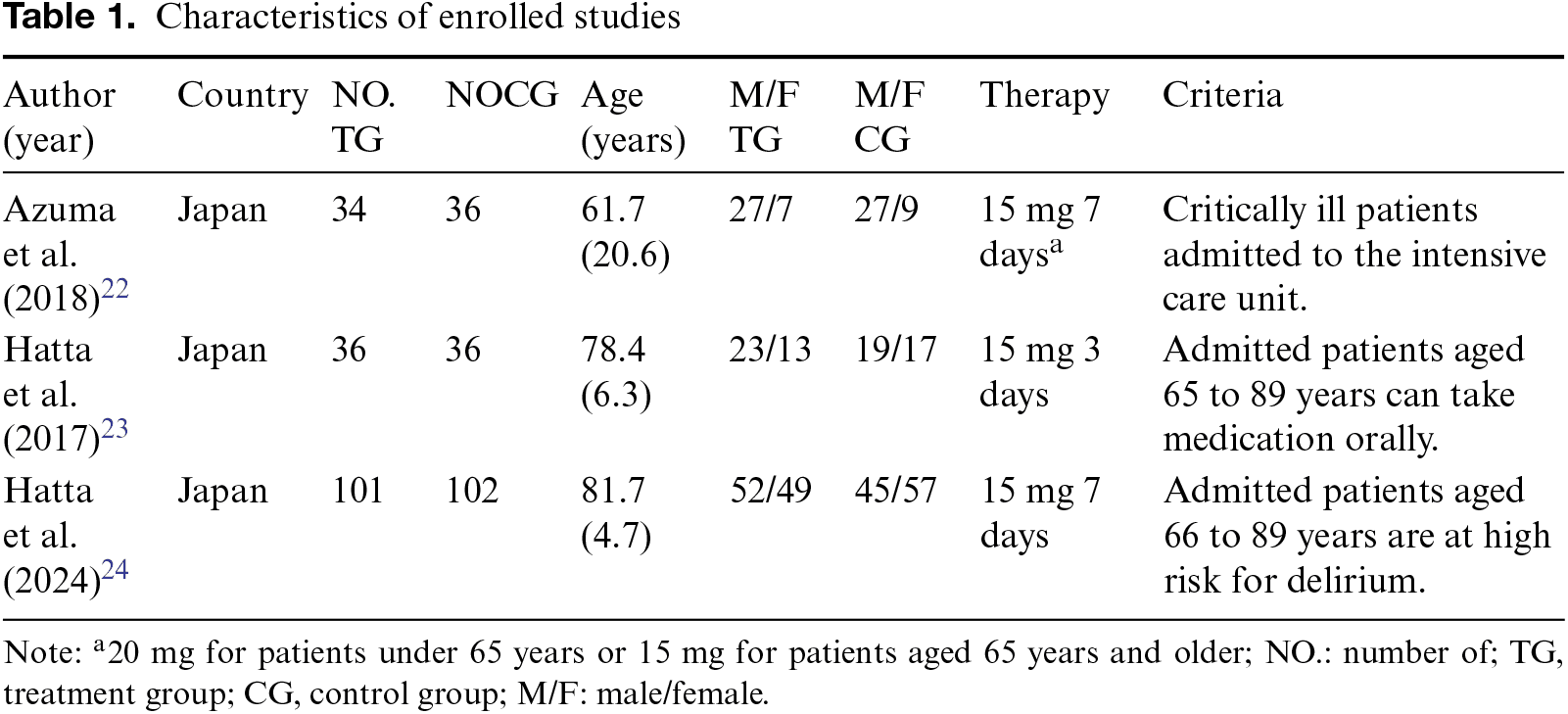
A total of 199 articles were identified from searches across four databases. After duplicate removal and subsequent screenings, 31 articles were removed for duplication, 117 in the first and 48 in the second. Ultimately, three studies were included in the meta-analysis (Fig. 1). All the studies were conducted in Japan, focusing on the impact of a Suvorexant therapy administered over 3 or 7 days in critically ill or high-risk patients.22–24 The studies collectively enrolled 307 patients, with 171 in the treatment group (TG) and 136 in the control group (CG) (Table 1).
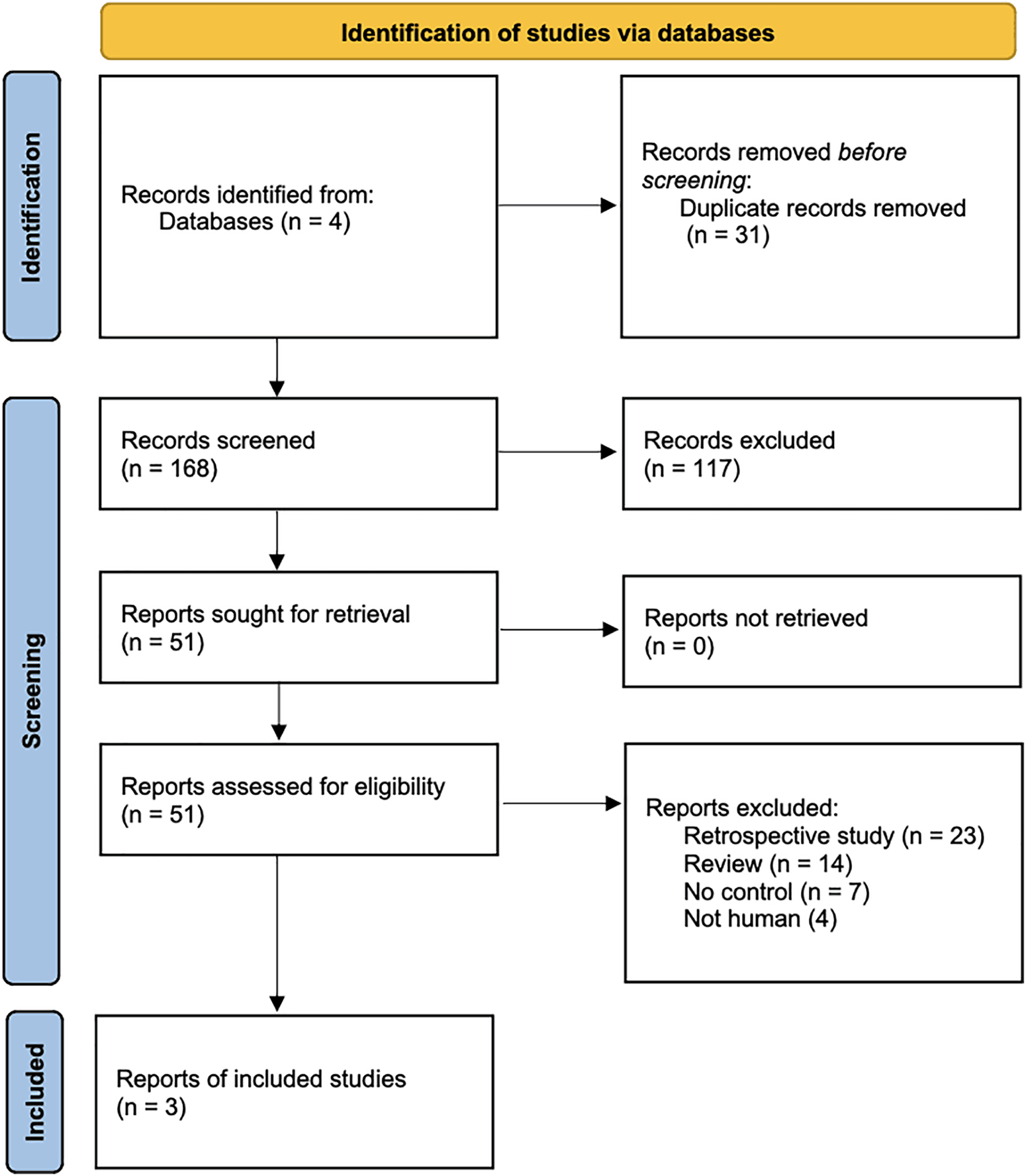
Figure 1. Flowchart of enrolled studies.
3.2 Incidence of Delirium
The primary outcome analyzed was the incidence of delirium, diagnosed according to DSM-5 criteria. Fig. 2 presents the meta-analysis results for the incidence of delirium. The pooled analysis showed that administration of Suvorexant successfully reduced the risk of delirium, with an OR of 0.43 (95% CI 0.21–0.87, p = 0.02; I2 = 16%). A subgroup analysis of Suvorexant administration for three and seven days is shown in Fig. 3. The ORs for three-day and seven-day prescriptions were 0.56 (95% CI 0.24–1.27, p = 0.16; I2 = 19%) and 0.50 (95% CI 0.28–0.90, p = 0.02; I2 = 0%), respectively (Figs. 3A, 3B). No statistical difference was identified for three days of usage, but a statistically significant difference was found after seven days.

Figure 2. Meta-analysis of delirium incidence based on DSM-5 criteria. DSM-5, diagnostic and statistical manual of mental disorders 5th edition; CI, confidence interval.
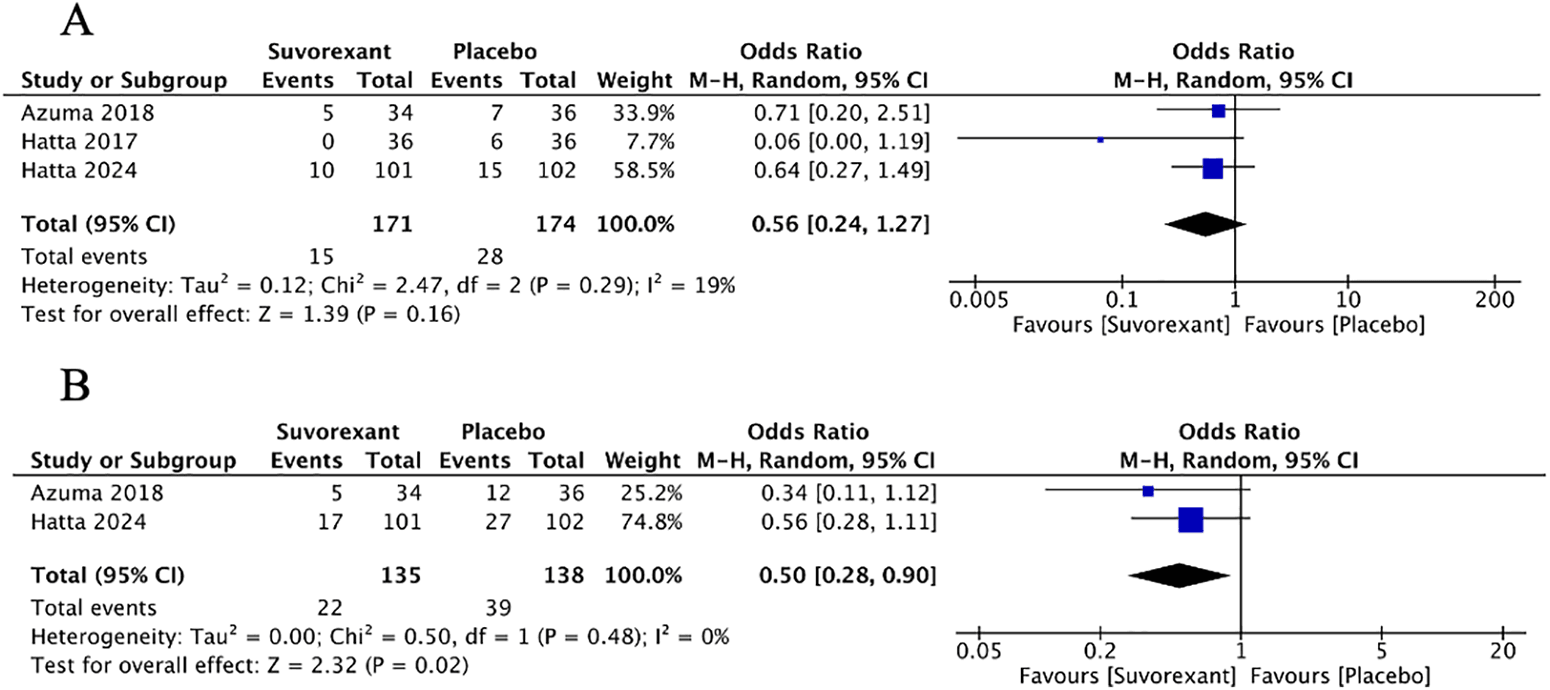
Figure 3. Subgroup analysis for three- and seven-day prescriptions in delirium prevention. A: three days prescription; B: seven days prescription; CI, confidence interval.
3.3 Adverse Events
The secondary outcome was the incidence of adverse events (Fig. 4). The pooled analysis indicated an OR of 0.91 (95% CI 0.50–1.64, p = 0.75; I2 = 0%), which was not statistically significant. This suggests that the Suvorexant therapy did not significantly increase the risk of adverse effects in the treated population.
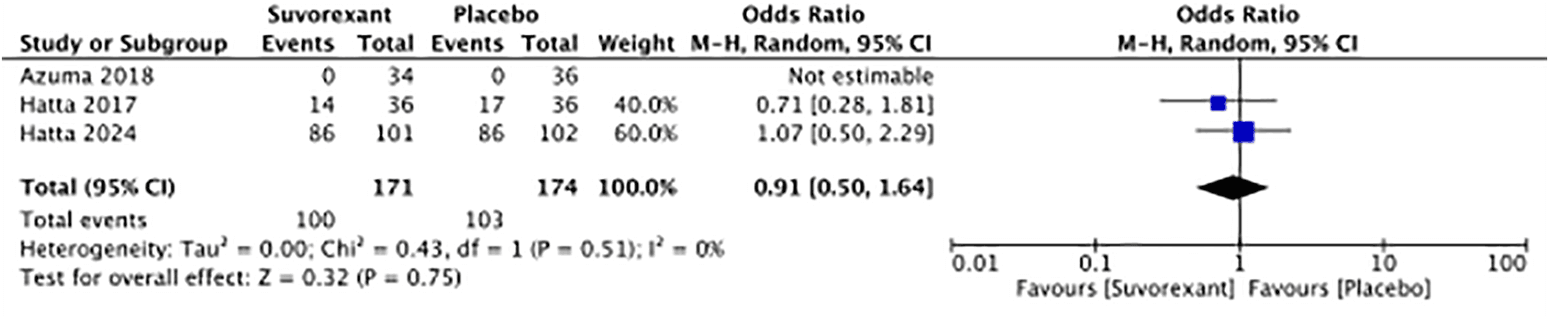
Figure 4. Meta-analysis of adverse events. CI, confidence interval.
3.4 Risk Assessment
The risk of bias for each study was assessed and is presented in Fig. S1. All studies were considered to have a low risk of bias in most domains, including randomization and blinding of outcome assessments. However, some concerns were raised regarding allocation concealment and blinding of participants and personnel in certain studies, particularly in Azuma et al.’s study, which may have introduced performance bias.22 Nevertheless, these potential biases were deemed unlikely to significantly affect the outcomes, as the results remained robust in sensitivity analyses. Figs. S2 and S3 depict the funnel plots for the primary and secondary outcomes, respectively. The overall risk of publication bias was considered low based on statistical tests.
4. Discussion
This meta-analysis provides a comprehensive overview of the efficacy of Suvorexant in preventing delirium, synthesizing data across multiple studies. Our findings indicate that Suvorexant significantly reduces the incidence of delirium in various patient populations, especially those at elevated risk for developing this condition. This effect is novel compared to previous pharmacological approaches, as earlier interventions primarily focused on antipsychotic drugs, which have yielded inconsistent results.25 Our study aligns with recent investigations into the role of orexin antagonists, reinforcing the potential of Suvorexant in preventing delirium and offering a promising alternative to conventional treatments.26,27 The consistency of our results with emerging clinical trials adds weight to the argument for its expanded use.
Despite the promising findings, our analysis also highlights that more than three days of administration of Suvorexant may be required for optimal delirium prevention. Besides the small sample size, which weakens the strength of the conclusion, delirium often develops throughout extended hospital stays or following surgery.28 This suggests that longer administration periods may be necessary for sustained prophylactic effects. In contrast, the pooled analysis of two trials, which involved seven days of treatment, demonstrated protective effectiveness against delirium. However, little is still known about the optimal duration of Suvorexant for delirium prevention. Future trials with extended administration periods are needed to establish the most effective dosing regimen.
Suvorexant, the first DORA approved for clinical use, has shown effectiveness in reducing sleep onset time and enhancing total sleep duration compared to a placebo.29 Its potential role in preventing delirium is thought to stem from its mechanism of action, which involves blocking orexin receptors—critical regulators of wakefulness and sleep.30 Orexin dysregulation has been implicated in the pathophysiology of delirium, where disruption of normal sleep–wake cycles is a common feature.31 By promoting sleep and stabilizing these cycles, Suvorexant may help prevent the cognitive and behavioral disturbances that characterize delirium.32 Moreover, its sedative effects, without the same level of cognitive impairment associated with other sedatives, make it an attractive option for patients who are particularly vulnerable to delirium.33 Several retrospective studies have also supported the effectiveness of Suvorexant, either as a standalone treatment or in combination with other therapies, for preventing delirium in patients with stroke, physical illnesses, or in postoperative settings.34–37
The combination of Suvorexant with other therapeutic interventions may offer enhanced efficacy in preventing delirium, particularly in high-risk patient populations.34 While Suvorexant itself promotes sleep and stabilizes the sleep–wake cycles by blocking orexin receptors, its effects could be potentiated when used alongside non-pharmacological strategies such as cognitive behavioral therapy, sleep hygiene practices, and early mobilization.38 These interventions can further promote circadian rhythm regulation and improve overall patient outcomes. Additionally, combining Suvorexant with other pharmacological agents, such as low-dose melatonin or certain antipsychotics, may help target multiple pathways involved in delirium pathophysiology, potentially providing a synergistic effect.39 However, careful consideration of potential drug interactions, patient-specific factors, and the safety profile of combination therapies is essential to ensure optimal results without increasing the risk of adverse effects. Future research is needed to explore the optimal combinations and treatment regimens for preventing delirium across diverse clinical settings. Additionally, as there are various factors contributing to delirium, condition-specific studies are essential to enhance the reliability of evidence regarding the use of Suvorexant.
Several limitations should be considered when interpreting these results. First, only three Japanese studies have identified Suvorexant’s effectiveness in preventing delirium. Two of these studies had small sample sizes, introducing potential bias and limiting the generalizability of the findings to broader populations. Second, there is heterogeneity among the included studies. Although our meta-analysis showed 0% heterogeneity for adverse events, the reported incidence of adverse events varied widely, with Azuma et al.22 reporting 0% and Hatta et al.24 reporting over 80%. This variation suggests potential differences in patient demographics, definitions, and reporting standards across studies. Additionally, Azuma et al.22 used a dosage of 20 mg for patients under 65 years and 15 mg for those aged 65 years and older, whereas other studies used a fixed 15 mg dosage. Third, most studies were conducted in hospital settings, limiting the generalizability of the findings to other contexts.
5. Conclusion
In conclusion, this meta-analysis suggests that Suvorexant may be an effective and safe option for preventing delirium, particularly by targeting the orexin system and stabilizing sleep–wake cycles. However, the limited sample sizes, study heterogeneity, and short administration periods in the included trials highlight the need for further research to determine the optimal dosing regimen and duration of treatment.
Acknowledgment
None.
Funding Source
This research received no external funding.
Author Contributions
L.Y., G.L., and R.H. contributed to the study search, quality check, data extraction, and drafting. Y.Z., X.D., Y.S., and J.Z. worked on data interpretation and the revision. All authors have read the manuscript and agree with its content and data.
Data Availability Statement
The data supporting this study’s findings are available from the corresponding author upon reasonable request.
Ethical Statement
Not applicable.
Conflicts of Interest
The authors report no conflicts of interest in this work.
Supplemental Information
Supplemental information for this article can be found online at https://sup.jclinque.com/api/articles/55/download-suppl.
References
[1] Marcantonio ER. Haloperidol for treatment of ICU delirium-progress or setback? N Engl J Med. December 29, 2022;387(26):2464–2465. doi:10.1056/NEJMe2214417.
[2] Ramírez Echeverría MDL, Schoo C, Paul M. Delirium. In: StatPearls. Treasure Island (FL): StatPearls Publishing; November 19, 2024.
[3] Sadaf F, Saqib M, Iftikhar M, et al. Prevalence and risk factors of delirium in patients admitted to intensive care units: a multicentric cross-sectional study. Cureus. September 2023;15(9):e44827. doi:10.7759/cureus.44827.
[4] Bellelli G, Brathwaite JS, Mazzola P. Delirium: a marker of vulnerability in older people. Front Aging Neurosci. 2021;13:626127. doi:10.3389/fnagi.2021.626127.
[5] Al Huraizi AR, Al-Maqbali JS, Al Farsi RS, et al. Delirium and its association with short- and long-term health outcomes in medically admitted patients: a prospective study. J Clin Med. August 17, 2023;12(16):5346. doi:10.3390/jcm12165346.
[6] Oh ES, Akeju O, Avidan MS, et al. A roadmap to advance delirium research: recommendations from the NIDUS scientific think tank. Alzheimers Dement. May 2020;16(5):726–733. doi:10.1002/alz.12076.
[7] Grover S, Ghosh A. Delirium tremens: assessment and management. J Clin Exp Hepatol. December 2018;8(4):460–470. doi:10.1016/j.jceh.2018.04.012.
[8] Chan L, Corso G. Pharmacological and non-pharmacological prevention and management of delirium in critically ill and palliative patients in the inpatient setting: a review. Front Med (Lausanne). 2024;11:1403842. doi:10.3389/fmed.2024.1403842.
[9] Cupka JS, Hashemighouchani H, Lipori J, et al. The effect of non-pharmacologic strategies on prevention or management of intensive care unit delirium: a systematic review. F1000Res. 2020;9:1178. doi:10.12688/f1000research.
[10] Lv Y, Li P, Li R, et al. The impact of patient- and family-centered care interventions on intensive care unit outcomes: a meta-analysis of randomized controlled trials. Braz J Anesthesiol (English Edition). November 26, 2024;75(1):844577. doi:10.1016/j.bjane.2024.844577.
[11] Faeder M, Hale E, Hedayati D, et al. Preventing and treating delirium in clinical settings for older adults. Ther Adv Psychopharmacol. 2023;13(2):20451253231198462. doi:10.1177/20451253231198462.
[12] Wu YC, Tseng PT, Tu YK, et al. Association of delirium response and safety of pharmacological interventions for the management and prevention of delirium: a network meta-analysis. JAMA Psychiatry. May 1, 2019;76(5):526–535. doi:10.1001/jamapsychiatry.2018.4365.
[13] Ormseth CH, LaHue SC, Oldham MA, et al. Predisposing and precipitating factors associated with delirium: a systematic review. JAMA Netw Open. January 3, 2023;6(1):e2249950. doi:10.1001/jamanetworkopen.2022.49950.
[14] Stroup TS, Gray N. Management of common adverse effects of antipsychotic medications. World Psychiatry. October 2018;17(3):341–356. doi:10.1002/wps.20567.
[15] Javaherforooshzadeh F, Babazadeh Dezfoli A, Saki Malehi A, et al. The efficacy of dexmedetomidine alone or with melatonin on delirium after coronary artery bypass graft surgery: a randomized clinical trial. Anesth Pain Med. August 2023;13(4):e138317. doi:10.5812/aapm-138317.
[16] Liu TH, Lin YT, Wu JY, et al. Pharmacologic prophylaxis of postoperative delirium in elderly patients: a network meta-analysis of randomized controlled trials. J Psychiatr Res. November 12, 2024;181:169–178. doi:10.1016/j.jpsychires.2024.11.002.
[17] National Institute for Health and Care Excellence: Guidelines. Delirium: Prevention, Diagnosis and Management in Hospital and Long-term Care. Updated January 18 2023. Accessed October 1, 2024. https://www.nice.org.uk/guidance/cg103/chapter/Recommendations.
[18] Han AH, Burroughs CR, Falgoust EP, et al. Suvorexant, a novel dual orexin receptor antagonist, for the management of insomnia. Health Psychol Res. 2022;10(5):67898. doi:10.52965/001c.67898.
[19] Adams AD, Pepin MJ, Brown JN. The role of suvorexant in the prevention of delirium during acute hospitalization: a systematic review. J Crit Care. October 2020;59(7):1–5. doi:10.1016/j.jcrc.2020.05.006.
[20] Page MJ, McKenzie JE, Bossuyt PM, et al. The PRISMA, 2020 statement: an updated guideline for reporting systematic reviews. BMJ. March 29, 2021;372:n71. doi:10.1136/bmj.n71.
[21] OSF Preregistration. Effectiveness and safety of suvorexant in the prevention of delirium: a systematic review and meta-analysis; Published 2024. Accessed November 13, 2024. doi:10.17605/OSF.IO/7WPRV.
[22] Azuma K, Takaesu Y, Soeda H, et al. Ability of suvorexant to prevent delirium in patients in the intensive care unit: a randomized controlled trial. Acute Med Surg. October 2018;5(4):362–368. doi:10.1002/ams2.368.
[23] Hatta K, Kishi Y, Wada K, et al. Preventive effects of suvorexant on delirium: a randomized placebo-controlled trial. J Clin Psychiatry. September/October 2017;78(8):e970–e979. doi:10.4088/JCP.16m11194.
[24] Hatta K, Kishi Y, Wada K, et al. Suvorexant for reduction of delirium in older adults after hospitalization: a randomized clinical trial. JAMA Netw Open. August 1, 2024;7(8):e2427691. doi:10.1001/jamanetworkopen.2024.27691.
[25] Neufeld KJ, Yue J, Robinson TN, et al. Antipsychotic medication for prevention and treatment of delirium in hospitalized adults: a systematic review and meta-analysis. J Am Geriatr Soc. April 2016;64(4):705–714. doi:10.1111/jgs.14076.
[26] Matsuoka A, Tobita S, Sogawa R, et al. Evaluation of suvorexant and lemborexant for the prevention of delirium in adult critically ill patients at an advanced critical care center: a single-center, retrospective, observational study. J Clin Psychiatry. November 7, 2022;84(1):22m14471. doi:10.4088/JCP.22m14471.
[27] Xu S, Cui Y, Shen J, et al. Suvorexant for the prevention of delirium: a meta-analysis. Medicine (Baltimore). July 24, 2020;99(30):e21043. doi:10.1097/MD.0000000000021043.
[28] Stollings JL, Kotfis K, Chanques G, et al. Delirium in critical illness: clinical manifestations, outcomes, and management. Intensive Care Med. October 2021;47(10):1089–1103. doi:10.1007/s00134-021-06503-1.
[29] Rhyne DN, Anderson SL. Suvorexant in insomnia: efficacy, safety and place in therapy. Ther Adv Drug Saf. October 2015;6(5):189–195. doi:10.1177/2042098615595359.
[30] Wu X, Xue T, Chen Z, et al. Orexin receptor antagonists and insomnia. Curr Psychiatry Rep. October 2022;24(10):509–521. doi:10.1007/s11920-022-01357-w.
[31] Carpi M, Palagini L, Fernandes M, et al. Clinical usefulness of dual orexin receptor antagonism beyond insomnia: neurological and psychiatric comorbidities. Neuropharmacology. March 1, 2024;245(Suppl. 1):109815. doi:10.1016/j.neuropharm.2023.109815.
[32] Kron JOJ, Keenan RJ, Hoyer D, et al. Orexin receptor antagonism: normalizing sleep architecture in old age and disease. Annu Rev Pharmacol Toxicol. January 23, 2024;64(1):359–386. doi:10.1146/annurev-pharmtox-040323-031929.
[33] Owen GD, Stollings JL, Rakhit S, et al. International analgesia, sedation, and delirium practices: a prospective cohort study. J Intensive Care. 2019;7(1):25. doi:10.1186/s40560-019-0379-z.
[34] Miyoshi Y, Shigetsura Y, Hira D, et al. Efficacy of a melatonin receptor agonist and orexin receptor antagonists in preventing delirium symptoms in the olderly patients with stroke: a retrospective study. J Pharm Health Care Sci. November 18, 2024;10(1):74. doi:10.1186/s40780-024-00397-z.
[35] Henmi R, Nakamura T, Mashimoto M, et al. Preventive effects of ramelteon, suvorexant, and lemborexant on delirium in hospitalized patients with physical disease: a retrospective cohort study. J Clin Psychopharmacol. July–August 1, 2024;44(4):369–377. doi:10.1097/JCP.0000000000001876.
[36] Ikeuchi S, Tanaka R, Sugiura T, et al. Efficacy of combined use of Suvorexant and Ramelteon in preventing postoperative delirium: a retrospective comparative study. J Pharm Health Care Sci. December 1, 2023;9(1):42. doi:10.1186/s40780-023-00311-z.
[37] Matsuoka A, Sogawa R, Murakawa-Hirachi T, et al. Evaluation of the delirium preventive effect of dual orexin receptor antagonist (DORA) in critically ill adult patients requiring ventilation with tracheal intubation at an advanced emergency center: a single-center, retrospective, observational study. Gen Hosp Psychiatry. July–August 2023;83(Suppl. 2):123–129. doi:10.1016/j.genhosppsych.2023.03.010.
[38] Berg-Weger M, Stewart DB. Non-pharmacologic interventions for persons with dementia. Mo Med. March–April 2017;114(2):116–119.
[39] Choy SW, Yeoh AC, Lee ZZ, et al. Melatonin and the prevention and management of delirium: a scoping study. Front Med (Lausanne). 2017;4:242. doi:10.3389/fmed.2017.00242.
 |
Copyright: © 2024 Yin et al. This work is licensed under a Creative Commons Attribution 4.0 International License, which permits unrestricted use, distribution, and reproduction in any medium, provided the original work is properly cited. |