| Journal of Clinical Question. 2026; 3(3): e116 https://doi.org/10.69854/jcq.2026.0016 Advance access publication date 26 May 2026 |
 |
Case Report
Complete Remission Lasting over 6 Years after Allogeneic iNKT Cell Immunotherapy in an HIV-Positive Patient with Lung Adenocarcinoma: A Case Report
Xiaobo Cheng 1,3,#, Hongwei Li1,#, Bili Xia1, Huiliang Hu1, Fei Shan1, Xiaoyan Zhang1,2,3,*, Jianqing Xu1,2,3,*
1Shanghai Public Health Clinical Center, Fudan University, Shanghai, China.
2Xiamen Key Laboratory of Biotherapy, Zhongshan Hospital, Fudan University.
3Clinical Center for Biotherapy, Zhongshan Hospital, Fudan University, Shanghai, China.
#Xiaobo Cheng and Hongwei Li are co-first authors and contributed equally to this work.
*Corresponding Authors: e-mail: zhangxiaoyan@fudan.edu.cn; e-mail: xujianqing@fudan.edu.cn
Submitted: March 12, 2026 Accepted: May 25, 2026
Clinical Question Box
Can allogeneic invariant natural killer T (iNKT) cell–based immunotherapy achieve durable remission in a human immunodeficiency virus (HIV)-positive patient with recurrent lung adenocarcinoma?
This case suggests that allogeneic iNKT cell–based immunotherapy may be a safe and promising treatment option for selected HIV-positive patients with recurrent lung adenocarcinoma. In this patient, gefitinib was discontinued because of adverse events, and clinicians then administered four cycles of allogeneic iNKT cells combined with dendritic cells (DCs). The treatment was well tolerated and caused only grade 1–2 adverse events. The patient achieved a complete tumor remission that lasted more than 6 years after treatment interruption. These findings suggest that iNKT cell–based therapy may provide durable antitumor immune control in HIV-associated malignancy, although larger studies are needed to confirm its efficacy and to clarify the underlying mechanisms.
Abstract
Background: The intersection of human immunodeficiency virus (HIV) infection and cancer presents unique therapeutic challenges because of immune dysfunction and the aggressive clinical behavior of malignancies in this population. We report a case of durable tumor remission after interruption of allogeneic invariant natural killer T (iNKT) cell–based immunotherapy in a patient with HIV infection and concurrent lung adenocarcinoma who was enrolled in a single-arm exploratory clinical trial (NCT03093688). Case Presentation: The patient was a 47-year-old woman who developed recurrent lung adenocarcinoma after surgery. Clinicians administered gefitinib as initial therapy because of the presence of an EGFR (epidermal growth factor receptor) L858R mutation, but they discontinued treatment because of adverse events. The patient then received allogeneic iNKT cells combined with dendritic cells every 3–5 weeks, with each infusion defined as one treatment cycle. She completed four cycles and experienced only grade 1–2 adverse events. Remarkably, she has remained in complete tumor remission for more than 6 years after treatment interruption, with no evidence of disease progression or significant immune-related adverse events. Conclusion: This case highlights the potential of allogeneic iNKT cell–based immunotherapy to achieve long-term tumor remission in HIV-positive patients with advanced lung adenocarcinoma. Further studies are needed to clarify the mechanisms that underlie sustained tumor remission.
Keywords: Allogeneic immunotherapy, HIV-associated malignancies, invariant natural killer T cells, long-term remission, case report
Trial Registration Number: NCT03093688
Background
The coexistence of human immunodeficiency virus (HIV) and cancer presents significant treatment challenges because of immune compromise and the aggressive nature of malignancies in this population.1 People living with HIV (PLWH) face a significantly increased risk of developing lung adenocarcinoma, with epidemiological studies suggesting a 1.5- to 3-fold higher incidence than in the general population, even after adjustment for smoking exposure and antiretroviral therapy (ART) status.2–4 This increased susceptibility is attributed to chronic immune dysregulation, persistent inflammation, and accelerated immune senescence associated with HIV infection.5 Despite advances in ART, HIV-associated malignancies remain a leading cause of mortality in this population, which highlights the urgent need for tailored therapeutic strategies.
Conventional treatments for lung adenocarcinoma in PLWH, including chemotherapy and radiotherapy, may be limited by cumulative toxicities, potential drug–drug interactions with ART, underlying immune dysfunction, and compromised bone marrow reserve.6,7 Although immune checkpoint inhibitors (ICIs) have transformed the treatment of solid tumors, their clinical benefit in PLWH remains incompletely defined because this population has been underrepresented in pivotal trials.8 Available prospective and real-world data suggest that ICIs are generally feasible and safe in selected PLWH, particularly those with controlled HIV infection. However, responses may vary across tumor types and immune contexts and may reflect HIV-associated immune dysregulation, T-cell exhaustion, altered checkpoint expression, impaired antitumor immunity, and distinct tumor microenvironmental features.9,10
Emerging evidence supports the therapeutic potential of iNKT cells, which bridge innate and adaptive immunity by recognizing lipid antigens presented on CD1d.11 iNKT cells exhibit antitumor and antiviral functions through direct cytotoxicity against CD1d-expressing target cells and rapid secretion of cytokines such as interferon-γ (IFN-γ). These responses promote DC activation and drive downstream antigen-specific immune responses.11–13 Allogeneic iNKT cell–based immunotherapy may therefore represent a novel strategy to induce durable remission in this high-risk population. Here, we report a case of sustained tumor remission lasting more than 6 years after allogeneic iNKT cell–based immunotherapy in a patient with HIV and concurrent lung adenocarcinoma.
Case Presentation
An Asian female patient, born in 1972, was diagnosed with HIV in 2012 and has remained on highly active ART with well-controlled disease. A physical examination and computed tomography (CT) scan identified a nodule in the posterior segment of the left upper lobe that was highly suggestive of malignancy. She underwent thoracoscopic wedge resection of the posterior segment of the left upper lobe at Shanghai Public Health Clinical Centre on December 4, 2018. Postoperative pathology confirmed adenocarcinoma with an EGFR (epidermal growth factor receptor) exon 21 L858R mutation. The tumor was classified as T1bN0M0, stage IA. Postoperative evaluation revealed a new nodule in the anterior segment of the left upper lobe. Biopsy showed histopathological similarity to the initial surgical specimen and the same EGFR exon 21 L858R mutation, supporting recurrence of the primary lung cancer. However, because molecular clonality analysis was not performed, synchronous multifocal primary adenocarcinoma or residual disease could not be completely excluded. Accordingly, clinicians initiated postoperative gefitinib-targeted therapy for the residual lesion. However, after more than 10 days of treatment, the patient chose to discontinue oral gefitinib because of intolerable adverse effects, including panic, dizziness, nausea, and vomiting. The patient then enrolled in this clinical trial for further treatment (Fig. 1).
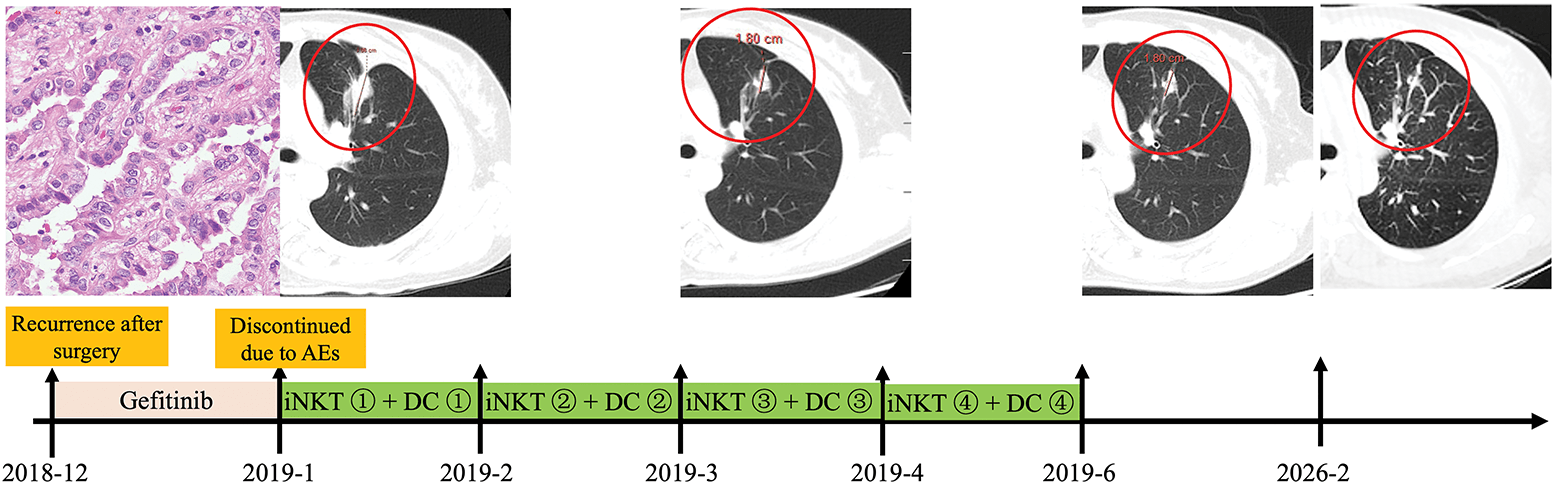
Figure 1. Clinical course and outcomes of the patient after allogeneic iNKT cell immunotherapy.
The patient received allogeneic iNKT cell immunotherapy from her son, consisting of four planned cycles from January 3, 2019, to June 7, 2019. Each cycle included two intravenous iNKT cell infusions administered on day 1 and day 4, with a cell dose of 1 × 10⁹–5 × 10⁹ per infusion. The interval between consecutive cycles was 3–5 weeks (Fig. 2). The four-cycle schedule followed the original treatment plan and was selected based on clinical feasibility and prior experience with repeated NKT/iNKT cell–based immunotherapy protocols, rather than patient-specific pharmacokinetics/pharmacodynamics (PK/PD) data.14,15 HLA typing was not performed because it was not required for donor selection in the original protocol; this was based on the rationale that iNKT cells recognize lipid antigens presented by the nonclassical major histocompatibility complex (MHC) class I-like molecule CD1d, rather than classical HLA-restricted peptide antigens.16
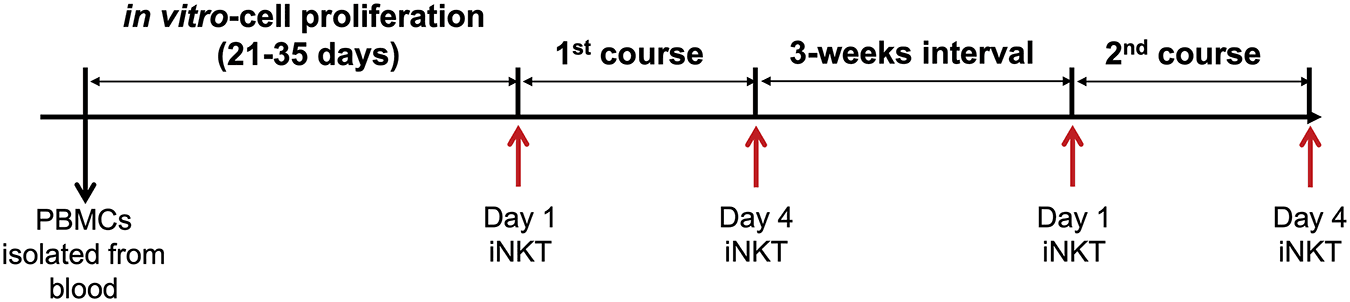
Figure 2. iNKT cell–based transfusion protocol.
Researchers expanded allogeneic iNKT cells in vitro using a patented method (State Intellectual Property Office of the P.R.C., number CN201611031666.9). They used Ficoll to isolate peripheral blood mononuclear cells (PBMCs) from each patient’s peripheral blood. They seeded PBMCs (2 × 10⁷) in 6-well plates with 100 ng/mL KRN7000 (Funakoshi, KRN7000, Japan) in X-VIVO culture medium (Lonza, 04418Q, USA). The cells were cultured at 37°C in a humidified atmosphere with 5% CO2 for 1 week. Interleukin-7 (IL-7) (20 ng/mL, R&D, 207-GMP-01M, USA) and IL-2 (100 IU/mL, R&D, 202-GMP-01M, USA) were added separately to the culture medium. Allogeneic DCs loaded with KRN7000 were added weekly. IL-15 (20 ng/mL, R&D, 247-GMP-01M, USA) was added one week before harvest, and IL-12 (20 ng/mL, R&D, 219-GMP-01M, USA) was added 1 day before harvest. Finally, the cells were harvested, washed four times, and resuspended in 250 mL of normal saline.
Quality control included analysis of sterility, viability, and cell purity during the culture period. Sterility testing confirmed an endotoxin level ≤0.5 EU/mL and showed no mycoplasma contamination. Viability exceeded 80%, and purity was determined by flow cytometry. Allogeneic iNKT cells were identified by expression of the invariant Va24Ja18 antigen receptor, a unique marker for these cells, paired with Vβ11. Researchers used allogeneic DCs pulsed with alpha-galactosylceramide to restimulate iNKT cells for long-term culture.17 They assessed functional activity by measuring the cytokine profile (IFN-γ and IL-4) after in vitro expansion using flow cytometry.
Independent central review assessed objective response using the Response Evaluation Criteria in Solid Tumors version 1.1 (RECIST v1.1), and safety was evaluated according to the Common Terminology Criteria for Adverse Events version 5.0 (CTCAE v5.0). Compared with the pre-immunotherapy assessment, CT showed a partial response according to RECIST v1.1 (Fig. 1). Serum tumor marker levels remained largely stable. The previously elevated CA125 and CA19-9 levels decreased to within the normal range (Fig. 3). Body weight remained stable throughout the observation period.
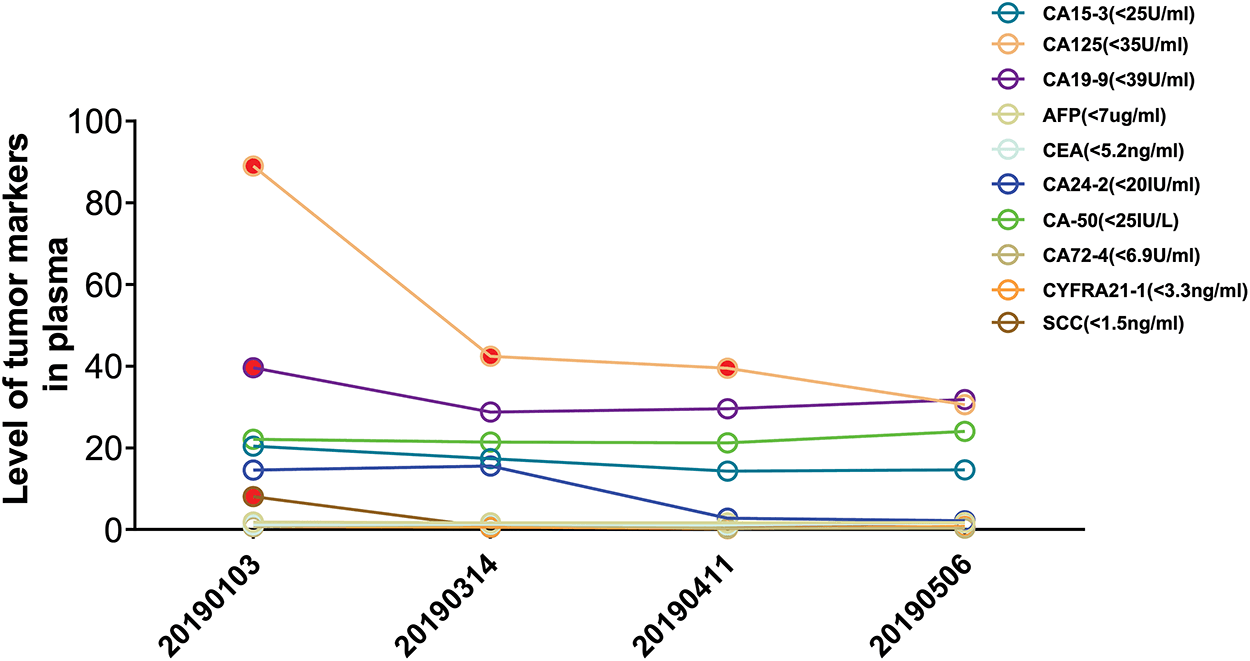
Figure 3. Serial changes in plasma tumor marker levels over time.
The patient developed grade 1–2 fever within 24 hours after iNKT cell infusion. There was no evidence of cytokine release syndrome or graft-versus-host disease (GVHD). HIV viral load remained undetectable at <20 copies/mL, and CD4+ T-cell counts stayed stable at ≥500 cells/μL, with no viral rebound. Peripheral blood analysis after treatment showed an increase in CD8+ cytotoxic T-cell populations and recovery of the CD4/CD8 ratio from 0.5 to 1.2. According to RECIST v1.1, the patient achieved partial tumor regression, with a 30% reduction in target lesions within 3 months, followed by durable disease control.
Clinicians performed serial imaging every 3 months during the first 2 years and every 2 years thereafter. Imaging showed no radiologic evidence of disease progression. Progression-free survival exceeded 6 years after treatment discontinuation, and overall survival remained ongoing more than 6 years from the initial diagnosis. At the 6-year follow-up, the patient remained in durable tumor remission, with no evidence of residual or recurrent disease.
Discussion
This case highlights the potential of allogeneic iNKT cell–based immunotherapy to induce durable tumor control in a patient with HIV and recurrent lung adenocarcinoma, without compromising virologic suppression or immune stability. Sustained remission for more than 6 years, along with the absence of cytokine release syndrome, GVHD, or HIV rebound, suggests that this approach may represent a feasible and safe immunotherapeutic strategy for selected PLWH with solid tumors. Unlike conventional T-cell–based approaches, such as tumor-infiltrating lymphocyte (TIL) or TCR-engineered T-cell therapies, which depend on antigen presentation through intact HLA/MHC machinery, iNKT cells recognize lipid antigens presented by the non-polymorphic CD1d molecule and can mediate antitumor activity in an MHC-independent manner. In addition, iNKT cells are associated with a low risk of GVHD, which supports their potential use as an allogeneic, off-the-shelf cellular therapy platform.18
This case supports the hypothesis that iNKT cell therapy may contribute to tumor control through both direct and indirect immune mechanisms. However, because CD1d expression on the lung tumor cells was not assessed, direct CD1d-dependent tumor recognition cannot be confirmed. Beyond possible direct cytotoxicity against CD1d-expressing tumor cells, iNKT cells may promote antitumor immunity by producing IFN-γ, activating DCs, and enhancing endogenous NK-cell and CD8+ T-cell responses. These effects may help restore systemic immune surveillance and support durable tumor suppression, particularly in the setting of controlled HIV infection. Nevertheless, the precise mechanism remains uncertain because cytokine dynamics, iNKT cell persistence, and immune activation markers were not systematically evaluated.
First, iNKT cells can exert direct antitumor cytotoxicity. They recognize lipid antigens presented by CD1d and can directly kill CD1d-expressing tumor cells. In lung cancer models, induction of CD1d expression has been shown to sensitize tumor cells to iNKT cell–mediated killing.12 Second, iNKT cells can enhance antigen presentation. Upon activation, they secrete pro-inflammatory cytokines, including IFN-γ, and promote IL-12 production by DCs, which enhances DC maturation and antigen-presenting capacity.19 This interaction may facilitate DC-mediated cross-presentation of HIV antigens and connect innate and adaptive immune responses against both tumor cells and viral reservoirs. Third, iNKT cells act through an MHC-independent pathway. Because iNKT cell activation depends on CD1d-presented lipid antigens rather than classical MHC molecules, this mechanism may be advantageous in PLWH, in whom conventional CD4+ T cell–mediated immunity may be compromised.20 These mechanisms may help restore immune surveillance and support the development of a durable feedback loop between innate and adaptive immunity. The absence of relapse after treatment interruption suggests that the patient reached a threshold of immune competence that enabled sustained control of both malignancy and viral replication. This dual “kill-and-prime” activity may explain the persistent antitumor and antiviral effects observed after discontinuation of iNKT cell–based therapy.
Although HLA typing was not performed in this case, donor–recipient HLA compatibility may still be relevant to the interpretation of allogeneic iNKT cell therapy. HLA disparity could theoretically promote host-versus-graft immune responses, potentially limiting the persistence, engraftment, or functional duration of infused donor-derived iNKT cells.21 Conversely, greater donor–recipient HLA similarity may reduce immune-mediated rejection and support longer persistence or antitumor activity. Therefore, the absence of HLA typing, donor-specific antibody assessment, and longitudinal iNKT cell persistence monitoring represents an important limitation of this report. Future studies should incorporate donor–recipient HLA typing together with immune monitoring and persistence/chimerism analyses to clarify how HLA compatibility influences the safety and efficacy of allogeneic iNKT cell therapy.
Although CAR T-cell therapies have achieved remarkable success in hematologic malignancies, their efficacy in solid tumors remains limited because of antigen heterogeneity, poor tumor trafficking, T-cell exhaustion, and an immunosuppressive tumor microenvironment.22,23 Similarly, TIL therapy relies on the presence and expansion of functional tumor-reactive T cells, which may be impaired in PLWH due to chronic immune dysregulation and T-cell exhaustion.24 Recent studies of CAR T-cell approaches in HIV-associated settings have shown biological activity against HIV reservoirs, including reductions in cell-associated HIV RNA or intact proviral DNA and delayed viral rebound during analytic treatment interruption.16 However, durable virologic control and sustained tumor control in HIV-associated malignancies remain incompletely established.25,26
iNKT- and CAR-iNKT/CAR-NKT–based therapies may provide a complementary immunotherapeutic strategy. Recent studies have shown that allogeneic hematopoietic stem cell/hematopoietic stem and progenitor cell–derived iNKT or CAR-NKT cells can be generated as scalable, off-the-shelf products with high expansion capacity, preserved iNKT cell functionality, and low alloreactivity/GVHD potential.16,27 These platforms have demonstrated antitumor activity in hematologic malignancy models, including acute myeloid leukemia/myelodysplastic syndrome, and in multiple solid tumor models, including ovarian cancer, triple-negative breast cancer, and pancreatic cancer.28–30 Importantly, allogeneic CAR-NKT cells may retain endogenous iNKT cell properties, including tumor infiltration, cytokine secretion, NK-like cytotoxicity, and modulation of the tumor immune microenvironment, while also gaining CAR-mediated antigen specificity.30,31 These findings support the broader translational potential of allogeneic iNKT-based immunotherapy, although its clinical efficacy, persistence, and safety in HIV-positive patients with lung cancer remain to be defined.
This case report has several limitations. First, as a single-patient observation, it cannot establish a causal relationship between iNKT cell therapy and the patient’s long-term favorable outcome. Complete surgical resection of stage IA EGFR-mutated lung adenocarcinoma may have substantially contributed to disease control, and the lack of comprehensive molecular clonality analysis prevents definitive exclusion of synchronous multifocal primary adenocarcinoma or residual postoperative disease. Second, immune monitoring was limited to routine clinical parameters; comprehensive longitudinal analyses, including cytokine profiling, iNKT cell persistence or chimerism assessment, and immune activation/exhaustion markers, were not performed. Dedicated PK/PD analyses were also unavailable, limiting assessment of the relationship among repeated administration, in vivo persistence, immune remodeling, and clinical efficacy. Third, the durable remission observed in this case should be interpreted cautiously, and prospective studies with appropriate controls, standardized disease monitoring, predefined immune correlates, and persistence analyses are needed to clarify the therapeutic contribution of iNKT cell therapy.
Conclusion
This case highlights the potential of allogeneic iNKT cell–based immunotherapy to induce durable tumor remission in HIV-positive patients with advanced lung adenocarcinoma. The findings suggest that iNKT cells may help establish a dynamic balance between immune reconstitution and tumor suppression and may represent a shift in how HIV-associated malignancies are managed. Further studies are needed to clarify the underlying mechanisms, identify predictive biomarkers, and optimize iNKT cell protocols for broader clinical application.
Acknowledgment
We sincerely thank the patient for participating in this study and for providing consent to share the clinical course for scientific and medical purposes.
Authors’ Contributions
XC: data collection and curation, formal analysis, writing—original draft, writing—review and editing. HL, HH: data collection and curation. BX: data curation, software, and resources FS: preparation and editing of the radiology section. JX, XZ: conceptualization, writing and revision, resources, investigation, and methodology. All authors have read and approved the manuscript.
Generative AI Declaration
Not applied.
Funding
This work was supported by grants from the Shanghai Hospital Development Center (SHDC2020CR3002A and SHDC12018112), the Scientific Program of Shanghai Public Clinical Center (KY-GW-2021–02) and the Natural Science Foundation of Xiamen, P.R. China (3502Z20224012).
Availability of Data and Materials
All clinical, radiological, and pathological data used in this manuscript are available from the medical records system of Shanghai Public Health Clinical Center upon reasonable request to the corresponding author.
Ethics Approval and Consent to Participate
The study was approved by the Institutional Review Boards of the participating sites (IRB number: [2017]2017-S005-01). All procedures performed in the study involving human participants followed the ethical standards of the institutional research committee and with the 1964 Declaration of Helsinki and its later amendments or comparable ethical standards.
Consent for Publication
The patient provided written informed consent prior to enrollment. Consent for publication is available.
Competing Interest
All authors declare they have no conflict of interest.
Supplemental Information
Supplemental information for this article can be found online at https://sup.jclinque.com/api/articles/116/download-suppl.
References
[1] Lurain K. Treating cancer in people with HIV. J Clin Oncol. July 20, 2023;41(21):3682–3688. doi:10.1200/jco.23.00737.
[2] Odeny TA, Fink V, Muchengeti M, Gopal S. Cancer in people with HIV. Infect Dis Clin North Am. September 2024;38(3):531–557. doi:10.1016/j.idc.2024.06.007.
[3] Haas CB, Engels EA, Horner MJ, et al. Trends and risk of lung cancer among people living with HIV in the USA: a population-based registry linkage study. Lancet HIV. October 2022;9(10):e700–e708. doi:10.1016/s2352-3018(22)00219-3.
[4] Dusingize JC, Murenzi G, Muhoza B, et al. Cancer risk among people living with Human Immunodeficiency Virus (HIV) in Rwanda from 2007 to 2018. Int J Cancer. 2024;155(12):2149–2158. doi:10.1002/ijc.35091.
[5] Rodés B, Cadiñanos J, Esteban-Cantos A, Rodríguez-Centeno J, Arribas JR. Ageing with HIV: challenges and biomarkers. eBioMedicine. 2022;77:103896. doi:10.1016/j.ebiom.2022.103896.
[6] Opie J, Verburgh E, Bailly J, Mayne E, Louw V. Hematological complications of Human Immunodeficiency Virus (HIV) infection: an update from an HIV-endemic setting. Open Forum Infect Dis. 2024;11(4):ofae162. doi:10.1093/ofid/ofae162.
[7] Herd CL, Mellet J, Mashingaidze T, Durandt C, Pepper MS. Consequences of HIV infection in the bone marrow niche. Review. Front Immunol. July 11, 2023;14:2023. doi:10.3389/fimmu.2023.1163012.
[8] Vora KB, Ricciuti B, Awad MM. Exclusion of patients living with HIV from cancer immune checkpoint inhibitor trials. Sci Rep. 2021;11(1):6637. doi:10.1038/s41598-021-86081-w.
[9] Assoumou L, Baldé R, Katlama C, et al. Safety and tolerability of immune checkpoint inhibitors in people with HIV infection and cancer: insights from the national prospective real-world OncoVIHAC ANRS CO24 cohort study. J Immunother Cancer. August 22, 2024;12(8):e009728. doi:10.1136/jitc-2024-009728.
[10] El Zarif T, Nassar AH, Adib E, et al. Safety and activity of immune checkpoint inhibitors in people living with HIV and cancer: a real-world report from the cancer therapy using checkpoint inhibitors in people living with HIV-International (CATCH-IT) consortium. J Clin Oncol. 2023;41(21):3712–3723. doi:10.1200/JCO.22.02459.
[11] Hayashizaki K, Kamii Y, Kinjo Y. Glycolipid antigen recognition by invariant natural killer T cells and its role in homeostasis and antimicrobial responses. Mini review. Front Immunol. May 28, 2024;15:28. doi:10.3389/fimmu.2024.1402412.
[12] Shyanti RK, Haque M, Singh R, Mishra M. Optimizing iNKT-driven immune responses against cancer by modulating CD1d in tumor and antigen presenting cells. Clin Immunol. December 2024;269:110402. doi:10.1016/j.clim.2024.110402.
[13] Rotolo A, Mason NJ, Exley MA. Innate iNKT cells: from biological insight to clinical impact. Review. Front Immunol. September 10, 2025;16:2025. doi:10.3389/fimmu.2025.1653183.
[14] Motohashi S, Nagato K, Kunii N, et al. A phase I-II study of alpha-galactosylceramide-pulsed IL-2/GM-CSF-cultured peripheral blood mononuclear cells in patients with advanced and recurrent non-small cell lung cancer. J Immunol. February 15, 2009;182(4):2492–2501. doi:10.4049/jimmunol.0800126.
[15] Toyoda T, Kamata T, Tanaka K, et al. Phase II study of α-galactosylceramide-pulsed antigen-presenting cells in patients with advanced or recurrent non-small cell lung cancer. J Immunother Cancer. March 2020;8(1):e000316. doi:10.1136/jitc-2019-000316.
[16] Li Y-R, Zhou Y, Kim YJ, et al. Development of allogeneic HSC-engineered iNKT cells for off-the-shelf cancer immunotherapy. Cell Rep Med. 2021;2(11):100449. doi:10.1016/j.xcrm.2021.100449.
[17] Trujillo-Ocampo A, Cho HW, Clowers M, et al. IL-7 during antigenic stimulation using allogeneic dendritic cells promotes expansion of CD45RA(-)CD62L(+)CD4(+) invariant NKT cells with Th-2 biased cytokine production profile. Front Immunol. 2020;11:567406. doi:10.3389/fimmu.2020.567406.
[18] Liu Y, Wang G, Chai D, Dang Y, Zheng J, Li H. iNKT: a new avenue for CAR-based cancer immunotherapy. Transl Oncol. 2022;17:101342. doi:10.1016/j.tranon.2022.101342.
[19] Niedzielska M, Chalmers A, Popis MC, et al. CAR-iNKT cells: redefining the frontiers of cellular immunotherapy. Review. Front Immunol. July 11, 2025;16:2025. doi:10.3389/fimmu.2025.1625426.
[20] Rajashekar V, Stern L, Almeida CF, Slobedman B, Abendroth A. The surveillance of viral infections by the unconventional Type I NKT cell. Review. Front Immunol. September 17, 2024;15:2024. doi:10.3389/fimmu.2024.1472854.
[21] Lyu Z, Niu S, Fang Y, Chen Y, Li YR, Yang L. Addressing graft-versus-host disease in allogeneic cell-based immunotherapy for cancer. Exp Hematol Oncol. May 2, 2025;14(1):66. doi:10.1186/s40164-025-00654-3.
[22] Guzman G, Reed MR, Bielamowicz K, Koss B, Rodriguez A. CAR-T therapies in solid tumors: opportunities and challenges. Curr Oncol Rep. May 2023;25(5):479–489. doi:10.1007/s11912-023-01380-x.
[23] Daei Sorkhabi A, Mohamed Khosroshahi L, Sarkesh A, et al. The current landscape of CAR T-cell therapy for solid tumors: mechanisms, research progress, challenges, and counterstrategies. Front Immunol. 2023;14:1113882. doi:10.3389/fimmu.2023.1113882.
[24] Sarnaik AA, Hamid O, Khushalani NI, et al. Lifileucel, a tumor-infiltrating lymphocyte therapy, in metastatic melanoma. J Clin Oncol. August 20, 2021;39(24):2656–2666. doi:10.1200/jco.21.00612.
[25] Liu B, Zhang W, Xia B, et al. Broadly neutralizing antibody-derived CAR T cells reduce viral reservoir in individuals infected with HIV-1. J Clin Invest. October 1, 2021;131(19):1361. doi:10.1172/jci150211.
[26] Viera Plasencia A, Purow JI, Steger J, et al. Chimeric antigen receptor T-cell therapy and bispecific antibodies in the treatment of lymphoma for human immunodeficiency virus-infected patients: a systematic review. SAGE Open Med. 2025;13:20503121251374954. doi:10.1177/20503121251374954.
[27] Li YR, Zhou Y, Yu J, et al. Generation of allogeneic CAR-NKT cells from hematopoietic stem and progenitor cells using a clinically guided culture method. Nat Biotechnol. March 2025;43(3):329–344. doi:10.1038/s41587-024-02226-y.
[28] Li YR, Fang Y, Niu S, et al. Allogeneic CD33-directed CAR-NKT cells for the treatment of bone marrow-resident myeloid malignancies. Nat Commun. February 1, 2025;16(1):1248. doi:10.1038/s41467-025-56270-6.
[29] Li YR, Shen X, Zhu E, et al. Targeting orthotopic and metastatic pancreatic cancer with allogeneic stem cell-engineered mesothelin-redirected CAR-NKT cells. Proc Natl Acad Sci USA. November 25, 2025;122(47):e2517786122. doi:10.1073/pnas.2517786122.
[30] Li YR, Shen X, Zhu Y, et al. Targeting triple-negative breast cancer using cord-blood CD34+ HSPC-derived mesothelin-specific CAR-NKT cells with potent antitumor activity. J Hematol Oncol. October 13, 2025;18(1):86. doi:10.1186/s13045-025-01736-9.
[31] Li YR, Li Z, Zhu Y, et al. Overcoming ovarian cancer resistance and evasion to CAR-T cell therapy by harnessing allogeneic CAR-NKT cells. Med. October 10, 2025;6(10):100804. doi:10.1016/j.medj.2025.100804.
 |
Copyright: © 2026 Cheng et al. This work is licensed under a Creative Commons Attribution 4.0 International License, which permits unrestricted use, distribution, and reproduction in any medium, provided the original work is properly cited. |