| Journal of Clinical Question. 2025; 2(5): e89 https://doi.org/10.69854/jcq.2025.0030 Advance access publication date 21 October 2025 |
 |
Meta-Analysis
Cholesteryl Ester Transfer Protein Inhibitors for Dyslipidemia in Cardiovascular Risk Patients: A Systematic Review and Meta-Analysis
Jingbo Zhang1,#, Yanbo Chen2,#, Jinghe Li3,#, Hetang Jia4, Zi Lv 5,*
5,*
1Department of Dermatology, The First Affiliated Hospital of Chongqing Medical University, Chongqing, China.
2Department of Nutrition, Ningbo Taikang Hospital, Ningbo, China.
3Institute of Reproductive Health and Perinatology, Guangzhou Women and Children’s Medical Center, Guangzhou, China.
4Department of Endocrinology, Ningbo Taikang Hospital, Ningbo, China.
5Reproductive Medicine Center, The First Affiliated Hospital of Chongqing Medical University, Chongqing, China.
#All authors share first authorship.
*Corresponding Author: e-mail: lvzi0121@foxmail.com
Submitted: August 07, 2025 Accepted: October 20, 2025
Clinical Question Box
In adults with elevated cardiovascular risk, do cholesteryl ester transfer protein inhibitors reduce major adverse cardiovascular events when added to standard lipid-lowering therapy?
Among high-risk patients, cholesteryl ester transfer protein inhibitors as a class did not significantly reduce major adverse cardiovascular events compared to placebo. However, anacetrapib specifically showed a significant reduction in major adverse cardiovascular events. Other cholesteryl ester transfer protein inhibitors, such as obicetrapib and dalcetrapib, did not demonstrate statistically significant cardiovascular benefits in available trials. Therefore, anacetrapib may offer modest cardiovascular protection, whereas the efficacy of newer agents remains to be confirmed through larger outcome studies.
Abstract
Introduction: Cholesteryl ester transfer protein inhibitors (CETPi) have emerged as promising agents for improving lipid profiles and potentially reducing cardiovascular risk. However, earlier CETPi trials were marred by safety concerns and a lack of efficacy, warranting an updated synthesis of current evidence. Methods: We conducted a systematic review and meta-analysis of randomized controlled trials (RCTs) evaluating the efficacy and safety of CETPi in adults at cardiovascular risk. Primary outcomes included major adverse cardiovascular events (MACEs), all-cause mortality, and changes in lipid parameters. A comprehensive database search was performed on July 10, 2025. Pooled effect estimates were calculated using random-effects models. Results: Seven RCTs involving 77,762 participants were included. Anacetrapib significantly reduced the risk of MACE with an odds ratio (OR) of 0.92 (95% confidence interval [CI], 0.86–0.98), while other CETPi, including obicetrapib, demonstrated nonsignificant trends. Evacetrapib reduced all-cause mortality (OR, 0.83; 95% CI, 0.82–1.00), whereas torcetrapib was associated with an increased mortality risk. CETPi significantly improved lipid profiles, reducing low-density lipoprotein cholesterol (LDL-C) by a mean difference (MD) of 25.8% (95% CI, 19.3%–32.4%) and increasing high-density lipoprotein cholesterol (HDL-C) by an MD of 89.8% (95% CI, 71.7%–108%). The triglyceride (TG)-lowering effect was modest, with an MD of 6.5% (95% CI, 5.9%–7.1%). Serious adverse event rates were comparable to placebo, with an OR of 1.02 (95% CI, 0.95–1.09). Conclusion: Anacetrapib demonstrated cardiovascular benefits and favorable lipid-modifying effects without excess harm, supporting its potential use in high-risk populations. While newer CETPi, such as obicetrapib, indicate encouraging lipid improvements, further trials are required to establish definitive clinical benefits.
Keywords: Cholesteryl ester transfer protein inhibitor, CETPi, dyslipidemia, cardiovascular risk, anacetrapib, meta-analysis
Introduction
Fats such as cholesterol and triglycerides (TGs) are absorbed from the intestines and transported through the bloodstream by lipoproteins. These lipids play essential roles in energy provision, steroid hormone production, and bile acid formation. Key components involved in these metabolic processes include cholesterol, low-density lipoprotein cholesterol (LDL-C), high-density lipoprotein cholesterol (HDL-C), and TGs.1 Dyslipidemia remains a significant global health challenge, contributing heavily to the burden of cardiovascular disease, the leading cause of death worldwide.2 Recent national data from South Korea reveal an alarming trend, with a large-scale analysis reporting a rise in dyslipidemia prevalence from approximately 41.3% during 2005–2009 to nearly 48.4% in 2020–2022, suggesting that nearly half of the adult population may now be affected.3 Globally, an estimated 4.4 million deaths were attributed to high LDL-C in 2019, accounting for 12.6% of all risk-related deaths, an increase of 46.7% compared to 1990.4 High LDL-C was responsible for 98.6 million disability-adjusted life years (DALYs), representing 81.3% of all risk-related DALYs and marking a 41.5% rise since 1990.4
The cardiovascular consequences of elevated LDL-C are substantial, as it is a well-established causal factor in atherogenesis, ischemic heart disease, and stroke.5 Despite progress in recent years, gaps in awareness and treatment persist, particularly in socioeconomically disadvantaged and rural populations.6 The continued high prevalence of dyslipidemia and its significant contribution to morbidity, mortality, and healthcare burden underscore the urgent need for optimized lipid-lowering strategies. Pharmacologic therapy remains central to dyslipidemia management, especially for individuals at high cardiovascular risk. Statins are the first-line agents, capable of reducing LDL-C by approximately 50% and significantly lowering both all-cause and cardiovascular mortality in primary and secondary prevention settings.7 However, LDL-C target attainment remains inadequate; as of 2023, up to 75% of patients failed to meet recommended LDL-C goals, revealing a critical gap in lipid management.8 CETPi represent a promising class of agents designed to improve lipid profiles by targeting CETP, a plasma protein that facilitates the transfer of cholesteryl esters from HDL to very-low-density lipoproteins (VLDL) and LDL.9 Inhibiting CETP increases HDL cholesterol, enhances reverse cholesterol transport, and lowers LDL cholesterol, offering dual cardiovascular benefits. While early CETPi such as torcetrapib substantially raised HDL levels, they failed due to adverse effects, including elevated blood pressure and increased mortality.10 Similarly, dalcetrapib and evacetrapib were discontinued due to insufficient improvements in cardiovascular outcomes.11 Conversely, newer-generation CETPi have shown more favorable results.12 A recent systematic review and meta-analysis of nine randomized controlled trials (RCTs) found significant reductions in cardiovascular mortality and myocardial infarction risk, largely attributed to anacetrapib.13 Emerging agents like obicetrapib are engineered for greater selectivity and efficacy, with Phase II data demonstrating LDL cholesterol reductions of up to 45% and notable improvements in apolipoprotein B levels. Consequently, multiple Phase III trials were launched in 2023.14
The renewed interest and expanding evidence base surrounding CETPi warrants a comprehensive synthesis of their efficacy and safety. Previous meta-analyses have been limited by heterogeneous patient populations, varying follow-up durations, and differences among agents. With the introduction of newer CETPi agents such as obicetrapib and growing data on the cardiovascular benefits of anacetrapib, an updated systematic review is timely. This meta-analysis aims to aggregate data from RCTs conducted to date to assess the efficacy and safety of CETPi in dyslipidemia treatment among patients at cardiovascular risk.
Methods
Protocol and Registration
This systematic review and meta-analysis were conducted following the Preferred Reporting Items for Systematic Reviews and Meta-Analyses (PRISMA) 2020 guidelines. The protocol was prospectively registered with the International Prospective Register of System at Open Science Framework under registration number (osf.io/846y9).
Eligibility Criteria
RCTs meeting the following criteria were included: 1) enrolled adults with cardiovascular risk, defined as an acute coronary syndrome within the previous year, cerebrovascular atherosclerotic disease, peripheral vascular arterial disease, or diabetes mellitus with coronary artery disease, or heterozygous familial hypercholesterolemia; 2) investigated CETPis such as anacetrapib, dalcetrapib, evacetrapib, obicetrapib, torcetrapib, or similar agents; and 3) used placebo as the comparator, with background lipid-lowering therapy. Studies were excluded if they had 1) a single-arm design with more than 50 participants; 2) a follow-up duration of less than 1 year; 3) subgroup or post hoc analyses without new data; or 4) combination therapy versus placebo.
Information Sources
A comprehensive, systematic search was carried out across PubMed, Embase, the Cochrane Library, and Web of Science, encompassing studies published from database inception through July 10, 2025. Additionally, the reference lists of eligible articles and relevant reviews were manually screened to identify any further studies. A comprehensive search strategy was developed in consultation with a medical librarian to optimize both sensitivity and specificity. The search terms included: Dyslipidemia OR cardiovascular risk (to identify the patient population); cholesteryl ester transfer protein OR CETP OR Anacetrapib OR Dalcetrapib OR Evacetrapib OR Obicetrapib OR Torcetrapib (to identify the intervention); and clinical trial OR randomized trial (to identify RCT). No language restrictions were applied to the search. Search strategies were tailored to each database, and the detailed results are presented in Table S1.
Selection Process
Two reviewers (J.Z. and Y.C.) independently screened all titles and abstracts identified through the search. Studies meeting the inclusion criteria or deemed potentially eligible were retrieved in full text for further assessment. Full-text articles were independently reviewed against the eligibility criteria. Discrepancies were resolved through discussion and, if required, adjudicated by a third reviewer (J.L.). The study selection process was documented using the PRISMA 2020 flow diagram.
Data Collection Process
Data were independently extracted by two reviewers using a standardized data extraction form customized for this review. Information extracted included study characteristics (author, year, journal, study design), population characteristics (sample size, mean age, baseline cardiovascular risk factors), intervention details (CETPi type, dosage, duration), comparator information, follow-up period, and outcomes including lipid parameters, major adverse cardiovascular events (MACEs), all-cause mortality, and adverse events. In cases of missing or unclear data, the corresponding authors were contacted for clarification. Disagreements were resolved through consensus or adjudication by a third reviewer.
Effect Measures
The primary outcome was MACE, defined as death from cardiovascular causes, myocardial infarction, stroke, coronary revascularization, or hospitalization for unstable angina. Secondary outcomes included all-cause mortality, changes in lipid profiles (LDL-C, HDL-C, and TG), and serious adverse events (SAEs). Pooled odds ratios (ORs) with 95% confidence intervals (CIs) were calculated for dichotomous outcomes. For continuous outcomes, such as lipid parameters, mean differences (MDs) with 95% CIs were used.
Synthesis Methods
Meta-analyses were conducted using a random-effects model based on the DerSimonian and Laird method in Review Manager (RevMan) Version 5.4 to account for heterogeneity across studies. Statistical heterogeneity was assessed using Cochran’s Q test and quantified with the I2 statistic, with I2 values greater than 50% considered indicative of substantial heterogeneity. To evaluate the robustness of the results, sensitivity analyses were performed by excluding studies at high risk of bias and applying alternative statistical models. These methods align with standard Cochrane guidelines to ensure the reliability and consistency of the pooled effect estimates.
Risk of Bias Assessment and Certainty of Evidence
Risk of bias was independently assessed by two reviewers using the Cochrane Risk of Bias 2.0 tool. Each domain was rated as “low risk,” “some concerns,” or “high risk,” and the overall study risk was categorized accordingly. Discrepancies were resolved by consensus. Publication bias was assessed through funnel plots (when ≥10 studies were available) and Egger’s test for small-study effects. The certainty of evidence for each primary outcome was evaluated using the Grading of Recommendations, Assessment, Development, and Evaluations (GRADE) framework, considering risk of bias, inconsistency, indirectness, imprecision, and publication bias.
Results
Study Selection and Characteristics
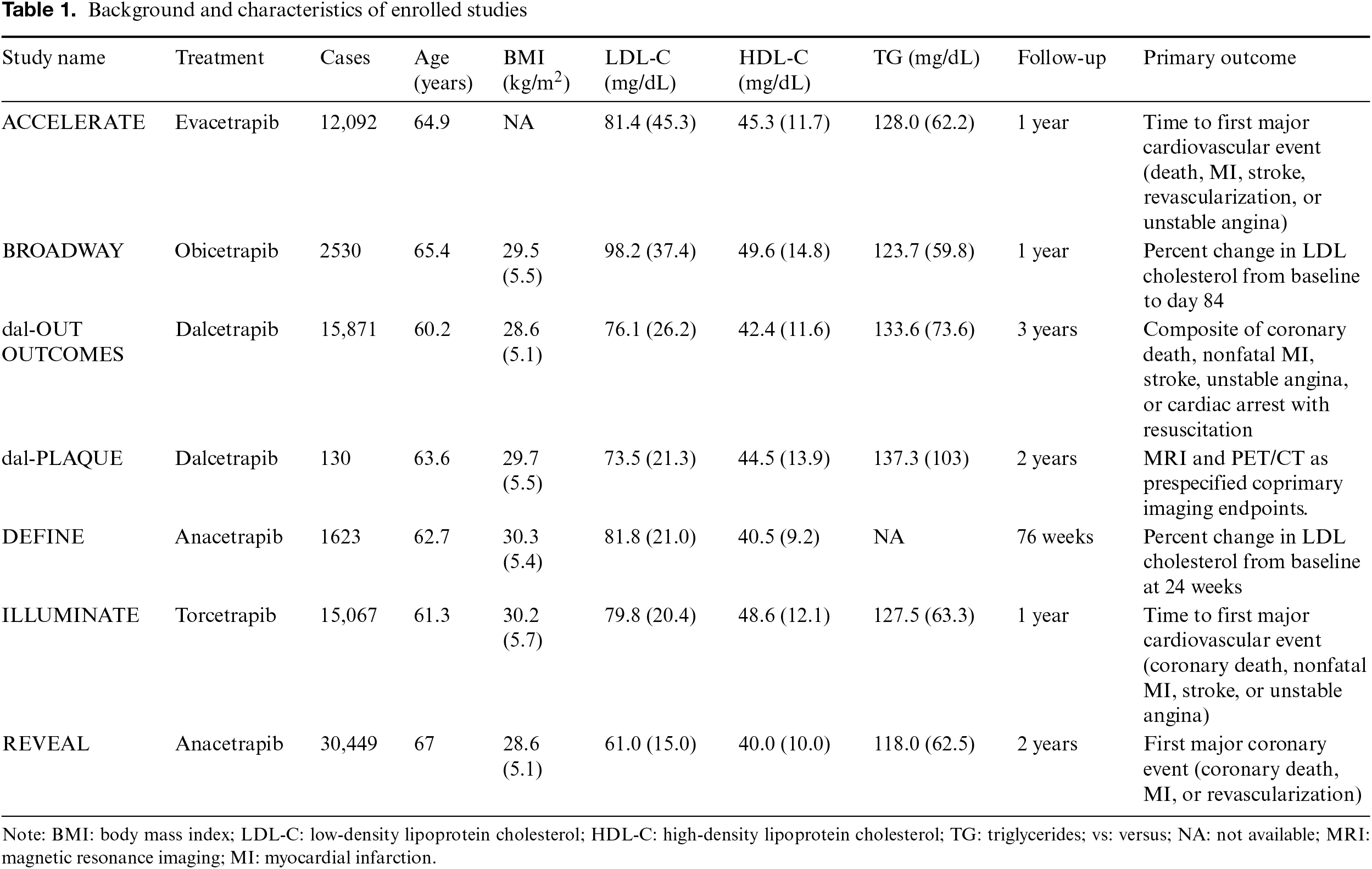
After searching the databases and removing 311 duplicates, 2,330 records were screened, with 2,220 excluded during the initial screening. Of the 110 full-text reports assessed for eligibility, 103 were excluded, resulting in 7 RCTs being included in the final systematic review (Fig. S1). These trials encompassed a total of 77,762 participants with cardiovascular risk profiles. The studies varied in sample size, follow-up duration, and primary endpoints, but all compared CETPi with placebo controls (Table 1).15–21 The median follow-up duration ranged from 1 to 3 years. Participant ages ranged from 60.2 to 67.0 years, baseline LDL-C levels from 61.0 mg/dL (REVEAL) to 98.2 mg/dL (BROADWAY), and HDL-C levels from 40.0 mg/dL (REVEAL) to 49.57 mg/dL (BROADWAY). Body mass index values were generally within the overweight range. The CETPi evaluated included evacetrapib (ACCELERATE), obicetrapib (BROADWAY), dalcetrapib (dal-OUTCOMES and dal-PLAQUE), anacetrapib (DEFINE and REVEAL), and torcetrapib (ILLUMINATE).
MACE
Fig. 1 shows the results for MACE. Anacetrapib was associated with a statistically significant reduction in the risk of MACE (OR: 0.92; 95% CI: 0.86–0.98; p = 0.01; I2 = 0%). However, the 95% CI was close to the null value, suggesting that the effect size was modest. Obicetrapib demonstrated a non-significant trend toward risk reduction (OR: 0.79; 95% CI: 0.54–1.16; p = 0.23). Other CETPi did not exhibit a similar trend. The pooled analysis of all CETPi yielded an OR of 0.99 (95% CI: 0.90–1.07; p = 0.74; I2 = 47%). Egger’s test indicated no significant publication bias (p = 0.41).
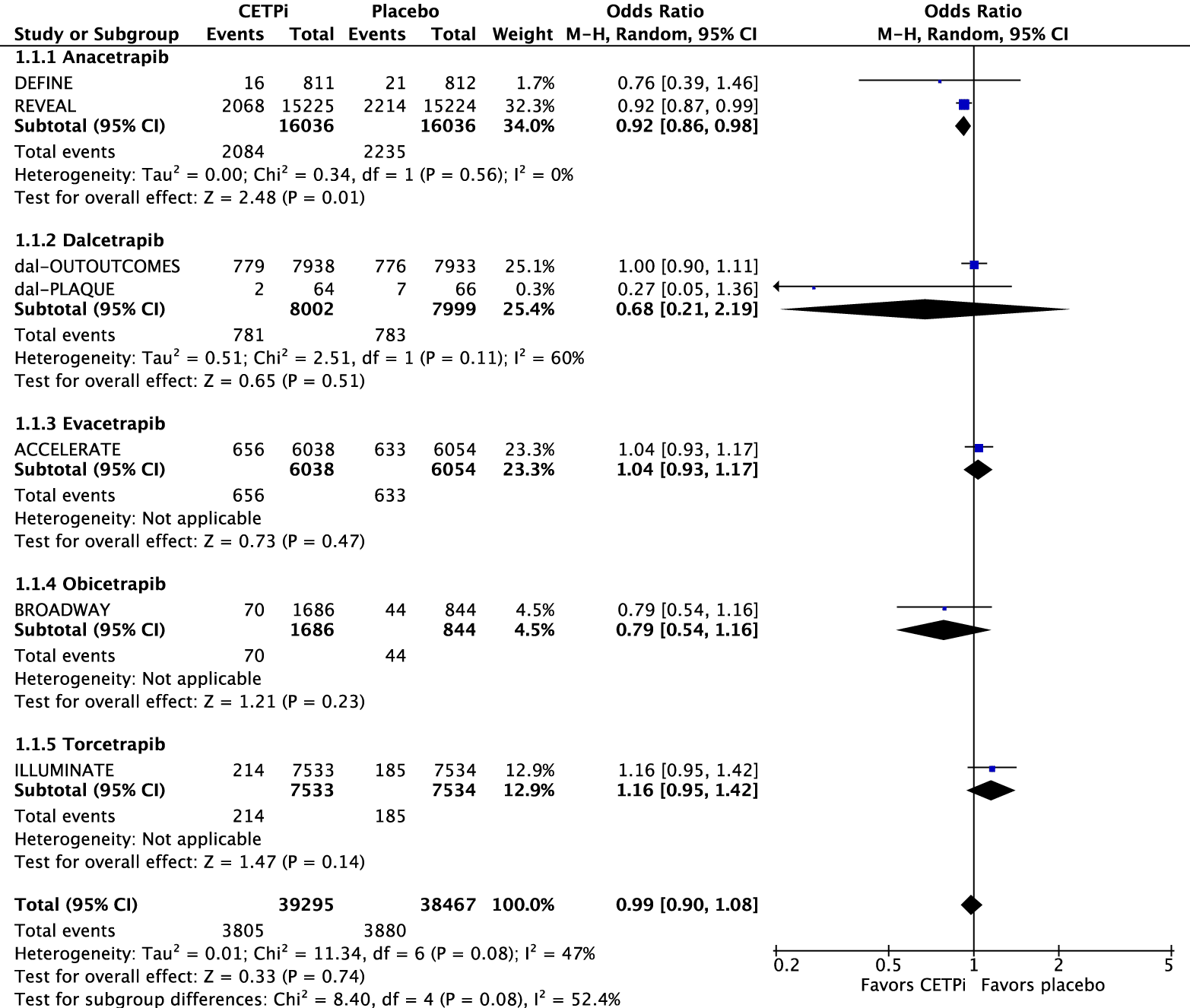
Figure 1. Meta-analysis of CETPis on major adverse cardiovascular events.
All-Cause Mortality
Fig. 2 presents the outcomes for all-cause mortality. Evacetrapib was associated with a statistically significant reduction in the risk of all-cause mortality (OR: 0.83; 95% CI: 0.82–1.00; p = 0.04). However, the 95% CI was close to the null value, indicating that the magnitude of the effect was not reliable. Obicetrapib showed a nonsignificant trend toward risk reduction (OR: 0.79; 95% CI: 0.38–1.64; p = 0.53), while torcetrapib was linked to a significantly increased risk (OR: 1.58; 95% CI: 1.14–2.20; p < 0.01). The overall pooled OR for all CETPis was 1.00 (95% CI: 0.86–1.17; p = 0.95; I2 = 59%). A sensitivity analysis excluding torcetrapib data resulted in a pooled OR of 0.95 (95% CI: 0.89–1.02; p = 0.16; I2 = 0%) (see Fig. S2). Egger’s test showed no evidence of publication bias (p = 0.56).
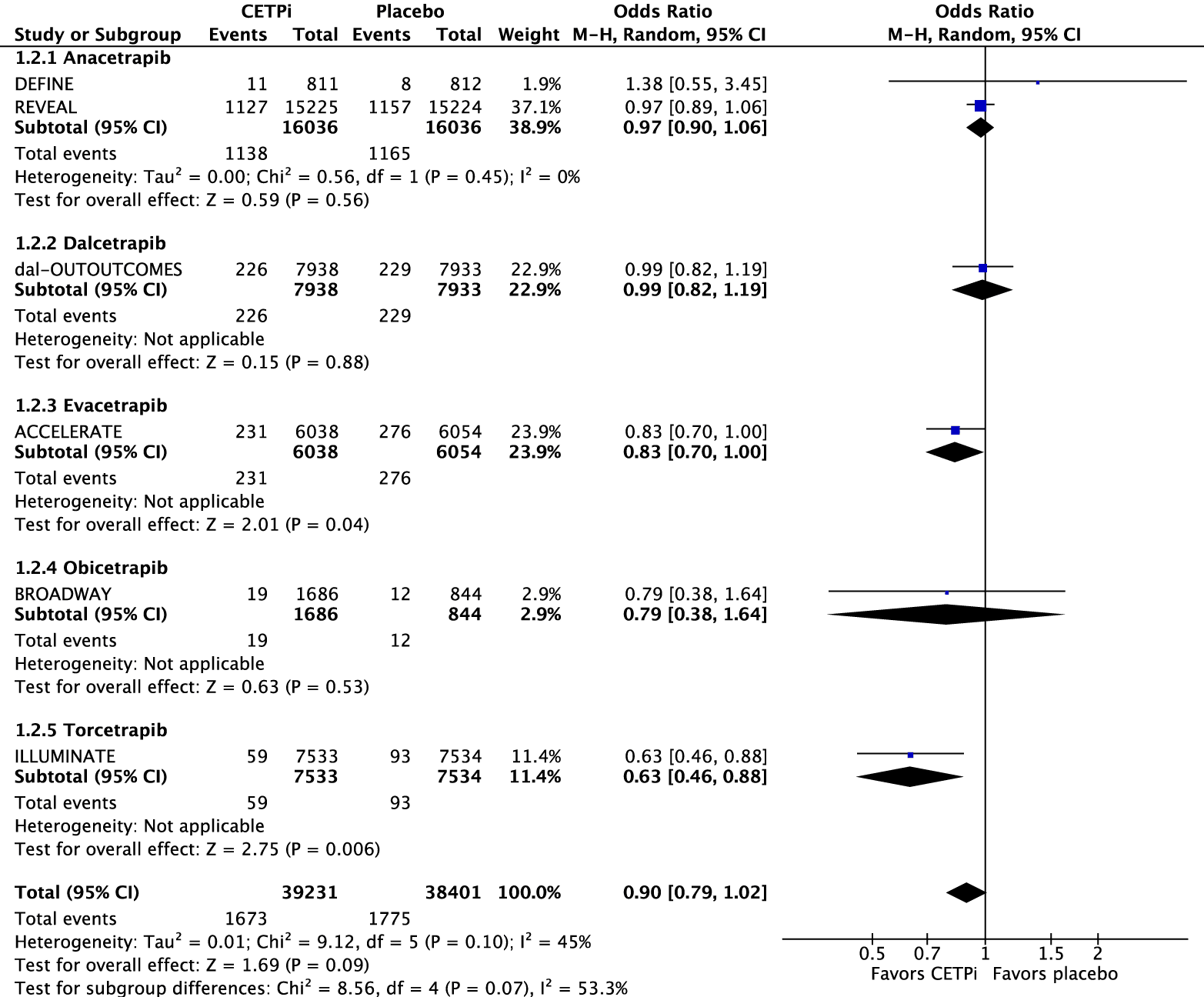
Figure 2. Meta-analysis of CETPis on all-cause mortality.
Lipid and Metabolic Effects
Fig. 3 summarizes the effects of CETPi on LDL-C. Anacetrapib reduced LDL-C by 39.1% (95% CI: 32.4%–45.9%; p < 0.001; I2 = 100%) and evacetrapib by 37.1% (95% CI: 36.1%–38.1%; p < 0.001). Obicetrapib yielded a 24% reduction (95% CI: 23.9%–24.1%; p < 0.001), while dalcetrapib showed no statistically significant effect (reduction of 2%; 95% CI: –1.5% to 5.5%; p = 0.27). The pooled meta-analysis reflected an average LDL-C reduction of 25.8% (95% CI: 19.3%–32.4%; p < 0.001; I2 = 99.5%). Sensitivity analyses indicated high heterogeneity (I2 > 50%) upon exclusion of one or more studies. Egger’s test showed no significant publication bias (p = 0.13).
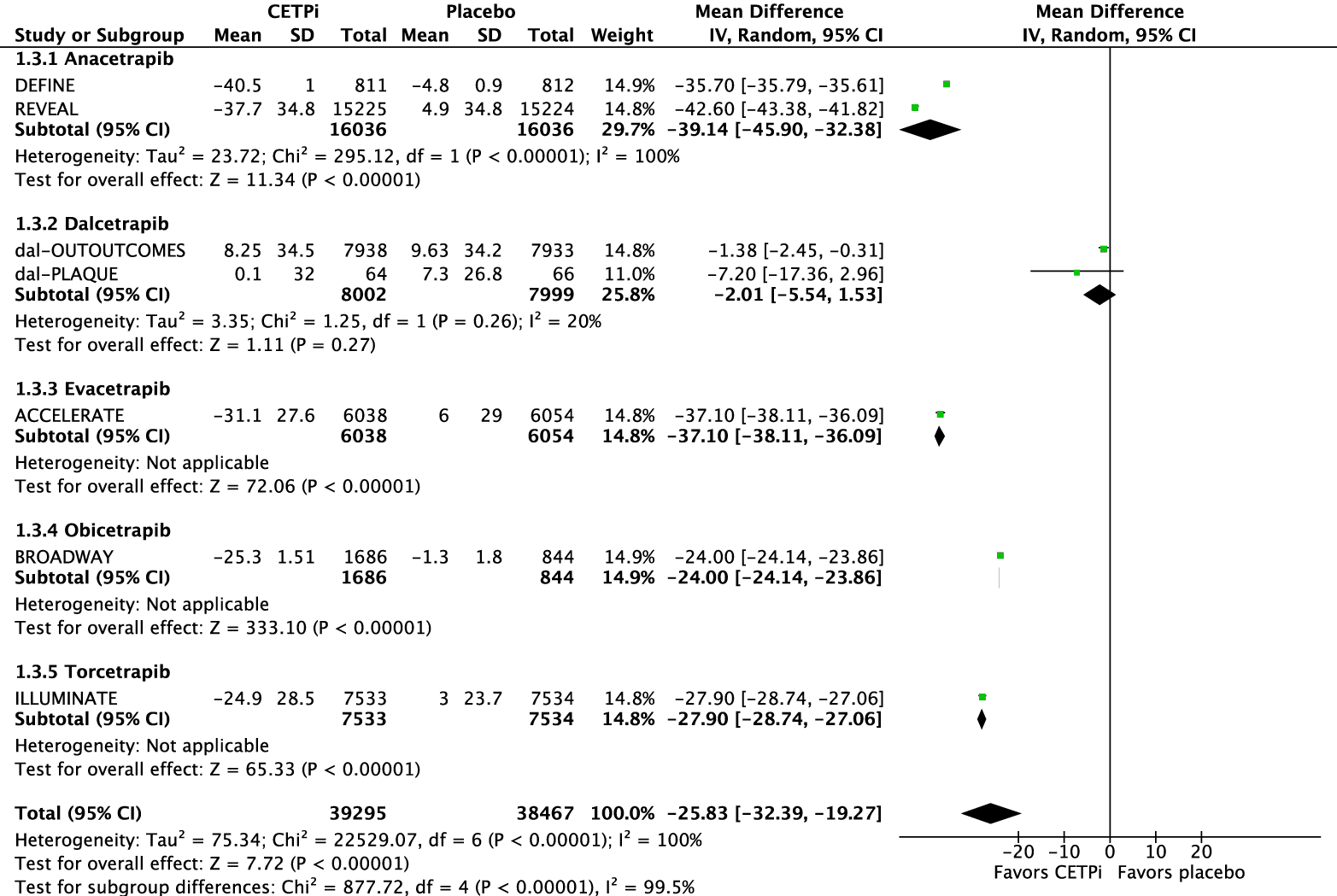
Figure 3. Meta-analysis of CETPis on LDL-C reduction.
Fig. 4 illustrates the effects of CETPi on HDL-C. All agents were associated with HDL-C elevation: Anacetrapib and dalcetrapib increased HDL-C by 123.2% (95% CI: 92.5%–153.8%; p < 0.001; I2 = 100%) and 28.7% (95% CI: 27.8%–29.5%; p < 0.001; I2 = 0%), respectively. Evacetrapib, obicetrapib, and torcetrapib increased HDL-C by 131.6% (95% CI: 130.1%–133.1%; p < 0.001), 122% (95% CI: 121.8%–122.2%; p < 0.001), and 70.3% (95% CI: 69.5%–71.1%; p < 0.001), respectively. The pooled effect size indicated an 89.8% increase in HDL-C (95% CI: 71.8%–107.9%; p < 0.001; I2 = 100%). Sensitivity analysis again indicated substantial heterogeneity (I2 > 50%), while Egger’s test revealed no significant publication bias (p = 0.37).
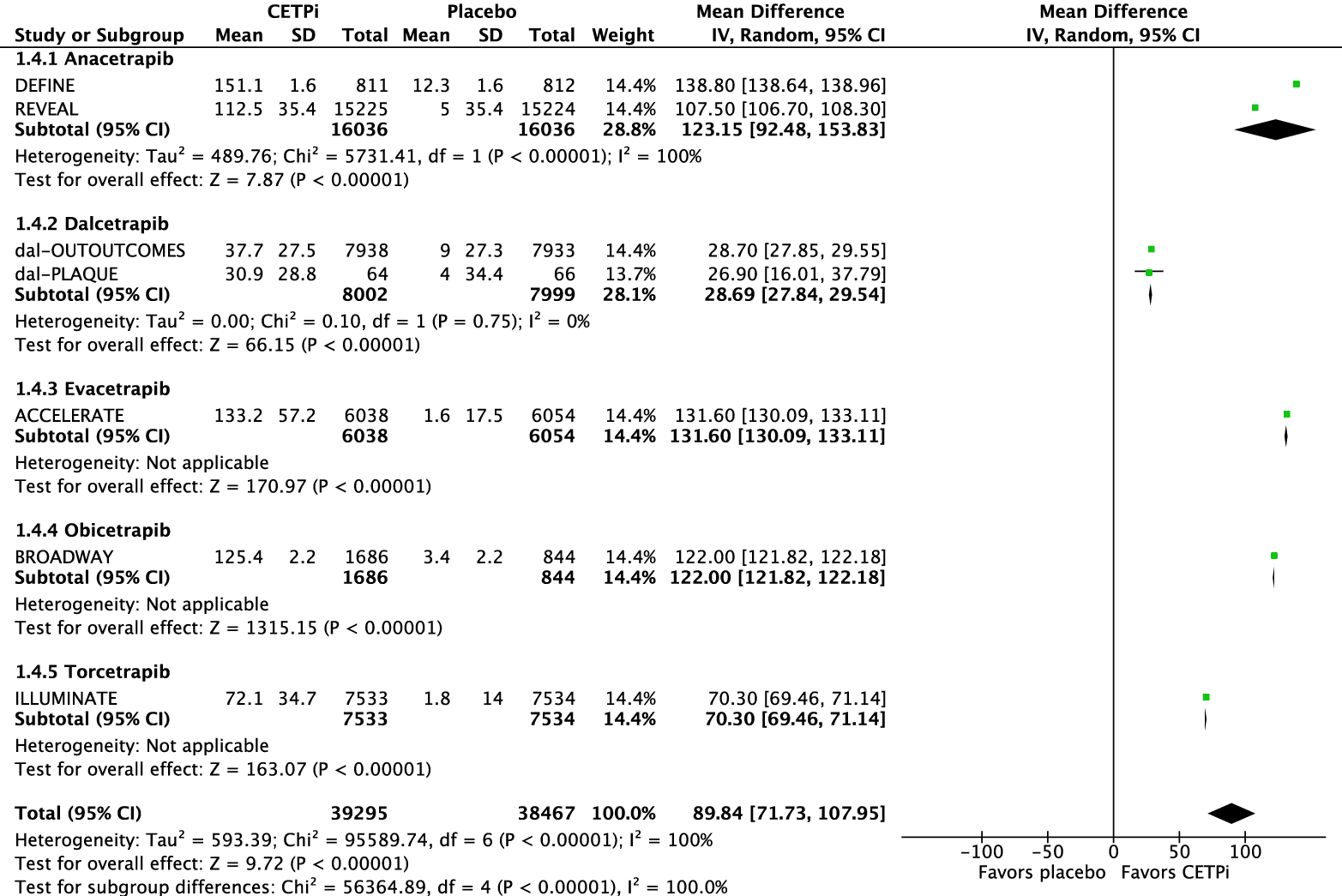
Figure 4. Meta-analysis of CETPis on HDL-C enhancement.
Fig. S3 presents the impact of CETPi on TG levels. All agents demonstrated TG-lowering effects: Anacetrapib and dalcetrapib reduced TG by 6.7% (95% CI: 3.1%–10.2%; p < 0.001; I2 = 69%) and 4.9% (95% CI: 1.6%–8.2%; p = 0.004; I2 = 17%), respectively. Evacetrapib, obicetrapib, and torcetrapib yielded reductions of 6% (95% CI: 5.6%–6.4%; p < 0.001), 5.7% (95% CI: 5.5%–5.9%; p < 0.001), and 10% (95% CI: 9.0%–10.1%; p < 0.001), respectively. The pooled estimate for TG reduction was 6.5% (95% CI: 5.9%–7.1%; p < 0.001; I2 = 94.5%). Sensitivity analysis indicated substantial heterogeneity. Egger’s test revealed no evidence of publication bias (p = 0.21).
SAEs
Fig. S4 displays the impact of CETPi on SAEs. Overall, CETPi did not significantly increase the risk of SAEs compared to placebo (pooled OR: 1.02; 95% CI: 0.95–1.09; p = 0.58; I2 = 32%). Egger’s test indicated no significant publication bias (p = 0.41).
Risk and Certainty of Evidence
Fig. S5 presents the risk of bias assessments. Two studies demonstrated an elevated risk of attrition bias and reporting bias, while all other domains were assessed as having a low risk of bias. The certainty of evidence for the use of anacetrapib in outcomes such as MACE, all-cause mortality, lipid and metabolic effects, and SAEs was rated as high. Conversely, the certainty of evidence for other CETPi was rated as moderate. Anacetrapib was associated with a reduction in MACE but had no significant effect on all-cause mortality. The use of obicetrapib and anacetrapib in patients with dyslipidemia and cardiovascular risk is weakly recommended. Although obicetrapib showed a trend toward reducing MACE, the difference was not statistically significant, possibly due to the smaller sample size compared to the anacetrapib trials.
Discussion
This meta-analysis integrates findings from multiple RCTs to assess the cardiovascular and lipid-modifying effects of CETPi. Across studies, CETPi consistently improved lipid parameters, with marked increases in HDL-C and modest reductions in LDL-C and TGs. However, their effects on hard cardiovascular outcomes, including MACE and all-cause mortality, were more limited. The divergence between favorable lipid effects and modest or nonsignificant clinical outcomes underscores an important theme: lipid modification does not always equate to improved patient outcomes. This disconnect has been particularly evident with HDL-C elevation, where functional quality, rather than absolute quantity, may be the determinant of atheroprotection.22
Earlier-generation CETPi, such as torcetrapib, generated enthusiasm due to their striking effects on HDL-C, but were ultimately unsuccessful in improving clinical outcomes.12 The ILLUMINATE trial demonstrated not only a lack of efficacy but also an increased cardiovascular risk, largely attributed to off-target effects such as hypertension and elevated aldosterone levels. These findings dampened initial optimism and raised skepticism about CETPi as a therapeutic class. In contrast, newer agents have offered a more nuanced picture. Anacetrapib, evaluated in the large REVEAL trial, demonstrated modest but significant reductions in coronary events, though without an all-cause mortality benefit.23 More recently, obicetrapib has shown promising lipid-lowering efficacy in the BROADWAY trial, renewing interest in CETPi as a potential adjunctive therapy. While outcome data for obicetrapib are still awaited, their early profile suggests a safer and potentially more effective next-generation compound.
The clinical implications of these findings are significant. CETPis may serve as adjunctive therapy for high-risk patients who do not achieve LDL-C targets despite maximal statin or PCSK9 inhibitor use. In the TANDEM trial, a fixed-dose combination of obicetrapib and ezetimibe achieved an approximately 50% LDL-C reduction over 12 weeks in such patients.24 The ongoing PREVAIL trial will determine whether this LDL-C lowering translates into fewer cardiovascular events.25 However, given the mixed outcomes of prior CETPi studies and the limited evidence of event reduction, routine clinical use remains premature. Future studies should assess not only lipid changes but also HDL functionality, such as particle composition, cholesterol efflux, and anti-inflammatory properties, to better predict cardiovascular benefit.
Mechanistically, CETPi reduce cholesteryl ester transfer, leading to higher HDL-C, lower LDL-C, and reductions in TG, potentially enhancing reverse cholesterol transport.26 Elevating HDL-C exerts anti-inflammatory effects through improved reverse cholesterol transport and other pleiotropic mechanisms, thereby reducing cardiovascular disease risk.27,28 Differences in trial outcomes possibly reflect pharmacologic variability among agents, including differences in bioavailability, receptor selectivity, and off-target activity. The negative outcomes associated with torcetrapib underscore how molecular properties unrelated to CETPi can profoundly alter trial results. Conversely, newer inhibitors such as anacetrapib and obicetrapib appear to avoid these pitfalls, suggesting that the therapeutic viability of CETPi lies not in the class broadly, but in agent-specific profiles. This reinforces the importance of individualized therapeutic assessment when considering CETPi.
Finally, several limitations of this meta-analysis are noteworthy. Although large-scale RCTs were included, heterogeneity in study design, follow-up duration, and outcome definitions may have influenced the pooled results. Additionally, sensitivity analyses were not feasible due to the limited number of available studies. The overall conclusions were disproportionately shaped by a few large trials, particularly REVEAL and ILLUMINATE, raising the possibility of trial dominance. Publication bias cannot be excluded, though formal statistical assessments did not suggest significant asymmetry. Additionally, most included studies focused on populations with established cardiovascular disease, limiting the generalizability of findings to lower-risk or primary prevention settings. Finally, while emerging data on newer CETPi such as obicetrapib are encouraging, the absence of long-term outcome and safety data precludes definitive conclusions regarding their clinical value.
Conclusion
CETPi improve lipid profiles by raising HDL-C and modestly lowering LDL-C, but these effects have not consistently translated into reduced cardiovascular events or mortality. Safety concerns with early agents were largely compound-specific rather than target-related. While CETPi remain promising for patients with residual cardiovascular risk, their role is still investigational, pending results from ongoing outcome trials. Future research should focus on outcome-driven studies, HDL functionality, and combination strategies to clarify their role in cardiovascular prevention.
Acknowledgment
None.
Funding
This study was funded by the National Natural Science Foundation of China (No. 82401989) and the China Postdoctoral Science Foundation (No. 2025M772162).
Author Contributions
J.Z., Y.C., and J.L. designed the study, conducted the literature search, performed the quality assessment, extracted data, carried out the analyses, and drafted the manuscript. H.J. and Z.L. contributed to data interpretation and critically revised the manuscript. All authors have read and approved the final version of the manuscript and agree with its content and data.
Data Availability Statement
The datasets used and analyzed during this study are available from the corresponding author upon reasonable request.
Ethical Statement
Institutional Review Board approval was waived because this study is a meta-analysis of previously published data.
Conflict of Interest
The authors declare no conflicts of interest.
Supplemental Information
Supplemental information for this article can be found online at https://sup.jclinque.com/api/articles/89/download-suppl.
References
[1] Arsenault BJ, Loganath K, Girard A, et al. Lipoprotein(a) and calcific aortic valve stenosis progression: a systematic review and meta-analysis. JAMA Cardiol. 2024;9(9):835–842. doi:10.1001/jamacardio.2024.1882.
[2] Du Z, Qin Y. Dyslipidemia and cardiovascular disease: current knowledge, existing challenges, and new opportunities for management strategies. J Clin Med. January 3, 2023;12(1):363. doi:10.3390/jcm12010363.
[3] Lee H, Kim S, Son Y, et al. National trends in dyslipidemia prevalence, awareness, treatment, and control in South Korea from 2005 to 2022. Sci Rep. May 9, 2025;15(1):16148. doi:10.1038/s41598-025-00354-2.
[4] Zheng J, Wang J, Zhang Y, et al. The Global Burden of Diseases attributed to high low-density lipoprotein cholesterol from 1990 to 2019. Front Public Health. 2022;10:891929. doi:10.3389/fpubh.2022.891929.
[5] Tang J, Zhou G, Shi S, et al. Systematic analysis of the burden of ischemic stroke attributable to high LDL-C from 1990 to 2021. Front Neurol. 2025;16:1547714. doi:10.3389/fneur.2025.1547714.
[6] Llanes EJB, Thongtang N, Lee ZV, Hoa T, Yee OH, Sukmawan R. Addressing adherence challenges in long-term statin treatment among Asian populations: current gaps and proposed solutions. Am J Prev Cardiol. September 2025;23(25):101019. doi:10.1016/j.ajpc.2025.101019.
[7] Mhaimeed O, Burney ZA, Schott SL, Kohli P, Marvel FA, Martin SS. The importance of LDL-C lowering in atherosclerotic cardiovascular disease prevention: lower for longer is better. Am J Prev Cardiol. June 2024;18(25):100649. doi:10.1016/j.ajpc.2024.100649.
[8] Surma S, Shapiro MD, Banach M. Breaking new ground in lipid management: insights from the 2024 American College of Cardiology Scientific Sessions. Pharmacol Res. July 2024;205(13_Suppl.):107246. doi:10.1016/j.phrs.2024.107246.
[9] Nurmohamed NS, Ditmarsch M, Kastelein JJP. Cholesteryl ester transfer protein inhibitors: from high-density lipoprotein cholesterol to low-density lipoprotein cholesterol lowering agents? Cardiovasc Res. November 2022;10(14):2919–2931. doi:10.1093/cvr/cvab350.
[10] wani Ahmad S, Naveed MA, Ali A, et al. Updated meta-analysis of the lipid-lowering efficacy of obicetrapib: a comprehensive review of randomized controlled trials. J Clin Lipidol. September 6, 2025;52(8):615. doi:10.1016/j.jacl.2025.08.002.
[11] Nicholls SJ, Bubb K. The mystery of evacetrapib—why are CETP inhibitors failing? Expert Rev Cardiovasc Ther. March 2020;18(3):127–130. doi:10.1080/14779072.2020.1745633.
[12] Davidson MH, Hsieh A, Kastelein JJP. Cholesteryl ester transfer protein inhibition: a pathway to reducing risk of morbidity and promoting longevity. Curr Opin Lipidol. December 1, 2024;35(6):303–309. doi:10.1097/mol.0000000000000955.
[13] Wu R, Yarkoni M, Ilyas MA, et al. Cholesteryl ester transfer protein inhibitors and cardiovascular outcomes: a systematic review and meta-analysis. J Cardiovasc Dev Dis. 2024;11(5):152. doi:10.3390/jcdd11050152.
[14] Kastelein JJP, Hsieh A, Dicklin MR, et al. Obicetrapib: reversing the tide of CETP inhibitor disappointments. Curr Atheroscler Rep. February 2024;26(2):35–44. doi:10.1007/s11883-023-01184-1.
[15] Lincoff AM, Nicholls SJ, Riesmeyer JS, et al. Evacetrapib and cardiovascular outcomes in high-risk vascular disease. N Engl J Med. May 18, 2017;376(20):1933–1942. doi:10.1056/NEJMoa1609581.
[16] Nicholls SJ, Nelson AJ, Ditmarsch M, et al. Safety and efficacy of obicetrapib in patients at high cardiovascular risk. N Engl J Med. July 3, 2025;393(1):51–61. doi:10.1056/NEJMoa2415820.
[17] Schwartz GG, Olsson AG, Abt M, et al. Effects of dalcetrapib in patients with a recent acute coronary syndrome. N Engl J Med. November 29, 2012;367(22):2089–2099. doi:10.1056/NEJMoa1206797.
[18] Fayad ZA, Mani V, Woodward M, et al. Safety and efficacy of dalcetrapib on atherosclerotic disease using novel non-invasive multimodality imaging (dal-PLAQUE): a randomised clinical trial. Lancet. October 29, 2011;378(9802):1547–1559. doi:10.1016/s0140-6736(11)61383-4.
[19] Cannon CP, Shah S, Dansky HM, et al. Safety of anacetrapib in patients with or at high risk for coronary heart disease. N Engl J Med. December 16, 2010;363(25):2406–2415. doi:10.1056/NEJMoa1009744.
[20] Barter PJ, Caulfield M, Eriksson M, et al. Effects of torcetrapib in patients at high risk for coronary events. N Engl J Med. November 22, 2007;357(21):2109–22. doi:10.1056/NEJMoa0706628.
[21] Bowman L, Hopewell JC, Chen F, et al. Effects of anacetrapib in patients with atherosclerotic vascular disease. N Engl J Med. September 28, 2017;377(13):1217–1227. doi:10.1056/NEJMoa1706444.
[22] Madaudo C, Bono G, Ortello A, et al. Dysfunctional high-density lipoprotein cholesterol and coronary artery disease: a narrative review. J Pers Med. September 19, 2024;14(9):996. doi:10.3390/jpm14090996.
[23] Harada-Shiba M, Davdison MH, Ditmarsch M, et al. Obicetrapib as an adjunct to stable statin therapy in Japanese subjects: results from a randomized phase 2 trial. J Atheroscler Thromb. October 1, 2024;31(10):1386–1397. doi:10.5551/jat.64828.
[24] Sarraju A, Brennan D, Hayden K, et al. Fixed-dose combination of obicetrapib and ezetimibe for LDL cholesterol reduction (TANDEM): a phase 3, randomised, double-blind, placebo-controlled trial. Lancet. May 17, 2025;405(10491):1757–1768. doi:10.1016/s0140-6736(25)00721-4.
[25] ClinicalTrialsgov. Cardiovascular outcome study to evaluate the effect of obicetrapib in patients with cardiovascular disease (PREVAIL). Published 2024, Accessed on October 1, 2025. https://clinicaltrials.gov/study/NCT05202509.
[26] Mehta N, Dangas K, Ditmarsch M, Rensen PCN, Dicklin MR, Kastelein JJP. The evolving role of cholesteryl ester transfer protein inhibition beyond cardiovascular disease. Pharmacol Res. November 2023;197(6):106972. doi:10.1016/j.phrs.2023.106972.
[27] Denimal D. Antioxidant and anti-inflammatory functions of high-density lipoprotein in type 1 and type 2 diabetes. Antioxidants. 2024;13(1):57. doi:10.3390/antiox13010057.
[28] Bonacina F, Pirillo A, Catapano AL, Norata GD. HDL in immune-inflammatory responses: implications beyond cardiovascular diseases. Cells. April 29, 2021;10(5):1061. doi:10.3390/cells10051061.
 |
Copyright: © 2025 Zhang et al. This work is licensed under a Creative Commons Attribution 4.0 International License, which permits unrestricted use, distribution, and reproduction in any medium, provided the original work is properly cited. |