| Journal of Clinical Question, 2024, Vol. 1, No. 2, 31–41 https://doi.org/10.69854/jcq.2024.0005 Advance access publication date 17 October 2024 |
 |
Original Research
Biomarkers Identifying the Effectiveness of Biologic Agents in Moderate to Severe Asthma: A Systematic Review and Meta-Analysis biological agent
1Department of Respiratory Medicine, Seirei Yokohama Hospital, Yokohama, Japan.
2Department of General Thoracic Surgery, Seirei Yokohama Hospital, Yokohama, Japan.
*Corresponding Author: e-mail: kenjik3015@gmail.com
Submitted: September 04, 2024 Accepted: October 16, 2024
Clinical Question Box
Are there valuable biomarkers to predict the effectiveness of biologic agents in moderate to severe asthma?
Biomarkers were identified only for omalizumab, benralizumab, dupilumab, and tezepelumab. Higher blood eosinophil counts and FeNO levels indicate a potential benefit from treatment with biologic agents. Blood eosinophil levels below 150/μL were associated with reduced effectiveness. Additionally, factors such as gender, the number of exacerbations in the previous year, oral corticosteroid usage status, and the presence of nasal polyps did not demonstrate predictive value.
Abstract
Introduction: Asthma is a prevalent respiratory condition, and biologic agents have proven effective in managing moderate to severe asthma. However, the role of biomarkers in guiding the use of biologic agents remains unclear. Method: On July 30, 2024, a systematic review and subsequent meta-analysis were conducted by searching three major online databases: PubMed, Web of Science, and Cochrane. Results: The final analysis included 10 studies with a total of 6,709 patients with moderate to severe asthma. The overall pooled effect across all ages demonstrated a rate ratio (RR) reduction of 0.61 (95% CI: 0.46 to 0.80; p < 0.01; I2 = 71%). Subgroup analysis revealed an onset or treated age of less than 18 years with RRs of 0.79 (95% CI: 0.62 to 1.02; p = 0.07; I2 = 0%) and 0.88 (95% CI: 0.42 to 1.84; p = 0.73; I2 = 14%), respectively. Patients with varying blood eosinophil levels showed a pooled RR of 0.51 (95% CI: 0.38 to 0.69; p < 0.01; I2 = 82.7%). However, blood eosinophil levels below 150/μL demonstrated a limited effect of biologic agents, with an RR of 0.77 (95% CI: 0.35 to 1.67; p = 0.50; I2 = 87%). For patients with all levels of fraction of exhaled nitric oxide (FeNO), the RR was 0.43 (95% CI: 0.30 to 0.62; p < 0.01; I2 = 84%). The test for subgroup differences yielded a p-value of <0.001, indicating that patients with higher FeNO levels experienced a more significant reduction in RR. Conclusion: Patients with asthma onset or treatment before age 18 may benefit less from biologics. Blood eosinophil counts and FeNO levels aid in selecting these therapies.
Keywords: Asthma, biologic agent, biomarker, effectiveness, prediction.
Introduction
Asthma is a widespread respiratory condition that affects millions of individuals worldwide, presenting a considerable challenge to public health and personal well-being.1 With an estimated global prevalence of around 260 million, the burden of the disease is especially heavy for those with moderate to severe asthma.2 These patients frequently endure exacerbations, persistent symptoms, and a significant decrease in their capacity to carry out daily tasks.3 The variability in asthma prevalence across different regions underscores the disease’s complexity and the roles played by environmental, genetic, and socioeconomic factors.4 In areas with high asthma rates, there is an urgent need for effective treatment options, as poorly controlled asthma is associated with increased healthcare demands, hospital admissions, and, in severe cases, mortality.5
In recent years, the development of biologic agents has marked a significant advancement in the treatment of moderate to severe asthma.6 These innovative therapies, including monoclonal antibodies like omalizumab, benralizumab, dupilumab, and tezepelumab, have transformed the management landscape for patients who do not achieve adequate control with traditional therapies, such as inhaled corticosteroids (ICS) and long-acting beta-agonists (LABA).7 Bronchial asthma is a chronic inflammatory disease of the respiratory tract that presents with various clinical phenotypes and distinct underlying pathophysiological mechanisms, known as endotypes.8 Biologic agents specifically target components of the inflammatory cascade that drive asthma pathophysiology, offering more precise treatment options and leading to improved outcomes for many patients.9 The introduction of these agents has expanded the available therapeutic options and offers the potential for long-term disease modification and improved quality of life, particularly for patients with the most severe forms of asthma. These agents may prevent or even reverse “fixed” remodeling by targeting airway inflammatory changes.10
Although patients with T helper type 2 (Th2) inflammation of severe asthma benefit significantly from treatment with biologic agents, nonresponders have been identified.11 Despite the progress in biologic therapy development, selecting the most appropriate biologic agent for individual patients remains complex and challenging.12 Asthma is a heterogeneous disease characterized by various phenotypes and endotypes, each with distinct underlying mechanisms.13 This diversity means that patients may respond differently to the same biologic agent, necessitating a personalized approach to treatment.14 The lack of universally accepted and validated biomarkers that can accurately predict a patient’s response to a specific biologic complicates this process.15 Consequently, clinicians often rely on a trial-and-error approach, which can be time-consuming, costly, and potentially expose patients to ineffective treatments. Therefore, identifying reliable biomarkers that can guide the selection of the most appropriate biologic agent for each patient is a critical unmet need in asthma management.
Traditional asthma biomarkers include eosinophils, neutrophils, IgE, periostin, the fraction of exhaled nitric oxide (FeNO), and leukotrienes (IL).16 Th2 inflammation is the most important pathological process in asthma, mediated by Th2 cytokines such as IL-4, IL-5, IL-13, and serum immunoglobulin E (IgE).17 Significant progress has been achieved in managing severe asthma with the treatment of target-specific biologics of previous ILs.18 This study aims to identify and validate biomarkers predicting response to specific biologic therapies. This approach has the potential to improve treatment outcomes, reduce the burden of uncontrolled asthma, and optimize the use of healthcare resources in managing this complex and often debilitating disease.
Methods
Study Design and Search Strategy
This meta-analysis followed the PRISMA (Preferred Reporting Items for Systematic Reviews and Meta-Analyses) guidelines.19 Additionally, this meta-analysis did not require ethical approval as it involved the analysis of previously published data.
An extensive literature search was conducted across multiple electronic databases, including PubMed, Embase, Cochrane Library, and Web of Science, covering publications until July 30, 2024. The search was designed to identify studies assessing the efficacy of biologic agents in patients with moderate to severe asthma, specifically focusing on those reporting biomarkers related to treatment response. Search terms included combinations of patient-related keywords and intervention-specific terms, such as “asthma” for patients and “omalizumab,” “benralizumab,” “mepolizumab,” “dupilumab,” or “tezepelumab” for interventions. Additionally, manual reviews of reference lists from relevant articles were performed to identify any further studies that met the inclusion criteria.
Inclusion and Exclusion Criteria
Studies were included based on the following criteria: (1) randomized controlled trials (RCTs) or observational studies evaluating the effectiveness of biologic agents in patients with moderate to severe asthma; (2) studies that provided data on specific biomarkers (e.g., blood eosinophils, FeNO, IgE) in relation to treatment outcomes; (3) studies with clearly defined criteria for moderate to severe asthma according to established guidelines; and (4) studies that offered sufficient data for extraction and analysis. Studies were excluded if they: (1) were non-peer-reviewed, such as conference abstracts or case reports; (2) focused on mild asthma or other respiratory conditions; (3) did not report on biomarkers or lacked sufficient outcome data; or (4) had a sample size of fewer than 50 participants in either study arm.
Data Extraction and Quality Assessment
Two reviewers independently extracted data using a standardized data extraction form. The extracted data included study characteristics (author, year, country, study design), patient demographics (age, gender, asthma severity), biologic agents used (type, dosage, frequency), biomarkers evaluated, and treatment outcomes for asthma exacerbation rate (AER) and reduction in oral corticosteroid (OCS) use. Discrepancies in data extraction were resolved through discussion or consultation with a third reviewer.
The quality of the included studies was assessed using the Cochrane Risk of Bias Tool for RCTs. Studies were evaluated for potential biases in areas such as random sequence generation, allocation concealment, blinding, incomplete outcome data, selective reporting, and other biases relevant to the specific study designs. Studies with a high risk of bias were subjected to sensitivity analysis to assess their impact on the overall findings. Publication bias was evaluated using funnel plots and Egger’s test for asymmetry.
Outcomes
The primary outcome of interest was the association between specific biomarkers and the efficacy of biologic agents in reducing AER. The secondary outcome was the identification of biomarkers associated with a reduction in OCS use.
Statistical Analysis
Most included studies reported rate ratios (RR) for biomarkers categorized according to specific variables. These variables were standardized across different studies and analyzed using the Generic Inverse Variance method, resulting in a pooled RR with a 95% confidence interval (CI). A comparison was then conducted to identify differences between subgroups. The effect sizes for each biomarker were pooled using a random-effects model to account for potential heterogeneity among studies. Heterogeneity was assessed using the I2 statistic, with values above 50% indicating substantial heterogeneity.20 All statistical analyses were performed using Review Manager version 5.4 (Cochrane Collaboration, Oxford, UK), with p-values less than 0.05 considered statistically significant.
Results
Study Selection and Characteristics
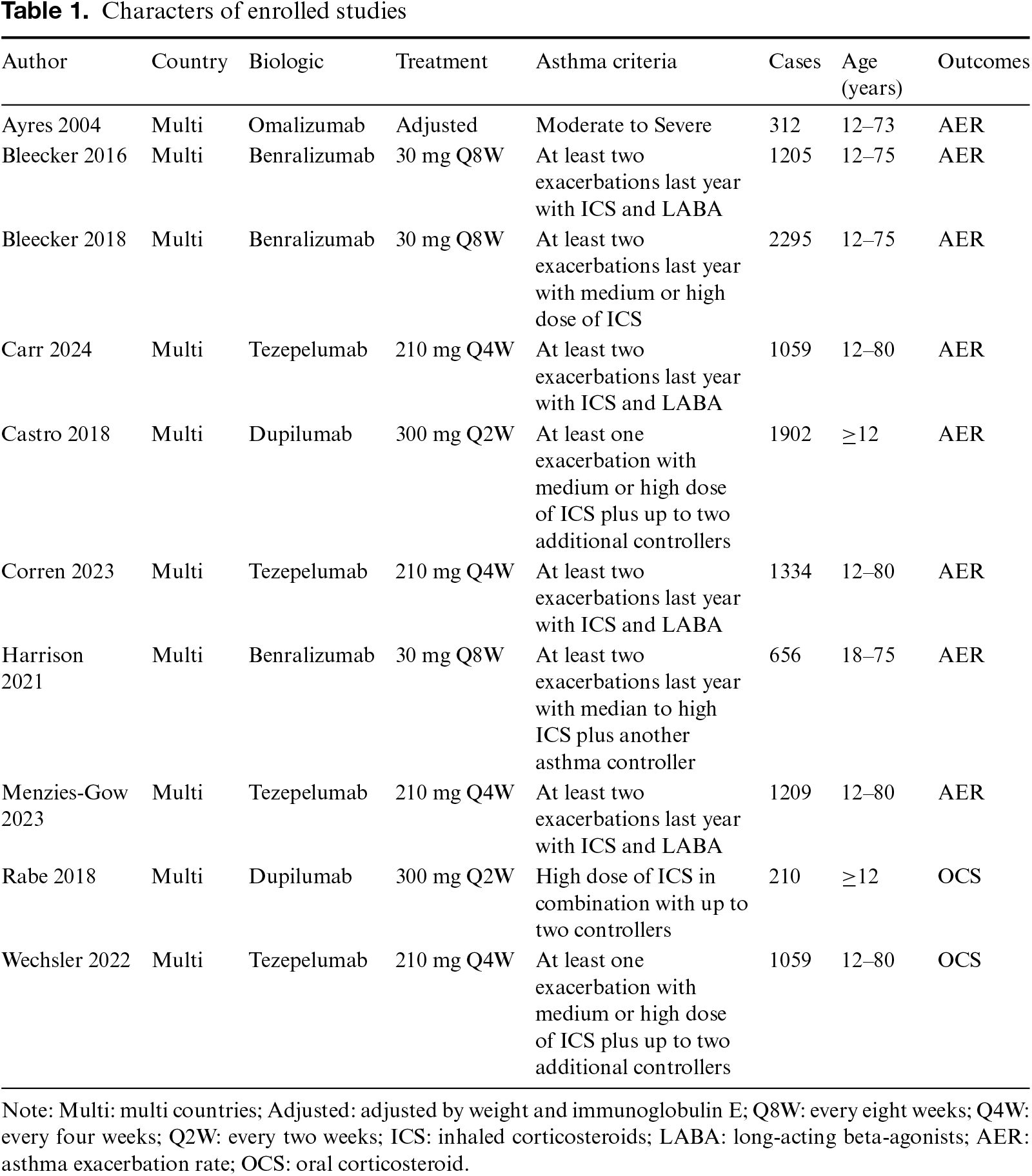
The initial search yielded a total of 1,411 studies. After removing duplicates and screening titles and abstracts, 116 full-text articles were assessed for eligibility. Among these, 10 studies met the inclusion criteria and were included in the final meta-analysis (Fig. S1). The selected studies comprised eight RCTs and two pooled analyses, encompassing 6,709 patients with moderate to severe asthma. The studies included in this meta-analysis were conducted across various countries, with sample sizes ranging from 312 to 2,295 patients per study (Table 1).21–30 The biologic agents evaluated in these trials included omalizumab, benralizumab, dupilumab, and tezepelumab.
As the primary outcome, the biomarkers evaluated in the included studies were gender, age at onset, age at treatment, number of exacerbations in the previous year, OCS usage status, presence of nasal polyps, blood eosinophil levels, and FeNO levels in relation to reducing AER. The secondary outcome, reduction in OCS use, was also assessed, with blood eosinophil levels identified as a key biomarker.
Gender
Two studies were included in the final analysis to assess the effects of benralizumab and tezepelumab (Fig. S2). The pooled effect of biologic agents showed a reduced asthma RR of 0.45 (95% CI: 0.39, 0.53; p < 0.01; I2 = 0%). The test for subgroup differences indicated p = 0.50, suggesting that gender did not influence the effectiveness of the biologic agents.
Age Onset
Two studies examined the influence of the age of asthma onset on the efficacy of benralizumab (Fig. 1). The pooled effect of benralizumab demonstrated a reduction in asthma risk, with an RR of 0.61 (95% CI: 0.46 to 0.80; p < 0.01; I2 = 71%). The test for subgroup differences showed a p-value of 0.03, suggesting that benralizumab had a less favorable effect in patients whose asthma onset occurred before age 18, with an RR of 0.79 (95% CI: 0.62 to 1.02; p = 0.07; I2 = 0%).
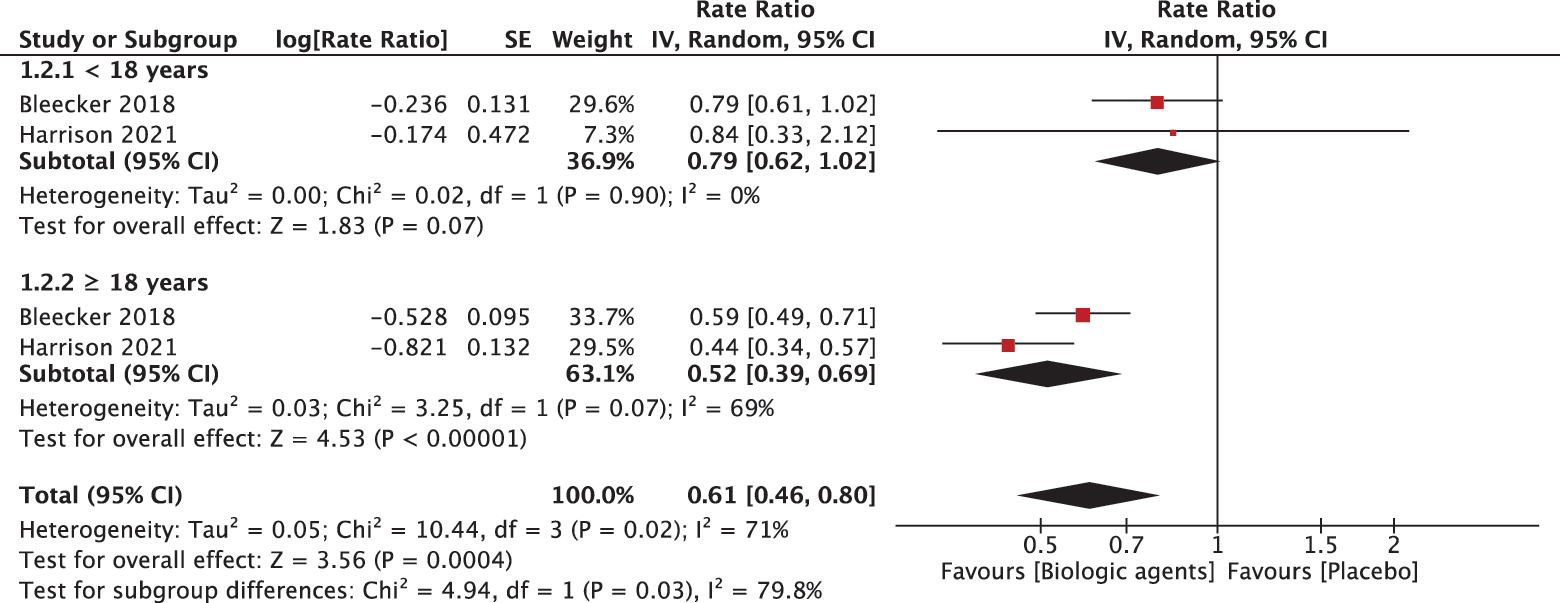
Figure 1. Effect of biologic agents in different age onset. SE: standard error; IV: inverse variance; CI: confidence interval.
Treated Age
Two studies examined the influence of the age at which patients started treatment with benralizumab and tezepelumab (Fig. 2). The pooled effect of these biologic agents demonstrated a reduction in asthma risk, with an RR of 0.46 (95% CI: 0.38, 0.55; p < 0.01; I2 = 21%). The test for subgroup differences showed a p-value of 0.17, indicating no statistically significant difference between the three age groups: under 18 years, under 65 years, and over 65 years. However, there were no statistically significant differences in the RR reduction of biologic agents compared to the placebo in patients under 18 years, with an RR of 0.88 (95% CI: 0.42, 1.84; p = 0.73; I2 = 14%).
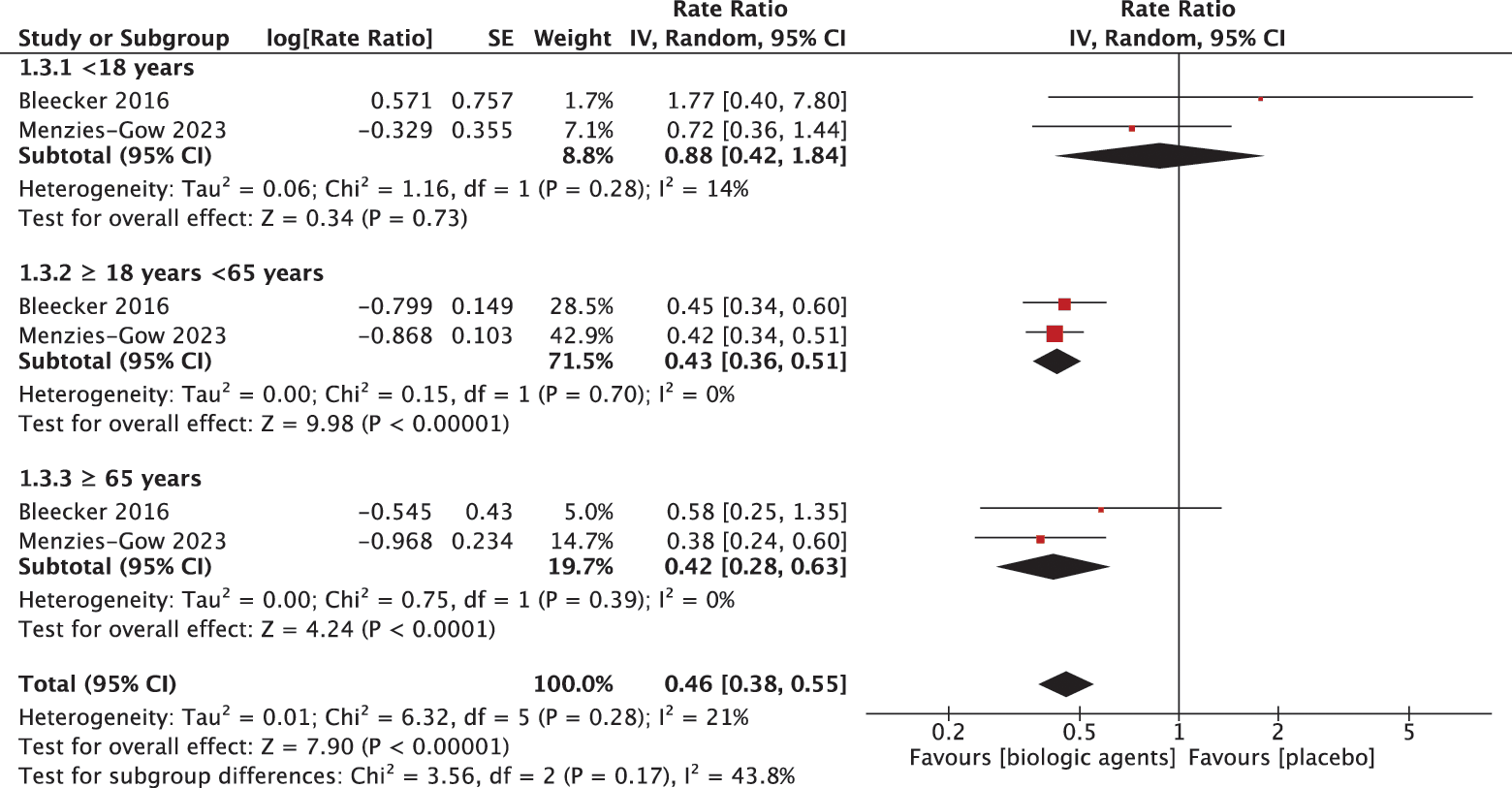
Figure 2. Effect of biologic agents in different treated ages. SE: standard error; IV: inverse variance; CI: confidence interval.
Number of Exacerbations
Four studies evaluated the impact of exacerbation numbers in the previous year on the treatment outcomes of benralizumab and tezepelumab (Fig. S3). The pooled effect of these biologic agents demonstrated a reduction in asthma risk, with an RR of 0.49 (95% CI: 0.40, 0.61; p < 0.01; I2 = 75%). The test for subgroup differences yielded a p-value of 0.19, indicating no statistically significant difference between the groups with two exacerbations in the previous year and those with more than two exacerbations.
OCS Usage
Four studies evaluated the influence of OCS usage status on the treatment outcomes of omalizumab, benralizumab, and tezepelumab (Fig. S4). The pooled effect of these biologic agents demonstrated a reduction in asthma risk, with an RR of 0.49 (95% CI: 0.40, 0.60; p < 0.01; I2 = 70%). The test for subgroup differences yielded a p-value of 0.97, indicating no statistically significant difference between the groups based on OCS usage status.
Nasal Polyps
Three studies assessed the influence of nasal polyps status on the treatment outcomes of benralizumab and tezepelumab (Fig. S5). The pooled effect of these biologic agents demonstrated a reduction in asthma risk, with an RR of 0.47 (95% CI: 0.37, 0.59; p < 0.01; I2 = 75%). The test for subgroup differences yielded a p-value of 0.27, showing no statistically significant difference between the groups based on nasal polyp status.
Blood Eosinophil Levels
Three studies assessed the influence of different blood eosinophil levels on the treatment outcomes of benralizumab, dupilumab, and tezepelumab (Fig. 3). The pooled effect of these biologic agents demonstrated a reduction in asthma risk, with an RR of 0.51 (95% CI: 0.38, 0.69; p < 0.01; I2 = 82.7%). The test for subgroup differences yielded a p-value of 0.003, showing a statistically significant difference between the groups based on different blood eosinophil levels. Patients with blood eosinophil levels below 150/μL showed a limited effect of biologic agents, with an RR of 0.77 (95% CI: 0.35, 1.67; p = 0.50; I2 = 87%).
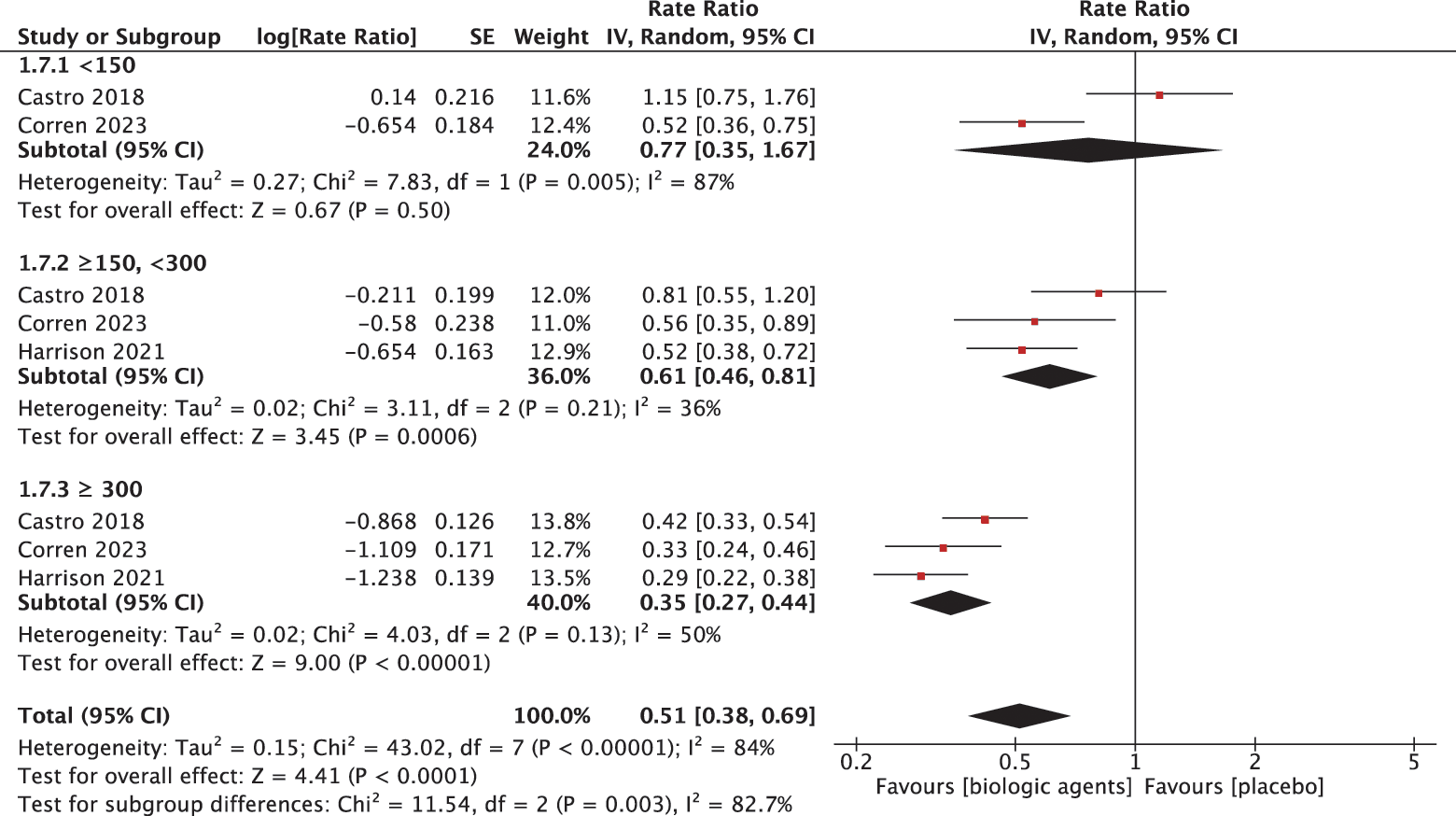
Figure 3. Effect of biologic agents in different blood eosinophil levels. SE: standard error; IV: inverse variance; CI: confidence interval.
FeNO Levels
Two studies examined the influence of different FeNO levels on the treatment outcomes of dupilumab and tezepelumab (Fig. 4). The pooled effect of these biologic agents demonstrated a reduction in asthma risk, with an RR of 0.43 (95% CI: 0.30, 0.62; p < 0.01; I2 = 84%). The test for subgroup differences yielded a p-value of <0.001, indicating a statistically significant difference between the groups based on different FeNO levels. While treatment was effective across all FeNO level groups, patients with higher FeNO levels showed a more pronounced reduction in RR.
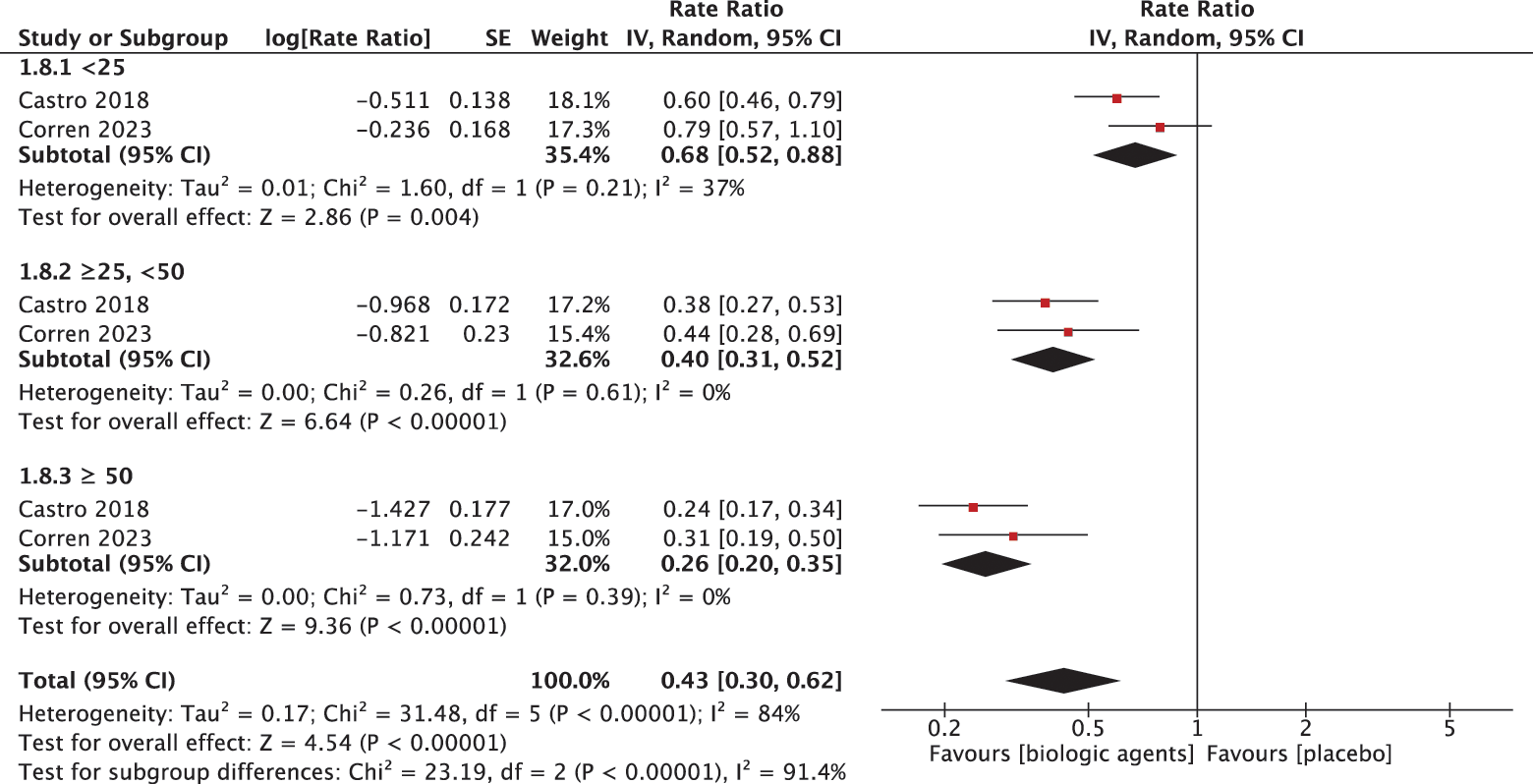
Figure 4. Effect of biologic agents in different FeNO levels. FeNO: fraction of exhaled nitric oxide; SE: standard error; IV: inverse variance; CI: confidence interval.
Blood Eosinophil Levels and OCS Reduction
Two studies examined the influence of different blood eosinophil levels on omalizumab and tezepelumab treatment in reducing OCS (Fig. S6). The pooled effect of these biologic agents demonstrated no difference in risk differences 0.00 (95% CI: −0.08, 0.00; p = 1.00; I2 = 30%). The test for subgroup differences yielded a p-value of 0.04, indicating that patients with blood eosinophil levels greater than or equal to 300/μL may have difficulty in reducing OCS when treated with biologic agents.
Risk of Bias
The risk of bias in enrolled studies is shown in Fig. S7. Some studies reported subgroup or pooled analysis, which resulted in selective reporting bias. Publication bias for the conducted analyses regarding gender, onset age, treated age, number of exacerbations in the previous year, OCS usage status, nasal polyps, blood eosinophil level, and FeNO level, and blood eosinophil levels for OCS reduction, is illustrated in Figs. S8 to S15, respectively.
Discussion
This meta-analysis evaluated the association between specific biomarkers and the effectiveness of biologic agents in treating moderate to severe asthma. The findings indicate that age, blood eosinophil levels, and FeNO are significantly linked to the efficacy of biologic therapies. These results align with previous studies demonstrating that higher eosinophil counts and elevated FeNO predict positive responses to biologic treatments, such as benralizumab, dupilumab, and tezepelumab.31,32 Consistent with earlier research, our study reaffirms the role of these biomarkers in guiding therapeutic decisions. Additionally, this study identified the efficacy of biologic agents at different levels of eosinophil counts and FeNO, which can assist physicians in making informed treatment decisions. A novel aspect of this study is the detailed analysis of how various patient characteristics, such as the age of asthma onset, influence the outcomes of biologic therapy, providing further insight into optimizing treatment for specific patient subgroups. However, not all studies included subgroup analyses to assess efficacy based on specific phenotypes. As a result, biomarkers were analyzed in relation to only a subset of biologic agents, rather than across all agents. This limitation made it challenging to fully assess the utility of biomarkers in predicting responses to all biologic therapies.
This analysis highlights that the age of asthma onset significantly impacts the efficacy of biologic agents such as benralizumab and tezepelumab. Notably, patients who developed asthma after the age of 18 experienced a greater reduction in asthma exacerbations when using biologic agents like benralizumab. Although Global Initiative for Asthma (GINA) suggests omalizumab as a good option for childhood-onset asthma, no data from CRT regarding omalizumab were identified in this meta-analysis due to the search formula.33 Biologic agents have transformed the management of severe asthma, particularly in individuals with Th2-driven immune responses.34 It is observed that children more commonly have allergic asthma, while adults often present with late-onset eosinophilic asthma associated with Th2 inflammation.35 Patients with childhood-onset asthma appeared to benefit less from biologic treatments, likely due to distinct underlying mechanisms such as allergic sensitization and airway remodeling that are more prevalent in early-onset asthma and may not be fully addressed by current biologic options. This distinction highlights the need to consider asthma onset age when choosing biologic therapies, as it may affect both the choice of treatment and its likely success.
Blood eosinophil levels were identified as a crucial biomarker influencing the effectiveness of biologic treatments in asthma.36 This analysis revealed that elevated blood eosinophil counts were linked to greater reductions in asthma exacerbation rates, aligning with previous research that positioned eosinophils as a pivotal component of the inflammatory process targeted by various biologic therapies. Importantly, patients with blood eosinophil counts below 150/μL did not exhibit the same degree of benefit, suggesting a potential threshold below which biologic agents may be less effective. FeNO levels were also found to be a significant biomarker related to the response to biologic therapies.37 Our findings indicated that patients with higher FeNO levels experienced more pronounced reductions in asthma exacerbations when treated with biologic agents compared to those with lower FeNO levels. This observation is consistent with earlier studies identifying FeNO as a marker of airway inflammation, particularly Th2-driven inflammation, which is targeted by biologic agents like dupilumab and tezepelumab.38 Elevated FeNO levels reflect ongoing eosinophilic inflammation, a primary target for many biologic treatments. However, the considerable variability in FeNO thresholds across studies underscores the need for standardized cutoff values to enhance the integration of FeNO into clinical decision-making.
Several factors, including gender, the number of exacerbations in the previous year, OCS use status, and the presence of nasal polyps, were ineffective predictors of the efficacy of biologic treatments. Although several biologic agents have been used to treat nasal polyps,39 limited information is available to guide the selection of benralizumab and tezepelumab for asthma treatment according to the presence of nasal polyps. Two studies assessed the predictive value of IgE levels for the effectiveness of biologic agents; however, they utilized different cutoff values, preventing the possibility of conducting a meta-analysis.
Several limitations should be noted in this meta-analysis. Firstly, the included studies exhibited significant variability in study design, patient populations, and biomarker threshold definitions, leading to heterogeneity in the combined results. Although a random-effects model was applied to address this variability, the high level of heterogeneity, especially in subgroup analyses, affects the overall applicability of the findings. Secondly, the analysis only included published studies, which may result in publication bias, as studies with negative or inconclusive outcomes are less likely to be reported. Thirdly, not all clinical studies involving biologic agents have evaluated efficacy based on specific phenotypic factors such as age of onset, treated age, and FeNO. Therefore, the conclusions drawn from our meta-analysis apply only to the biologic agents analyzed within each specific subgroup rather than to all biologic agents in general. Lastly, the meta-analysis did not fully investigate potential interactions between multiple biomarkers, which could offer a deeper understanding of their collective impact on treatment outcomes.
Conclusion
Patients with an onset of asthma or who began treatment before the age of 18 may derive less benefit from biologic agents. Blood eosinophils and FeNO are valuable tools for guiding the selection of biologic agents in the treatment of moderate to severe asthma.
Acknowledgments
None.
Funding Source
None.
Author Contributions
K.K. contributed to the study search, quality check, data extraction, and drafting. As principal investigators, K.K. and K.T. worked on the study search, quality check, data extraction, and analysis. K.K., N.H., and M.O. worked on the interpretation of data and the revision process. All authors have read the manuscript and agree with the content and data.
Data Availability
The data supporting this study’s findings are available from the corresponding author upon reasonable request.
Ethical Statement
Institutional Review Board approval was waived due to the nature of the meta-analysis.
Conflict of Interest
The authors declare no conflict of interest related to this study.
Supplemental Information
Supplemental information for this article can be found online at https://sup.jclinque.com/api/articles/42/download-suppl.
References
[1] Levy ML, Bacharier LB, Bateman E, et al. Key recommendations for primary care from the 2022 Global Initiative for Asthma (GINA) update. NPJ Prim Care Respir Med. February 8, 2023;33(1):7. doi:10.1038/s41533-023-00330-1.
[2] Shin YH, Hwang J, Kwon R, et al. Global, regional, and national burden of allergic disorders and their risk factors in 204 countries and territories, from 1990 to 2019: a systematic analysis for the Global Burden of Disease Study 2019. Allergy. August 2023;78(8):2232–2254. doi:10.1111/all.15807.
[3] Thomas D, McDonald VM, Pavord ID, et al. Asthma remission: what is it and how can it be achieved? Eur Respir J. November 2022;60(5):2102583. doi:10.1183/13993003.02583-2021.
[4] Asher MI, García-Marcos L, Pearce NE, et al. Trends in worldwide asthma prevalence. Eur Respir J. December 2020;56(6):2002094. doi:10.1183/13993003.02094-2020.
[5] Scichilone N, Barnes PJ, Battaglia S, et al. The hidden burden of severe asthma: from patient perspective to new opportunities for clinicians. J Clin Med. July 27, 2020;9(8):2397. doi:10.3390/jcm9082397.
[6] Miller RL, Grayson MH, Strothman K. Advances in asthma: new understandings of asthma’s natural history, risk factors, underlying mechanisms, and clinical management. J Allergy Clin Immunol. December 2021;148(6):1430–1441. doi:10.1016/j.jaci.2021.10.001.
[7] Maspero J, Adir Y, Al-Ahmad M, et al. Type 2 inflammation in asthma and other airway diseases. ERJ Open Res. July 2022;8(3). doi:10.1183/23120541.00576-2021.
[8] Matucci A, Micheletto C, Vultaggio A. Severe asthma and biologics: managing complex patients. J Investig Allergol Clin Immunol. June 15, 2023;33(3):168–178. doi:10.18176/jiaci.0856.
[9] McGregor MC, Krings JG, Nair P, et al. Role of biologics in asthma. Am J Respir Crit Care Med. February 15, 2019;15(4):433–445. doi:10.1164/rccm.201810-1944CI.
[10] Varricchi G, Ferri S, Pepys J, et al. Biologics and airway remodeling in severe asthma. Allergy. December 2022;77(12):3538–3552. doi:10.1111/all.15473.
[11] Lambrecht BN, Hammad H, Fahy JV. The cytokines of asthma. Immunity. April 2019;16(4):975–991. doi:10.1016/j.immuni.2019.03.018.
[12] Yılmaz İ, Paçacı Çetin G, Arslan B, et al. Biological therapy management from the initial selection of biologics to switching between biologics in severe asthma. Tuberk Toraks. March 2023;71(1):75–93. Ağır astımda biyolojik ajanların ilk seçiminden biyolojikler arasında geçişe kadar biyolojik tedavi yönetimi. doi:10.5578/tt.20239910.
[13] Kuruvilla ME, Lee FE, Lee GB. Understanding asthma phenotypes, endotypes, and mechanisms of disease. Clin Rev Allergy Immunol. April 2019;56(2):219–233. doi:10.1007/s12016-018-8712-1.
[14] Nolasco S, Crimi C, Campisi R. Personalized medicine in asthma: current approach and future perspectives. J Pers Med. September 30, 2023;13(10). doi:10.3390/jpm13101459.
[15] Rogers L, Jesenak M, Bjermer L, et al. Biologics in severe asthma: a pragmatic approach for choosing the right treatment for the right patient. Respir Med. November 2023;218(4):107414. doi:10.1016/j.rmed.2023.107414.
[16] Kaur R, Chupp G. Phenotypes and endotypes of adult asthma: moving toward precision medicine. J Allergy Clin Immunol. July 2019;144(1):1–12. doi:10.1016/j.jaci.2019.05.031.
[17] Habib N, Pasha MA, Tang DD. Current understanding of asthma pathogenesis and biomarkers. Cells. September 5, 2022;11(17):2764. doi:10.3390/cells11172764.
[18] Viswanathan RK, Busse WW. How to compare the efficacy of biologic agents in asthma. Ann Allergy Asthma Immunol. August 2020;125(2):137–149. doi:10.1016/j.anai.2020.04.031.
[19] Page MJ, McKenzie JE, Bossuyt PM, et al. The PRISMA, 2020 statement: an updated guideline for reporting systematic reviews. BMJ. March 29, 2021;372:n71. doi:10.1136/bmj.n71.
[20] Higgins JP, Thompson SG, Deeks JJ, et al. Measuring inconsistency in meta-analyses. BMJ. September 6, 2003;327(7414):557–560. doi:10.1136/bmj.327.7414.557.
[21] Ayres JG, Higgins B, Chilvers ER, et al. Efficacy and tolerability of anti-immunoglobulin E therapy with omalizumab in patients with poorly controlled (moderate-to-severe) allergic asthma. Allergy. July 2004;59(7):701–708. doi:10.1111/j.1398-9995.2004.00533.x.
[22] Bleecker ER, FitzGerald JM, Chanez P, et al. Efficacy and safety of benralizumab for patients with severe asthma uncontrolled with high-dosage inhaled corticosteroids and long-acting β(2)-agonists (SIROCCO): a randomised, multicentre, placebo-controlled phase 3 trial. Lancet. October 29, 2016;388(10056):2115–2127. doi:10.1016/S0140-6736(16)31324-1.
[23] Bleecker ER, Wechsler ME, FitzGerald JM, et al. Baseline patient factors impact on the clinical efficacy of benralizumab for severe asthma. Eur Respir J. October 2018;52(4):1800936. doi:10.1183/13993003.00936-2018.
[24] Carr TF, Moore WC, Kraft M, et al. Efficacy of tezepelumab in patients with severe, uncontrolled asthma across multiple clinically relevant subgroups in the NAVIGATOR study. Adv Ther. July 2024;41(7):2978–2990. doi:10.1007/s12325-024-02889-8.
[25] Castro M, Corren J, Pavord ID, et al. Dupilumab efficacy and safety in moderate-to-severe uncontrolled asthma. N Engl J Med. June 28, 2018;378(26):2486–2496. doi:10.1056/NEJMoa1804092.
[26] Corren J, Menzies-Gow A, Chupp G, et al. Efficacy of tezepelumab in severe, uncontrolled asthma: pooled analysis of the PATHWAY and NAVIGATOR clinical trials. Am J Respir Crit Care Med. July 1, 2023;208(1):13–24. doi:10.1164/rccm.202210-2005OC.
[27] Harrison TW, Chanez P, Menzella F, et al. Onset of effect and impact on health-related quality of life, exacerbation rate, lung function, and nasal polyposis symptoms for patients with severe eosinophilic asthma treated with benralizumab (ANDHI): a randomised, controlled, phase 3b trial. Lancet Respir Med. March 2021;9(3):260–274. doi:10.1016/S2213-2600(20)30414-8.
[28] Menzies-Gow A, Ambrose CS, Colice G, et al. Effect of tezepelumab on lung function in patients with severe, uncontrolled asthma in the phase 3 NAVIGATOR study. Adv Ther. November 2023;40(11):4957–4971. doi:10.1007/s12325-023-02659-y.
[29] Rabe KF, Nair P, Brusselle G, et al. Efficacy and safety of dupilumab in glucocorticoid-dependent severe asthma. N Engl J Med. June 2018;28(26):2475–2485. doi:10.1056/NEJMoa1804093.
[30] Wechsler ME, Menzies-Gow A, Brightling CE, et al. Evaluation of the oral corticosteroid-sparing effect of tezepelumab in adults with oral corticosteroid-dependent asthma (SOURCE): a randomised, placebo-controlled, phase 3 study. Lancet Respir Med. July 2022;10(7):650–660. doi:10.1016/S2213-2600(21)00537-3.
[31] Bernstein JA, Llanos JP, Hunter G, et al. Efficacy of biologics in patients with allergic severe asthma, overall and by blood eosinophil count: a literature review. Adv Ther. November 2023;40(11):4721–4740. doi:10.1007/s12325-023-02647-2.
[32] Pepper AN, Hanania NA, Humbert M, et al. How to assess effectiveness of biologics for asthma and what steps to take when there is not benefit. J Allergy Clin Immunol Pract. March 2021;9(3):1081–1088. doi:10.1016/j.jaip.2020.10.048.
[33] Henriksen DP, Bodtger U, Sidenius K, et al. Efficacy of omalizumab in children, adolescents, and adults with severe allergic asthma: a systematic review, meta-analysis, and call for new trials using current guidelines for assessment of severe asthma. Allergy Asthma Clin Immunol. 2020;16(1):49. doi:10.1186/s13223-020-00442-0.
[34] Shah PA, Brightling C. Biologics for severe asthma-Which, when and why? Respirology. August 2023;28(8):709–721. doi:10.1111/resp.14520.
[35] Gaberino CL, Bacharier LB, Jackson DJ. Controversies in allergy: are biologic treatment responses in severe asthma the same in adults and children? J Allergy Clin Immunol Pract. September 2023;11(9):2673–2682. doi:10.1016/j.jaip.2023.07.028.
[36] Wechsler ME, Munitz A, Ackerman SJ, et al. Eosinophils in health and disease: a state-of-the-art review. Mayo Clin Proc. October 2021;96(10):2694–2707. doi:10.1016/j.mayocp.2021.04.025.
[37] Loewenthal L, Menzies-Gow A. FeNO in asthma. Semin Respir Crit Care Med. October 2022;43(5):635–645. doi:10.1055/s-0042-1743290.
[38] Murugesan N, Saxena D, Dileep A, et al. Update on the role of FeNO in asthma management. Diagnostics (Basel). April 15, 2023;13(8). doi:10.3390/diagnostics13081428.
[39] Wang H, Xu X, Lu Z, et al. Efficacy of different biologics for treating chronic rhinosinusitis with nasal polyps: a network meta-analysis. Eur Arch Otorhinolaryngol. August 26, 2024. doi:10.1007/s00405-024-08903-7.
 |
Copyright: © 2024 Konishi et al. This work is licensed under a Creative Commons Attribution 4.0 International License, which permits unrestricted use, distribution, and reproduction in any medium, provided the original work is properly cited. |