| Journal of Clinical Question. 2025; 2(6): e98 https://doi.org/10.69854/jcq.2025.0041 Advance access publication date 20 December 2025 |
 |
Meta Analysis
Benefit of Islet Transplantation in Type 1 Diabetes: A Systematic Review and Meta-Analysis
Xiao-Qin Wu1, Jin He1, Zhen-Guang Wang1, Hong Qin 2, Jing-Zhu Cao3,*
1The 3rd Department of Hepatic Surgery, Eastern Hepato-biliary Surgical Hospital, Naval Medical University, Shanghai, China.
2Department of Hepatobiliary Pancreatic Surgery, The First Affiliated Hospital of Zhengzhou University, Zhengzhou, China.
3Department of Endocrinology, Changhai Hospital, Naval Medical University. Shanghai, China.
*Corresponding Author: e-mail: caojingzhu1020@163.com
Submitted: November 14, 2025 Accepted: December 19, 2025
Clinical Question Box
Does islet transplantation improve glycemic stability and insulin independence in adults with type 1 diabetes and severe hypoglycemia?
Allogeneic islet transplantation improves glycemic stability and reduces severe hypoglycemia in adults with type 1 diabetes who remain unstable despite intensive medical therapy. Across contemporary studies, recipients consistently experience marked reductions in hypoglycemia, improved day-to-day glucose control, and meaningful rates of insulin independence in the short term. Although graft function gradually declines, the procedure offers a favorable safety profile and provides clinically significant metabolic benefits for appropriately selected individuals.
Abstract
Introduction: Type 1 diabetes (T1D) continues to impose substantial global health burdens, including recurrent severe hypoglycemia and risks of long-term complications. Allogeneic islet transplantation offers a minimally invasive alternative to whole-organ pancreas transplantation for restoring endogenous insulin secretion; however, long-term durability remains uncertain. Methods: This systematic review and meta-analysis included studies (2000–2025) reporting outcomes of islet transplant alone (ITA), islet-after-kidney (IAK), or simultaneous islet–kidney transplantation in adults with T1D. Random-effects models were used to pool insulin independence, graft failure, and 5-year mortality. Study quality was assessed through the Newcastle–Ottawa Scale. Results: Eighteen studies comprising 1,941 recipients (1,418 ITA, 523 IAK) were included. One-year insulin independence rates were 56% (95% confidence interval [CI] 33%–80%) for ITA and 58% (95% CI 30%–86%) for IAK, declining to 30% at 5 years for both ITA (95% CI 20%–39%) and IAK (95% CI 20%–41%). Graft failure rose progressively, reaching 38% (95% CI 22%–53%) for ITA and 25% (95% CI 0%–52%) for IAK at 5 years. The pooled 5-year mortality rate was 6% (95% CI 3%–9%), with no deaths directly attributed to the procedure in studies reporting cause-specific outcomes. Conclusions: Islet transplantation provides meaningful short-term metabolic benefits and a favorable safety profile for selected individuals with T1D, but long-term graft durability remains limited compared to pancreas transplantation. Slightly better preservation of graft function in IAK suggests potential metabolic advantages for kidney transplant recipients.
Keywords: Type 1 diabetes, islet transplant alone, islet-after-kidney, insulin independence, graft function, meta-analysis
Introduction
Type 1 diabetes (T1D) remains a lifelong autoimmune disease with a significant global impact and risk of complications.1 Modeling analyses estimate that approximately 9.5 million individuals will have T1D in 2025. In lower-income countries, the prevalence increased by 20% during 2021–2025, rising from 1.8 million cases to 2.1 million. Projections indicate that globally, the number of individuals with T1D may reach approximately 14.7 million by 2040.2 Despite advances in technology and education, impaired awareness of hypoglycemia affects about 40% of T1D patients and is strongly linked to a three- to six-fold higher risk of severe hypoglycemia.3 Long-term follow-up by the Diabetes Control and Complications Trial confirms that tighter glycemic control lowers the risk of microvascular and cardiovascular complications; however, many individuals still experience recurrent severe hypoglycemia, glycemic lability, and reduced quality of life.4,5
Whole-organ pancreas transplantation (PTx), performed as simultaneous pancreas–kidney (SPK), pancreas after kidney, or pancreas transplant alone, offers the greatest likelihood of sustained insulin independence and the potential to restore near-normal glycemic control.6 However, it involves major abdominal surgery and lifelong immunosuppression, which carry risks such as surgical complications, infections, and cancer.7 Recent registry data reveal 9.8% 1-year pancreas graft survival in adults after SPK, with continuous improvements in survival and life-years gained across different indications.8 Despite advances in surgical technique, perioperative complications remain substantial, and donor organ availability continues to be limited. In contrast, islet transplantation, administered through portal vein infusion, is less invasive and primarily aims to prevent severe hypoglycemia and stabilize glycemic variability.9 However, it often requires multiple donor pancreata and typically yields lower rates and shorter durations of insulin independence than PTx.
Over the past decade, allogeneic islet transplantation has emerged as a viable therapeutic option for individuals with T1D complicated by recurrent severe hypoglycemia or glycemic instability. Recent registry and cohort data (including the Collaborative Islet Transplant Registry) demonstrate that infusion of donor islets through the portal vein can achieve robust C-peptide persistence, improved glycemic control, and elimination of life-threatening hypoglycemia.10,11 However, durability remains an important limitation: long-term follow-up suggests that graft function declines over time and insulin independence is less consistent than with PTx.12 Clinical islet transplantation has advanced quickly. On June 28, 2023, the Food and Drug Administration (FDA) approved Donislecel (brand name Lantidra), the first licensed allogeneic pancreatic islet-cell therapy for adults with T1D who experience recurrent severe hypoglycemia despite intensive management.13 Emerging innovations in stem cell-derived islets, alternative transplantation sites, encapsulation technologies, and immunomodulation strategies offer promising pathways to broaden applicability and enhance outcomes.14
ITA, IAK, and simultaneous islet–kidney (SIK) transplantation represent the main clinical approaches to allogeneic islet replacement therapy in T1D.15 ITA is performed in patients with preserved renal function but recurrent severe hypoglycemia or glycemic instability despite optimized medical therapy. IAK is indicated for individuals who have previously received a kidney graft and subsequently require restoration of endogenous insulin secretion. SIK involves concurrent transplantation of islets and a kidney in patients with diabetes-related end-stage renal disease.16 All approaches use intraportal islet infusion and similar immunosuppressive regimens.
This meta-analysis aims to comprehensively evaluate the efficacy, safety, and durability of islet transplantation in individuals with T1D and specifically to quantify outcomes related to graft survival, insulin independence, and long-term mortality. By synthesizing data from randomized trials, registry analyses, and prospective cohort studies, this study seeks to provide an updated evidence base comparing islet transplantation outcomes with those of PTx and advanced medical therapies, thereby informing clinical decision-making and guiding future research directions.
Methods
Study Design
This systematic review and meta-analysis was conducted per the Preferred Reporting Items for Systematic Reviews and Meta-Analyses (PRISMA) 2020 guidelines. The study protocol was prospectively registered with the Open Science Framework (registration number: osf.io/d84z7) Any amendments made after protocol registration were documented and reported transparently.
Eligibility Criteria
Eligible studies included adults (≥18 years) with T1D who underwent allogeneic intraportal islet transplantation in the form of ITA, IAK, or SIK. Studies had to report either insulin independence or 5-year mortality. Though randomized controlled trials (RCTs) were considered, only a few addressed this topic. Therefore, all prospective and retrospective cohort studies, as well as case series with more than five participants, were included. Stem cell-derived islets were excluded, as were reviews, animal studies, xenotransplantation studies, studies lacking extractable quantitative data, and studies that did not clearly distinguish between ITA and IAK. Only studies published in the English language were included in this meta-analysis. To reflect the modern era of immunosuppression, studies published before 2000 were excluded.
Literature Search Strategy
A comprehensive literature search was conducted in PubMed, Embase, Web of Science, and the Cochrane Library for studies published between January 2000 and October 1, 2025. Additionally, the reference lists of all included studies and relevant review articles were manually screened to identify further eligible publications. The search strategy employed the following keywords: “islet transplantation,” “type 1 diabetes,” “T1D,” and “clinical trial.” Detailed search strategies for each database are provided in Table S1.
Study Selection
All retrieved citations were imported into EndNote 21 (Clarivate Analytics, Philadelphia, PA, USA) for reference management, and duplicate records were automatically removed and manually verified. Two reviewers independently screened titles and abstracts, followed by full-text assessments to determine study eligibility. Any discrepancies were resolved through discussion or, when necessary, consultation with a third reviewer. The overall study selection process is illustrated in the PRISMA 2020 flow diagram.
Data Extraction
Data extraction was performed independently by two reviewers using a standardized, pilot-tested form. Extracted variables included study characteristics (design, setting, and sample size), participant demographics (age and sex), transplant type (ITA, IAK, and SIK), and relevant outcomes. When multiple reports originated from the same cohort, the study with the longest follow-up or most complete dataset was selected. Corresponding authors were contacted for missing or unclear data where necessary. No missing or unclear data were obtained through direct correspondence with the original study authors; all data were extracted exclusively from the published reports.
Definition
Insulin independence was defined as sustained freedom from exogenous insulin therapy with preserved endogenous insulin secretion and adequate glycemic control, as reported in the included studies. Graft dysfunction was defined as a decline in islet graft performance characterized by detectable C-peptide levels (>0.3 ng/mL) with deterioration in glycemic control and/or renewed requirement for exogenous insulin. Graft failure was defined as complete loss of clinically meaningful islet graft function, indicated by undetectable or negligible endogenous insulin secretion (C-peptide ≤0.3 ng/mL) and sustained dependence on exogenous insulin.
Risk of Bias Assessment
Two reviewers independently assessed the risk of bias. Meta-analysis was not feasible; observational studies were appraised using the Newcastle–Ottawa Scale (NOS). A modified NOS was applied for single-arm studies and case series. Any discrepancies were resolved by consensus. Studies were categorized as having low, moderate, or high risk of bias, and sensitivity analyses excluding high-risk studies were planned a priori.
Statistical Analysis
Meta-analyses were conducted when at least two studies reported comparable outcomes. Due to the limited number of RCTs, a meta-analysis of randomized data was not feasible; therefore, pooled analyses were performed for all included studies. A random-effects model was applied to account for anticipated clinical heterogeneity. Statistical heterogeneity was quantified using the I² statistic and interpreted according to conventional thresholds (25% low, 50% moderate, 75% high). All statistical analyses were performed using Review Manager 5.4 (The Cochrane Collaboration, London, UK).
Results
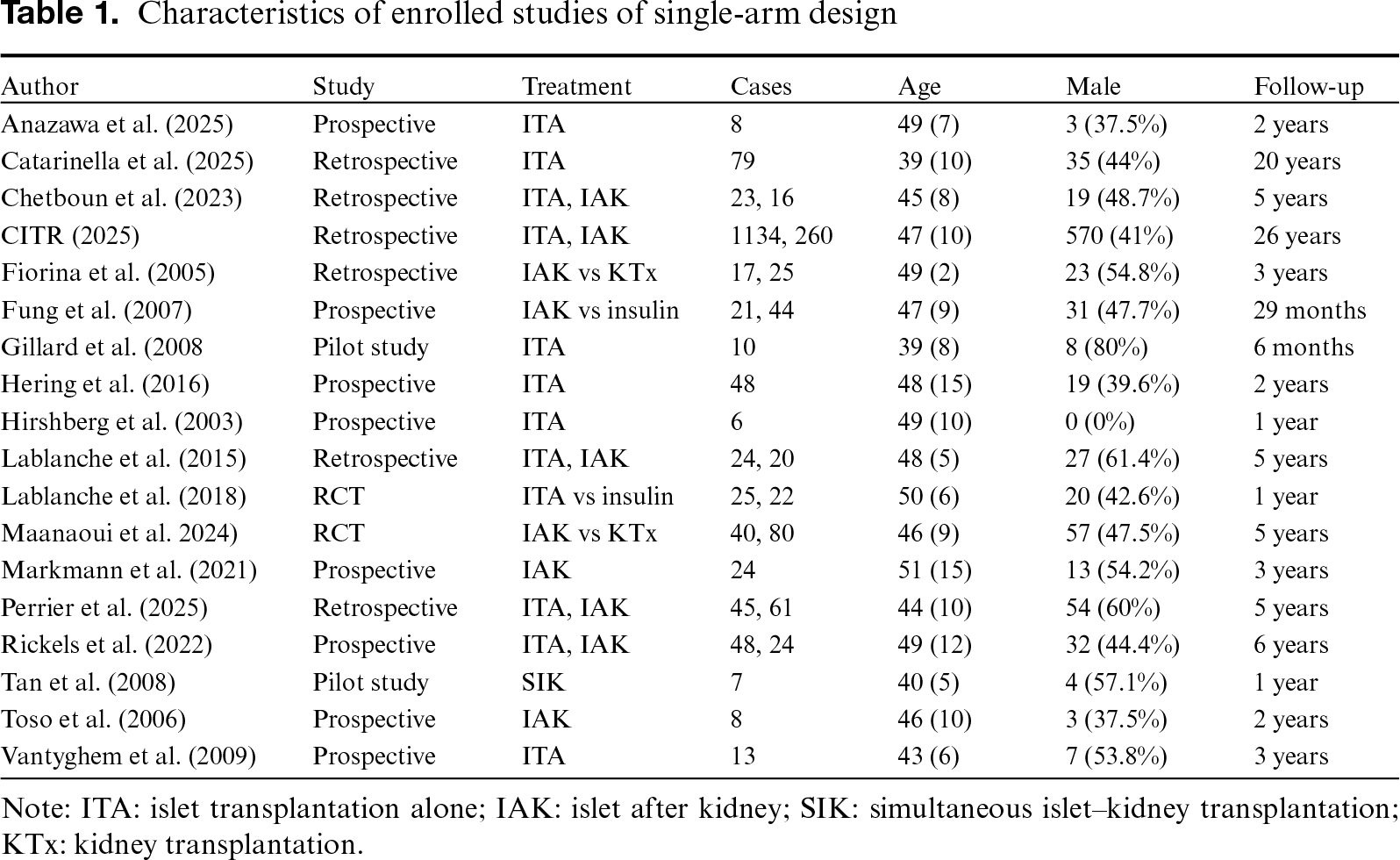
A total of 1,203 studies were identified through database searches. After removing 81 duplicate records using EndNote, excluding 1,001 records during the initial screening (Fig. S1), and considering three full-text articles that could not be retrieved, 118 studies were left for secondary screening. Ultimately, 18 studies met the inclusion criteria and were included in the final analysis, comprising 1,941 cases in total: 1,418 ITA cases and 523 IAK cases (Table 1).17–31 Across 18 studies published between 2003 and 2025, encompassing retrospective cohorts, prospective studies, pilot trials, and two RCTs, a wide range of islet transplantation strategies were evaluated, including ITA, IAK, and SIK, and comparisons with insulin therapy or kidney transplantation alone. Sample sizes varied substantially, from small feasibility cohorts of 6–13 participants to large registry-based analyses, such as the Collaborative Islet Transplant Registry (CITR) 2025 report, which included over 1,300 transplant recipients. Across studies, participants were typically middle-aged, with mean ages ranging from late 39 to 51 years, and male representation generally accounted for 44.8% of all participants, while some studies reported a more marked gender imbalance. Follow-up durations also differed considerably, spanning short-term assessments at 6 months to long-term outcomes extending up to 26 years. Only one study focused on SIK transplantation, and its data were analyzed together with the IAK cohort.
Insulin Independence
Across pooled studies, ITA achieved an insulin independence rate of 56% (95% CI 33%–80%) at 1 year, which declined to 49% (95% CI 30%–69%) at 2–3 years and 30% (95% CI 20%–39%) by 5 years of follow-up (Fig. 1). Heterogeneity remained substantial across all time points (I2 = 74%, 70%, and 70%, respectively). For IAK, pooled outcomes demonstrated slightly higher early insulin independence rates, with 58% (95% CI 30%–86%) at 1 year, 40% (95% CI 15%–65%) at 2–3 years, and 30% (95% CI 20%–41%) at 5 years (Fig. 2). Corresponding heterogeneity was 21%, 82%, and 61%, respectively.
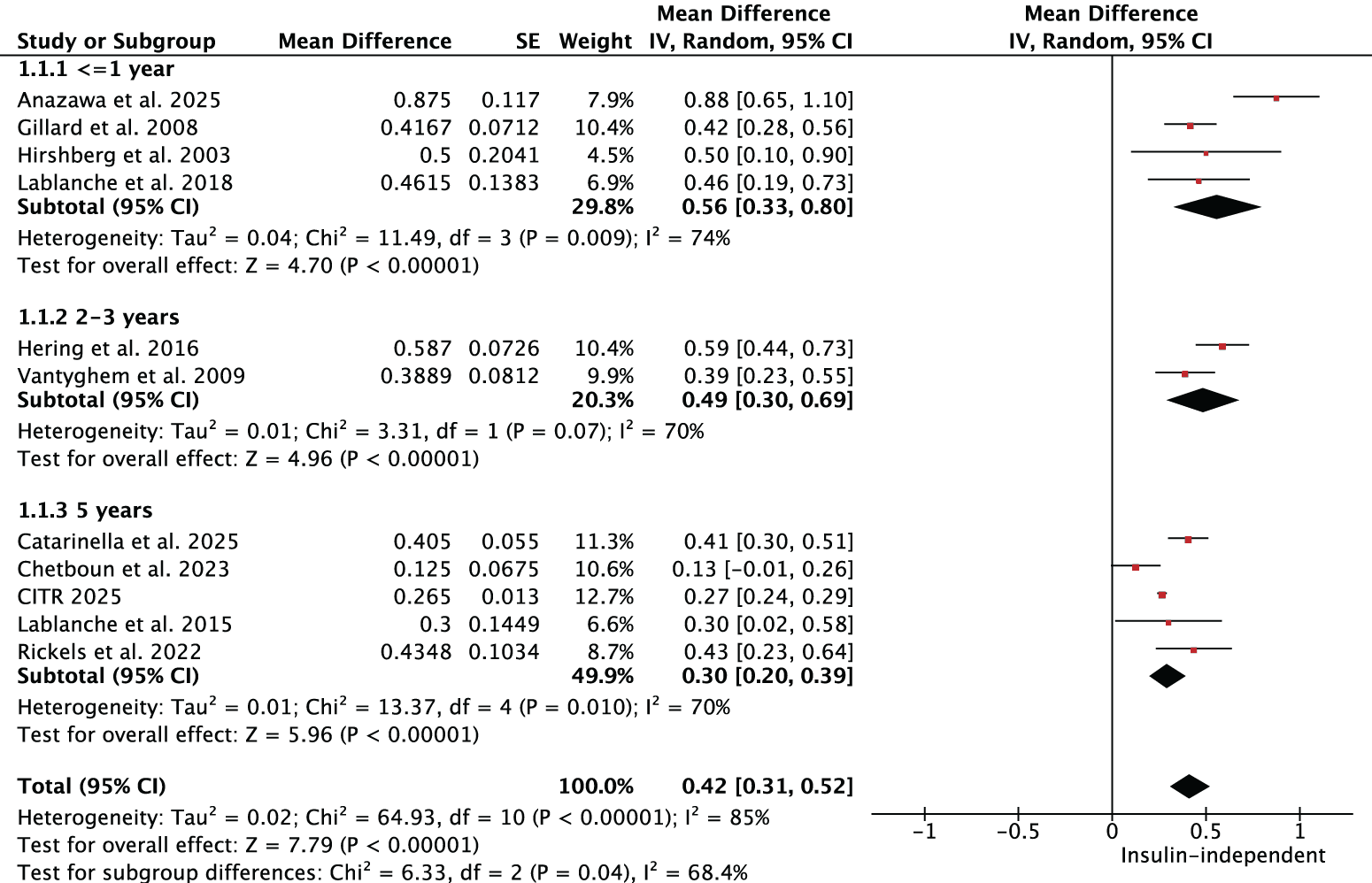
Figure 1. Insulin independence for islet transplantation alone.
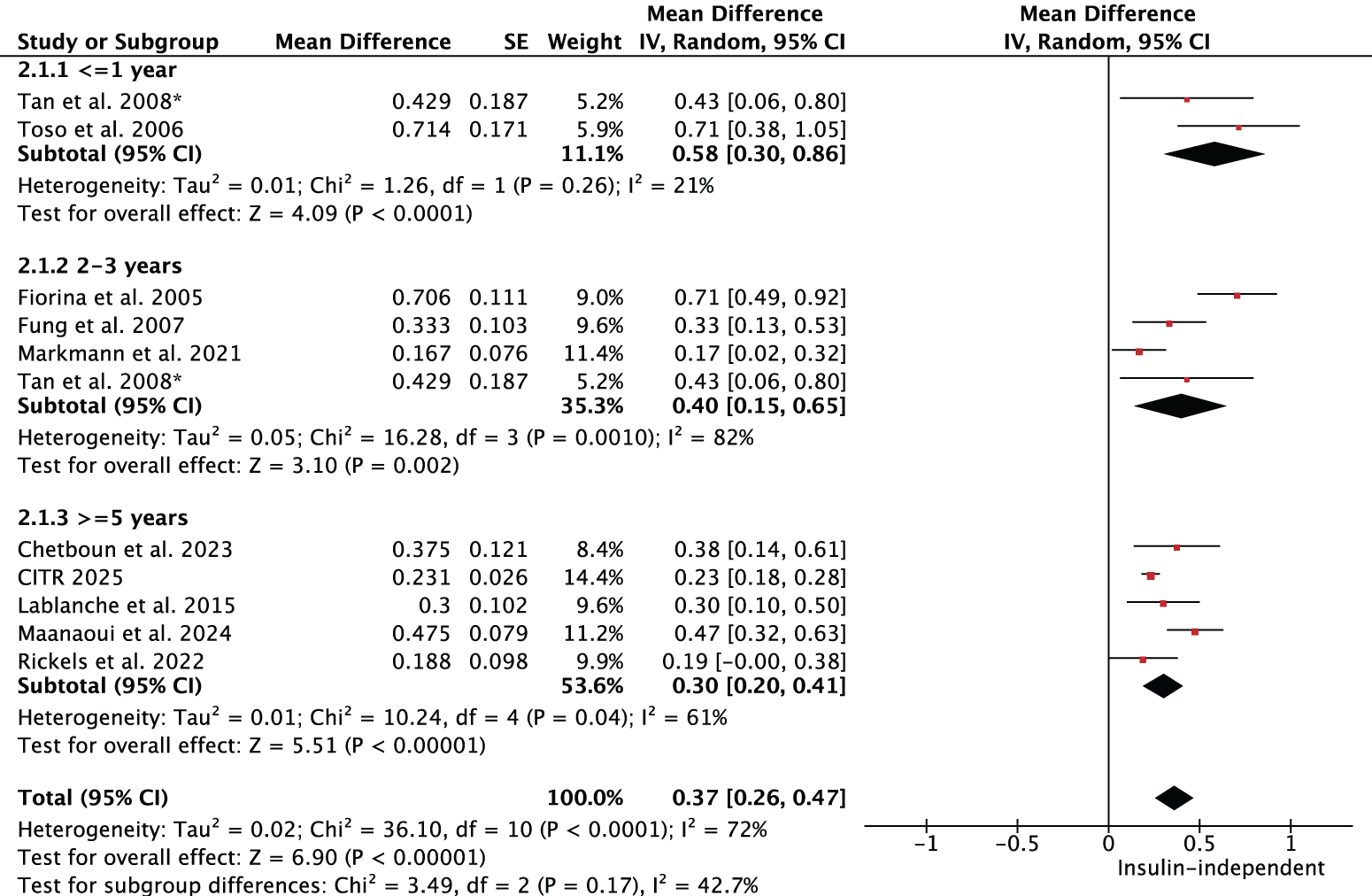
Figure 2. Insulin independence for islet after kidney transplantation.
Graft Failure
Graft failure was infrequent for 1 year but increased progressively over time. In ITA recipients, failure occurred in 5% (95% CI 0%–10%) at 1 year, rising to 18% (95% CI 2%–35%) at 2–3 years and 38% (95% CI 22%–53%) at 5 years, with heterogeneity of 0%, 0%, and 97%, respectively (Fig. 3). In IAK recipients, graft failure was 0% (95% CI 0%–2%) at 1 year, 12% (95% CI 0%–23%) at 2–3 years, and 25% (95% CI 0%–52%) at 5 years, with heterogeneity of 0% and 97% for the mid-term and long-term estimates, respectively (Fig. 4).
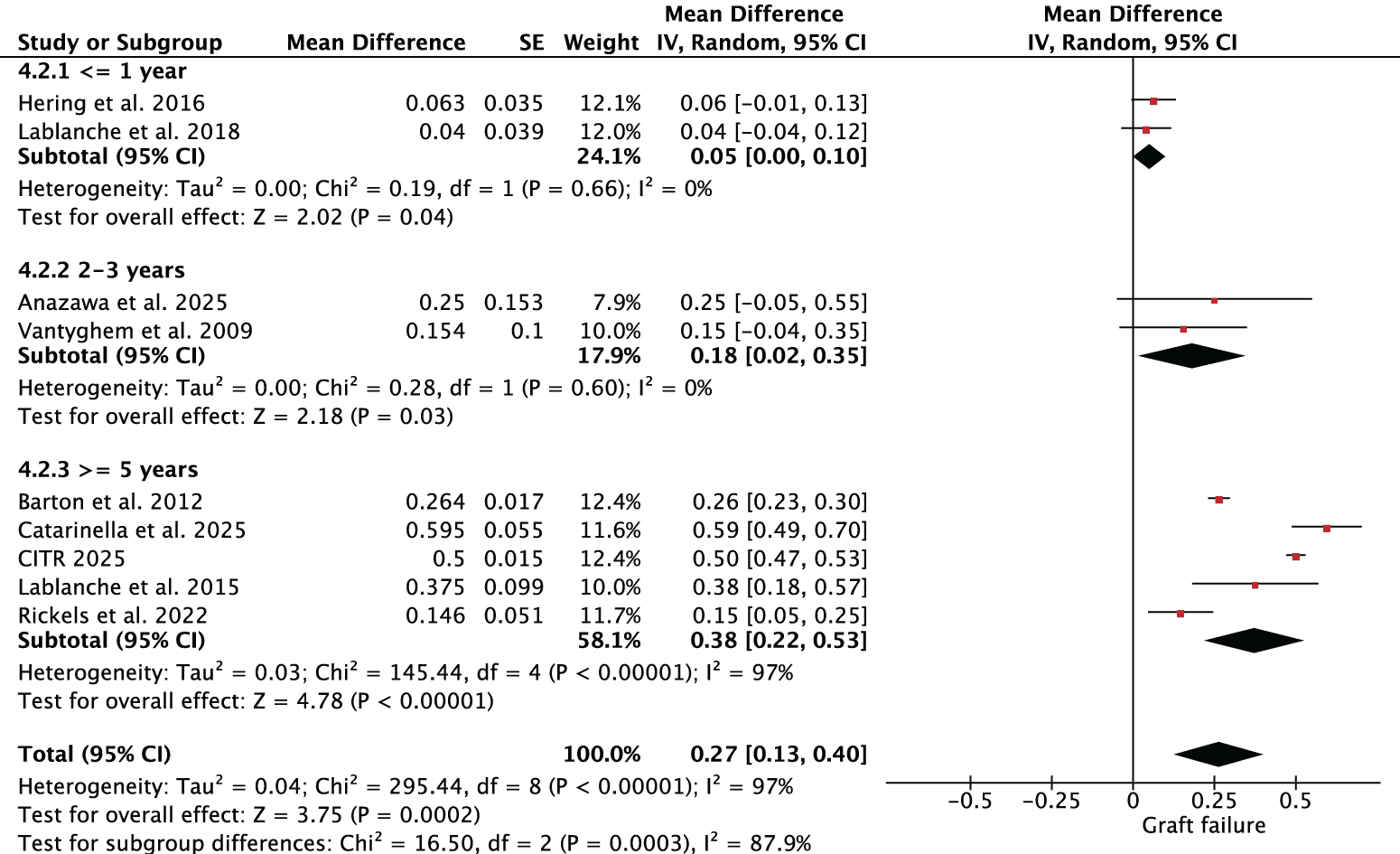
Figure 3. Graft failure for islet transplantation alone.
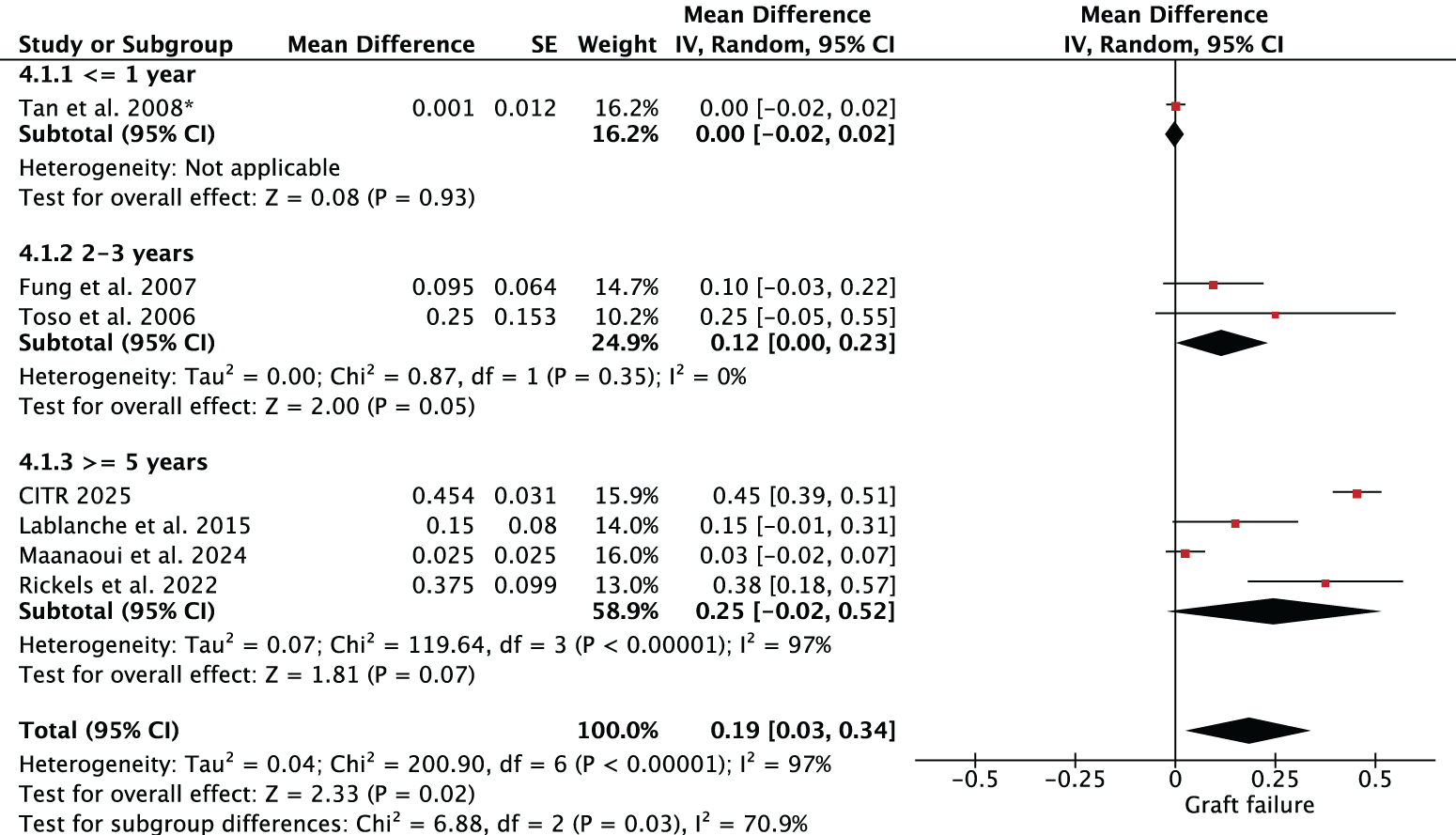
Figure 4. Graft failure for islet after kidney transplantation.
Five-Year Mortality
The pooled 5-year mortality rate was 3% (95% CI 1%–6%) for ITA and 11% (95% CI 3%–19%) for IAK, yielding an overall mortality rate of 6% (95% CI 3%–9%) across all transplant strategies (Figure S2). No deaths were directly attributed to the transplantation procedure in the 4 studies reporting cause-specific mortality. The overall 5-year mortality across studies was 5.21%.
Certainty of Evidence
The studies assessed using the NOS showed wide variation in quality, with total scores ranging from 4 to 10. Most studies scored low (around 4–6) because comparability was often not assessed (Table S2). While a few studies achieved higher scores of 9–10 due to stronger performance across all domains,20,25,27 using the GRADE approach, the certainty of evidence was rated as low due to the single-arm study design, although it was upgraded because of the very large magnitude of effect.
Discussion
This systematic review and pooled analysis synthesizes contemporary evidence on allogeneic islet transplantation performed as ITA or IAK. In tune with prior literature, the findings confirm that islet transplantation provides meaningful short-term benefits for selected individuals with T1D, including clinically relevant rates of insulin independence, low early graft failure, and a favorable safety profile.32,33 As repeatedly observed, long-term durability remains a key limitation, with a gradual loss of graft function over time. Notably, while ITA and IAK achieve similar rates of insulin independence, IAK appears to better preserve islet function in the long term, suggesting meaningful differences in metabolic sustainability between the two strategies. Together, these findings refine the current understanding of islet transplantation outcomes and highlight considerations relevant to clinical decision-making and future research.
Islet transplantation and PTx provide distinct therapeutic pathways for restoring endogenous insulin secretion in individuals with T1D, each offering unique advantages and limitations. PTx remains the most durable option, with long-term graft survival that consistently outperforms cellular therapies; however, its benefits must be balanced against the need for major surgery, higher perioperative risk, and more stringent eligibility criteria.34 Islet transplantation, by contrast, offers a minimally invasive alternative with a more favorable short-term safety profile, making it particularly appropriate for individuals with impaired hypoglycemia awareness or recurrent severe hypoglycemia. The findings from this review align with established literature demonstrating meaningful short-term metabolic benefits after islet transplantation, accompanied by low early graft failure and reassuring procedural safety. Notably, one study reported an association between donor HLA-DQ8 positivity and superior graft outcomes.32 Among islet transplantation strategies, the observation that ITA and IAK achieve comparable insulin independence rates reinforces the complementary roles of islet and PTx and highlights the need for continued refinement of cellular therapies to close the gap in long-term graft performance.
Regenerative medicine is increasingly intersecting with the field of islet transplantation, offering new avenues to restore endogenous insulin production for individuals with T1D.35 Islet transplantation has demonstrated meaningful short-term metabolic benefits and remains the sole clinically established cell-based therapy capable of achieving insulin independence; yet, its widespread application is limited by donor organ scarcity, variable long-term durability, and the need for lifelong immunosuppression.15 Advances in regenerative medicine, including the generation of insulin-producing cells from pluripotent stem cells, bioengineered islet constructs, and encapsulation technologies designed to provide immune protection, aim to overcome these constraints by creating a renewable, scalable, and potentially immunoprotected source of functional β-cells.36,37 Early clinical trials of stem cell-derived islet products have already shown promising restoration of endogenous C-peptide production, suggesting that regenerative approaches may complement or ultimately extend beyond traditional islet transplantation.38 These developments position regenerative medicine as a critical evolution of islet replacement therapy, with the potential to address longstanding barriers and move the field closer to a durable, widely accessible cellular cure for T1D.
Recent advances in islet transplantation, including the FDA approval of standardized allogeneic islet products such as Donislecel, may influence the generalizability of the findings of this meta-analysis.39 These products offer improved consistency in islet manufacturing, quality control, and regulatory oversight compared with earlier center-specific isolation protocols represented in the included studies. As such, outcomes associated with contemporary allogeneic islet products may differ from those reported herein, and future studies will be required to determine whether these advances translate into improved long-term graft durability and broader clinical applicability.
Several limitations of the current evidence base warrant consideration. First, substantial heterogeneity was observed across pooled analyses, likely reflecting variability in donor selection, islet isolation protocols, immunosuppressive regimens, and definitions of clinical endpoints. Second, the predominance of observational and single-arm studies limits the strength of causal inference, and the paucity of RCTs precludes robust comparisons with alternative therapies. Third, long-term follow-up was inconsistently reported, resulting in imprecise estimates of late graft outcomes. In addition, outcomes related to glycemic stability and hypoglycemic episodes were not consistently reported and therefore could not be analyzed. Finally, reporting of SIK transplantation was insufficiently detailed to permit inclusion, limiting the generalizability of the findings to patients requiring both kidney and islet replacement.
Conclusion
Allogeneic islet transplantation represents a safe and efficacious therapy for select individuals with T1D, particularly those with recurrent severe hypoglycemia or marked glycemic instability unresponsive to optimized medical therapy. While early graft outcomes are favorable, long-term durability remains limited, and further advances are required to achieve sustained insulin independence.
Acknowledgment
None.
Funding Statement
The foundation provides support for project initiation and article publication. The funders were not involved in data collection, management, analysis, and interpretation.
Author Contributions
Jing-Zhu Cao and Xiao-Qin Wu contributed to the study design and drafting of the manuscript. Jin He, Zhen-Guang Wang, and Hong Qin worked on data interpretation and manuscript revision. All authors have read and approved the final manuscript and agree with its content and data.
Availability of Data and Materials
Raw data will be available upon reasonable request and following consultation with the corresponding author.
Ethics Approval and Consent to Participate
Not applicable; this study does not involve new human or animal studies.
Competing Interests
There are no conflicts of interest in this article.
Supplemental Information
Supplemental information for this article can be found online at https://sup.jclinque.com/api/articles/98/download-suppl.
References
[1] Popoviciu MS, Kaka N, Sethi Y, Patel N, Chopra H, Cavalu S. Type 1 diabetes mellitus and autoimmune diseases: a critical review of the association and the application of personalized medicine. J Pers Med. February 26, 2023;13(3):422. doi:10.3390/jpm13030422.
[2] Ogle GD, Wang F, Haynes A, et al. Global type 1 diabetes prevalence, incidence, and mortality estimates 2025: Results from the International diabetes Federation Atlas, 11th Edition, and the T1D Index Version 3.0. Diab Res Clinical Pract. July 01, 2025;225(8):112277. doi:10.1016/j.diabres.2025.112277.
[3] Sherr JL, Laffel LM, Liu J, et al. Severe hypoglycemia and impaired awareness of hypoglycemia persist in people with type 1 diabetes despite use of diabetes technology: results from a cross-sectional survey. Diabetes Care. 2024;47(6):941–947. doi:10.2337/dc23-1765.
[4] Helmink MAG, Hageman SHJ, Visseren FLJ, et al. Variability in benefit from intensive insulin therapy on cardiovascular events in individuals with type 1 diabetes: a post hoc analysis of the DCCT/EDIC study. Diabetes Med. November 2023;40(11):e15183. doi:10.1111/dme.15183.
[5] Nathan DM. Realising the long-term promise of insulin therapy: the DCCT/EDIC study. Diabetologia. May 01, 2021;64(5):1049–1058. doi:10.1007/s00125-021-05397-4.
[6] Martin D, Alberti P, Demartines N, Phillips M, Casey J, Sutherland A. Whole-organ pancreas and islets transplantations in UK: an overview and future directions. J Clin Med. May 1, 2023;12(9):3245. doi:10.3390/jcm12093245.
[7] Al-Naseem AO, Attia A, Gonnah AR, et al. Pancreas transplantation today: quo vadis? Eur J Endocrinol. April 5, 2023;188(4):R73–R87. doi:10.1093/ejendo/lvad032.
[8] Kandaswamy R, Stock PG, Miller JM, Handarova D, Israni AK, Snyder JJ. OPTN/SRTR 2023 annual data report: pancreas. American J Transplant. 2025;25(2):S138–S192. doi:10.1016/j.ajt.2025.01.021.
[9] Forbes S, Flatt AJ, Bennett D, et al. The impact of islet mass, number of transplants, and time between transplants on graft function in a national islet transplant program. Am J Transplant. January 2022;22(1):154–164. doi:10.1111/ajt.16785.
[10] Wang Q, Huang YX, Liu L, et al. Pancreatic islet transplantation: current advances and challenges. Front Immunol. 2024;15:1391504. doi:10.3389/fimmu.2024.1391504.
[11] Baidal DA, Ballou CM, Rickels MR, et al. Predictive value of c-peptide measures for clinical outcomes of β-cell replacement therapy in type 1 diabetes: report from the collaborative islet transplant registry (CITR). Diabetes Care. April 1, 2023;46(4):697–703. doi:10.2337/dc22-1155.
[12] Chetboun M, Pattou F. Long-term outcomes and challenges of islet transplantation in type 1 diabetes. Lancet Diab Endocrinol. 2025;13(4):264–265. doi:10.1016/S2213-8587(25)00003-8.
[13] Food and Drug Administration. FDA approves first cellular therapy to treat patients with type 1 diabetes. Published 2023, Accessed October 30 2025. https://www.fda.gov/news-events/press-announcements/fda-approves-first-cellular-therapy-treat-patients-type-1-diabetes.
[14] Reichman TW, Markmann JF, Odorico J, et al. Stem cell-derived, fully differentiated islets for type 1 diabetes. N Engl J Med. September 4, 2025;393(9):858–868. doi:10.1056/NEJMoa2506549.
[15] Altabas V, Bulum T. Current challenges in pancreas and islet transplantation: a scoping review. Biomedicines. December 15, 2024;12(12):2853. doi:10.3390/biomedicines12122853.
[16] Gariani K, Peloso A, Galani V, et al. Effect of islet alone or islets after kidney transplantation on quality of life in type 1 diabetes: a systematic review. Transplant Rev. December 01, 2024;38(4):100870. doi:10.1016/j.trre.2024.100870.
[17] Anazawa T, Marubashi S, Kodama S, et al. Efficacy and safety of allogeneic islet transplantation demonstrated by a multicenter clinical trial in Japan. Transplant Direct. 2025;11(3). doi:10.1097/txd.0000000000001765.
[18] Catarinella D, Melzi R, Mercalli A, et al. Long-term outcomes of pancreatic islet transplantation alone in type 1 diabetes: a 20-year single-centre study in Italy. Lancet Diab Endocrinol. April 2025;13(4):279–293. doi:10.1016/s2213-8587(24)00341-3.
[19] Collaborative Islet Transplant Registry. Twelfth Allograft Report. Published 2025, Accessed October 30 2025. https://www.citregistry.org/system/files/CITR%2012th%20Allograft%20Report_2025_Final.pdf.
[20] Fiorina P, Gremizzi C, Maffi P, et al. Islet transplantation is associated with an improvement of cardiovascular function in type 1 diabetic kidney transplant patients. Diabetes Care. June 2005;28(6):1358–1365. doi:10.2337/diacare.28.6.1358.
[21] Fung MA, Warnock GL, Ao Z, et al. The effect of medical therapy and islet cell transplantation on diabetic nephropathy: an interim report. Transplantation. July 15, 2007;84(1):17–22. doi:10.1097/01.tp.0000265502.92321.ab.
[22] Gillard P, Ling Z, Mathieu C, et al. Comparison of sirolimus alone with sirolimus plus tacrolimus in type 1 diabetic recipients of cultured islet cell grafts. Transplantation. January 27, 2008;85(2):256–263. doi:10.1097/TP.0b013e31815e8926.
[23] Hering BJ, Clarke WR, Bridges ND, et al. Phase 3 trial of transplantation of human islets in type 1 diabetes complicated by severe hypoglycemia. Diabetes Care. July 2016;39(7):1230–1240. doi:10.2337/dc15-1988.
[24] Hirshberg B, Rother KI, Digon BJ 3rd, et al. Benefits and risks of solitary islet transplantation for type 1 diabetes using steroid-sparing immunosuppression: the National Institutes of Health experience. Diabetes Care. December 2003;26(12):3288–3295. doi:10.2337/diacare.26.12.3288.
[25] Lablanche S, Borot S, Wojtusciszyn A, et al. Five-year metabolic, functional, and safety results of patients with type 1 diabetes transplanted with allogenic islets within the Swiss-French GRAGIL network. Diabetes Care. September 2015;38(9):1714–1722. doi:10.2337/dc15-0094.
[26] Lablanche S, Vantyghem MC, Kessler L, et al. Islet transplantation versus insulin therapy in patients with type 1 diabetes with severe hypoglycaemia or poorly controlled glycaemia after kidney transplantation (TRIMECO): a multicentre, randomised controlled trial. Lancet Diab Endocrinol. July 2018;6(7):527–537. doi:10.1016/s2213-8587(18)30078-0.
[27] Maanaoui M, Lenain R, Foucher Y, et al. Islet-after-kidney transplantation versus kidney alone in kidney transplant recipients with type 1 diabetes (KAIAK): a population-based target trial emulation in France. Lancet Diab Endocrinol. 2024;12(10):716–724. doi:10.1016/S2213-8587(24)00241-9.
[28] Markmann JF, Rickels MR, Eggerman TL, et al. Phase 3 trial of human islet-after-kidney transplantation in type 1 diabetes. Am J Transplant. April 2021;21(4):1477–1492. doi:10.1111/ajt.16174.
[29] Rickels MR, Eggerman TL, Bayman L, et al. Long-term outcomes with islet-alone and islet-after-kidney transplantation for type 1 diabetes in the clinical islet transplantation consortium: the CIT-08 study. Diabetes Care. October 17, 2022;45(12):2967–2975. doi:10.2337/dc21-2688.
[30] Toso C, Baertschiger R, Morel P, et al. Sequential kidney/islet transplantation: efficacy and safety assessment of a steroid-free immunosuppression protocol. Am J Transplant. May 2006;6(5 Pt 1):1049–1058. doi:10.1111/j.1600-6143.2006.01303.x.
[31] Vantyghem MC, Marcelli-Tourvieille S, Fermon C, et al. Intraperitoneal insulin infusion versus islet transplantation: comparative study in patients with type 1 diabetes. Transplantation. January 15, 2009;87(1):66–71. doi:10.1097/TP.0b013e31818bbdab.
[32] Forbes S, Halpin A, Lam A, et al. Islet transplantation outcomes in type 1 diabetes and transplantation of HLA-DQ8/DR4:results of a single-centre retrospective cohort in Canada. EClinicalMedicine. January 2024;67(4):102333. doi:10.1016/j.eclinm.2023.102333.
[33] Rickels MR, Robertson RP. Pancreatic islet transplantation in humans: recent progress and future directions. Endocr Rev. April 1, 2019;1(2):631–668. doi:10.1210/er.2018-00154.
[34] Espinoza-Loyola PS, Fernández-López LJ, Mogrovejo-Vázquez PS, et al. Pancreas transplantation: review. Cir Cir. 2024;92(4):547–556. Trasplante de páncreas: revisión. doi:10.24875/ciru.24000035.
[35] Abou Zaki R, El-Osta A. Advancing type 1 diabetes therapy: autologous islet transplant breakthrough. Signal Transd Targeted Ther. December 01, 2024;9(1):366. doi:10.1038/s41392-024-02090-x.
[36] Hogrebe NJ, Ishahak M, Millman JR. Developments in stem cell-derived islet replacement therapy for treating type 1 diabetes. Cell Stem Cell. 2023;30(5):530–548. doi:10.1016/j.stem.2023.04.002.
[37] Ho BX, Teo AKK, Ng NHJ. Innovations in bio-engineering and cell-based approaches to address immunological challenges in islet transplantation. Review. Front Immunol. April 08, 2024;15:98. doi:10.3389/fimmu.2024.1375177.
[38] Piemonti L. The last mile in beta-cell replacement therapy for type 1 diabetes: time to grow up. Transpl Int. 2025;38:14565. doi:10.3389/ti.2025.14565.
[39] Giri O, Goldman JD. Donislecel: first cellular therapy to treat patients with brittle type 1 diabetes. Clin Diabetes. Spring. 2024;42(2):337–340. doi:10.2337/cd23-0091.
 |
Copyright: © 2025 Wu et al. This work is licensed under a Creative Commons Attribution 4.0 International License, which permits unrestricted use, distribution, and reproduction in any medium, provided the original work is properly cited. |