| Journal of Clinical Question. 2025; 2(5): e87 https://doi.org/10.69854/jcq.2025.0027 Advance access publication date 25 September 2025 |
 |
Review
Acupuncture for Chronic Prostatitis/Chronic Pelvic Pain Syndrome: A Narrative Review of Therapeutic Techniques and Mechanisms
Yang Yu , Xunchao Peng*
Traditional Chinese Medicine, Chongqing Yongchuan District Hospital of Traditional Chinese Medicine, Chongqing, China.
*Corresponding Author: e-mail: 13983666722@163.com
Submitted: August 03, 2025 Accepted: September 24, 2025
Clinical Question Box
What is the role of acupuncture and moxibustion in managing chronic prostatitis/chronic pelvic pain syndrome (CP/CPPS)?
Acupuncture and moxibustion provide effective, individualized treatment options for CP/CPPS, particularly for patients unresponsive to conventional therapies. These modalities alleviate symptoms by modulating pain pathways, reducing inflammation, and enhancing pelvic circulation. Advanced techniques such as electroacupuncture and catgut embedding offer enhanced or prolonged effects, supporting their use as integrative therapies in managing CP/CPPS.
Abstract
Chronic prostatitis/chronic pelvic pain syndrome (CP/CPPS) is a prevalent urological condition in men, particularly those under 50 years of age, characterized by persistent pelvic pain often accompanied by urinary and sexual dysfunction. The etiology is multifactorial and poorly understood, involving musculoskeletal, psychological, neurogenic, and inflammatory components. Due to its heterogeneous nature, management strategies must be individualized. While pharmacological treatments, such as alpha-blockers, nonsteroidal anti-inflammatory drugs, and neuropathic pain agents, are commonly employed, they often yield limited results. Nonpharmacologic therapies, including pelvic floor physical therapy, cognitive behavioral therapy, and acupuncture, show promise in alleviating symptoms. Rooted in Traditional Chinese Medicine, acupuncture and moxibustion exert therapeutic effects through neuromodulatory, immunomodulatory, and anti-inflammatory mechanisms. An increasing body of empirical and mechanistic evidence underscores their relevance as integrative treatments for CP/CPPS. Further research is essential to optimize patient selection and refine multimodal treatment protocols.
Keywords: Chronic prostatitis, chronic pelvic pain syndrome, acupuncture, electroacupuncture, moxibustion, neuromodulation.
Overview of CP/CPPS: Symptoms, Prevalence, and Etiology
Chronic prostatitis/chronic pelvic pain syndrome (CP/CPPS) is a clinical condition in males characterized by persistent pain or discomfort in the pelvic region, often accompanied by urologic symptoms or sexual dysfunction.1 Despite the term “prostatitis,” the exact contribution of the prostate to these symptoms remains uncertain.2 The National Institutes of Health classifies CP/CPPS as Category III prostatitis, which accounts for over 90% of prostatitis cases presenting with symptoms.3 Research guidelines define CP/CPPS as chronic pelvic pain lasting at least 3 of the preceding 6 months in the absence of other identifiable causes, often associated with urinary symptoms and/or sexual dysfunction.4 CP/CPPS is sometimes referred to as either inflammatory or noninflammatory; however, this distinction is generally for research purposes only, as there is no evidence that patients in the two subgroups exhibit different symptoms or respond differently to therapy.5
CP/CPPS is a common condition, affecting approximately 2%–10% of adult men worldwide.6 It can occur at any age but is most prevalent in men younger than 50 years, among whom it represents the most common urologic diagnosis.7 The etiology of CP/CPPS remains unknown. Despite the historic use of the term “prostatitis,” evidence suggesting prostate inflammation as a primary cause of the condition is conflicting and nonspecific.8 Increased tension and difficulty relaxing the pelvic floor are likely etiological factors in many males with CP/CPPS.9 Psychologic stress and anxiety are also common in males with symptoms of CP/CPPS and may contribute to the condition.10 Other proposed etiologies include inflammation due to trauma or normal prostate flora, autoimmunity, neurogenic pain, and the interplay of somatic and psychological factors.11
The primary symptom of CP/CPPS is pelvic pain, which is typically persistent or recurrent for at least 3 months.12 Recent studies indicate that the most common locations of pain include the perineum and suprapubic region, followed by the testicles, inguinal (groin) area, penis, and buttocks.13 Urinary symptoms such as frequency, urgency (often due to painful bladder filling or a feeling of impending incontinence), and dysuria are frequently reported.14 Pain with ejaculation is also a common complaint. Sexual dysfunction is highly prevalent, affecting approximately 59% of patients, with about 34% experiencing erectile dysfunction and 35% reporting premature ejaculation.7 Many individuals with CP/CPPS also have comorbid conditions such as irritable bowel syndrome, fibromyalgia, or migraine headaches, supporting the hypothesis of broader pain sensitization or systemic involvement. Pain duration varies, ranging from intermittent episodes to constant discomfort.
Individualized Management of CP/CPPS
A variety of pharmacologic and nonpharmacologic therapies are available for managing CP/CPPS. Given the condition’s heterogeneous nature, no single treatment regimen is universally accepted.15,16 Management should be individualized based on the patient’s predominant symptoms, considering the patient’s preference while determining the initial approach. Some patients may benefit from pharmacologic therapy as first-line treatment, while others may respond better to nonpharmacologic interventions.
Pharmacological treatments have limited evidence showing efficacy.17 Initial pharmacologic treatment commonly involves combination therapy with an alpha-adrenergic receptor blocker and a nonsteroidal anti-inflammatory drug, as this strategy is generally more effective than monotherapy.18 In patients with voiding dysfunction, particularly older men with presumed benign prostatic hyperplasia, 5-alpha-reductase inhibitors may be added, although these are avoided in younger men due to potential effects on semen volume.19 For individuals experiencing sexual dysfunction, phosphodiesterase type 5 inhibitors may be beneficial.20 In patients presenting with diffuse or widespread pain, neuropathic pain agents such as pregabalin are prioritized, as they have demonstrated superior efficacy in this subgroup compared to therapies targeting localized symptoms alone.
Nonpharmacologic therapies encompass physical and psychological strategies that can complement or serve as alternatives to drug therapy. Pelvic floor physical therapy, focused on myofascial trigger point release, is particularly effective for patients with pelvic floor muscle spasm or pain associated with ejaculation and is typically administered by trained physical therapists.21 Cognitive behavioral therapy may benefit patients with significant psychological comorbidities by addressing pain perception, urinary symptoms, depressive features, and overall quality of life. However, further research is needed to identify ideal candidates.22
Acupuncture has demonstrated promising effects in symptom reduction across multiple studies, including a large randomized trial that reported sustained improvements at 32 weeks.23 Several meta-analyses have further confirmed its efficacy in alleviating symptoms.24–26 Additionally, aerobic exercise has been associated with significant improvements in pain, symptom severity, and quality of life compared to non-aerobic interventions.4 While sitz baths are frequently recommended anecdotally for pain relief, there is limited clinical trial data supporting their long-term efficacy in CP/CPPS.
Acupuncture and Moxibustion Treatment
Acupuncture is a key therapeutic approach in Traditional Chinese Medicine, supported by substantial empirical evidence for the treatment of CP/CPPS. This evidence has led to its recommendation by urologists both in China and internationally.27,28 Although most mechanistic investigations have been conducted in animal models, evidence indicates that acupuncture exerts significant anti-inflammatory, immunomodulatory, and neuromodulatory effects.29–31 By stimulating the release of endogenous opioids, modulating the nervous system, and mechanically stimulating the muscle fascia, acupuncture activates both ascending and descending pain inhibition pathways, effectively relieving CP/CPPS.32 All acupuncture techniques are based on the theoretical framework of meridians and acupoints. Various methods utilize different types of needles or moxibustion tools to stimulate specific acupoints or anatomical regions. These include traditional acupuncture with filiform needles, electroacupuncture, needle-warming moxibustion, and acupoint catgut embedding. Additional therapies such as stick moxibustion, cone moxibustion, and acupoint-sticking therapy are also employed in CP/CPPS treatment (Fig. 1).25 Despite variations in stimulation method, intensity, and duration, these techniques share the common goal of achieving therapeutic efficacy.
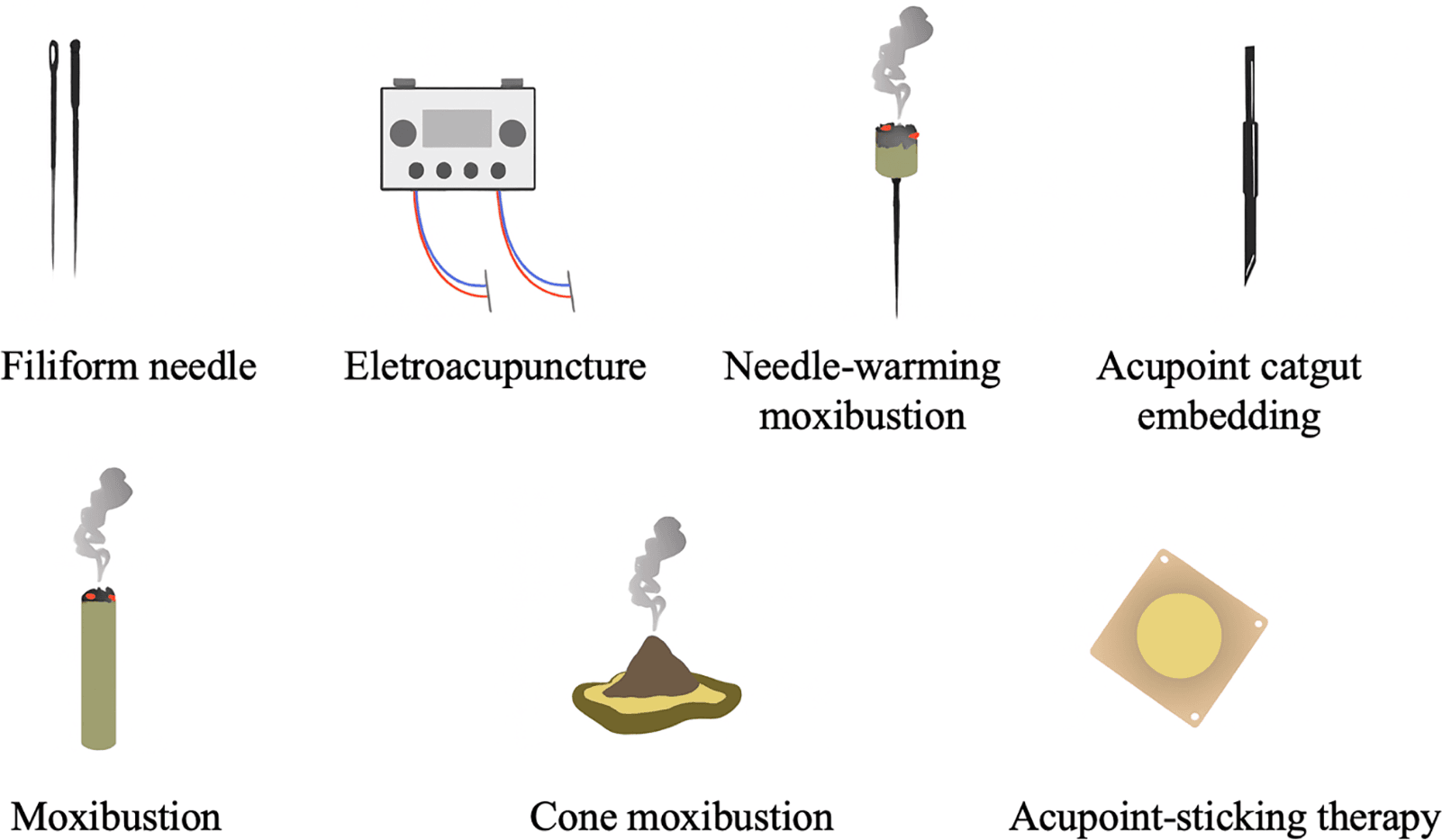
Figure 1. Schematic plot of different acupuncture devices.
Traditional acupuncture utilizing filiform needles remains foundational in Chinese medicine, wherein precise insertion and manipulation at meridian-based acupoints aim to elicit the “Deqi” sensation, thereby facilitating Qi flow and promoting systemic balance.26 Electroacupuncture, which incorporates electrical stimulation through inserted needles, has been shown to enhance analgesic efficacy and modulate neural activity more effectively.33 Needle-warming moxibustion combines acupuncture with thermal therapy by burning moxa on the handles of inserted needles, thereby improving local microcirculation and alleviating symptoms associated with cold-induced pelvic discomfort.34
Specialized approaches such as acupoint catgut embedding, in which absorbable surgical threads are implanted into acupoints, provide prolonged stimulation and extended symptom relief.35 Moxibustion-based techniques, including stick moxibustion and cone moxibustion, apply sustained heat through the combustion of moxa to warm meridians and alleviate chronic pelvic congestion.36 Furthermore, acupoint-sticking therapy, which entails applying medicated herbal patches to targeted acupoints, delivers continuous pressure and promotes transdermal absorption of herbal compounds, offering a supplementary strategy for long-term symptom management.37 The Standards for Reporting Interventions in Clinical Trials of Acupuncture (STRICTA) guideline is commonly applied to improve transparency and reproducibility in acupuncture trials for CP/CPPS by ensuring that intervention details are reported with sufficient rigor.38 However, most available RCTs remain constrained by small sample sizes, heterogeneous study designs, and inconsistencies in acupoint selection, treatment duration, and frequency, thereby limiting the certainty of conclusions. These methodological shortcomings underscore the need for larger, standardized trials to generate more robust and definitive clinical recommendations.39 Much of the current evidence on acupuncture for CP/CPPS originates from China, which raises concerns about its generalizability across different healthcare systems and patient populations. Variations in cultural context, clinical practice, and study design may influence reported outcomes, highlighting the need for validation in broader settings. Future research should therefore prioritize large-scale, high-quality international trials and mechanistic investigations, with particular emphasis on standardizing acupoint selection, treatment protocols, and outcome measures. Furthermore, the development of clear regulatory frameworks and structured practitioner training will be essential to ensure safe, consistent, and evidence-based clinical implementation.
Despite differences in stimulation methods and durations, these modalities share a common therapeutic objective: to restore physiological homeostasis and alleviate the symptoms of CP/CPPS. An expanding body of empirical research and growing endorsement in international urological guidelines underscore their clinical relevance and integrative potential.40 Acupuncture may be particularly suitable for patients who have not achieved adequate symptom relief with conventional therapies or who prefer integrative approaches, provided they meet criteria such as absence of contraindications and willingness to engage in repeated sessions.41 Importantly, considerations of cost-effectiveness and accessibility are central to clinical implementation; while acupuncture demonstrates promising therapeutic value, broader integration will require attention to insurance coverage, availability of trained practitioners, and healthcare system support to ensure equitable patient access.42
Mechanism
Acupuncture, a therapeutic practice originating during China’s Warring States Period, has a history spanning over two millennia.43 In modern clinical contexts, its effectiveness in managing various medical conditions has been increasingly supported by a synthesis of traditional insights and contemporary biomedical research.44 Although the exact mechanisms through which acupuncture benefits patients with CP/CPPS are still being understood, its positive outcomes are often linked to neuromodulatory, immunomodulatory, and anti-inflammatory actions.
Research categorizes acupuncture’s neurological effects into local, intersegmental, extrasegmental, and central mechanisms.45 Locally, peripheral opioid analgesia is initiated through stimulation of acupoints or fascial sites, activating an axonal reflex.46 This triggers Aδ and C fibers to release vasoactive substances and pro-inflammatory neuropeptides, such as calcitonin gene-related peptide, substance P, neurokinin A, opioids, galanin, somatostatin, and vasoactive intestinal peptide.47 These mediators induce the release of endorphins and their receptors (μ, δ, and κ), particularly in inflamed tissues, thereby dampening pain transmission via peripheral opioid pathways.
At the spinal level, analgesia involves somatic afferents and aligns with the “gate control theory,” wherein afferent nerve activation inhibits projection neurons through dorsal interneuron modulation.48 This interaction attenuates nociceptive signaling and activates intrinsic anti-injury mechanisms within the spinal cord. Electroacupuncture, in particular, enhances sympathetic nerve activity and upregulates intracellular adhesion molecule-1 expression in inflamed vasculature, facilitating leukocyte and monocyte infiltration. These immune cells, rich in β-endorphins and met-enkephalins, contribute to pain suppression via the descending inhibitory pathways.49
Acupuncture’s anti-inflammatory properties are mediated through multiple pathways. A comprehensive review of animal studies found that approximately two-thirds investigated how stimulation at the Zusanli point modulated inflammation-related markers in bodily fluids. Identified mechanisms include Toll-like receptor 4/nuclear factor-κB signaling, macrophage polarization, mitogen-activated protein kinase pathways, and the cholinergic anti-inflammatory route.29 These mechanisms frequently operate in concert with analgesic and immunomodulatory processes. Other studies have highlighted the role of key cytokines and immune cells at acupoints—such as interleukin-6, monocyte chemotactic protein-1, fibroblasts, and monocyte–macrophages—in mediating inflammatory pain relief. Beyond neuromodulation and immunoregulation, acupuncture also influences endocrine activity, reduces oxidative stress, and modulates prostate adhesion molecules.50 These effects support the structural integrity of prostate tissue and enhance local microcirculation. Additionally, acupuncture has been associated with increased zinc concentrations in the prostate and improvements in bladder function, suggesting broader benefits for urogenital health.36
While these mechanistic insights provide a valuable framework for understanding how acupuncture may influence neuromodulatory, immunomodulatory, and anti-inflammatory pathways, it is important to acknowledge that much of the supporting evidence originates from animal models and preclinical investigations. The direct translation of these findings to human patients with CP/CPPS remains uncertain, as interspecies differences in physiology, immune regulation, and neural circuitry can limit the generalizability of results. Moreover, clinical outcomes are often influenced by additional variables, such as patient heterogeneity, placebo responses, and variations in acupuncture protocols, which are not adequately captured in preclinical settings. Recognizing this translational gap emphasizes the need for cautious interpretation of mechanistic data and underscores the importance of rigorous clinical trials to validate these biological pathways in human populations.
Conclusion
CP/CPPS presents a complex clinical challenge due to its multifactorial etiology and symptom variability. While pharmacological therapies remain part of the initial treatment, their limited efficacy necessitates the inclusion of individualized nonpharmacologic strategies. Acupuncture and moxibustion have emerged as effective, evidence-based interventions capable of addressing the neuromuscular, inflammatory, and psychosomatic dimensions of CP/CPPS. By modulating pain pathways, immune responses, and the urogenital microenvironment, these therapies provide meaningful symptom relief and improve patient quality of life. Their increasing integration into CP/CPPS management protocols reflects a broader shift toward multimodal, patient-centered care. Future studies should focus on refining indications, optimizing treatment parameters, and identifying biomarkers for response to maximize therapeutic outcomes.
Acknowledgments
Special thanks to Ruochen Duan from the Savannah College of Art and Design for guidance and help with data visualization.
Funding Statement
The foundation provided support for project initiation and article publication. The funders were not involved in data collection, management, analysis, or interpretation.
Authors’ Contributions
Y.Y. and X.P. contributed to the study design and drafting of the manuscript. They also worked on data interpretation and manuscript revision. All authors have read and approved the final manuscript and agree with its content and data.
Availability of Data and Materials
Not applicable. The original data for this paper are available in the mentioned databases, and the newly generated data have also been presented in the paper.
Ethics Approval and Consent to Participate
Not applicable. This study does not involve new human or animal studies.
Competing Interests
There are no conflicts of interest in this article.
Supplemental Information
Supplemental information for this article can be found online at https://sup.jclinque.com/api/articles/87/download-suppl.
References
[1] Graziani A, Grande G, Martin M, et al. Chronic prostatitis/chronic pain pelvic syndrome and male infertility. Life (Basel). August 7, 2023;13(8):1700. doi:10.3390/life13081700.
[2] Lam JC, Lang R, Stokes W. How I manage bacterial prostatitis. Clin Microbiol Infect. January 1, 2023;29(1):32–37. doi:10.1016/j.cmi.2022.05.035.
[3] Krieger JN, Nyberg LJr, Nickel JC. NIH consensus definition and classification of prostatitis. J Am Med Assoc. July 21, 1999;282(3):236–237. doi:10.1001/jama.282.3.236.
[4] Lai HH, Pontari MA, Argoff CE, et al. Male chronic pelvic pain: AUA guideline: Part I evaluation and management approach. J Urol. August 2025;214(2):116–126. doi:10.1097/ju.0000000000004564.
[5] Zhang J, Liang C, Shang X, Li H. Chronic prostatitis/chronic pelvic pain syndrome: a disease or symptom? Current perspectives on diagnosis, treatment, and prognosis. Am J Mens Health. January–February 2020;14(1):1557988320903200. doi:10.1177/1557988320903200.
[6] Krieger JN, Riley DE, Cheah PY, Liong ML, Yuen KH. Epidemiology of prostatitis: new evidence for a world-wide problem. World J Urol. June 2003;21(2):70–74. doi:10.1007/s00345-003-0329-0.
[7] Alshahrani S, Fathi BA, Abouelgreed TA, El-Metwally A. Prevalence of sexual dysfunction with chronic prostatitis/chronic pelvic pain syndrome (CP/CPPS): an updated systematic review and meta-analysis. Medicina. 2025;61(6):1110.
[8] Oseni SO, Naar C, Pavlović M, et al. The molecular basis and clinical consequences of chronic inflammation in prostatic diseases: prostatitis, benign prostatic hyperplasia, and prostate cancer. Cancers. 2023;15(12):3110. doi:10.3390/cancers15123110.
[9] Ma X, Lao Y, Bai Y, et al. Study progress of etiologic mechanisms of chronic prostatitis/chronic pelvic pain syndrome. Int Immunopharmacol. February 20, 2025;148(3):114128. doi:10.1016/j.intimp.2025.114128.
[10] Huang X, Qin Z, Cui H, et al. Psychological factors and pain catastrophizing in men with chronic prostatitis/chronic pelvic pain syndrome (CP/CPPS): a meta-analysis. Transl Androl Urol. April 2020;9(2):485–493. doi:10.21037/tau.2020.01.25.
[11] Zhou W, Zhang X-R, Qin X-C, et al. Naringin mitigates experimental autoimmune prostatitis by modulating oxidative stress and the NLRP3 inflammasome via the PPAR-γ/NF-κB pathway. Sci Rep. July 1, 2025;15(1):20843. doi:10.1038/s41598-025-04916-2.
[12] Zhang F-X, Chen X, Niu D-C, et al. Chronic prostatitis/chronic pelvic pain syndrome induces metabolomic changes in expressed prostatic secretions and plasma. Asian J Androl. 2025;27(1). doi:10.4103/aja202434.
[13] Ge S, Xiang Y, Hua X, et al. The characteristics of brain function alterations in patients with chronic prostatitis/chronic pelvic pain syndrome across varying symptom severities evaluated by NIH-CPSI. Front Neurosci. 2025;19:1511654. doi:10.3389/fnins.2025.1511654.
[14] Clemens JQ, Mullins C, Ackerman AL, et al. Urologic chronic pelvic pain syndrome: insights from the MAPP research network. Nat Rev Urol. March 2019;16(3):187–200. doi:10.1038/s41585-018-0135-5.
[15] Qin Z, Zhang C, Guo J, et al. Oral pharmacological treatments for chronic prostatitis/chronic pelvic pain syndrome: a systematic review and network meta-analysis of randomised controlled trials. eClinicalMedicine. 2022;48(3):101457. doi:10.1016/j.eclinm.2022.101457.
[16] Maeda K, Shigemura K, Fujisawa M. A review of current treatments for chronic prostatitis/chronic pelvic pain syndrome under the UPOINTS system. Int J Urol. 2023;30(5):431–436. doi:10.1111/iju.15149.
[17] Mohiuddin M, Park R, Wesselmann U, et al. Efficacy and safety of drug combinations for chronic pelvic pain: a systematic review. PAIN Reports. 2025;10(4). doi:10.1097/pr9.0000000000001299.
[18] Kim KS, Moon HS. The effect of alpha-blockers monotherapy vs. combination antibiotic therapy on symptom alleviation in patients with chronic prostatitis/chronic pelvic pain syndrome. Urogenit Tract Infect. April 2018;13(1):1–6. doi:10.14777/uti.2018.13.1.1.
[19] Chislett B, Chen D, Perera ML, Chung E, Bolton D, Qu LG. 5-alpha reductase inhibitors use in prostatic disease and beyond. Transl Androl Urol. 2023;12(3):487–496. doi:10.21037/tau-22-690.
[20] Evans-Durán B, Tripp DA, Campbell J, Doiron RC, Nickel JC. Chronic prostatitis/chronic pelvic pain syndrome-related pain symptoms and their impact on sexual functioning. Can Urol Assoc J. June 2022;16(6):222–227. doi:10.5489/cuaj.7607.
[21] Sahin E, Brand A, Cetindag EN, Messelink B, Yosmaoglu HB. Pelvic physical therapy for male sexual disorders: a narrative review. Int J Impot Res. February 27, 2025;9:76. doi:10.1038/s41443-025-01034-5.
[22] Lackner JM, Clemens JQ, Radziwon C, et al. Cognitive behavioral therapy for chronic pelvic pain: what is it and does it work? J Urol. April 2024;211(4):539–550. doi:10.1097/ju.0000000000003847.
[23] Sun Y, Liu Y, Liu B, et al. Efficacy of acupuncture for chronic prostatitis/chronic pelvic pain syndrome: a randomized trial. Ann Intern Med. October 2021;174(10):1357–1366. doi:10.7326/m21-1814.
[24] Pan J, Jin S, Xie Q, et al. Acupuncture for chronic prostatitis or chronic pelvic pain syndrome: an updated systematic review and meta-analysis. Pain Res Manag. 2023;2023(49):7754876. doi:10.1155/2023/7754876.
[25] Qin P, Cao X, Ni H, et al. Efficacy of different acupuncture therapies for chronic prostatitis/chronic pelvic pain syndrome: a network meta-analysis. J Pain Res. 2025;18:3653–3673. doi:10.2147/jpr.S530646.
[26] Fang W, Wang S, Dong JK, et al. Evaluation of clinical effect of acupuncture on chronic prostatitis: meta analysis. Am J Mens Health. January–February 2025;19(1):15579883241290035. doi:10.1177/15579883241290035.
[27] Yu XJ, Gao QH. Guideline for the multidisciplinary diagnosis and treatment of chronic prostatitis with integrated traditional chinese and western medicine. Natl J Androl. 2020;26(04):369–376. doi:10.13263/j.cnki.nja.2020.04.015.
[28] Pena VN, Engel N, Gabrielson AT, Rabinowitz MJ, Herati AS. Diagnostic and management strategies for patients with chronic prostatitis and chronic pelvic pain syndrome. Drugs Aging. September 29, 2021;38(10):845–886. doi:10.1007/s40266-021-00890-2.
[29] Li N, Guo Y, Gong Y, et al. The anti-inflammatory actions and mechanisms of acupuncture from acupoint to target organs via neuro-immune regulation. J Inflamm Res. 2021;14:7191–7224. doi:10.2147/jir.S341581.
[30] Qu Y, Gu Y, Zhang X, Wang Y, Xing X. Acupuncture’s immunomodulatory effects on macrophages in allergic disorders: a systematic review. J Asthma Allergy. 2025;18:801–815. doi:10.2147/jaa.S516732.
[31] Yu WL, Park JY, Park HJ, Kim SN. Changes of local microenvironment and systemic immunity after acupuncture stimulation during inflammation: a literature review of animal studies. Front Neurol. 2022;13:1086195. doi:10.3389/fneur.2022.1086195.
[32] Sun Y, Liu Y, Liu B, et al. Efficacy of acupuncture for chronic prostatitis/chronic pelvic pain syndrome. Ann Internal Med. October 2021;174(10):1357–1366. doi:10.7326/M21-1814.
[33] Zhihao LI, Wenjun H, Xiuling S, Yan LI, Yuelai C. Electroacupuncture stimulating Zhongji (CV3Guanyuan (CV4and bilateral Dahe (KI12) attenuates inflammation in rats with chronic nonbacterial prostatitis induced by estradiol through inhibiting toll-like receptor 4 pathway. J Tradit Chin Med. October 2023;43(5):963–972. doi:10.19852/j.cnki.jtcm.20230608.001.
[34] Gao XY, Chong CY, Zhang SP, Cheng KW, Zhu B. Temperature and safety profiles of needle-warming techniques in acupuncture and moxibustion. Evid Based Complement Alternat Med. 2012;2012(8):168393. doi:10.1155/2012/168393.
[35] Kazemi AH, Adel-Mehraban MS, Jamali Dastjerdi M, Alipour R. A comprehensive practical review of acupoint embedding as a semi-permanent acupuncture: a mini review. Medicine (Baltimore). June 7, 2024;103(23):e38314. doi:10.1097/md.0000000000038314.
[36] Wu X, Cheng K, Xu C, et al. Mechanism of acupuncture and moxibustion on chronic prostatitis/chronic pelvic pain syndrome: a narrative review of animal studies. Pain Res Manag. 2021;2021(10):2678242. doi:10.1155/2021/2678242.
[37] He G-H, Ruan J-W, Xiang T. Effectiveness of acupoint sticking therapy in common chronic diseases, with disease differentiation principle. Ann Palliat Med. 2014;3(1):32–36.
[38] MacPherson H, Altman DG, Hammerschlag R, et al. Revised standards for reporting interventions in clinical trials of acupuncture (STRICTAextending the CONSORT statement. J Evid Based Med. August 2010;3(3):140–155. doi:10.1111/j.1756-5391.2010.01086.x.
[39] Qin Z, Guo J, Chen H, Wu J. Acupuncture for chronic prostatitis/chronic pelvic pain syndrome: a GRADE-assessed systematic review and meta-analysis. Eur Urol Open Sci. December 2022;46:55–67. doi:10.1016/j.euros.2022.10.005.
[40] Lai HH, Pontari MA, Argoff CE, et al. Male chronic pelvic pain: AUA guideline: Part II treatment of chronic prostatitis/chronic pelvic pain syndrome. J Urol. August 2025;214(2):127–137. doi:10.1097/ju.0000000000004565.
[41] Ho RST, Ho FF, Adams J, et al. Patients’ perceptions on non-specific effects of acupuncture: qualitative comparison between responders and non-responders. Integr Med Res. March 2022;11(1):100771. doi:10.1016/j.imr.2021.100771.
[42] Lu M, Sharmin S, Tao Y, et al. Economic evaluation of acupuncture in treating patients with pain and mental health concerns: the results of the Alberta Complementary Health Integration Project. Front Public Health. 2024;12:1362751. doi:10.3389/fpubh.2024.1362751.
[43] Smith CL, Reddy B, Wolf CM, et al. The State of 21st century acupuncture in the United States. J Pain Res. 2024;17:3329–3354. doi:10.2147/jpr.S469491.
[44] Elendu C. The evolution of ancient healing practices: from shamanism to hippocratic medicine: a review. Medicine (Baltimore). July 12, 2024;103(28):e39005. doi:10.1097/md.0000000000039005.
[45] Fan Z, Dou B, Wang J, et al. Effects and mechanisms of acupuncture analgesia mediated by afferent nerves in acupoint microenvironments. Front Neurosci. 2023;17:1239839. doi:10.3389/fnins.2023.1239839.
[46] Zhang R, Lao L, Ren K, Berman BM. Mechanisms of acupuncture–electroacupuncture on persistent pain. Anesthesiology. 2014;120(2). doi:10.1097/aln.0000000000000101.
[47] Iyengar S, Ossipov MH, Johnson KW. The role of calcitonin gene-related peptide in peripheral and central pain mechanisms including migraine. Pain. April 2017;158(4):543–559. doi:10.1097/j.pain.0000000000000831.
[48] Leung DKY, Fong APC, Wong FHC, Liu T, Wong GHY, Lum TYS. Nonpharmacological interventions for chronic pain in older adults: a systematic review and meta-analysis. Gerontologist. June 1, 2024;64(6):gnae010. doi:10.1093/geront/gnae010.
[49] Jiang K, Sun Y, Chen X. Mechanism underlying acupuncture therapy in spinal cord injury: a narrative overview of preclinical studies. Front Pharmacol. 2022;13:875103. doi:10.3389/fphar.2022.875103.
[50] Cui J, Song W, Jin Y, et al. Research progress on the mechanism of the acupuncture regulating neuro-endocrine-immune network system. Vet Sci. 2021;8(8):149. doi:10.3390/vetsci8080149.
 |
Copyright: © 2025 Yu and Peng. This work is licensed under a Creative Commons Attribution 4.0 International License, which permits unrestricted use, distribution, and reproduction in any medium, provided the original work is properly cited. |